Whether a Vizsla’s Pads Toughen Over a Season
It’s a common worry among Vizsla owners, especially as hunting season approaches or if you’re planning more intense outdoor adventures with your spirited companion: "Will my Vizsla's paw pads actually toughen up enough to handle all that work?" You look at those seemingly delicate, pinkish-amber pads, and it’s natural to feel a pang of concern. The truth is, while Vizsla pads aren't made of steel, they are incredibly adaptable, and with the right care and conditioning, they absolutely can and do toughen over a season. This guide will walk you through what to expect, how to help your Vizsla's paws adapt, and how to keep them healthy through all their adventures.
The Nature of Vizsla Paw Pads and Their Sensitivity
Vizslas are known for their sleek, athletic build and that distinctive golden-rust coat. What often goes unnoticed until you’re really putting them to work is the relative thinness of their skin, which extends right down to their paw pads. This isn't necessarily a weakness, but it does mean their pads require a bit more attention and understanding compared to, say, a heavily-padded retriever or a terrier bred for digging.
Why Vizsla Pads Seem So Delicate
Compared to some other breeds, a Vizsla's skin, including the skin on their paw pads, can be noticeably thinner. This isn't a fault, but rather a characteristic of their breed, contributing to their aerodynamic form and quick heat dissipation, which is great for high-energy bursts in the field. However, it also means they don't have the same built-in thickness that some other working breeds might. When you're used to dogs with dense, almost leathery pads, a Vizsla's can feel soft and vulnerable, particularly if they spend a lot of time on softer household surfaces.
It's a stark contrast between their incredible drive and the initial appearance of their pads. You have a dog that wants to run for miles, point birds in dense cover, and navigate all sorts of rough terrain, yet their pads, at first glance, might seem ill-equipped for the task. This discrepancy is often where owner anxiety about paw pad health begins, but it's important to remember that nature has a way of adapting. They are not inherently fragile; they are just different, and their resilience comes from their ability to adapt and grow stronger with appropriate stimulation.
Initial State: Puppy Pads vs. Adult Pads
A Vizsla puppy’s paw pads are, as you might expect, incredibly soft and smooth, like a baby’s skin. They haven't been exposed to much beyond soft grass and household floors, so they lack the protective calluses that develop with age and activity. It’s during this puppy stage that you need to be particularly mindful of where your pup walks and plays, gradually introducing them to different textures without overdoing it. Think of it as building their foundational foot strength.
As a Vizsla matures, even with just regular walks on sidewalks, pavement, and grassy parks, their pads naturally begin to thicken and toughen. This is a gradual process that continues throughout their active adult life. However, "regular" exercise in a suburban park is often vastly different from a full day traversing rocky fields, thorny underbrush, or frozen ground during hunting season. So, while adult pads are certainly tougher than puppy pads, the level of conditioning required for intense field work is a step beyond everyday activity. This is where targeted conditioning becomes vital, and where the pads truly begin to show their capacity for hardening.
The Process of Toughening During a Hunting Season
The concept of "toughening" a dog's paw pads is really about stimulating a natural biological process: the formation of calluses and the thickening of the outer layers of skin. Just like a human working with their hands, consistent, appropriate pressure and friction cause the skin to reinforce itself.
How Pads Adapt to Terrain and Activity
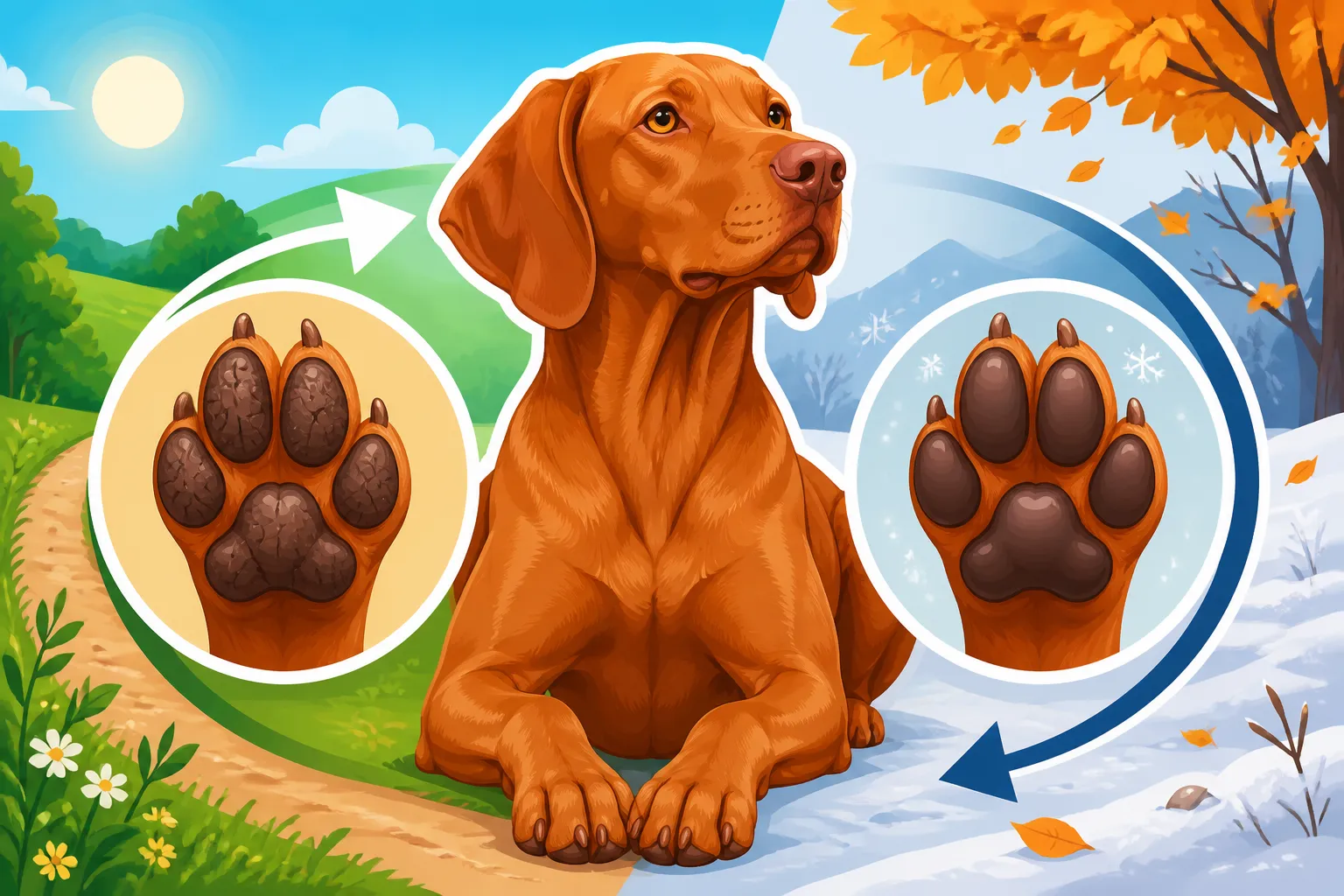
When a Vizsla spends time on varied, abrasive surfaces—think gravel paths, dry fields with stubble, or even rough asphalt—the outer layer of skin on their paw pads, the epidermis, responds by thickening. This thickening is a buildup of keratin, creating a tougher, more resilient surface that is less prone to abrasions and punctures. It's a natural defense mechanism. The pads don't become like hardened rubber overnight; rather, it's a gradual accumulation of protective tissue.
Imagine yourself starting a new manual labor job. Your hands would initially be soft and prone to blisters. But with consistent work, calluses would form, making your hands much tougher. A Vizsla's pads undergo a similar transformation. The crucial part is that this process needs to be gradual. Suddenly throwing an unconditioned dog into a full day of upland hunting on sharp, rocky ground is akin to asking someone with soft hands to chop wood for eight hours straight – you’re going to end up with injuries. Consistent, moderate exposure allows the pads to adapt and strengthen without tearing or breaking down. This controlled stress is what signals the body to build up protection.
Factors Influencing Pad Toughening
Several key factors play into how effectively and quickly a Vizsla's paw pads will toughen up over a hunting season. Understanding these can help you better prepare your dog.
Frequency and Duration of Activity: The more consistently a Vizsla works on varied terrain, the tougher their pads will become. Short, infrequent outings won't build the necessary resilience. It's about cumulative exposure. A dog that goes out for an hour every day on varied surfaces will have significantly tougher pads than one that only gets a long walk once a week on pavement. This consistent application of mild stress over time is the most important element. You're aiming for steady development, not sudden, intense bursts that can lead to injury.
Type of Terrain: Not all terrain is created equal when it comes to pad conditioning. Soft grass won't build much toughness, while regular exposure to gravel, coarse dirt, dry stubble fields, or even uneven forest floors will. However, extreme surfaces, like very sharp rocks, cracked asphalt on a hot day, or ice-covered ground, can be too much even for toughened pads and may require additional protection like boots. Think of it as a spectrum: too soft, and there’s no stimulus; too harsh, and there’s too much trauma. The sweet spot is varied, moderately abrasive surfaces.
Individual Dog Variation: Just like people, dogs have individual differences. Some Vizslas may naturally have slightly thicker or more resilient pads due to genetics. Age also plays a role; very young dogs or senior Vizslas might have pads that are slower to toughen or more prone to injury. A dog's overall health and nutrition also contribute to skin and pad integrity. If your Vizsla struggles with conditions like The Thin Skin a Vizsla Takes Into the Field, their pads might also be more sensitive and require extra care. Keep an eye on your individual dog and learn their specific needs and tolerances.
Recognizing Problems and Providing Care for Hunting Pads
Even with the best conditioning, a hunting season can be brutal on paw pads. Being able to spot potential problems and knowing how to respond is crucial for keeping your Vizsla sound and happy in the field.
Common Paw Pad Injuries During Hunting Season
Despite your best efforts to toughen them up, paw pad injuries are an unfortunate reality for many active hunting dogs, and Vizslas are no exception. These can range from minor irritations to severe damage that requires veterinary intervention.
One of the most common issues is abrasions or shallow cuts from sharp stubble, gravel, or rocky ground. These often look like scrapes and might bleed slightly, causing discomfort. More serious are deep cuts or punctures, which can happen from stepping on thorns, sharp sticks, or even broken glass hidden in tall grass. These injuries are more painful and prone to infection. Blisters can form from excessive friction on sensitive areas, much like a blister on a human foot after a long hike. These can then rupture, leaving a raw, exposed area. You might also see pads that are cracked and dry, especially in cold, dry weather, which can be incredibly painful and make them susceptible to splitting further.
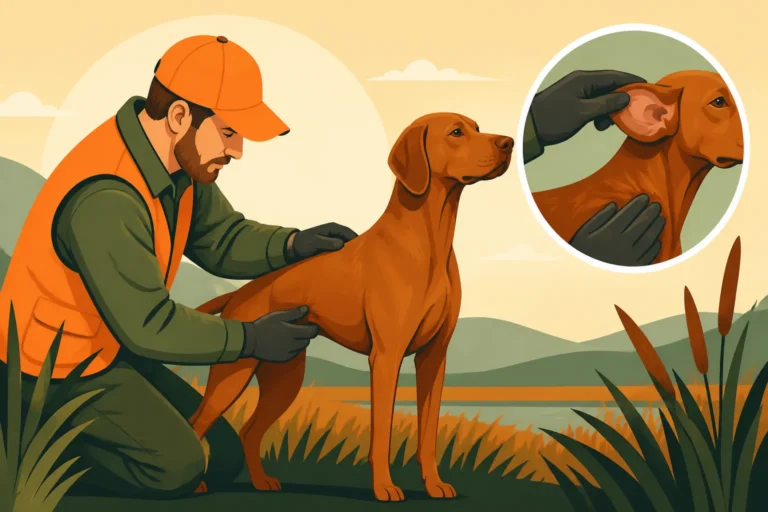
Then there are the more serious injuries like torn pads, where a significant portion of the pad tissue is ripped or partially detached. This can happen from twisting on rough ground or catching the pad on an obstacle. A Vizsla's eagerness to hunt can sometimes override their sense of caution, leading to them pushing through discomfort until a minor issue becomes a major injury. It's vital to remember that a limping Vizsla is telling you something important. Always inspect their paws thoroughly after any significant activity. Check for redness, swelling, or any foreign objects that might be lodged between their toes. Sometimes, Whether a Vizsla Gets Grass Seeds in Its Feet can cause significant irritation and infection if not removed promptly. Remember, Whether a Vizsla Cuts Itself Hunting is always a possibility, so vigilance is key.
Essential Paw Pad Care Strategies
Proactive care is the best defense against paw pad injuries. Incorporating a few simple habits into your routine can make a world of difference for your Vizsla's comfort and longevity in the field.
Pre-season conditioning is paramount. Don't wait until opening day to start preparing their feet. Weeks, even months, before the season, gradually increase the duration and intensity of their walks on varied terrain. Start with softer ground and slowly introduce more abrasive surfaces. This allows the pads to build up toughness organically, minimizing the risk of sudden injury. Think of it as a ramp-up, not a jump.
During the hunting season, daily inspection and care become essential. After every hunt, take a few minutes to meticulously Checking a Vizsla Over After a Hunt. Examine each pad, looking between the toes for debris like seeds, small stones, or burrs. Feel for any tenderness, swelling, or heat. Wipe their paws clean with a damp cloth to remove dirt and irritants. If you spot any minor abrasions or dryness, applying a good quality paw balm can be incredibly soothing and protective. These balms, often available from retailers like Chewy or Amazon, help to moisturize the pads and create a barrier against harsh elements. Many owners swear by paw waxes to create a protective layer before a hunt, especially in icy or very rough conditions.
Post-hunt soothing also plays a role. If your Vizsla’s pads are looking a bit red or dry, a gentle warm water soak can help, followed by thorough drying and balm application. Think of it as post-workout recovery for their feet. This routine helps to maintain the integrity of the toughened pads and prevents small issues from escalating.
When to Seek Veterinary Attention
Knowing when to call the vet versus handling an injury at home can be tricky, but it's always better to err on the side of caution, especially with a working dog.
You should always seek veterinary attention for:
- Deep Cuts or Lacerations: If a cut is bleeding profusely, exposes underlying tissue, or looks like it won't close on its own, it needs professional cleaning and possibly stitches. These types of injuries are also highly prone to infection.
- Persistent Limping: If your Vizsla is limping severely, refusing to put weight on a paw, or the limping doesn't improve after a day or two of rest, there might be a more serious underlying issue, such as a sprain, fracture, or embedded foreign object that you can't see.
- Signs of Infection: Redness, swelling, heat, pus, or a foul odor coming from a paw pad injury are all red flags for infection. Left untreated, infections can spread and become much harder to manage.
- Torn Pads: If a significant portion of the paw pad is torn or detached, it will likely require surgical cleaning, debridement, and bandaging to heal properly and prevent complications.
- Excessive Swelling: Any unusual or increasing swelling around the paw or between the toes warrants a vet visit, as it could indicate a serious infection, allergic reaction, or even a snake bite.
Don't hesitate if you're unsure. A quick call to your vet can often clarify whether an immediate visit is necessary. Ignoring a paw injury can lead to prolonged pain, more complicated treatment, and unnecessary time out of the field for your Vizsla. Remember that What a Vizsla's Emergency Field Injury Costs might seem daunting, but prompt treatment is always cheaper and less distressing than dealing with complications from a neglected injury. Your vet can properly clean the wound, administer antibiotics if needed, and provide appropriate pain relief, ensuring your dog can recover safely and effectively.
Long-Term Pad Health Beyond the Season
Paw pad care isn't just a seasonal concern; it's a year-round commitment, especially for a breed as active as the Vizsla. Maintaining healthy, resilient pads outside of hunting season will ensure your dog is always ready for whatever adventure comes next.
Maintaining Pad Toughness Year-Round
The toughening process isn't something that happens once and then lasts forever without maintenance. Just like muscles, paw pads can de-condition if not regularly stimulated. To keep your Vizsla's pads in prime condition, consistent, varied exercise is key, even during the off-season.
Continue to take your Vizsla on walks, runs, and hikes on different surfaces—pavement, dirt trails, gravel paths, and grass. This varied exposure will help maintain the calluses and thickness built up during the hunting season. Avoid long stretches of inactivity on soft surfaces, as this will lead to the pads softening and becoming more susceptible to injury when the activity level ramps up again. While you might not be hitting the dense cover every day, regular jaunts through local parks or dog-friendly trails will provide enough stimulus to keep their pads robust.
Beyond activity, continue to use paw balms and moisturizers regularly. Products purchased from Amazon or Chewy are excellent for this. Dry, cracked pads are more likely to split or tear, even if they are otherwise thick. A good paw balm helps keep the pads supple and flexible, which is crucial for their overall integrity. Think of it as skin care for their feet! Applying it a few times a week, or more often if you live in a particularly dry or cold climate, can prevent many common issues before they start. Whether a Vizsla's Pads Split can often be prevented by keeping them well-moisturized and conditioned.
Nutritional Support for Healthy Pads
What goes into your Vizsla's body directly impacts the health of their skin and, by extension, their paw pads. A well-balanced diet rich in essential nutrients is a foundational component of long-term pad health.
One of the most important components for skin and coat health, including paw pads, is omega fatty acids. Specifically, omega-3 fatty acids, found in sources like fish oil, are powerful anti-inflammatories and contribute to skin barrier function, helping to keep pads moisturized and resilient from the inside out. Many high-quality dog foods, including those from brands like Ollie, incorporate these healthy fats. However, supplementing with a good fish oil can provide an extra boost, especially for active dogs or those prone to dry skin. For more information, you can read about Whether a Vizsla Needs Fish Oil for Its Skin.
Beyond specific supplements, ensure your Vizsla is eating a high-quality, complete, and balanced diet appropriate for their activity level. Active hunting Vizslas, for instance, often need a higher calorie and fat content than a typical house pet to maintain their energy and weight. Whether a Vizsla Needs Performance Kibble is a real consideration for working dogs, as these formulas are designed to support their intense physical demands, which includes providing the nutrients necessary for healthy skin and resilient pads. A dog that is undernourished or on a poor-quality diet may have duller coats, flakier skin, and less robust paw pads, making them more vulnerable to injury.
The Importance of a Good Fit: Boots and Protection
Even the toughest pads sometimes need a little extra help. Paw boots can be an invaluable tool for protecting your Vizsla's feet in certain situations, acting as a temporary shield against extreme conditions or helping to aid in recovery from minor injuries.
Consider paw boots for:
- Extreme Weather Conditions: Very cold temperatures, ice, and snow (especially with road salt) can be incredibly harsh on pads. Hot pavement or sand can cause severe burns. Boots provide a protective barrier against these elements. If you're wondering Whether a Vizsla Needs Boots in Winter, the answer is often yes, especially for extended periods outdoors.
- Very Rough or Abrasive Terrain: While conditioning helps, some terrains are just too brutal. Think fields covered in sharp stubble, jagged rocks, or areas with known hazards like broken glass. Boots can prevent cuts and abrasions that even well-conditioned pads might struggle with.
- Protection During Healing: If your Vizsla has a minor cut or abrasion, a boot can keep the wound clean and protected while it heals, preventing further irritation or infection. This is particularly useful if you need to continue some level of activity.
It's important to find boots that fit well – not too tight to cut off circulation, and not too loose to chafe or fall off. Many reputable brands offer durable, well-designed paw boots that can be found at pet supply stores or online retailers like Chewy or Amazon. Remember to introduce boots slowly and positively, associating them with treats and praise, so your Vizsla accepts them readily. Practicing wearing them at home for short periods before hitting the field will help. For a detailed breakdown of costs, check out What Boots Cost for a Vizsla in the Field. While boots aren't a substitute for naturally toughened pads, they are an excellent addition to your Vizsla’s gear for optimal paw protection.
Disclaimer
This article is for general informational purposes only and does not constitute professional advice. Laws, prices and regulations vary by location and change over time. Consult a qualified professional for guidance on your specific situation.