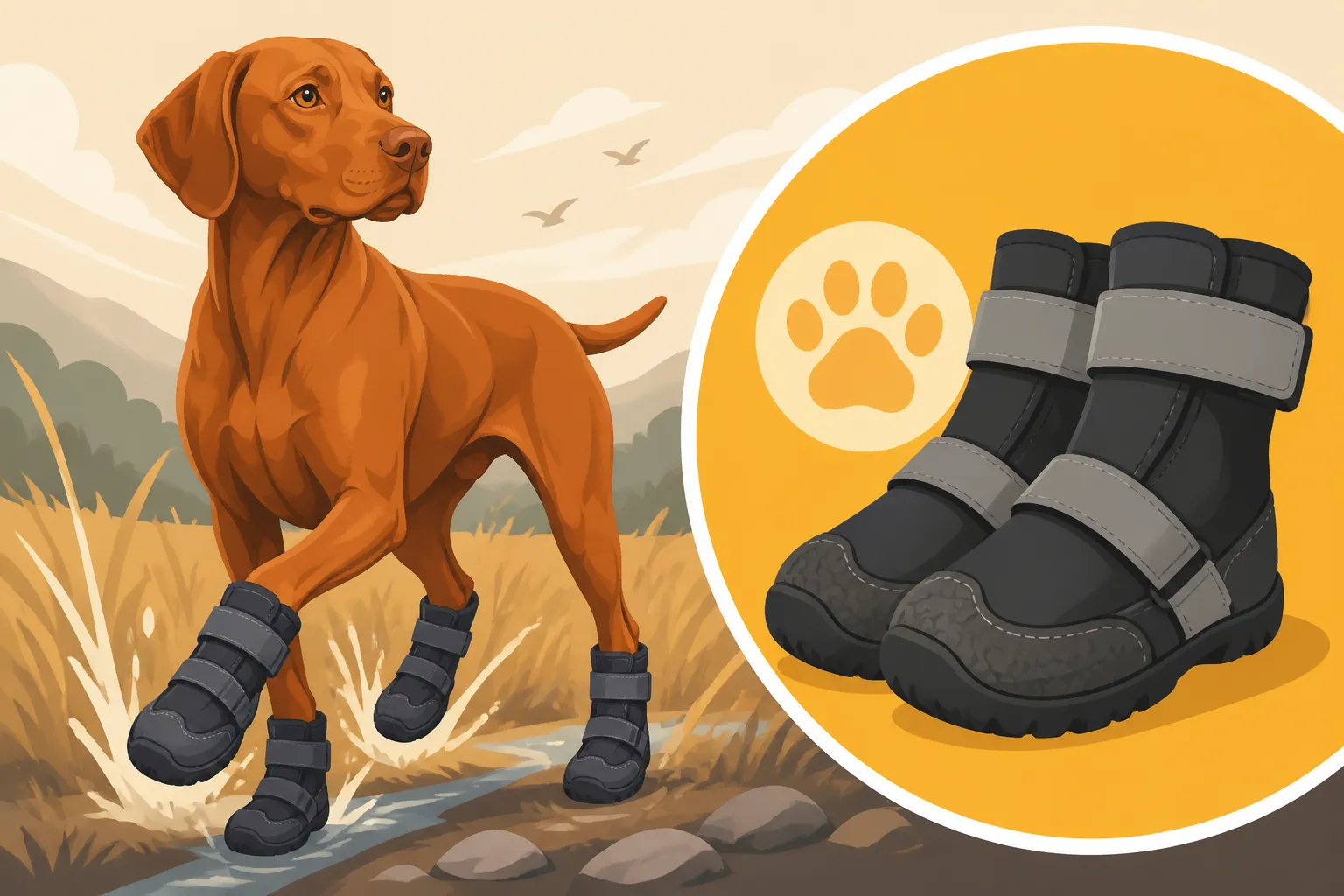
What Boots Cost for a Vizsla in the Field
Anyone who's spent time in the field with a Vizsla knows their incredible drive and athleticism. They'll push through any cover, over any terrain, for the love of the hunt. But that boundless enthusiasm often comes at a cost to their paws, which, despite their toughness, are surprisingly vulnerable to cuts, abrasions, and extreme weather. This guide dives deep into the world of paw protection for your hunting companion, specifically exploring what paw boots cost and the considerations that go into choosing the right pair to keep your Vizsla in the field, safe and sound.
The Essential Need for Paw Protection for Your Vizsla in the Field
It's a common misconception that a dog's paws are inherently invincible. While they are built for resilience, a Vizsla's paws, much like their general physique, are lean and often more susceptible to certain environmental challenges than those of, say, a heavily-coated retriever. When you consider the vast array of terrains and conditions a Vizsla encounters while hunting, the idea of paw protection quickly shifts from a luxury to a genuine necessity.
The Vulnerability of Vizsla Paws
Vizslas have a distinctive short, sleek coat, which extends right down to their paws. Unlike breeds with thick fur between their paw pads, Vizslas have very little natural insulation or cushioning. This means their delicate skin and pads are directly exposed to whatever lies beneath their feet. This lack of protective fur can make them prone to skin irritation, cuts, and punctures from sharp objects. Furthermore, their high-energy, go-go-go nature means they are constantly pounding the ground, putting immense stress on their paw pads. A minor cut or abrasion can quickly become infected if not properly protected and cared for, leading to downtime and discomfort for your usually tireless companion. The Thin Skin a Vizsla Takes Into the Field is something we constantly need to consider with this breed.
Common Field Hazards and Their Impact
The field is a wonderful place for a Vizsla, but it's also full of potential dangers for unprotected paws. Think about it:
- Sharp Debris: Jagged rocks, broken branches, pieces of barbed wire, discarded hunting blind materials – these can inflict deep cuts in an instant. Whether a Vizsla Cuts Itself Hunting is a very real concern.
- Thorns and Burrs: Especially in dense cover, thorny bushes and burrs can embed themselves painfully between pads and toes, causing irritation, lameness, and even infection. These seemingly small nuisances can stop a hunt cold and require careful removal.
- Extreme Temperatures:
- Hot Ground: Asphalt, sand, or even dry dirt can reach scorching temperatures on a sunny day, leading to severe burns on unprotected pads. Imagine walking barefoot on a blacktop parking lot in July – that's what your Vizsla experiences.
- Cold and Ice: Freezing temperatures, snow, and ice can cause frostbite, cracking, and chafing. Road salt and de-icing chemicals are also incredibly irritating and corrosive to paw pads. Whether a Vizsla Hunts in Freezing Weather means you'll definitely be thinking about paw protection.
- Rough Terrain: Continuous running over abrasive surfaces like gravel, scree, or even frozen, hard earth can wear down paw pads rapidly, leading to soreness, blistering, and deep cracks. Whether a Vizsla's Pads Split is a painful reality many owners face without proper protection.
- Grass Seeds and Foxtails: These insidious plant parts are notorious for burrowing into paws, causing swelling, pain, and abscesses. They can be incredibly difficult to locate and remove without veterinary intervention. Whether a Vizsla Gets Grass Seeds in Its Feet is a constant worry during certain seasons.
Any of these hazards can lead to significant pain, infection, and an enforced break from activity, which is the last thing a high-drive Vizsla needs or wants.
Navigating the Costs: Factors Influencing Vizsla Boot Prices
When you start looking at paw boots for your Vizsla, you'll quickly realize there's a wide range of options, and with that, a wide range of prices. It's not just about slapping some fabric on their feet; the design, materials, and intended use all play a huge role in what you'll pay and, more importantly, how effective they'll be.
Material Quality and Durability
The core of a paw boot's cost often lies in the materials it's made from. You get what you pay for in terms of longevity and protection.
- Fabric Composition: Basic, inexpensive boots might use simple canvas or thin nylon, which offer minimal protection against punctures and wear out quickly, especially on rough terrain. More durable options will feature rugged Cordura, tightly woven ballistic nylon, or even specialized synthetic leathers. These materials are designed to resist tearing, abrasion, and often come with water-resistant or waterproof coatings.
- Sole Construction: This is where the rubber meets the road, literally. Cheap boots might have thin, flexible rubber soles that offer little grip or cushioning and wear through with just a few outings. Higher-quality boots incorporate thicker, more robust rubber soles, often with aggressive treads similar to hiking boots, for superior traction and impact absorption. Some even feature multi-layered sole designs for enhanced durability and comfort, providing better insulation against hot or cold surfaces.
- Fasteners and Straps: The closure system is crucial for keeping boots on your active Vizsla. Inexpensive boots might have simple hook-and-loop straps that lose their grip quickly or fray. Better boots will use industrial-strength hook-and-loop closures, often with multiple straps, elasticized bands, or even buckle systems to ensure a secure, adjustable fit that stays put, even through dense undergrowth or water. The stitching quality around these fasteners also contributes significantly to the boot's overall lifespan.
Brand Reputation and Features
Just like with human outdoor gear, brand reputation in dog boots often correlates with consistent quality and innovative features. Established brands in the outdoor dog gear space tend to invest more in research and development, testing their products rigorously to ensure they stand up to the demands of active dogs.
- Design and Engineering: Reputable brands don't just make a boot; they engineer it for performance. This includes ergonomic designs that contour to a dog's paw, features to prevent rotation, and careful consideration of how the boot moves with the leg. These design elements prevent chafing, improve comfort, and reduce the chances of the boot coming off.
- Advanced Features: Think about extra waterproofing, reflective strips for visibility in low light, breathable mesh panels for ventilation, or specialized cuffs to keep debris out. Some boots incorporate features like gaiters for deeper snow or extended ankle support. While these features add to the initial cost, they can significantly enhance your Vizsla's comfort and safety in specific environments. For example, a robust pair of boots might offer protection in harsh conditions that would otherwise cause serious injury, potentially saving you a trip to the vet, which can certainly add up to a significant expense if your dog gets injured. What a Vizsla's Emergency Field Injury Costs can be substantial.
- Warranty and Customer Support: Many well-regarded brands offer warranties or guarantees on their products, standing behind their durability. Knowing you can replace a faulty boot or get assistance with sizing from a responsive customer service team can be a valuable, albeit indirect, part of the cost calculation. When you're looking for boots, checking out retailers like Chewy can give you a good overview of different brands and their customer reviews.
Sizing and Fit Considerations
Finding the right size is paramount. An ill-fitting boot is worse than no boot at all; it can cause chafing, restrict movement, or simply fall off.
- Measuring Accurately: Most manufacturers provide detailed sizing charts, usually requiring you to measure your Vizsla's paw width and length while bearing weight. It's not uncommon for Vizslas to have slightly different sized paws, so measuring all four is important, and you might even need to purchase two different sizes if sold in pairs.
- Trial and Error: Sometimes, despite careful measuring, the first pair isn't quite right. Be prepared for a bit of trial and error. Some retailers, like Chewy, have generous return policies which can make this process less costly.
- Price by Size: While not always the case, sometimes very large or very small sizes might be priced slightly differently due to production variations or demand. However, generally, within a specific model, the price range is fairly consistent across sizes.
Different Boots for Different Adventures: Types and Price Ranges
Just as you wouldn't wear hiking boots for a casual stroll, your Vizsla might need different paw protection depending on the activity and environment. Understanding the types of boots available and their general cost brackets can help you make an informed decision without breaking the bank or compromising your dog's safety.
Basic Protection for Light Use (Entry-Level)
These are typically the most affordable options, often sold in packs. They're great for occasional use or for protecting minor injuries, but they won't stand up to serious field work for long.
- Construction: Usually made from thin, lightweight fabric like cotton blends or light nylon, with minimal or no rubberized sole. They often have simple elastic cuffs or single hook-and-loop closures.
- Purpose: Ideal for protecting bandages, preventing licking of wounds, or offering very temporary relief from mild conditions like hot pavement during a short walk. They might serve as a "disposable" barrier against grass seeds for a quick foray into tall grass.
- Durability: Low. They are not designed for rough terrain, heavy abrasion, or prolonged exposure to moisture. Expect them to wear through quickly, especially if your Vizsla is actively running and working.
- Cost Shape: Generally at the lower end of the spectrum, usually sold in sets of four or more. They represent a modest initial outlay, but their short lifespan might mean frequent replacements.
Mid-Range for Regular Field Work (Good Value)
This category offers a significant step up in durability and features, making them suitable for most regular hunting trips and active outdoor pursuits.
- Construction: You'll find more robust materials here, such as heavier-duty nylon, Cordura, or synthetic leather uppers, often with reinforced stitching. The soles will be thicker, more durable rubber with a discernible tread pattern, offering better grip and protection. Multiple hook-and-loop straps are common for a more secure fit.
- Purpose: Excellent for varied terrain, moderate cold or heat, and protecting against thorns, burrs, and general wear and tear during typical hunting seasons. They provide good traction on most surfaces and some level of water resistance. These are the workhorse boots for many Vizsla owners.
- Durability: Moderate to good. With proper care, they can last a full season or more, depending on frequency of use and the harshness of the environment. You might still need to replace them periodically, but less often than basic boots.
- Cost Shape: A noticeable jump from basic options, offering a good balance between cost and performance. These boots are an investment that pays off in reduced paw injuries and less frequent replacements compared to entry-level alternatives.
Premium Boots for Serious Hunting (High Performance)
These are the top-tier options, designed for serious working dogs, extreme conditions, and prolonged, intense activity. They incorporate the best materials and advanced features.
- Construction: Expect highly specialized, durable fabrics, often waterproof and breathable membranes, and heavily reinforced stress points. The soles will be rugged, multi-layered, often featuring Vibram or similar high-performance rubber compounds with aggressive, deep treads for superior traction and protection on the most challenging terrain. Secure, multi-strap closure systems are standard.
- Purpose: Built for extreme cold, ice, snow, sharp rocky landscapes, long-distance trekking, and demanding hunting conditions. They offer maximum protection against punctures, abrasions, burns, and frostbite. These boots are for the Vizsla that's out in all weather, facing the toughest challenges.
- Durability: High. These boots are built to last multiple seasons of hard use. They are often repairable, and the materials resist wear and tear exceptionally well. While they might still need occasional replacement, their lifespan justifies the higher initial cost.
- Cost Shape: These represent a substantial investment. While the upfront cost is higher, their longevity, superior protection, and the peace of mind they offer can make them a cost-effective choice in the long run, especially for dedicated hunters. Brands known for high-quality outdoor gear for humans often produce similar quality for dogs. The Bird Dog Kit a Vizsla Owner Ends Up Buying often includes these types of durable boots.
Specialized Terrain-Specific Boots
Sometimes, the type of terrain dictates the kind of boot, especially for Vizslas whose enthusiasm knows no bounds.
- Winter/Extreme Cold Boots: These feature enhanced insulation, often with fleece linings or thermal layers, and waterproof exteriors. They are designed to prevent frostbite and protect against harsh chemicals like road salt. Their soles are typically grippier for ice and snow. Whether a Vizsla Needs Boots in Winter is a question many cold-climate owners ask.
- Hot Weather/Desert Boots: These prioritize breathability and heat resistance, often featuring mesh panels in the upper for ventilation and very thick soles to insulate against scorching surfaces.
- Water-Specific Boots: While many mid-range and premium boots offer some water resistance, truly water-specific boots might have higher cuffs, gusseted tongues, or materials designed for quick drying and maximum drainage, especially useful if your Vizsla works water.
Choosing the right boots often comes down to matching the boot's capabilities with the specific challenges your Vizsla will face in the field.
| Boot Type | Typical Materials | Key Features | Average Protection Level | Durability |
|---|---|---|---|---|
| Basic (Entry-Level) | Thin cotton, light nylon, minimal sole | Simple elastic/velcro, low profile | Minimal | Low |
| Mid-Range (Value) | Heavy-duty nylon, Cordura, synthetic leather, rubber sole | Multi-strap velcro, good tread, some water resistance | Moderate | Moderate |
| Premium (High Perf.) | Ballistic nylon, waterproof membranes, Vibram sole | Advanced closures, aggressive tread, insulation, reflective | High | High |
| Specialized (Terrain) | Varies: insulated, mesh, quick-dry fabrics | Specific features for cold, heat, or water | High (for specific use) | High |
Beyond the Purchase: Related Costs and Considerations
Buying the boots is often just the first step. To truly get the most out of your investment and ensure your Vizsla's paws remain healthy, there are ongoing considerations and complementary care practices.
Maintenance and Longevity of Your Vizsla's Boots
Even the most expensive boots won't last if they're not cared for properly. Good maintenance can significantly extend their lifespan, making your initial investment go further.
- Cleaning: After every outing, especially in muddy or wet conditions, clean the boots. This often means rinsing off dirt and debris, particularly from the hook-and-loop fasteners which can lose their grip if clogged. For more stubborn grime, a gentle scrub with mild soap and water might be necessary. Allow them to air dry completely to prevent mildew and odor. Don't throw them in a machine dryer, as high heat can damage materials and adhesives.
- Storage: Store boots in a clean, dry place. Avoid leaving them exposed to extreme temperatures or direct sunlight for long periods, which can degrade materials.
- Inspecting for Wear: Regularly check the soles for wear, punctures, or tears. Examine the seams and straps for fraying or damage. Addressing small issues early can prevent them from becoming major problems that render the boots unusable. A little bit of fabric glue or thread can often fix a minor tear before it expands.
Replacement Frequency and Why It Matters
Even with the best care, paw boots have a finite lifespan. The frequency of replacement depends heavily on the quality of the boots, how often they're used, and the type of terrain your Vizsla encounters.
- Hard Use, Faster Wear: A Vizsla hunting several times a week in rocky, abrasive environments will wear through boots much faster than one that only occasionally walks on soft trails. Mid-range boots might last a season or two, while premium boots might give you several seasons. Basic boots might only last a few outings.
- The Cost of "Making Do": Trying to extend the life of worn-out boots can be a false economy. A boot with a worn sole offers less protection and grip, increasing the risk of injury. A torn boot can allow debris inside, causing chafing or inviting infection. The cost of replacing worn boots is far less than the potential veterinary bills for a serious paw injury. This is where pet insurance, like a policy from Healthy Paws, can really come into its own, covering unexpected injuries that might arise despite your best efforts at prevention.
Alternatives and Complementary Paw Care
Boots are a fantastic tool, but they're part of a broader paw care strategy. There are also alternatives for less demanding situations.
- Paw Balms and Waxes: Products like Musher's Secret or other paw waxes create a protective barrier on the pads. They help moisturize, prevent cracking, and offer a thin layer of defense against hot pavement, ice, and minor abrasions. They don't protect against punctures or deep cuts like boots, but they are an excellent daily prophylactic, especially for Whether a Vizsla Needs Paw Wax.
- Post-Hunt Paw Checks: Always make it a routine to Checking a Vizsla Over After a Hunt, regardless of whether they wore boots. This involves examining each paw pad, between the toes, and around the nails for cuts, thorns, grass seeds, or any signs of irritation. Early detection means faster treatment. Whether a Vizsla's Skin Tears in Cover is always a possibility, even with boots, if the cover is particularly dense or thorny.
- First Aid Kit: Having a What a First Aid Kit for a Hunting Vizsla Holds readily available is crucial. This kit should include items like antiseptic wipes, sterile gauze pads, self-adhering bandages, and tweezers for removing splinters or thorns. Knowing how to administer basic first aid for a paw injury can make a huge difference in the field.
- Overall Paw Health: A Vizsla's diet and general health also contribute to the strength and resilience of their paw pads. Ensuring they're on a balanced, high-quality diet, potentially supplemented with omega fatty acids, can support healthy skin and tougher pads.
Ultimately, paw boots for your Vizsla in the field are an investment in their health, safety, and continued ability to do what they love. The cost varies widely based on quality and features, but choosing appropriate protection can save you a great deal of heartache and expense in the long run.
Disclaimer
This article is for general informational purposes only and does not constitute professional advice. Laws, prices and regulations vary by location and change over time. Consult a qualified professional for guidance on your specific situation.