Why a Field Trial Vizsla Costs Three Times a Pet One
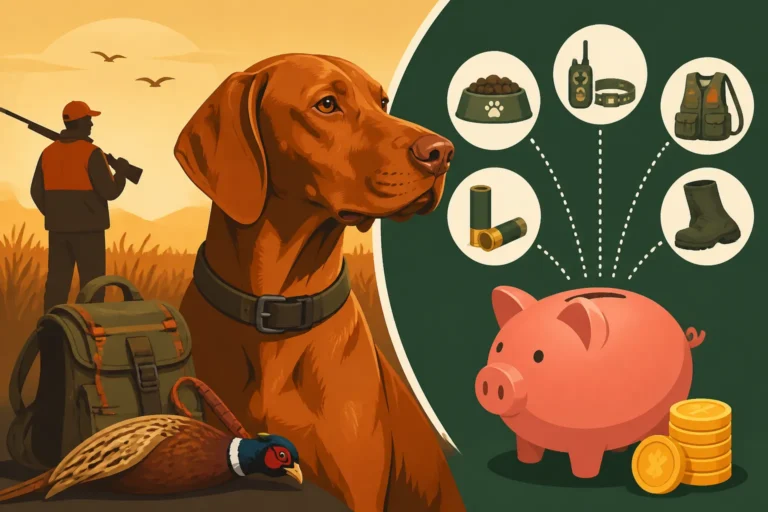
Many aspiring Vizsla owners find themselves scratching their heads when they see the price difference between a Vizsla advertised as a "pet" and one explicitly labeled as "field trial bred." It's not just a matter of a few hundred dollars; we're talking about a significant financial leap, often three times the initial cost. It can feel a bit baffling, like you're being asked to pay for something intangible. But trust me, as someone who's been deep in the Vizsla world for years, there are very real, very tangible reasons behind this disparity. This guide will meticulously unpack the distinct investments, rigorous standards, and extensive commitments that elevate the cost of a field trial Vizsla, helping you understand why these specialized working lines command such a premium price.
Understanding the Core Differences: Field vs. Pet Vizslas
When you look at a Vizsla, whether in a family home or tearing through a field, you see a beautiful, athletic dog. But beneath the surface, the breeding philosophies and subsequent traits for a pet-bred Vizsla versus a field trial Vizsla diverge significantly. It's not just semantics; it’s about generations of selective breeding for very different purposes.
The Divergent Goals of Breeding Programs
Imagine two different blueprints for building a house. One is for a cozy, comfortable family home, while the other is for a high-performance, specialized athletic facility. That’s essentially the difference in breeding goals.
Pet-bred Vizslas: The primary goal for a pet-bred Vizsla is often centered around temperament, basic health, and sometimes adherence to a general breed standard for appearance. These breeders aim to produce happy, well-socialized companions that can integrate seamlessly into a family environment. While health checks are important, they might not be as exhaustive as those for working lines, and the emphasis is less on inherent drive and more on adaptability and a loving disposition. The price point for these puppies reflects the costs associated with responsible breeding, general veterinary care, and early socialization. These dogs might enjoy a good hike or a romp in the park, but their lives aren't defined by an innate need to hunt.
Field-bred Vizslas: For field trial Vizslas, the game changes entirely. Here, the breeding program is singularly focused on performance. This means breeders prioritize intense working drive, exceptional scenting ability, incredible stamina, biddability (trainability), mental toughness, and specific physical attributes that enable sustained effort in demanding conditions. The goal isn't just a happy companion; it's a competitive gun dog, an athlete bred to excel in the field. Every pairing is a strategic decision, looking at the proven field performance of ancestors, not just their pretty faces. These are dogs born with an almost insatiable desire to hunt, and they thrive when given that outlet.
Distinguishing Physical and Temperamental Traits
These differing breeding goals naturally lead to distinctions in the dogs themselves, both physically and temperamentally.
Physicality: If you were to line up a group of pet Vizslas next to a group of field-bred Vizslas, you might notice subtle differences. Field lines often appear leaner, with a more streamlined, athletic build. Their musculature is honed for sustained speed and endurance, and their movement is typically powerful and efficient, built for covering vast amounts of ground. While all Vizslas are athletic, the field-bred ones often have a particular intensity in their conformation, a look that screams "athlete." This contrasts with some show lines, which might be slightly more substantial in bone and body, adhering to a different aesthetic standard.
Temperament: This is where the most significant divergence lies. All Vizslas are known for their "Velcro" nature and high energy, but a field-bred Vizsla takes these traits to another level, channeling them into an almost obsessive desire to work. Their energy isn't just boundless; it's driven. They possess an innate intelligence geared towards problem-solving in a hunting scenario, and a biddability that makes them responsive to handling, albeit often sensitive. While they are still incredibly affectionate companions, their primary satisfaction often comes from working alongside their human. This intense drive, while perfect for the field, can be overwhelming and frustrating for a home that cannot provide adequate physical and mental stimulation. Their "Velcro" attachment is often deeply intertwined with their desire to be partners in the hunt, following their handler's lead across open terrain.
The Breeding Philosophy Behind Field Trial Vizslas
The journey to produce a field trial Vizsla is a deeply committed and often expensive one, rooted in a philosophy that prioritizes proven performance above all else. It's an art and a science, honed over decades.
Decades of Selective Breeding for Performance
For a field trial Vizsla, breeding is far from a casual endeavor. It's a calculated, almost scientific pursuit that requires an intimate understanding of genetics, breed history, and individual dog performance. Reputable field trial breeders aren't just pairing two healthy Vizslas; they're looking at generations of proven field performance. This involves meticulously researching pedigrees, often tracing back many generations, to identify lines known for exceptional hunting instincts, intelligence, and physical soundness. They study health clearances, temperament, and, crucially, how their ancestors performed in actual field trials or hunting situations.
This isn't about guesswork; it's about predicting potential based on a deep genetic pool of proven working dogs. Breeders often travel extensively, attend countless trials, and spend untold hours observing dogs to make informed decisions. Every breeding is a calculated risk, but one taken with the utmost care to produce puppies with superior genetics for the hunt. This depth of genealogical research, strategic pairing, and hands-on assessment represents a huge investment of time, knowledge, and personal expense.
The Investment in Proven Sires and Dams
The foundation of a successful field trial breeding program lies in its breeding stock. These aren't just any Vizslas; they are champions in their own right, dogs that have proven their mettle in rigorous competition.
Top-Tier Sires: The stud fees for top-performing, titled field trial sires can be substantial. These sires have demonstrated exceptional ability in a variety of hunting scenarios, often achieving high-level titles such as Field Champion (FC) or Master Hunter (MH). Their genetic contribution is highly valued because it carries a strong likelihood of passing on desirable working traits. Breeders pay these fees not just for the act of breeding, but for the proven genetic package that comes with it. This investment is crucial for maintaining and enhancing the working qualities of the offspring.
Titled Dams: Equally important is the dam. A responsible field trial breeder invests significantly in the training, campaigning, and care of their breeding females. A dam with her own field titles (e.g., Master Hunter or higher) proves her individual capability and genetic worth. Preparing a female Vizsla to compete at this level involves years of dedicated training, travel to trials, entry fees (which, as discussed in What a Hunt Test Entry Costs for a Vizsla, can add up quickly), and meticulous care to keep her in peak physical condition. The costs associated with maintaining a healthy, top-performing female throughout her breeding years, including specialized nutrition, extensive veterinary care, and careful monitoring during pregnancy and whelping, are considerable. All these efforts are aimed at ensuring that the resulting litter has the best possible genetic foundation for a successful working life.
Health Testing and Genetic Screening: A Non-Negotiable Investment
When you're breeding canine athletes, their health isn't just a concern; it's paramount. A field trial Vizsla needs to be sound, robust, and free from debilitating genetic conditions that could cut short their career or lead to chronic pain. This commitment to health is a significant factor in the higher cost.
Comprehensive Health Clearances for Breeding Stock
Reputable field trial breeders go to extraordinary lengths to ensure the health of their breeding stock. This isn't about basic vet check-ups; it's about rigorous, comprehensive health clearances that are both time-consuming and expensive.
OFA and CERF Certifications: A cornerstone of responsible breeding involves obtaining certifications from organizations like the Orthopedic Foundation for Animals (OFA) and the Companion Animal Eye Registry (CERF), now often managed by OFA Eye. This means X-rays to screen for hip and elbow dysplasia, which can severely impact a dog's ability to run, jump, and work for extended periods. Eyes are examined by a board-certified veterinary ophthalmologist to rule out inherited eye diseases like progressive retinal atrophy or cataracts. These procedures often require sedation and multiple vet visits.
Thyroid Panels and DNA Tests: Beyond orthopedic and eye health, breeders often run full thyroid panels to check for conditions like hypothyroidism, which can affect energy levels and overall well-being. Furthermore, as genetic testing becomes more advanced, breeders utilize DNA tests for breed-specific conditions, even if the Vizsla has relatively few compared to some other breeds. The goal is to identify carriers of certain genes and make informed breeding decisions to reduce the prevalence of these issues in future generations. The cumulative cost of these tests for multiple breeding dogs over several years represents a significant financial investment. As prospective owners, understanding The Health Tests Both Vizsla Parents Should Have is vital for selecting a reputable breeder.
Ensuring Physical Soundness for a Demanding Career
For a dog whose job is to work tirelessly in diverse, often challenging terrain, physical soundness is absolutely non-negotiable. Any inherent weakness or predisposition to injury could spell the end of their working life.
Athlete's Health: A field trial Vizsla isn't just going for walks; it's running for miles over uneven ground, plunging into cold water, and navigating dense cover. This level of activity puts immense strain on their joints, muscles, and overall system. Therefore, breeders aren't just aiming for a "healthy enough" dog; they're aiming for a dog built to endure, a robust athlete. They want to minimize the risk of conditions like Hip Dysplasia in a Vizsla or Elbow Dysplasia in a Vizsla that could prematurely end a dog's career and lead to chronic pain and expensive treatments.
Protecting the Investment: The upfront investment in extensive health testing by the breeder serves a dual purpose. Firstly, it ensures the welfare of the dogs being bred. Secondly, it provides an assurance to the puppy buyer. While no breeder can guarantee a dog will never have a health issue, they can significantly stack the odds in your favor against inherited problems. This due diligence on the breeder's part helps protect you from the heartbreaking reality of a dog unable to perform its intended job and the potentially massive veterinary bills that can accompany chronic illness or severe orthopedic problems. This is precisely why it's crucial to understand Whether an Untested Vizsla Litter Is Worth Buying before making a commitment.
Early Socialization and Foundation Training Costs
The journey of a field trial Vizsla begins long before they ever set foot in a hunting blind. The meticulous care and targeted training they receive from a young age are foundational to their success and contribute significantly to their higher initial cost.
Immersive Early Puppy Rearing
Unlike many pet puppies, field trial prospects receive an incredibly immersive and intentional early rearing experience designed to build a strong foundation for their demanding future.
Early Neurological Stimulation (ENS): Many reputable field breeders implement ENS protocols, such as the "Puppy Culture" program, which involve brief, gentle exercises performed on puppies from day 3 to day 16. These exercises are believed to improve cardiovascular performance, strengthen heartbeats, improve stress tolerance, and enhance resistance to disease. This isn't just about cuddling; it's about scientifically backed methods to create more resilient, adaptable dogs.
Targeted Socialization and Desensitization: Beyond ENS, these puppies are exposed to a carefully curated environment. This includes a wide variety of sounds (including distant gunfire or cap gun sounds, slowly introduced and paired with positive experiences), textures, surfaces, people, and other animals. The goal is to desensitize them to potential stressors they will encounter in the field, such as loud noises, unfamiliar environments, and different types of cover, building confidence and reducing the likelihood of fear-based reactions later on. This intensive early rearing demands constant supervision, a dedicated facility, and a huge investment of the breeder's time and resources.
Initial Bird Exposure and Drive Assessment
Before a field trial Vizsla puppy even leaves the breeder's home, they've often had their first taste of what they were born to do. This early exposure is critical for assessing and nurturing their innate hunting drive.
Live Bird Introductions: Reputable field breeders typically introduce puppies to bird wings or even live birds (such as pigeons or quail) in a controlled, positive environment. This isn't about training; it's about observing and encouraging their natural instincts. Breeders look for puppies that show intense curiosity, a strong natural point, and an eagerness to chase or mouth the birds. This helps confirm the genetic potential of the litter and allows the breeder to gauge individual drive levels. The cost of acquiring and maintaining these birds is an additional expense for the breeder.
Drive Assessment and Matching: This early assessment helps the breeder match the right puppy with the right home. A puppy with extremely high drive might be destined for a serious competitive home, while one with slightly less intensity might still be an excellent hunting companion for a weekend warrior. This careful matching process ensures that the puppy's inherent needs align with the buyer's lifestyle and goals. This initial foundation means that when the puppy goes to its new home, it already has a spark, an understanding of birds, which can significantly streamline future training efforts and potentially reduce What a Professional Trainer Charges for a Vizsla down the line, as less remedial work is needed.
Ongoing Training, Competition, and Titling Expenses
Purchasing a field trial Vizsla puppy is merely the first step. The true investment, both in time and money, unfolds over years of dedicated training and competitive events. This commitment to developing a finished gun dog is a major component of the overall cost.
The Path to Becoming a Finished Gun Dog
Transforming a promising field trial puppy into a polished, competent gun dog is a complex, multi-stage process that requires expert guidance and consistent effort.
Professional Training: Many owners of field trial Vizslas opt to send their dogs to professional gun dog trainers. These trainers specialize in working with pointing breeds, developing their natural instincts into reliable, consistent behaviors in the field. This specialized training goes far beyond basic obedience. It includes advanced obedience cues, "force fetch" training (teaching a dog to retrieve on command), steadiness to wing and shot (remaining still when a bird is flushed and a gun is fired), quartering a field efficiently, and handling complex retrieves. The cost for such professional training can easily run into thousands of dollars over several months or even years, often involving board-and-train programs.
Equipment and Resources: Beyond the trainer's fees, there are significant costs for training equipment and resources. This includes various types of birds (pigeons, quail, chukars) for practice, electronic training collars, bird launchers, dummy launchers, check cords, whistles, and specialized dog boxes for transport. Access to suitable training grounds, sometimes requiring memberships or rental fees, is also essential. This continuous investment ensures the dog is constantly learning and refining its skills.
The Costs of Field Trials and Hunt Tests
Proving a field trial Vizsla's worth and earning titles means competing in numerous field trials and hunt tests, which comes with its own substantial price tag.
Entry Fees and Travel: Every entry into a field trial or hunt test comes with a fee, typically ranging from $50 to $100 or more per test. A dog might need to compete in multiple tests over several weekends to earn a single title. Furthermore, these events are often held in rural areas, requiring significant travel. This means considerable expenses for fuel, lodging, and meals for both the handler and the dog. What a Field Trial Weekend Costs a Vizsla Owner can quickly accumulate, especially when factoring in multiple dogs or events in distant locations.
Time Commitment: Beyond the financial outlay, the time commitment for competing is immense. Owners and handlers often dedicate entire weekends, sometimes even full weeks, to travel to and participate in these events. This means taking time off work and sacrificing personal time, all in pursuit of titles that validate the dog's training and genetic potential. Titles like Junior Hunter (JH), Senior Hunter (SH), Master Hunter (MH), Field Champion (FC), and Grand Field Champion (GFC) are earned through consistent, high-level performance and are a testament to the dedication of both dog and owner. These competitions are not just for fun; they are a vital part of the field breeding world, demonstrating the success of the breeding program and the quality of the individual dog.
The Reality of Raising and Campaigning a Field Trial Vizsla
Owning and campaigning a field trial Vizsla is a lifestyle, not just a hobby. It demands specialized care, a tailored diet, and a commitment of time and energy that goes far beyond what a typical pet owner might expect.
Specialized Care and Nutrition for Canine Athletes
A field trial Vizsla is an elite athlete, and their daily care reflects this high-performance status. Their physical demands necessitate a comprehensive and specialized approach to nutrition and veterinary attention.
High-Performance Diet: These dogs burn an astonishing number of calories. Their diet isn't just about sustenance; it's about fuel for peak performance and recovery. They require high-quality, calorie-dense foods specifically formulated for active working dogs. Many owners carefully research and select premium brands, often opting for specialized performance kibbles available from retailers like Chewy, or even exploring fresh food diets from providers such as Ollie. This nutritional precision ensures they maintain optimal weight, muscle mass, and energy levels throughout intense training and hunting seasons. The cost of these specialized diets can be significantly higher than standard dog food.
Vigilant Veterinary Care: Regular veterinary care is absolutely paramount. This includes routine check-ups, proactive preventative care (vaccinations, parasite control), and immediate attention to any injuries sustained in the field. Vizslas, with their thin skin and energetic nature, are prone to cuts, scrapes, sprains, and other working injuries that require prompt medical attention. Owners must be constantly vigilant for signs of lameness or discomfort. Due to their intense activity, conditions like Cruciate Tears in a Working Vizsla are a real concern, and early diagnosis and treatment are critical for their long-term health and career. This level of medical attention naturally adds to the ongoing cost.
Time, Dedication, and Lifestyle Adjustments
A field trial Vizsla integrates completely into your life, often dictating schedules and activities due to their intense needs. This is not a dog you can leave in the backyard for hours.
Rigorous Daily Exercise: The exercise requirements for a field trial Vizsla are substantial. We're not talking about a leisurely stroll around the block. These dogs need daily, vigorous physical activity that allows them to run, explore, and expend their immense energy. This often means two to three hours or more of intense exercise, such as running alongside a bicycle, swimming, or dedicated field work. Simply put, The Two Hours a Vizsla Needs Before It Will Settle for a pet Vizsla is often a bare minimum for a field dog, which truly thrives on even more. Without sufficient physical and mental outlets, their intelligence and drive can manifest as destructive behaviors, chewing, or incessant whining.
Constant Training and Engagement: Their high intelligence and biddability mean they crave a "job" and consistent engagement. Training isn't something that stops once they've learned basic commands; it's an ongoing process of refinement and challenge. This dedication extends beyond formal training sessions, incorporating mental stimulation into daily life to keep their sharp minds occupied. The owner's lifestyle often revolves around accommodating these needs, from early morning training sessions to weekend trips to the field. It truly becomes a partnership where the dog's well-being and performance are central to the owner's daily routine.
The Value Proposition: Why the Price Tag is Justified
After considering all the investments, the question remains: is the higher price tag for a field trial Vizsla truly justified? For the right owner, the answer is a resounding yes. It's an investment in unparalleled quality, performance, and a deeply rewarding partnership.
Unparalleled Instincts and Work Ethic
For the serious bird hunter, competitive field trialer, or anyone who truly appreciates the artistry of a working dog, the value derived from a field trial Vizsla is immense.
Innate Talent: When you purchase a field-bred Vizsla, you are buying into decades of meticulous selective breeding for highly refined hunting instincts. This means a dog that will naturally point with intensity, retrieve eagerly and softly, and intelligently quarter a field. These are not traits that need to be "trained in" from scratch; they are inherent, a part of their genetic makeup. While training is always essential to polish these skills, the foundational drive and capability are already present, making the training process more efficient and ultimately more successful.
A True Hunting Partner: A well-bred and properly trained field trial Vizsla transforms the hunting experience. They are more than just a dog that helps you find birds; they are a true partner, an extension of your will in the field, capable of performing at an elite level. Their dedication, stamina, and instinct create a symbiotic relationship that is incredibly rewarding. This high level of performance is what makes the initial investment worthwhile for those who live and breathe bird hunting or field competition.
Reduced Risk and Long-Term Satisfaction
Beyond immediate performance, the upfront investment in a field trial Vizsla also brings significant long-term benefits in terms of health assurance and overall ownership satisfaction.
Minimizing Health Risks: While no breeder can guarantee a lifetime free of health issues, the extensive health testing undertaken by reputable field trial breeders significantly reduces the risk of inherited diseases. This proactive approach means you're starting with a dog whose parents have been screened for common orthopedic and genetic conditions. This diligence can potentially save you thousands of dollars in veterinary bills down the line for treatable but costly chronic conditions. Even with the best breeding, unexpected health issues can arise, which is why pet insurance from providers like Healthy Paws is always a smart consideration, but starting with a genetically sound dog is always the best foundation.
A Lifetime of Fulfillment: The combined investment from the breeder in selective breeding and early rearing, and your ongoing commitment to specialized training and care, culminates in a highly capable, well-adjusted, and profoundly intelligent working companion. This dog is not just a pet; it is a finely tuned athlete and a dedicated partner. The satisfaction derived from watching your Vizsla perform flawlessly in the field, displaying the culmination of generations of breeding and years of dedicated training, is immeasurable. For those whose passion lies in the field, this fulfillment far outweighs the initial financial outlay, validating every dollar spent.
Making an Informed Decision: Is a Field Trial Vizsla Right for You?
The appeal of a field trial Vizsla is undeniable—their athleticism, intelligence, and intense drive are captivating. However, it's crucial to look beyond the allure and honestly assess if this specialized dog truly fits your lifestyle and aspirations.
Assessing Your Lifestyle and Goals
Before you even start looking at puppies, take a long, honest look at your current life and future plans. This self-assessment is critical for the well-being of both you and your potential Vizsla.
Time and Energy Commitment: Can you genuinely commit to providing 2-3+ hours of rigorous, stimulating exercise daily? This isn't just about walks; it's about running, swimming, field work, or other high-intensity activities. Do you have the time and dedication for ongoing, specialized training, potentially with a professional trainer? If you work long hours away from home and are looking for a dog that will be content with a quick walk and then snooze on the sofa, a field trial Vizsla is likely not the right fit. Their boundless energy and intelligence, if left unchanneled, can quickly lead to destructive behaviors and a frustrated dog.
Hunting or Competition Focus: Are you a serious bird hunter, or do you aspire to compete in field trials or hunt tests? If so, a field trial Vizsla's inherent drive and genetic predispositions will be a tremendous asset. However, if your primary goal is a family pet for casual companionship, a pet-bred Vizsla, with a potentially lower initial cost and often a slightly less intense drive, might be a far more suitable and happier match for your household. Many reputable field breeders include clauses in their contracts about Whether a Vizsla Breeder Requires a Hunting Home precisely because they want their puppies to thrive in an environment where their natural talents are appreciated and utilized.
Researching Reputable Breeders and Avoiding Pitfalls
Once you've determined that a field trial Vizsla might be right for you, the next crucial step is to find a truly reputable breeder. This decision is as important as the initial lifestyle assessment.
Due Diligence is Key: Always seek out breeders who are deeply involved and actively competing in field trials. They should be transparent about their breeding philosophy, their dogs' pedigrees (with verifiable titles), and, most importantly, their comprehensive health testing protocols. Don't be afraid to ask for copies of OFA certifications, CERF reports, and any genetic test results for both parents. Ask for references from previous puppy buyers and, if at all possible, visit their facility to see the conditions the puppies are raised in and meet the parent dogs.
Red Flags to Watch For: Be extremely wary of breeders who offer "field-bred" puppies at suspiciously low prices, cannot provide verifiable health clearances for their breeding stock, or are unwilling to discuss their dogs' working pedigrees in detail. Likewise, if a breeder seems more interested in getting a deposit than in thoroughly vetting you as a potential owner, consider it a major red flag. These shortcuts often lead to significant problems and expenses down the line, both in terms of temperament issues and inherited health conditions. Remember, the upfront cost of a well-bred field trial Vizsla is a reflection of the immense effort, expertise, and investment that goes into producing a truly exceptional working dog. Investing wisely at the beginning can save you heartache and significant financial strain in the long run.
Disclaimer
Please be aware that the information provided in this article is for general educational and informational purposes only, and does not constitute professional veterinary advice. Always consult with a qualified veterinarian or animal health professional for any concerns about your Vizsla's health, training, or specific needs. Costs mentioned are estimates and can vary widely based on location, individual circumstances, and market fluctuations.