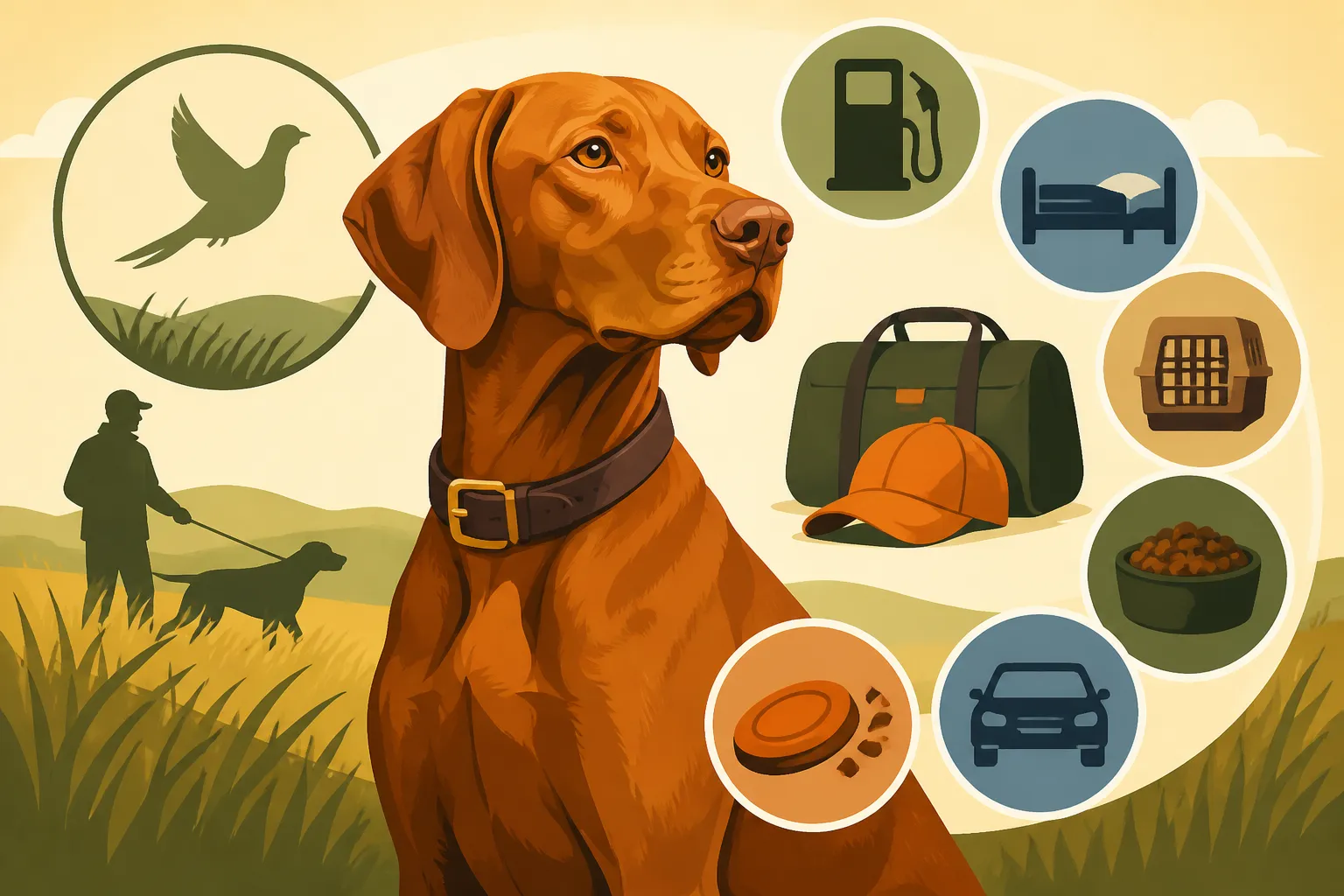
What a Field Trial Weekend Costs a Vizsla Owner
You've been dreaming of seeing your magnificent Vizsla perform flawlessly in a field trial, perhaps even earning that coveted ribbon. The images in your mind are of a dog focused, driven, and graceful in the field, making you swell with pride. But then reality sets in: getting to that perfect moment isn't just about training and talent; it comes with a price tag, and understanding what a field trial weekend truly costs a Vizsla owner can feel like trying to hit a moving target. This guide will meticulously break down the various expenses involved, from entry fees to unexpected outlays, so you can budget realistically for your competitive aspirations.
The Foundation: Memberships and Entry Fees
Before your Vizsla even steps paw onto the trial grounds, there are foundational costs that must be covered. These aren't just one-off payments; they represent your commitment to the sport and the organizations that make it possible. It’s easy to overlook these initial expenses when you're caught up in the excitement of competition, but they form a significant part of the overall picture.
Club Memberships and Affiliations
Participating in recognized field trials often requires you to be a member of specific clubs or organizations. For a Vizsla owner, this typically means joining a national breed club, like the Vizsla Club of America, and local or regional field trial clubs. These memberships are essential not just for entry privileges but also for supporting the sport itself and connecting with a community of like-minded enthusiasts. You might find that some trials offer a slight discount on entry fees for members, making the annual membership a worthwhile investment in the long run.
Beyond the national and local clubs, you might also consider organizations like the American Kennel Club (AKC) if their trials are your goal, or the North American Versatile Hunting Dog Association (NAVHDA) if you're exploring the full spectrum of a Vizsla's abilities in their testing programs. Each organization has its own fee structure, and it’s not uncommon for dedicated competitors to hold multiple memberships. This ensures they have access to a wider range of competitive opportunities and can keep up with the latest rules and regulations in the various disciplines.
Trial Entry Costs
The actual entry fee for a field trial is often the most direct cost that comes to mind. These fees can vary significantly based on the type of trial, the prestige of the event, and even the region. A typical entry might cover the cost of birds, judges, and administrative expenses, but it’s rarely a flat rate across the board. You might pay more for a two-day stake than for a single-day event, or for a championship trial versus a local club trial.
It’s also important to consider that many trials have strict deadlines, and sometimes you're paying weeks or even months in advance. Life happens, and if your Vizsla comes up lame or you have a last-minute conflict, that entry fee might not be refundable. This means you’re taking a calculated risk with each entry. For insights into related costs, you might explore "What a Hunt Test Entry Costs for a Vizsla," which provides a similar breakdown for another popular competitive avenue. You might also find yourself entering multiple stakes or classes within a single weekend, which quickly multiplies this expense.
Journey to the Field: Travel and Accommodation
Field trials are rarely held in your backyard. The pursuit of competition often means traveling to remote locations, vast expanses of land perfectly suited for working dogs, but not always convenient for human amenities. This travel component can quickly become one of the most substantial parts of your weekend budget.
Fuel and Vehicle Expenses
Driving to a field trial can mean covering hundreds, sometimes thousands, of miles. Fuel costs add up rapidly, especially when you factor in the size of your vehicle, the weight of your gear, and how far off the beaten path the trial grounds often are. Don't forget to account for the wear and tear on your vehicle as well. Long drives, sometimes over unpaved or rough terrain, put stress on tires, brakes, and engine components.
You’re not just carrying yourself; you’re transporting your Vizsla, its crate, bags of food, water, hunting gear, and perhaps even live birds for training if you're stopping along the way. All this adds weight, which impacts fuel efficiency. Planning your route to minimize detours and staying on top of vehicle maintenance can help, but the reality is, getting to and from these events requires a significant commitment in terms of mileage and vehicle upkeep.
Lodging and Meals
Finding dog-friendly accommodation near trial sites can be a challenge. You might be staying in a small motel in a town miles away, or perhaps camping at the trial grounds if facilities allow. The cost of a hotel room can range from budget-friendly to surprisingly expensive, especially if options are limited. Remember that many dog-friendly establishments charge an additional pet fee, which can add to your nightly rate.
Beyond a place to sleep, you’ll need to feed yourself. While some trials might offer communal meals, you’ll typically be responsible for your own breakfast, lunch, and dinner. This could mean packing coolers with food for quick preparation, or dining at local restaurants, which can significantly increase your daily expenditure. Trying to save money by opting for less expensive food options or packing your own meals can make a big difference over a multi-day event.
Supporting Your Athlete: Dog-Specific Costs
Your Vizsla is the star of the show, and ensuring they are in top condition, both physically and mentally, involves its own set of expenses during a trial weekend. These aren’t just about the competition itself, but about maintaining your dog's health and performance.
Specialized Food and Supplements
A working Vizsla on a field trial weekend isn't eating its usual couch potato rations. These dogs are expending immense energy, running for extended periods, and need appropriate nutrition to sustain their performance and aid recovery. You might find yourself stocking up on specific high-energy kibble from retailers like Chewy, or opting for specialized supplements to support joint health and muscle recovery. Some owners even opt for fresh-food subscriptions like Ollie to ensure peak performance and fast recuperation from demanding days.
It's not just about the type of food; it's about the quantity. A dog burning thousands of calories in a day will need more food than one resting at home. You’ll also want to bring plenty of water, and perhaps even electrolytes or portable water dishes to keep your Vizsla hydrated during and between braces. Overlooking these nutritional needs can impact your dog's ability to perform, making these investments crucial for success. For more on what it takes to fuel your dog, check out "What a High Fat Season Food Costs a Vizsla Owner" and "How Much Food a Working Vizsla Eats Monthly".
On-Site Veterinary Care and Emergency Preparedness
While you hope for a perfectly smooth weekend, the reality of field trials is that accidents can happen. Your Vizsla is running at high speeds over varied terrain, through cover that can hide thorns, burrs, or sharp objects. Having a robust first-aid kit specific to hunting dogs is non-negotiable, but sometimes injuries require professional attention. Whether it's a deep cut, a torn pad, or something more serious, on-site or nearby veterinary care might be necessary.
It's wise to research local veterinary clinics near the trial grounds, noting their emergency hours and contact information before you even leave home. These unexpected vet visits can be costly, especially if they occur after hours. Many dedicated owners consider pet insurance from providers like Healthy Paws to help mitigate the financial impact of such emergencies. The peace of mind knowing you can provide the best care without immediate financial strain is invaluable. Understanding "What a Vizsla's Emergency Field Injury Costs" can give you a clearer picture of potential expenses.
Essential Gear: Equipment and Supplies
Field trials require more than just a dog and some birds. There's a whole array of specialized equipment designed to ensure safety, tracking, and comfort for both you and your Vizsla. These items represent significant upfront investments but are indispensable for participation.
GPS Collars and Tracking Systems
In sprawling fields and dense cover, a Vizsla can range quite far, making a reliable GPS collar and tracking system an absolute necessity. These devices allow you to monitor your dog's location, ensuring their safety and helping you understand their patterns in the field. Brands like Garmin are very popular among serious field competitors, offering robust tracking with features like geo-fencing and real-time updates. The cost of a quality GPS collar can be substantial, but it’s a non-negotiable item for many.
Beyond the initial purchase, some systems require subscription fees for mapping or advanced features. This ongoing cost needs to be factored into your budget. Losing track of your dog in a vast field trial environment isn't just a concern for performance; it's a serious safety issue. Investing in reliable technology here isn't a luxury; it's a critical piece of your field trial kit. For more details, see "What a GPS Collar Costs for a Vizsla."
Crates, Kennels, and Field Vests
Safe and comfortable transport for your Vizsla is paramount. This means investing in a high-quality, sturdy crate or a specialized truck kennel box. These are designed to keep your dog secure during travel and provide a safe space for them to rest and recover between braces at the trial. A good quality kennel can withstand the rigors of travel and protect your dog in case of an accident.
For yourself, a durable field vest is essential. It allows you to carry water, bird bags, blank ammunition, and other essentials, keeping your hands free. Other gear might include blaze orange vests for visibility, especially if hunting is involved, and appropriate footwear for walking miles over varied terrain. These are not just comfort items; they are practical tools that enhance safety and efficiency during the trial. You might also want to look into "What a Truck Kennel Box Costs a Vizsla Owner" for specific budgeting on these larger items.
The Cost of Excellence: Training and Preparation
The field trial weekend itself might be the culmination, but the bulk of the financial investment often lies in the extensive training and preparation that leads up to it. Success in trials is rarely accidental; it's the result of countless hours and significant resources dedicated to honing your Vizsla's natural abilities.
Professional Gun Dog Training
While many owners train their own Vizslas, reaching a competitive level in field trials often involves the expertise of a professional gun dog trainer. These trainers have years of experience, access to appropriate training grounds, and the knowledge to refine specific skills like pointing, retrieving to hand, and honoring other dogs. Their fees can be significant, often charged by the month for board and train programs, or by the session for specific work.
The cost of a professional trainer is an investment in your Vizsla's potential. They can identify and address issues that amateur trainers might miss, and accelerate the learning process. Many successful trial dogs spend months, if not years, under the guidance of a professional. If you're serious about competing, this is often a necessary expenditure. You can learn more about these costs by reading "What a Professional Trainer Charges for a Vizsla."
Birds, Training Grounds, and Equipment
Training a pointing breed like a Vizsla requires exposure to birds. This means purchasing pigeons, quail, or chukars for practice sessions. The cost of these birds, especially if you're using them regularly, adds up quickly. You also need access to suitable training grounds – open fields with appropriate cover – which might involve fees for private land access or club memberships.
Specialized training equipment, like bird launchers, check cords, and blank pistols, are also essential. A bird launcher allows you to control the bird's flight, simulating real hunting scenarios and reinforcing your Vizsla's point. A blank pistol helps accustom your dog to gunshots in a controlled environment, preventing gun shyness. These tools, while an initial outlay, are vital for effective preparation. If you're considering expanding your training toolkit, "What a Bird Launcher Costs a Vizsla Owner" provides a helpful breakdown.
The Unseen Price: Hidden and Unexpected Costs
Beyond the tangible expenses, there are often subtle, hidden costs that can impact your overall budget for a field trial weekend. These might not appear on a receipt but are very real drains on your resources.
Time Off Work and Lost Income
Attending a field trial, especially one that spans an entire weekend and involves travel, usually means taking time off from your job. For some, this might mean using vacation days, but for others, it could translate directly into lost income. The value of your time is a real cost, and it's easy to overlook when you're focused on the excitement of the competition.
Consider the cumulative effect of these weekends. If you participate in several trials throughout the season, the amount of time away from work can be substantial. For many, the passion for the sport outweighs this cost, but it's important to be realistic about the trade-offs. This also ties into the investment of time in training, which, while not a direct financial outlay, represents a significant personal commitment.
Wear and Tear on Equipment and Vehicle
As mentioned with fuel, the wear and tear on your vehicle isn't just about gas. Long drives on various road conditions can lead to increased maintenance costs, from oil changes to tire rotations, and even more significant repairs over time. Your specialized field equipment also experiences wear and tear. Collars get scuffed, leashes fray, and vests endure exposure to the elements.
This means you'll eventually face replacement costs for these items. While a good quality GPS collar or truck kennel is built to last, they aren't immortal. Budgeting for eventual replacements or repairs on your key pieces of gear is a smart financial move. It's a continuous cycle of use, maintenance, and eventual replacement that contributes to the ongoing cost of being a dedicated Vizsla field trial enthusiast.
Understanding the Financial Landscape of a Field Trial Weekend
Let’s put some of these categories into perspective with a hypothetical weekend summary. Remember, actual costs vary widely based on location, choices, and specific trial requirements. This table is a general guide to help you visualize the various budget items.
| Cost Category | Typical Items Included | Estimated Weekend Cost (Hypothetical) |
|---|---|---|
| Pre-Trial Memberships | National Vizsla Club, Local Field Trial Club, AKC | $50 – $150 (Annual, prorated) |
| Trial Entry Fees | Per dog, per stake (e.g., Puppy, Derby, Open All-Age) | $75 – $200 per stake |
| Travel Expenses | Fuel, tolls, vehicle maintenance allowance | $100 – $400 (depending on distance) |
| Accommodation | Dog-friendly motel/hotel (2 nights) or camping fees | $150 – $400 |
| Meals | Food for owner (2 days), snacks, drinks | $100 – $250 |
| Dog Supplies | Extra high-performance food, water, supplements | $30 – $70 |
| On-Site Emergencies | First-aid supplies, contingency for vet visit | $20 – $50 (preparedness) |
| Equipment Maintenance | Batteries for GPS, cleaning supplies | $10 – $30 |
| Lost Income/Opportunity | Value of time taken off work | Variable |
| Total Estimated Weekend Cost | $535 – $1550+ |
This table illustrates that even for a single weekend, the expenses can quickly accumulate. It doesn't even include the significant upfront costs of professional training, buying birds, or specialized equipment that you would have already invested in long before the trial day. For a broader view of the long-term financial commitment, consider exploring "What a Vizsla Costs a Year to Keep" or "What Thirteen Years With a Vizsla Comes To."
Maximizing Your Investment and Mitigating Costs
While field trials are certainly an investment, there are ways to manage expenses and make the most of your commitment. It's about being strategic and proactive in your planning.
Strategic Planning and Carpooling
One of the simplest ways to cut down on travel and accommodation costs is to plan your trial season strategically. Look for clusters of trials in a particular region, or events that are within a reasonable driving distance. Carpooling with fellow Vizsla owners can significantly reduce fuel costs and make the journey more enjoyable. Sharing dog-friendly accommodation can also split lodging expenses.
Booking accommodation in advance, especially during peak trial season, can often secure better rates and ensure you have a suitable place to stay. Packing your own meals and snacks, rather than relying on restaurants or convenience stores, is another easy way to trim expenses on a multi-day trip. Every little bit saved adds up, leaving more budget for entry fees or unexpected costs.
Leveraging Training Investments
Your training expenses, particularly if you've invested in professional guidance, should be seen as a long-term asset. The skills your Vizsla gains aren't just for one trial; they carry over to many. Regularly exercising and conditioning your Vizsla at home helps maintain their fitness, reducing the need for intensive last-minute conditioning. Furthermore, if you take advantage of local club training days, you can benefit from shared resources and experienced mentors without the full cost of a professional trainer.
Think about the versatility of your Vizsla. A well-trained dog excels not just in field trials but also in hunt tests, agility, or even as a hiking companion. Your investment in training builds a strong foundation that can be applied to various activities, making your Vizsla a truly versatile partner. You might find "Whether a Vizsla Can Earn Five Championship Titles" inspiring for the diverse avenues of achievement possible with a well-trained Vizsla.
Financial Preparedness for the Unexpected
Even with the best planning, unforeseen circumstances can arise. Your Vizsla could get a minor injury, your car could have a flat tire, or you might need an extra night of lodging due to an unforeseen delay. Having an emergency fund specifically for these types of situations can prevent a stressful weekend from becoming a financial disaster. This could be a separate savings account or simply a credit card reserved for emergencies.
As mentioned earlier, pet insurance from providers like Healthy Paws can be a valuable tool for managing unexpected veterinary costs. Reviewing policies to understand coverage for accidental injuries, especially those that might occur in the field, is crucial. While it adds a monthly premium, it can save you thousands in the event of a serious injury. Being prepared for the unexpected is simply part of being a responsible Vizsla owner and competitor.
Disclaimer
This article is for general informational purposes only and does not constitute professional advice. Laws, prices and regulations vary by location and change over time. Consult a qualified professional for guidance on your specific situation.