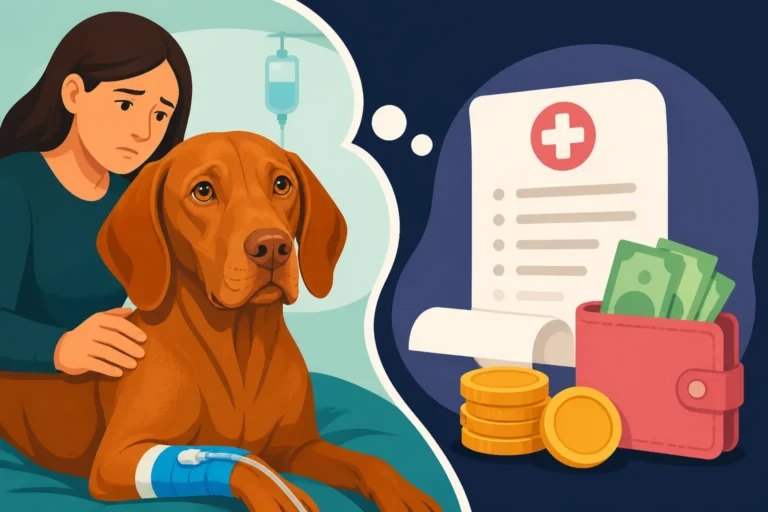
Whether a Vizsla Breeder Makes Money
It's a common thought, isn't it? You look at the price tag on a well-bred Vizsla puppy, often in the thousands, and think, "Wow, those breeders must be rolling in money!" But the reality for ethical, responsible Vizsla breeders is often a stark contrast to this perception. This guide will peel back the curtain and show you exactly why making a significant profit from breeding Vizslas is incredibly rare, if not impossible, once all the hidden costs, time, and dedication are factored in.
The Illusion of Profit: Why Breeding Isn't a Get-Rich-Quick Scheme
When people consider dog breeding, especially with a desirable breed like the Vizsla, they often see only the final number—the price of a puppy—and assume it's pure profit. This couldn't be further from the truth. Responsible breeding is a passion project, a dedication to the preservation and improvement of the breed, not a lucrative business venture. The financial outlay and constant demands far outweigh the occasional income from a litter.
The 'Puppy Price' Deception
Let's talk about that hefty price tag you see on a Vizsla puppy. It’s easy to look at, say, a $3,000 puppy and multiply it by a litter of eight, imagining a sudden influx of $24,000. But that money doesn't just materialize in the breeder's bank account for personal spending. It's earmarked, often before it's even received, to cover the immense expenses incurred long before those puppies ever arrive, and well after they've gone to their new homes. The initial investment in acquiring the breeding dogs themselves, ensuring they are top-quality, health-tested, and titled individuals, is staggering. These aren't just any Vizslas; they are carefully selected specimens that represent the best of the breed's health, temperament, and working ability. This often means paying a premium price for the breeding stock, and then spending years and thousands more proving their worth through various competitions.
A significant portion of a puppy's price simply covers the cost of creating that puppy responsibly. Imagine buying a high-end car: the sticker price includes the manufacturing, research, materials, labor, and marketing. It's not all profit for the dealership. Similarly, the puppy price covers the "manufacturing" costs—the extensive health screenings, the stud fees, the vet care for the dam, the top-quality food, and all the supplies needed for a healthy litter. Many hopeful puppy buyers don't realize that a portion of their payment is essentially reimbursing the breeder for years of investment in the parent dogs. If you're wondering what a new Vizsla puppy costs, you might find some perspective in understanding What a Pet Bred Vizsla Puppy Costs versus a performance-bred one.
Time, Effort, and Emotional Investment
Beyond the financial costs, there’s an invisible, yet immense, currency spent by dedicated breeders: their time, effort, and emotional well-being. This is an investment that cannot be quantified in monetary terms, but it is perhaps the most significant. From the moment a potential breeding pair is considered, years of research go into pedigrees, health clearances, and temperament evaluations. Finding the right stud dog often involves extensive travel, communication with other breeders, and complex logistics. This isn't a quick internet search; it's a deep dive into genetics and conformation.
Once breeding occurs, the breeder’s life often revolves entirely around the pregnant dam, then the newborn puppies. Whelping a litter is an around-the-clock commitment, often requiring sleepless nights to monitor the mother and assist with births. After the puppies arrive, the work intensifies: constant cleaning, feeding, socializing, record-keeping, and addressing any health concerns immediately. This isn't a 9-to-5 job; it's a 24/7 dedication for at least eight to ten weeks. Then comes the arduous process of screening potential homes, which involves countless phone calls, emails, interviews, and home visits to ensure each precious puppy goes to the best possible family. The emotional toll of making these decisions, the worry over each puppy's welfare, and the eventual bittersweet goodbyes are immense. This personal investment is something a "for-profit" operation simply cannot replicate.
The Significant Costs Before Conception
Before a single puppy is even conceived, a responsible Vizsla breeder has already invested a substantial amount of money. These aren't optional expenses; they are critical for maintaining the health, temperament, and integrity of the breed. Ignoring these steps is a hallmark of irresponsible, often "backyard," breeders who are indeed trying to turn a quick profit at the expense of the dogs.
Health Testing: A Non-Negotiable Expense
One of the most crucial and expensive pre-breeding steps is comprehensive health testing. Vizslas, like many purebred dogs, are predisposed to certain genetic conditions, and an ethical breeder's primary goal is to minimize the risk of passing these on to future generations. This involves testing both the dam and the stud dog for specific issues before any breeding takes place. You can learn more about this in The Health Tests Both Vizsla Parents Should Have.
These tests typically include X-rays to screen for hip and elbow dysplasia, eye examinations by a board-certified veterinary ophthalmologist, cardiac evaluations, and thyroid panels. Depending on emerging health concerns within the breed, additional genetic tests might also be performed. Each of these tests comes with a significant fee. For example, getting an official hip and elbow scoring through an organization like the Orthopedic Foundation for Animals (OFA) involves vet visits, sedation for X-rays, and submission fees. An eye exam requires a specialist and might need annual retesting. A comprehensive thyroid panel is also a common requirement, as highlighted in Whether a Vizsla Breeder Screens for Thyroid. These costs add up quickly, often running into hundreds or even thousands of dollars per dog, per year, especially if retesting is necessary. These upfront expenditures are a clear indication of a breeder's commitment to producing healthy puppies. It's a fundamental part of What Health Testing Costs a Vizsla Breeder.
Proving the Breeding Stock: Show and Field Titles
Beyond health, a responsible breeder also aims to produce Vizslas that conform to the breed standard in terms of appearance, temperament, and working ability. This means actively participating in dog shows, obedience trials, or, for Vizslas, especially field and hunt tests. Earning titles is not just about bragging rights; it's about objectively proving that a particular dog possesses the desired traits of the breed and contributes positively to its genetic pool.
The journey to earning titles is long, challenging, and incredibly expensive. It involves entry fees for each show or test, travel expenses (fuel, lodging, meals), professional handling or training fees, and the cost of specialized equipment. For a Vizsla, which is a sporting breed, participating in hunt tests is paramount. This can mean countless weekends spent driving to remote locations, training with live birds, and paying for professional guidance. Imagine the dedication and expense involved in chasing The Five Championships a Vizsla Owner Chases. Training a Vizsla to excel in the field can easily involve significant fees for a professional gun dog trainer, as outlined in What a Professional Trainer Charges for a Vizsla, not to mention the cost of birds for training. These efforts are a testament to the breeder's dedication to quality, ensuring that puppies come from proven lines, rather than just any two Vizslas available.
Stud Fees and Breeding Logistics
Once a breeder has selected a healthy, titled female (the dam) and found an equally impressive male (the stud dog), the costs associated with the actual breeding process begin. The stud fee itself is a major expense. This fee is often a significant portion of what a puppy will eventually sell for, sometimes equivalent to the price of one or even two puppies from the litter. Reputable stud dog owners invest just as much, if not more, into their dogs as the dam's owner, so their fees reflect that value.
Beyond the stud fee, there are numerous logistical expenses. To ensure successful conception, the dam often requires progesterone testing to pinpoint the optimal breeding window. This involves multiple vet visits for blood draws, which can quickly add up. If natural breeding isn't feasible or the stud dog is located far away, artificial insemination may be necessary, involving additional veterinary procedures, semen collection, and often, the costly overnight shipping of chilled or frozen semen. All of these steps are meticulously planned and executed to maximize the chances of a healthy pregnancy, and they represent a substantial financial commitment long before there's any certainty of a litter. This critical upfront cost is a major factor in What a Stud Fee Adds to a Vizsla Litter.
The Price Tag of a Vizsla Litter
Even after conception, the expenses for a responsible Vizsla breeder continue to mount. Bringing a litter into the world safely and raising healthy, well-socialized puppies is an intensive, costly endeavor that requires constant vigilance and care.
Whelping and Veterinary Care
Once the breeding is successful, the focus shifts to the health of the pregnant dam and the developing puppies. This period involves more veterinary visits, including ultrasounds to confirm pregnancy and estimate litter size, and sometimes X-rays closer to term to get an accurate puppy count, which can be vital for planning the whelping process. These diagnostic tools help the breeder prepare for any potential complications.
The whelping itself, the act of giving birth, is a critical time. While most Vizslas whelp naturally without major issues, a responsible breeder is always prepared for emergencies. This means having a vet on call, knowing the signs of distress, and understanding that a C-section could be necessary. An emergency C-section, especially outside regular clinic hours, can cost thousands of dollars, completely wiping out any potential "profit" from the litter and then some. Even a smooth whelping requires a significant investment of time, specialized equipment like a whelping box, heating lamps or pads, and countless sterile supplies. The breeder’s constant presence and support during this vulnerable time are invaluable and emotionally draining.
Raising Puppies: Food, Supplies, and Early Care
Once the puppies arrive, the costs truly multiply. The dam needs a high-quality, nutrient-dense diet to support lactation, often consuming two to three times her normal food intake. Many breeders opt for premium brands, or even fresh food options like Ollie, to ensure optimal nutrition for the nursing mother, which can be considerably more expensive than regular kibble. As the puppies grow, they transition to solid food, starting with specialized puppy formulas. This means buying large quantities of high-quality puppy kibble from places like Chewy, along with any necessary supplements.
Beyond food, puppies require a constant stream of supplies. This includes a dedicated whelping area, clean bedding changed multiple times a day, specialized feeders, toys for enrichment, and countless cleaning supplies to maintain a hygienic environment. Early veterinary care for the puppies is non-negotiable: multiple deworming treatments, their first rounds of vaccinations, and microchipping are standard practice for ethical breeders. Each puppy will receive a thorough health check-up from a veterinarian before going to their new home. These costs quickly add up, easily reaching into the thousands for a healthy litter, making What Raising a Vizsla Litter Costs a significant line item on the breeder's ledger.
Marketing and Placement
Finding appropriate homes for Vizsla puppies isn't just about selling them; it's about carefully placing them with families who understand the breed's unique needs and are committed to providing a lifelong, loving environment. While some reputable breeders might not need extensive "marketing" due to their strong reputation and waiting lists, the process of placement is still time-consuming and involved.
This often includes maintaining a website, responding to countless inquiries, conducting thorough interviews (often multiple times) with potential buyers, checking references, and educating new owners about the breed. Many ethical breeders use detailed contracts that outline responsibilities for both the breeder and the buyer, sometimes requiring things like future health testing or stipulations about spaying/neutering. Some contracts even include a "take-back" clause, ensuring the dog always has a home with the breeder if the owner can no longer keep it. This process ensures that each puppy goes to a home that is truly ready for a Vizsla, whether that's a dedicated hunting family or an active companion home, as a good breeder understands Whether a Vizsla Breeder Requires a Hunting Home. The time spent on this critical screening and education is significant and entirely unpaid.
Ongoing Responsibilities and Unexpected Expenses
The financial and personal commitment of a responsible Vizsla breeder doesn't end when the puppies leave for their new homes. There are often ongoing responsibilities, potential future costs, and always the looming threat of unexpected emergencies that can quickly erase any perceived profit.
Lifetime Support and Take-Back Guarantees
A hallmark of a truly responsible Vizsla breeder is their commitment to their puppies for life. This isn't just a friendly gesture; it's an ethical obligation. Breeders will often provide extensive support to new owners, answering questions about training, health, nutrition (perhaps suggesting premium food brands like Ollie), and behavior for years to come. This means being available for phone calls, emails, and advice whenever an owner needs it, which consumes a considerable amount of the breeder's personal time.
Furthermore, many reputable breeders include a "take-back" clause in their contracts. This legally binding agreement means that if, for any reason, an owner can no longer keep the Vizsla, the dog must be returned to the breeder, not surrendered to a shelter or passed on to an unknown party. While this is excellent for the dogs, it represents a potential future cost and responsibility for the breeder. They may need to absorb the dog back into their home, cover its expenses, and then dedicate more time and effort to rehoming it, all without any additional financial compensation. Understanding Whether a Vizsla Can Be Returned is a key indicator of a responsible breeder's commitment.
Emergency Funds and Contingencies
Even with the best planning and health testing, breeding animals involves living beings, and emergencies can strike without warning. A breeding female might develop mastitis after whelping, requiring urgent veterinary care and medication. Puppies, despite all precautions, can succumb to "fading puppy syndrome" or other illnesses, requiring intensive, round-the-clock vet care that may not save them. These unforeseen circumstances can lead to massive, unexpected veterinary bills that can easily put a breeder deep into the red for a particular litter.
While pet insurance like Healthy Paws is a wonderful tool for individual pets, covering an entire litter for unforeseen complications from birth can be complex and extremely costly, if even available in a comprehensive way. This means breeders must always have an emergency fund ready, or be prepared to absorb potentially devastating costs. The financial risk is substantial, and any "profit" can vanish in an instant due to a single unexpected event. This isn't about profit; it's about being prepared for the worst to protect the lives they've brought into the world.
Breeder Burnout: The Hidden Cost
Perhaps the most significant, yet least talked about, ongoing cost is breeder burnout. The sheer mental, emotional, and physical toll of responsible breeding is immense. The sleepless nights during whelping, the constant worry about the health and development of each puppy, the meticulous care, the endless cleaning, and the emotional investment in finding perfect homes can be utterly exhausting. Breeders often put their own lives on hold for weeks or months at a time, sacrificing personal time, social engagements, and sometimes even their primary income source to care for their dogs.
This level of dedication is not sustainable for many people, which is why many breeders only have a few litters throughout their lives or scale back significantly. The pressure to produce healthy, well-adjusted puppies, the emotional rollercoaster of birth and growth, and the responsibility for so many lives can lead to significant stress and fatigue. There is no hourly wage, no overtime pay, and no holiday bonus for this intense labor. The "profit" is typically the satisfaction of seeing happy, healthy puppies thrive in loving homes and the knowledge that they are contributing positively to the Vizsla breed. This makes the question Whether a Vizsla Breeder Makes Money quite poignant; they rarely do, in a conventional sense.
So, Where Does the Money Go? A Financial Breakdown
To truly understand why a Vizsla breeder rarely "makes money," it helps to visualize where the income from puppy sales is allocated. It's not sitting in a savings account; it's a constant flow of funds in and out, supporting the entire breeding operation.
Breaking Down the Typical Puppy Price
Let's imagine a hypothetical scenario for a litter of 8 Vizsla puppies, each selling for $2,500. That's a gross income of $20,000. Now, let's look at how that might be distributed, keeping in mind these are estimates and can vary wildly.
| Cost Category | Estimated Share of Gross Income (example) | Description |
|---|---|---|
| Initial Investment (Parents) | 20% – 30% | Cost to acquire high-quality breeding stock; expenses for showing, titling, and proving the parent dogs over several years. |
| Health Testing (Parents) | 10% – 15% | Hip/elbow X-rays, eye certifications, cardiac exams, thyroid panels, genetic tests (per dog, per year, often for multiple years). |
| Stud Fee / Breeding Logistics | 15% – 20% | Payment to the stud dog owner, progesterone testing, vet visits for breeding, potential shipping of semen or travel costs. |
| Prenatal & Whelping Vet Care | 10% – 15% | Ultrasounds, X-rays, emergency fund for potential C-section or complications, general vet check-ups for the dam. |
| Puppy Food & Supplies | 5% – 10% | High-quality kibble for dam and puppies (from stores like Chewy), supplements, bedding, whelping box, heating lamps, cleaning supplies, toys. |
| Puppy Vet Care | 5% – 10% | First vaccinations, multiple deworming treatments, microchipping, individual health checks for each puppy. |
| Registration & Paperwork | <1% | AKC or other kennel club registration fees, puppy packets for new owners. |
| Marketing & Screening | 0% (Time) | Website maintenance, hours spent on interviews, calls, emails, reference checks. (No direct monetary cost, but immense time investment). |
| Total Monetary Costs | ~65% – 95% | The range is vast because an emergency C-section or a sick litter can push costs to the absolute maximum, or beyond, meaning the breeder operates at a loss. |
| Unpaid Labor & Emotional Costs | Immeasurable | Sleepless nights, constant cleaning, socialization, education of new owners, lifetime support, worry, emotional toll. This is the biggest "cost" that is never recovered monetarily. |
This table clearly illustrates that even a substantial puppy price is largely absorbed by the direct costs of breeding responsibly. The "profit margin" is razor-thin at best, and often non-existent, especially when factoring in the sheer amount of unpaid labor.
The "Profit" is Reinvestment, Not Income
For most dedicated Vizsla breeders, any money left over after a litter is not seen as personal income to fund a vacation or a new car. Instead, it is almost immediately reinvested back into their breeding program or general dog care. This might mean upgrading equipment, attending seminars to further their knowledge of canine health and genetics, funding new health tests for their next generation of breeding prospects, or simply covering the day-to-day expenses of maintaining multiple high-energy, high-quality Vizslas.
Perhaps a portion goes towards higher quality food for their adult dogs from premium providers like Ollie, or maybe setting aside money for future vet emergencies for their own dogs. It can also be used to subsidize the expenses of a previous litter that might have incurred unexpected medical costs, or to prepare for the next breeding project. This continuous cycle of investment ensures that the quality and health of the Vizsla breed are maintained and improved over time. When a breeder genuinely cares about the dogs and the future of the breed, they are operating a labor of love, not a profit-driven business. The reward is in the healthy, happy puppies and the positive impact they make on the lives of their new families, not in a bank balance.
Disclaimer
This article is for general informational purposes only and does not constitute professional advice. Laws, prices and regulations vary by location and change over time. Consult a qualified professional for guidance on your specific situation.