Whether a Vizsla’s Pads Split
Oh, the trials of a Vizsla owner! You spend hours making sure your beloved Copper gets all his energy out, running and exploring, only to notice him favoring a paw later, or worse, see a raw, split pad. It's truly heartbreaking to see your active dog in pain, especially when those paws are his connection to the world and his passion for the hunt. This guide is here to shed light on why your Vizsla's paw pads might be splitting, how you can prevent it, and what to do if it happens, so you can keep those precious paws healthy and ready for adventure.
Understanding Your Vizsla's Paws and Their Vulnerabilities
Our Vizslas are incredible athletes, built for speed, endurance, and navigating all sorts of terrain. Their paws are their primary tools for this, acting as shock absorbers, traction providers, and even temperature regulators. But despite their apparent toughness, they're surprisingly vulnerable, especially given the demands we often place on them.
The Anatomy of a Vizsla's Paw Pad
Think of your Vizsla's paw pads as nature's own high-performance athletic shoes. Each pad is comprised of a thick, fatty layer protected by incredibly tough, keratinized skin. This specialized structure is designed to absorb impact, provide grip on uneven surfaces, and insulate against temperature extremes, to a point. They are densely packed with nerve endings, which means any injury to a paw pad can be incredibly painful for your dog.
These pads are constantly adapting; a city dog's pads might be softer than a working dog's, which are subjected to daily wear and tear. For a Vizsla that loves to run, jump, and pivot, these pads are constantly put to the test. They need to be resilient, yet they're not invincible. The constant friction and pressure from their active lifestyle mean that these areas, while tough, are also highly susceptible to wear, tears, and splits if not properly cared for or if pushed beyond their limits.
Why Vizslas are Prone to Pad Issues
Vizslas are known for their boundless energy and unwavering drive. They don't just walk; they propel themselves forward, whether it's quartering a field, sprinting after a thrown bumper, or accompanying you on a long run. This isn't a breed content with a leisurely stroll around the block. They demand intense exercise, and often, that exercise takes place on varied, sometimes unforgiving, terrain.
Their enthusiastic approach to life means their paw pads endure significant stress. They launch themselves, make sharp turns, dig, and often don't think twice about the surface beneath them. Couple this with the fact that Vizslas, unlike some breeds, have a very thin coat and minimal fur on their paws, offering little natural protection. The Thin Skin a Vizsla Takes Into the Field is a perfect example of how their overall skin vulnerability extends to their paw pads. This lack of natural cushioning makes their pads more directly exposed to abrasive surfaces, extreme temperatures, and potential irritants, increasing the likelihood of damage and splits compared to a dog with denser paw fur or a less active lifestyle.
Common Causes of Split or Damaged Paw Pads in Vizslas
It’s not just one thing that causes a paw pad to split; it's often a combination of factors, especially when you have a dog as active and driven as a Vizsla. Understanding these causes is the first step in prevention.
Rough Terrain and Excessive Activity
One of the most frequent culprits behind split paw pads is simply too much, too fast, or on the wrong surface. Imagine taking your Vizsla for an exhilarating run on hot asphalt in the summer, or letting him loose for hours on rocky trails. The constant friction and impact on these abrasive surfaces can literally wear down the protective layers of the paw pad, much like sandpaper on wood. When the pad wears thin, or if your dog makes a sudden, powerful cut or pivot, a split can occur.
Think about a long day of hunting, where your Vizsla is covering miles over varied terrain – stubble fields, frozen dirt, thorny bushes, or even sharp gravel. Their enthusiasm means they rarely slow down, pushing their pads beyond their natural endurance. This cumulative stress, without adequate time for the pads to recover and toughen, is a recipe for disaster. It’s a frustrating cycle because you want to give them the exercise they crave, but you also need to protect them from themselves.
Environmental Extremes
Our Vizslas are built for action, but their paws aren't impervious to the elements. Extreme temperatures, both hot and cold, pose a significant threat.
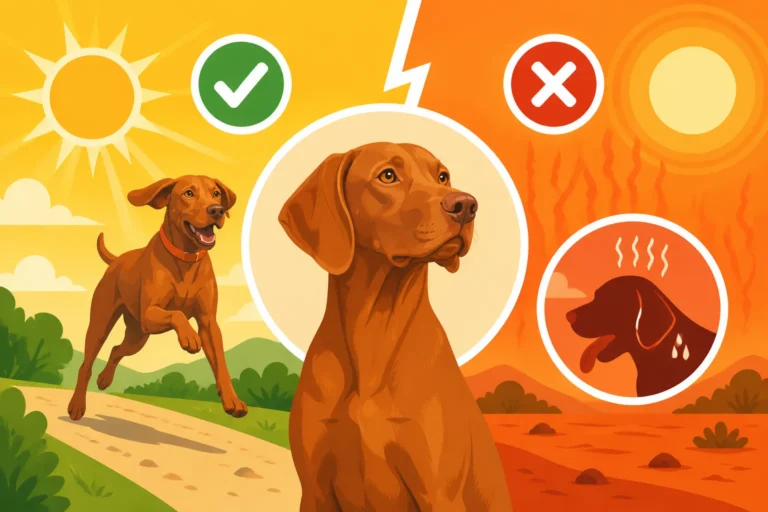
In the summer, hot pavement or asphalt can literally burn your Vizsla's paw pads. If you can't comfortably hold your hand on the surface for seven seconds, it's too hot for their paws. These burns can range from mild blistering to severe, deep tissue damage, leading to painful splits and infections. Remember, your Vizsla's natural desire to retrieve or run means they won't always stop themselves, even if the ground is searing hot.
Conversely, winter brings its own set of challenges. Frozen ground, ice, and packed snow are incredibly abrasive. Walking on these surfaces can lead to chapping, cracking, and ultimately, splitting of the pads. To make matters worse, common de-icing salts and chemicals used on roads and sidewalks are highly irritating and corrosive. These substances can dry out and irritate the pads, making them even more susceptible to cracking and infection. It's a real worry, especially for those of us who live in colder climates and still need to get our dogs out for exercise. The Cold a Vizsla Genuinely Cannot Handle highlights this breed's general sensitivity to cold, which extends to their exposed paw pads.
Underlying Health Issues and Nutritional Deficiencies
While acute injury is often the cause, sometimes a split paw pad can be a symptom of a deeper issue. Certain health conditions can compromise the integrity of your Vizsla's skin and, by extension, their paw pads, making them more fragile and prone to damage.
For instance, autoimmune diseases, which Vizslas can be predisposed to, might manifest with skin and paw pad abnormalities. Conditions like pemphigus or lupus can lead to crusting, ulcerations, and splitting of the pads. Nutritional deficiencies, particularly those involving essential fatty acids or zinc, can also weaken the skin's barrier function, leaving paw pads dry, brittle, and more susceptible to cracking. If your Vizsla consistently struggles with dry, flaky, or splitting pads despite good care, it's always worth discussing with your vet if there's an underlying medical or dietary cause. Sometimes, simply ensuring your Vizsla has a high-quality diet, perhaps supplemented with fish oil, can make a difference in skin and paw pad health. Whether a Vizsla Needs Fish Oil could be a great resource for this.
Preventing Paw Pad Splits and Injuries
Preventing paw pad splits is all about proactive care and making smart choices for your Vizsla's daily life and adventures. It’s a bit of work, but keeping those paws healthy is vital for their overall well-being and happiness.
Smart Exercise Management and Surface Awareness
As much as our Vizslas want to go, go, go, it's our job to be their responsible coaches. This means being mindful of where and how much they run.
Firstly, vary the terrain. Instead of pounding pavement every day, seek out grassy fields, dirt trails, or sandy areas. These softer surfaces are much kinder to paw pads and provide different kinds of proprioceptive feedback, which is good for their joints too. When you must use harder surfaces, keep the sessions shorter and be extra vigilant about checking their paws afterward.
Secondly, gradually build up activity levels, especially at the start of a new season or after a period of less intense exercise. Don't go from couch potato to marathon runner in a day. Just like human athletes, dogs need to condition their pads. Whether a Vizsla's Pads Toughen Over a Season delves into this concept, explaining how consistent, moderate exposure to varied terrain helps build resilience. Always check ambient temperatures before heading out. Avoid walks or runs on scorching asphalt or icy paths during extreme weather. Early morning or late evening walks are best in summer, and during winter, consider indoor alternatives or shorter, more frequent outdoor excursions.
Protective Gear and Paw Care Products
Sometimes, despite our best efforts, the environment demands extra protection. This is where protective gear and topical paw care products come in handy.
Dog boots are not just a fashion statement; they can be incredibly functional for Vizslas facing extreme conditions or particularly rough terrain. If you're planning a long hike over sharp rocks, hunting in thorny cover, or navigating icy, salted sidewalks, a good set of dog boots can prevent severe injuries. It's important to introduce boots gradually and ensure a proper fit (you can often find a good selection and fitting guides on sites like Chewy or Amazon). They should be snug enough not to twist, but not so tight they restrict blood flow.
Beyond boots, paw balms and waxes are excellent for preventative care. Products like Musher's Secret or similar paw waxes create a protective barrier against harsh elements, helping to prevent drying, cracking, and irritation from hot pavement, ice, or salt. They also keep the pads supple and moisturized, reducing the chances of splits. Regularly applying a paw balm, especially before and after outdoor adventures, can make a significant difference in pad health. Whether a Vizsla Needs Paw Wax provides more insight into this simple yet effective preventative measure.
Regular Inspection and Hygiene
This is perhaps the simplest, yet most overlooked, preventative measure. Make it a routine to inspect your Vizsla's paws daily, especially after any vigorous activity. This shouldn't be a chore; turn it into a bonding experience!
Gently spread their toes apart, feel each pad for any tenderness or rough spots, and look closely for any cuts, punctures, or foreign objects lodged between the pads or toes. Common culprits include grass seeds, thorns, small pieces of glass, or even tiny pebbles. Early detection of a small cut or embedded object can prevent it from worsening into a painful infection or a full-blown split. Checking a Vizsla Over After a Hunt is an essential habit for any Vizsla owner.
Regularly trim the hair between their paw pads. Excess hair can trap moisture, dirt, and debris, leading to irritation, matting, or even yeast infections, all of which can compromise pad health. Use blunt-nosed scissors or a small electric trimmer with care. If your Vizsla is a water lover, ensure their paws are thoroughly dried after swims or baths, as prolonged moisture can soften pads and make them more vulnerable. Whether a Vizsla Works Water can put their paws at greater risk, so extra vigilance is key.
What to Do When Your Vizsla's Pad Splits
Despite all your best efforts, sometimes an accident happens, and your Vizsla ends up with a split paw pad. It's a common injury for such an active breed, and knowing how to respond quickly and effectively can make a huge difference in their recovery and comfort.
Immediate First Aid Steps
Finding a split paw pad can be alarming, especially if it's bleeding. The first step is to remain calm; your Vizsla will pick up on your stress.
- Control Bleeding: If the pad is bleeding, apply direct pressure with a clean cloth or gauze. Minor splits may bleed a fair bit because pads are rich in blood vessels. Apply pressure for several minutes.
- Clean the Wound: Once the bleeding has slowed, gently clean the area. Use warm water and a mild, pet-safe antiseptic solution (like dilute chlorhexidine or povidone-iodine, not hydrogen peroxide, which can damage tissue). Carefully remove any visible debris, dirt, or foreign objects. If something is deeply embedded, don't try to dig it out yourself – that's a job for the vet.
- Apply Antiseptic and Cover: Apply an over-the-counter antibiotic ointment designed for dogs (avoid anything with pain relievers like benzocaine, which can be toxic if licked). Then, cover the wound with a non-stick sterile pad or gauze.
- Bandage Securely: Wrap the paw with self-adhering bandage material (like vet wrap) to keep the dressing in place. Make sure it's secure but not too tight – you should be able to slip a finger under the bandage. Change the bandage daily, cleaning the wound each time, to prevent infection and monitor healing.
When to Seek Veterinary Care
While some minor splits can be managed at home, it's crucial to know when a professional needs to step in. Don't hesitate to call your vet if you notice any of the following:
- Deep or Wide Splits: If the split is large, gaping, or extends deep into the pad, it likely requires stitches or specialized closure by a veterinarian. This prevents infection and promotes proper healing.
- Persistent Bleeding: If you can't stop the bleeding after several minutes of direct pressure, it's time for emergency vet care.
- Signs of Infection: Redness, swelling, warmth, pus discharge, a foul odor, or increased pain around the wound are all red flags. Infections can quickly become serious.
- Lameness or Inability to Bear Weight: If your Vizsla is severely limping, refusing to put weight on the paw, or seems to be in extreme pain, a deeper injury or complicating factor may be present.
- Foreign Objects: If there’s a deeply embedded foreign object you can’t easily remove, a vet can safely extract it and ensure no fragments remain.
- Uncertainty: When in doubt, always consult your veterinarian. It’s better to be safe than sorry, especially with paw pad injuries that can easily become infected or lead to prolonged lameness if not treated properly. These types of injuries can sometimes lead to unexpected expenses, and understanding What a Vizsla Costs a Year to Keep can help prepare for such incidents.
Healing and Recovery
Healing a split paw pad takes time and patience. Paw pads are high-traffic areas, making them challenging to keep clean and protected, but consistent care is essential.
Keep it Clean and Dry: Continue to clean the wound and change bandages daily, or as advised by your vet. Moisture can harbor bacteria and delay healing, so ensure the paw stays dry, especially if your Vizsla is still going outside (and only for short, leashed potty breaks on clean surfaces).
Restrict Activity: This is the hard part for a Vizsla owner! Your dog needs to rest for the pad to heal. Leash walks only, no running, jumping, or rough play. This might mean confining them to a smaller area of the house, using a crate, or even just keeping them on a short leash inside. This period of rest is absolutely critical; pushing them too soon can reopen the wound and reset the healing clock.
Prevent Licking: Dogs naturally want to lick their wounds, but this introduces bacteria and can irritate the healing tissue. An Elizabethan collar (cone) is usually necessary to prevent licking and chewing at the bandage or wound. Some dogs tolerate soft cones better, or even specialized paw booties, but the goal is to keep their mouth away from the injury.
Monitor Progress: Watch for signs of improvement. The wound should gradually close, and any redness or swelling should decrease. As the pad heals, the new skin will initially be softer, so reintroducing activity must be done very gradually, starting with short, gentle walks on soft surfaces. It might take several weeks for the pad to fully harden again, so continued vigilance and protection are key even after the initial split appears to have healed.
Comparison of Common Paw Pad Issues
Here’s a quick overview of some common paw pad problems a Vizsla might face:
| Issue | Description | Common Causes | Symptoms | Recommended Action |
|---|---|---|---|---|
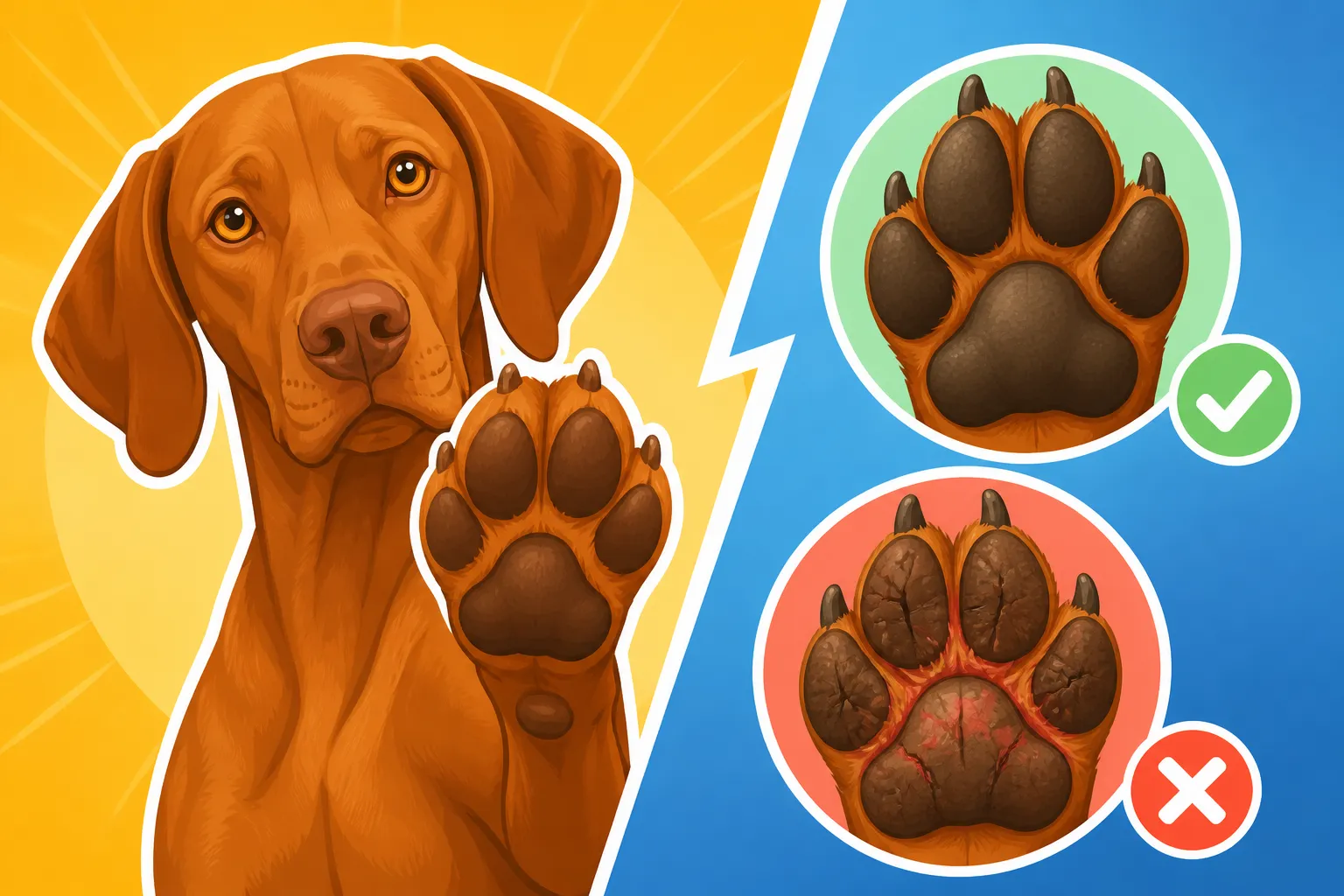
| Split Pad | A laceration or crack in the tough outer layer of the paw pad. | Abrasive surfaces, excessive friction, hot pavement, icy conditions. | Bleeding, visible cut/crack, limping, pain when touched, dog licking paw. | Clean, apply antiseptic, bandage. Vet visit if deep, bleeding profusely, or infected. Restrict activity. |
| Burn | Damage to the pad tissue from extreme heat. | Hot asphalt, sand, metal surfaces. | Redness, blisters, peeling skin, limping, pain. | Cool with water, apply burn cream (vet-approved), bandage. Seek vet care for severe burns or large blisters. |
| Abrasions | Surface scrapes or raw spots from friction. | Running on rough concrete, gravel, or sharp terrain. | Red, raw areas, sometimes bleeding, tenderness. | Clean gently, apply antiseptic, monitor. May need a light bandage to protect. |
| Puncture Wound | A small, deep hole caused by a sharp object. | Thorns, glass, nails, sharp sticks. | Small entry wound, often hard to see, limping, swelling, possible infection. | Seek vet care immediately. Risk of deep infection or foreign object retention. |
| Chemical Irritation | Inflammation or burns from exposure to caustic substances. | De-icing salts, fertilizers, cleaning products. | Redness, swelling, blistering, excessive licking, pain. | Rinse thoroughly with water, apply protective balm. Seek vet if severe or signs of chemical burn. |
| Dry/Cracked Pads | Lack of moisture and elasticity in the pad, leading to small cracks. | Dry air, lack of hydration, walking on rough surfaces without protection. | Small fissures, flaky skin, sometimes tenderness. | Apply paw balm regularly. Ensure adequate hydration. Avoid harsh surfaces. |
Disclaimer
This article is for general informational purposes only and does not constitute professional advice. Laws, prices and regulations vary by location and change over time. Consult a qualified professional for guidance on your specific situation.