Whether a Vizsla Copes With Heat Better Than Cold
One of the biggest concerns Vizsla owners face, especially those new to the breed, is understanding just how well these active, lean dogs handle different weather extremes. It's a common worry: will my seemingly delicate Vizsla shiver endlessly in winter, or will that boundless energy lead to overheating in the summer sun? The truth is, Vizslas have unique physiological traits that make them quite sensitive to both heat and cold, demanding a proactive approach from their human companions to ensure their comfort and safety. This guide will dive deep into how Vizslas cope with varying temperatures, helping you understand their specific vulnerabilities and how best to support your canine athlete through all seasons.
The Vizsla's Unique Coat and Its Impact on Temperature Regulation
When you look at a Vizsla, their sleek, short, and unmistakable "golden rust" coat is one of their most striking features. While beautiful and low-maintenance in some ways, this very coat is central to their thermal regulation challenges, making them quite distinct from many other breeds.
The Single, Short Coat and Lack of Undercoat
Unlike many breeds bred for outdoor work, especially those from colder climates, the Vizsla possesses a single coat. This means there's no soft, dense undercoat beneath their short, fine outer hairs. Think of breeds like Labradors, German Shepherds, or even many terriers – they often have a protective layer that traps air, acting as insulation against both cold and heat. Your Vizsla doesn't have that natural buffer.
This lack of an undercoat has significant implications. In winter, it means they lose body heat much faster than double-coated dogs. There's simply less material to hold warmth close to their skin. A brisk breeze can cut right through their sparse fur, making them feel the chill almost immediately. In summer, while a single coat might seem advantageous for cooling by allowing heat to dissipate more easily, their high activity level can quickly override this benefit. They don't have the "air conditioning" layer that a double coat can provide in some circumstances by trapping cooler air close to the skin. Instead, their efficiency at shedding body heat relies heavily on panting, and if the ambient air is too hot or humid, this mechanism becomes less effective.
Thin Skin and Vulnerability
Adding to the coat situation is the Vizsla's famously thin skin. If you've ever gently rubbed your Vizsla's flank, you'll notice how supple and fine their skin feels compared to, say, a Rottweiler or a Bulldog. This thinness contributes to their lithe appearance and allows for excellent sensation, which is great for feeling subtle air currents when hunting, but it offers minimal insulation.
In cold weather, this thin skin provides scant protection against the biting cold, especially on areas with less muscle or fat, like their belly, ears, and inner thighs. They just don't have the robust dermal layer to help retain warmth. Furthermore, this delicate skin means they are more susceptible to abrasions and cuts when running through dense cover in the field, making it vital to inspect them thoroughly after any outdoor adventures. When it comes to heat, this thin skin is also more prone to Sunburn and the Pale Vizsla Nose, particularly on their delicate noses and any areas with sparse hair. So, while their skin helps them feel light and agile, it's a significant factor in their vulnerability to temperature extremes.
Vizslas and Cold Weather: A Real Challenge
For many Vizsla owners, the cold is often the more immediate and apparent challenge. You've probably seen it yourself – that distinctive Vizsla shiver that can start even when you feel perfectly comfortable.
Shivering and Hypothermia Risk
The Vizsla's propensity to shiver is almost legendary. It's not just a sign they're feeling a little chilly; it's a genuine physiological response to rapid heat loss. Without an insulating undercoat and with their lean body mass, they simply struggle to maintain their core body temperature in cooler environments. A Vizsla can start shivering even indoors if there's a draft or if they've just come in from outside.
This constant battle against heat loss makes them particularly vulnerable to hypothermia, which is a dangerous drop in core body temperature. Imagine your Vizsla on a damp, chilly hunt, plunging into icy water to retrieve a bird, or even just enduring a long winter walk in freezing rain. Their thin coat gets saturated quickly, and the cold water wicks away precious body heat at an alarming rate. Signs of hypothermia can include prolonged shivering, lethargy, stiff muscles, shallow breathing, and cold skin. It’s a serious condition that requires immediate veterinary attention. Preventing it is key, as once they get truly cold, it can be hard to warm them back up safely.
Essential Cold Weather Gear and Management
Given their susceptibility to cold, proactive management is absolutely essential for Vizsla owners during cooler months. This isn't just about comfort; it's about health and safety.
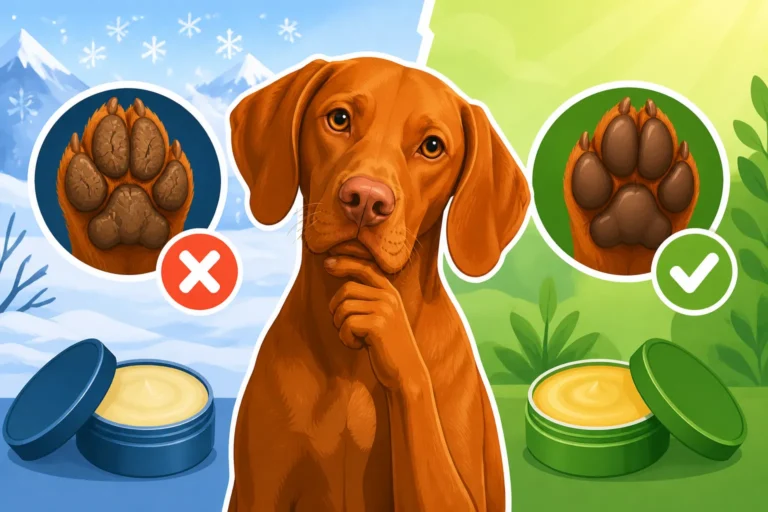
Understanding The Temperature a Vizsla Needs a Coat At is crucial. While individual dogs vary, many Vizslas start feeling the chill once temperatures drop below 45-50°F (7-10°C), especially if they're not actively working or if it's damp or windy. Below freezing, a coat becomes non-negotiable for most. Look for waterproof and insulated coats that cover their chest and belly, protecting those vulnerable areas. Brands available on platforms like Amazon and Chewy offer a wide range of options, from lightweight fleeces to heavy-duty winter parkas. Don't forget paw protection too, especially if they'll be walking on salted roads or icy terrain. Dog booties can prevent frostbite and chemical burns.
Indoors, ensuring your Vizsla has a warm, draft-free place to sleep is paramount. Many Vizslas love to burrow under blankets, and a heated dog bed can be a true luxury for them, especially as they age. Consider whether a Vizsla needs a heated bed – for many, it's a huge benefit. Limiting strenuous outdoor activity in extreme cold, particularly late-season hunts where the dog might be working in snow or icy water, is also important. If they must be out, frequent breaks in a warm vehicle and immediate drying are critical.
Vizslas and Hot Weather: Managing the Heat
While cold weather might seem like the more obvious adversary for a thinly coated dog, heat poses its own unique and significant risks for the energetic Vizsla. Their boundless stamina, combined with their physiology, can quickly lead to dangerous overheating.
Overheating Risks During Activity
Vizslas are driven athletes. They live to run, hunt, and work, often pushing themselves beyond what's comfortable. This incredible drive, however, can be their downfall in hot weather. When a Vizsla is running, pointing, and retrieving, their muscles generate a tremendous amount of internal heat. Unlike humans who sweat profusely over most of their bodies, dogs primarily cool themselves through panting and through their paw pads. When the ambient temperature and humidity rise, this evaporative cooling mechanism becomes far less efficient.
Imagine your Vizsla joyfully accompanying you on a long bike ride or an extended training session on a warm, humid afternoon. They might show no immediate signs of slowing down, but internally, their body temperature could be climbing dangerously. Signs a Vizsla Is Overheating include excessive panting (even when at rest), drooling, red gums, weakness, staggering, vomiting, and eventually collapse. Heatstroke is a medical emergency that can lead to organ damage, brain injury, or even death. It's not something to take lightly. Owners must be more attuned to the conditions and their dog's subtle cues than the dog itself often is.
Strategies for Staying Cool
Preventing overheating is all about proactive management and making smart choices about when and where your Vizsla exercises. The first and most critical rule is always providing access to fresh, cool water. On walks or hunts, carry extra water for your dog and offer it frequently. Collapsible bowls, widely available on Chewy or Amazon, are incredibly handy.
Adjusting exercise schedules is vital. Avoid the hottest parts of the day, typically late morning to late afternoon. Instead, opt for early morning romps or evening cool-downs. If your Vizsla is Whether a Vizsla Runs With a Cyclist, ensure these activities happen during cooler hours and incorporate frequent water breaks. Shade is your friend – seek out parks or trails with ample tree cover. Cooling vests, which work by evaporative cooling, can also be beneficial for some Vizslas during walks or light activity, providing an extra layer of defense against rising temperatures.
Water activities can be a fantastic way to help your Vizsla cool down, provided they Whether a Vizsla Swims Willingly. Many Vizslas love to swim, and it offers excellent exercise without the impact or heat generation of running. However, always ensure they have safe access to and from the water, and remember that Keeping a Vizsla's Ears Clear After Water Work is essential to prevent ear infections. For their diet, ensuring they're eating a high-quality food that supports overall health and hydration is important. Some owners opt for fresh food diets, like those offered by Ollie, or premium kibbles from Chewy, which can sometimes aid in hydration due to their moisture content.
Comparative Resilience: Cold vs. Heat
When we weigh a Vizsla's ability to cope with extreme temperatures, it's clear they face distinct challenges in both, but often, the cold presents a more consistent and insidious threat due to their inherent physiology.
Why Cold is Generally More Problematic for Vizslas
While heatstroke is undoubtedly a severe and life-threatening condition, a Vizsla's daily existence is arguably more impacted by the cold. Their lean body mass, very short, single coat, and thin skin mean they are inherently designed for rapid heat loss, not heat retention. Their metabolism is geared towards burning calories for energy, not for keeping warm in frigid conditions without external aid.
This means that even moderately cool temperatures can cause them discomfort and lead to shivering. Prolonged exposure to genuinely cold or wet-cold conditions can quickly lead to hypothermia, as discussed earlier. Their drive to work can also be a double-edged sword: a Vizsla might push through freezing conditions, ignoring their discomfort, because their instinct to hunt is so strong. They often don't self-regulate their exposure to cold as effectively as, say, a Siberian Husky might. So, while a hot day demands strict oversight, a cold day demands constant vigilance and significant protective measures just to keep them comfortable and healthy. It's a physiological disadvantage that requires continuous compensation from their owner.
Managing Both Extremes for a Healthy Life
Ultimately, it’s not about declaring one extreme "better" or "worse" for a Vizsla, but rather understanding that both hot and cold weather present serious challenges that require proactive management. A responsible Vizsla owner must be equipped to handle both scenarios with equal diligence.
Their daily needs, encompassing What a Vizsla Needs Every Day, must be flexible to account for the weather. On scorching summer days, this might mean intense play sessions are moved to the early morning, followed by relaxing indoors in air conditioning. On bitter winter days, it might mean quick, bundled-up walks followed by snuggling by a warm fireplace. Neither extreme should be ignored, and neglecting proper care in either can have dire consequences for their health and well-being. The key is adaptation and constant awareness of your dog's comfort and safety.
Here's a quick comparison of Vizsla considerations in different temperatures:
| Feature/Condition | Cold Weather Considerations | Hot Weather Considerations |
|---|---|---|
| Coat/Skin | Poor insulation due to single, thin coat; prone to tearing | Prone to Sunburn and the Pale Vizsla Nose; thin for heat loss |
| Shivering | Very common, even indoors; sign of heat loss | Not typical unless due to stress/illness, not cold |
| Hypothermia Risk | High, especially when wet or inactive | Very Low (can occur with extreme over-cooling) |
| Overheating Risk | Low (unless confined in a warm space post-exercise) | High, especially during activity |
| Exercise Adaptation | Shorter, active bursts; limit wet/windy exposure | Early morning/late evening; frequent breaks; no pavement |
| Protective Gear | Insulated coats, booties, warm bedding | Cooling vests, ample water, shade |
| Home Environment | Draft-free, warm sleeping spots (e.g., heated beds) | Air conditioning, cool floors, plenty of water |
| Hydration | Important, but less urgent than in heat | Critical and constant |
Practical Considerations for Vizsla Owners
Living with a Vizsla means integrating their unique needs into your daily routine and home environment. Their sensitivity to temperature isn't a flaw, but a characteristic that requires thoughtful planning and consistent care.
Home Environment and Lifestyle Choices
Your home isn't just a shelter for your Vizsla; it's a critical component of their temperature management strategy. In winter, ensuring your home is warm enough, especially in their sleeping areas, is vital. A Vizsla Needs Somewhere Warm to Sleep, and this often means a cozy bed, perhaps a heated one, tucked away from drafts. Many Vizslas will naturally burrow under blankets or seek out the warmest spot in the house, a clear indicator of their need for warmth. If you live in a colder climate, a dedicated indoor space that maintains a comfortable ambient temperature is paramount; letting a Vizsla sleep in an unheated garage or outdoor kennel is not appropriate for their breed.
Conversely, in summer, your home needs to offer relief from the heat. Air conditioning or strong fans are often necessary, especially for the hours when outdoor activity is limited due to high temperatures. Ensure they have access to cool, tiled floors or a cooling mat to sprawl on. Always have multiple water bowls available, filled with fresh, cool water. If your lifestyle involves long hours away from home, you might consider how Teaching a Vizsla to Be Alone incorporates temperature control, perhaps using smart thermostats to maintain a comfortable indoor climate.
Tailoring Activities to the Climate
The Vizsla's insatiable energy means they need The Two Hours a Vizsla Needs Before It Will Settle every day, but how that exercise is delivered must be intelligently adapted to the weather. Pushing a Vizsla to run on hot asphalt in the middle of a July afternoon is a recipe for disaster. Similarly, expecting them to endure a lengthy retrieve training session in a frozen marsh without proper gear and breaks is unfair and dangerous.
In summer, shift high-energy activities to early morning or late evening when temperatures are cooler. Explore activities like swimming or indoor training sessions to burn energy without overheating. Be mindful of hot surfaces – pavement, sand, and even some grassy areas can retain heat and burn delicate paw pads. In winter, embrace layers. A good quality dog coat can make crisp, cold walks enjoyable for your Vizsla. Focus on active games that keep them moving and generating internal heat, but be ready to head inside at the first sign of shivering or discomfort. Regular checks for ice accumulation between paw pads and monitoring for general signs of cold stress are essential. Always be aware of your dog's individual limits; some Vizslas may tolerate a bit more cold or heat than others, but it's crucial to err on the side of caution.
Disclaimer
This article is for general informational purposes only and does not constitute professional advice. Laws, prices and regulations vary by location and change over time. Consult a qualified professional for guidance on your specific situation.