Whether a Vizsla Runs With a Cyclist
Many Vizsla owners find themselves constantly seeking new ways to burn off their beloved dog's seemingly endless energy. The idea of combining your own love for cycling with your Vizsla's need for speed is incredibly appealing, promising a perfect solution for both of you. But the reality can be far more complicated than simply attaching a leash to your handlebars, and concerns about safety, training, and your dog's well-being are absolutely valid. This comprehensive guide will walk you through everything you need to know about safely and effectively running your Vizsla alongside a bicycle, addressing the challenges and celebrating the immense rewards.
The Vizsla's Athletic Prowess and the Cycling Dream
Vizslas are magnificent athletes, bred for endurance and speed in the field. It's no wonder that many owners look for equally demanding activities to keep their canine companions happy and healthy. Cycling can seem like the ultimate partnership, offering a high-intensity workout that can cover significant distances.
Understanding Your Vizsla's Energy Needs
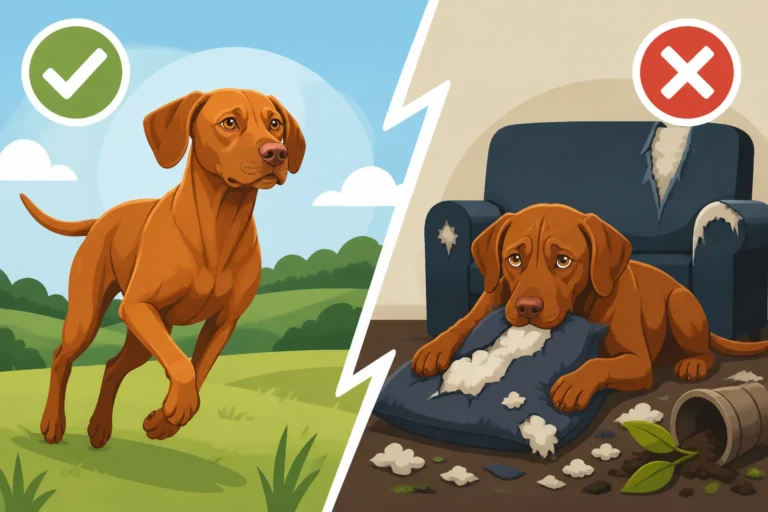
If you live with a Vizsla, you know that "energetic" is an understatement. These dogs are finely tuned working animals, and their exercise requirements go far beyond a casual stroll around the block. They thrive on vigorous activity that engages both their bodies and minds. A well-exercised Vizsla is a happy, calm house dog; an under-exercised one can quickly become a destructive, anxious whirlwind. You might already be familiar with the common observation that The Two Hours a Vizsla Needs Before It Will Settle, and for many owners, even two hours of off-leash running isn't always enough to truly tire them out. Their stamina is legendary, allowing them to cover vast territories at a trot or gallop, exploring every scent and chasing every bird. This innate drive is what makes them such incredible partners for activities like cycling, but it also means that meeting their needs requires dedication and creativity.
Why Cycling Seems Like a Perfect Fit
The appeal of cycling with a Vizsla is obvious for active owners. It allows you to match their pace and cover distances that would be impossible on foot alone. Imagine gliding along a scenic trail, your Vizsla trotting confidently beside you, both of you enjoying the fresh air and the rhythm of movement. This isn't just about burning calories; it's about providing an outlet for their natural athleticism and drive. For many Vizsla owners, regular walks or even intense games of fetch just don't cut it. Their dogs still come home with that "ready for more" look in their eyes. Cycling offers a chance to tap into their endurance, providing a sustained, challenging workout that can leave them truly satisfied. It’s a way to tackle The Exercise a Vizsla Needs Every Day in a way that’s enjoyable and efficient for both ends of the leash.
Essential Preparations Before Hitting the Road
Before you even think about attaching your Vizsla to your bike, there are critical steps you need to take. Rushing into bikejoring or leashed cycling without proper preparation can lead to frustration, injury, or even a ruined bond. Patience and thoroughness are your best friends here.
Age and Physical Maturity Considerations
The absolute first thing to consider is your Vizsla's age and physical development. Young Vizsla puppies and adolescents are still growing, and their bones, joints, and ligaments are not yet fully formed. High-impact, repetitive activities like running alongside a bike can put undue stress on their developing bodies, potentially leading to lifelong orthopedic issues such as hip or elbow dysplasia. Most veterinarians and reputable breeders recommend waiting until a Vizsla is at least 18 months old, and ideally closer to two years, before introducing intense activities like cycling. Even then, start slow and gradually increase duration and intensity. It's crucial that their growth plates have closed and their musculature has had time to properly develop to support such demanding work. Pushing them too hard, too soon, can lead to serious health problems and negate the benefits of their active lifestyle. Think of it like training a human athlete; you wouldn't send a teenager to run a marathon without years of conditioning.
Building Foundational Obedience and Recall
Safety for both you and your Vizsla hinges on impeccable obedience. Before you consider cycling, your Vizsla needs to have rock-solid foundational commands. "Heel," "stay," and an immediate, reliable recall are non-negotiable. Imagine pedaling along a busy path when your Vizsla suddenly spots a squirrel and bolts – a terrifying scenario for everyone involved. Building a Recall on a Vizsla That Ranges is a fundamental part of Vizsla ownership, regardless of cycling, but it becomes even more critical when you’re moving at speed. Your dog must understand that when you give a command, it is to be obeyed instantly, without question. This means extensive off-leash training in varied environments, ensuring they respond even with distractions present. Consider enrolling in advanced obedience classes or working with a professional trainer to perfect these skills. The safety of your dog and others depends on it.
Gearing Up for Safe Cycling with Your Vizsla
Using the right equipment is paramount for a safe and enjoyable cycling experience. Never, ever, simply hold a leash in your hand or attach it to the handlebars. A sudden pull could send you flying over the handlebars, injure your dog, or both.
For hands-free cycling, there are two primary options:
- Bikejor Antennas/Attachments: These attach to the front of your bike and extend out, providing a stable point for the bungee line that connects to your dog's harness. This keeps the line away from your front wheel, preventing tangles and allowing for a smooth ride. Brands available on platforms like Amazon offer various designs, often with quick-release mechanisms for added safety.
- Springer or Dog Bike Leash Attachments: These attachments typically mount to the seat post or frame and feature a sturdy spring or arm that absorbs shock from your dog's pulls and keeps them at a safe distance from your wheels. They prevent the leash from getting tangled in the spokes and provide a more controlled ride.
Beyond the bike attachment, your Vizsla needs a proper, well-fitting harness. A standard neck collar can cause neck injury if your dog pulls while running at speed. A well-designed pulling harness, often called a sledding or bikejoring harness, distributes pressure evenly across their chest and shoulders, allowing them to pull comfortably and efficiently without restricting their movement or breathing. These harnesses are specifically designed for canine pulling sports and are a worthwhile investment. Additionally, consider a What a GPS Collar Costs for a Vizsla for peace of mind, especially if you're exploring new trails. Safety gear like reflective vests for both you and your dog, especially during low light conditions, is also a must. Finally, remember paw protection. Your Vizsla's pads are tough, but prolonged running on abrasive surfaces like asphalt or gravel can cause soreness or injury. Paw balm or protective booties, easily found on Amazon, can be beneficial, particularly for longer rides or challenging terrain. Don't forget a portable water bottle and bowl for your dog, keeping them hydrated is critical.
| Equipment Type | Purpose | Key Features | Benefits |
|---|---|---|---|
| Bikejor Antenna | Keeps bungee line away from front wheel | Front-mounted, flexible arm, quick-release option | Prevents tangles, smooth ride, safer for dog and rider |
| Springer/Bike Leash Bar | Absorbs dog's pulls, keeps dog away from wheels | Frame/seat post mounted, spring-loaded arm, fixed length | Prevents sudden jolts, maintains safe distance, reduces tangles |
| X-Back Pulling Harness | Distributes pulling force evenly across dog's body | Padded, ergonomic design, often "X" shaped on back | Prevents neck injury, allows comfortable pulling, full range of motion |
| Bungee Line/Leash | Connects harness to bike attachment | Elastic core, shock-absorbing, strong clip | Cushions jerks, smooths ride, reduces strain on dog and bike |
| GPS Collar | Tracks dog's location | Real-time tracking, geo-fencing, durable | Essential for off-road safety and peace of mind |
| Paw Protection (Boots/Balm) | Protects paw pads from abrasive surfaces | Durable material, breathable, secure fit / Moisturizing balm | Prevents cuts, scrapes, and soreness on long or rough rides |
| Reflective Vest | Increases visibility | Bright colors, reflective strips, lightweight | Crucial for low-light conditions, enhances safety |
Training Your Vizsla for Bikejoring and Biking Safely
Once you have the right gear and your Vizsla has the necessary foundational obedience, it's time to introduce them to the bike and the unique demands of running alongside it. This phase requires immense patience and positive reinforcement.
Introducing the Bike and the Concept
The first step is to get your Vizsla comfortable with the bicycle itself. Many dogs are wary of this strange, wheeled contraption, especially when it's moving. Start by simply having the bike present during walks and playtime. Let your Vizsla sniff it, get treats near it, and associate it with positive experiences. Then, walk your Vizsla next to the bike while you push it, keeping the leash loose. The goal is for them to see the bike as a normal, non-threatening part of their environment. Once they are relaxed walking beside you and the bike, you can introduce the harness and the bungee line, still just walking, without you on the bike. The idea is to build a positive association with each new piece of equipment and the entire process. Remember, a Vizsla is a The Soft Vizsla That Shuts Down When You Raise Your Voice, so a gentle, encouraging approach is best. Use plenty of praise and high-value treats to make every step a rewarding experience.
Mastering Commands on the Go
Running with a bike introduces a whole new layer of complexity to obedience commands. Your Vizsla needs to understand and respond to specific cues while moving at speed and with increased distractions. Essential commands include:
- "Gee" (Right) and "Haw" (Left): These directional commands are vital for steering your dog around obstacles, corners, and other trail users. Practice them extensively on foot first, then gradually introduce them while walking with the bike.
- "Whoa" or "Stop": This means an immediate halt. Crucial for unexpected hazards or when you need to slow down rapidly.
- "On By" or "Leave It": To ignore distractions like other dogs, squirrels, or people. Vizslas have a strong prey drive, so "on by" will be particularly important for keeping them focused.
- "Easy" or "Slow": To adjust pace downwards without stopping entirely.
- "Forward" or "Hike": To encourage them to maintain or increase pace.
These commands should be practiced consistently in various environments, gradually adding the bike and then the motion. Start in a quiet, low-distraction area like an empty park or a quiet dirt road. Reinforce every correct response with enthusiastic praise and treats. A well-trained Vizsla will pick up on How Fast a Vizsla Learns a New Cue, but consistency is key. You might consider using a clicker during initial training phases to mark desired behaviors precisely, then fading it out as they become proficient.
Gradual Progression and Conditioning
You wouldn't jump into a marathon without training, and neither should your Vizsla. Once your dog is comfortable with the bike and understands the basic commands, begin with very short, slow rides in a safe, quiet area. Start with just a few minutes, focusing on smooth transitions, turns, and stops. Pay close attention to your Vizsla for any signs of fatigue, discomfort, or stress.
Over several weeks and months, gradually increase the duration and speed of your rides. Listen to your dog's breathing, watch their gait, and observe their overall demeanor. Are they enjoying it? Are they tiring quickly? Build their endurance slowly, just as you would your own. Begin on soft, forgiving surfaces like dirt trails before transitioning to pavement if necessary. Vary your routes to keep it interesting and mentally stimulating for your Vizsla. Short, frequent sessions are better than long, exhausting ones in the beginning. Remember, the goal is sustained enjoyment and fitness, not immediate exhaustion.
Potential Challenges and How to Overcome Them
While cycling with your Vizsla can be incredibly rewarding, it’s not without its hurdles. Being prepared for these challenges will make the experience much safer and more enjoyable for both of you.
Distractions and Prey Drive
Vizslas are pointers with a strong prey drive. A squirrel darting across the path, a rabbit flushing from the bushes, or even a bird flying overhead can instantly trigger their instinct to chase. This powerful urge can be incredibly dangerous when you’re attached to them on a bike. Even the most well-behaved Vizsla can have moments where instinct temporarily overrides training. This is where your rock-solid "Leave It" or "On By" command, practiced extensively in high-distraction environments, becomes critical.
To mitigate this, choose your riding locations carefully. Start in areas with minimal wildlife or other dogs. As your Vizsla gains experience and reliability, gradually introduce more challenging environments. If a distraction does occur, don't panic. Maintain a firm, consistent "Leave It" command and use your body language to redirect their focus forward. Sometimes, a quick, sharp verbal correction followed immediately by praise for returning attention to you is necessary. For persistent issues, going back to basics with a long line and working on Building a Recall on a Vizsla That Ranges in the specific distracting environment can help. Companies like BAXTER & Bella offer online training resources that can provide structured guidance and support for advanced obedience challenges, including managing prey drive in dynamic situations.
Equipment Mishaps and Safety Concerns
Even with the best equipment, things can go wrong. The bungee line could snap, the bike attachment could fail, or your dog could step on something sharp and suddenly limp. It’s crucial to inspect all your gear before every ride, checking for wear and tear. Ensure all quick-release mechanisms are functioning correctly and that your dog's harness fits snugly but comfortably.
Being prepared for minor injuries is also important. Vizslas have The Thin Skin a Vizsla Takes Into the Field, making them prone to scrapes and cuts from thorns or rough undergrowth. Carry a small first-aid kit with essentials like antiseptic wipes, self-adhesive wrap, and paw balm. Know how to safely detach your dog from the bike quickly in an emergency. Should your Vizsla suddenly develop a limp or show signs of discomfort, stop immediately and check their paws and legs. It's not uncommon for them to Whether a Vizsla Gets Grass Seeds in Its Feet or other debris, which can cause significant irritation. Remember, their safety is paramount.
Weather and Terrain Considerations
Vizslas, with their single, short coats, are susceptible to extreme temperatures. They don't have the insulating double coat of many northern breeds, making them prone to chilling in cold, wet weather and overheating in hot, humid conditions.
- Heat: Avoid cycling during the hottest parts of the day, especially in summer. Early mornings or late evenings are best. Always carry ample water for both of you and offer frequent hydration breaks. Watch for signs of overheating, such as excessive panting, drooling, or a staggering gait. If you're in an area with lakes or streams, a quick dip can help cool them down, but avoid rapid cooling of an overheated dog.
- Cold: In colder weather, a fleece or insulated coat might be necessary to keep your Vizsla warm, particularly if you're stopping frequently. Their lean body mass means they burn through calories quickly to stay warm.
- Terrain: Stick to softer surfaces like dirt trails, gravel paths, or groomed park trails whenever possible. Pavement can be hard on their joints and cause excessive wear on their paw pads, particularly over long distances. Be mindful of uneven terrain, roots, and rocks that could cause you or your dog to trip. A well-maintained trail ensures a smoother, safer experience. Remember that Whether a Vizsla Can Hike All Day, meaning they have the endurance for varied terrain, but their pads need protection.
Benefits Beyond the Burn: Strengthening Your Bond
Cycling with your Vizsla isn't just about physical exercise; it's a powerful way to enhance your relationship, provide vital mental stimulation, and share incredible adventures together.
Mental Stimulation and Enrichment
While the physical exertion of running alongside a bike is significant, the mental stimulation is equally important for a Vizsla. Moving through a dynamic environment at speed, responding to your directional cues, and learning to ignore distractions all provide a rich tapestry of mental challenges. They are constantly processing new sights, sounds, and smells, which tires their minds as much as their bodies. This focused work, where they are actively engaged and working in partnership with you, is deeply satisfying for a breed that thrives on purpose. An activity like bikejoring taps into their natural drive to cover ground and work alongside their human, providing a sense of fulfillment that a solitary run in the yard simply cannot match. This kind of enrichment helps prevent boredom and the destructive behaviors that can arise from an Whether an Under Exercised Vizsla Becomes Destructive.
Deepening the Partnership
Few activities foster the kind of intense bond that comes from working together in motion. When you're cycling with your Vizsla, you are a team, relying on each other for safety and success. Your dog learns to trust your cues implicitly, understanding that you are guiding them through the terrain. You, in turn, learn to read your dog's body language, anticipating their needs and reactions. This shared experience builds a profound level of communication and mutual respect. The unspoken understanding that develops on the trail translates into a deeper connection at home. You become more attuned to their subtle signals, and they become more responsive to your leadership. It's a true partnership, built on shared effort and mutual enjoyment.
The Joy of Shared Adventure
Ultimately, cycling with your Vizsla is about embarking on adventures together. It's about exploring new trails, discovering hidden parks, and pushing your limits as a team. There's an unparalleled joy in watching your Vizsla, tail wagging, ears flying, effortlessly gliding beside you, utterly in their element. These shared experiences create lasting memories and stories that you'll cherish. Whether it's a quick spin through a local park or a longer exploration of a wilderness trail, each ride is an opportunity for connection and exhilaration. It’s a wonderful way to experience the world together, fulfilling both your Vizsla's instinctual need for activity and your own desire for companionship and outdoor exploration. For a breed that cherishes being close to their people, these adventures are the ultimate expression of love and partnership.
Disclaimer
This article is for general informational purposes only and does not constitute professional advice. Laws, prices and regulations vary by location and change over time. Consult a qualified professional for guidance on your specific situation.