Whether a Vizsla Can Ever Be Left Alone
One of the most heart-wrenching struggles many Vizsla owners face is the pervasive myth that their beloved "Velcro dog" simply cannot be left alone. It’s a common frustration, often leading to chewed furniture, incessant barking, and guilt over leaving your devoted companion, even for a short trip to the grocery store. This comprehensive guide will delve into why Vizslas develop these anxieties around solitude, how to recognize the signs, and most importantly, equip you with practical strategies, tools, and lifestyle adjustments to help your Vizsla confidently cope with being home alone.
The Core Challenge: Why Vizslas Struggle with Solitude
Let's be honest, the Vizsla was not bred to be an independent, solitary creature. They are companionable hunting dogs, developed to work closely with their human partners, and that intense bond translates into their everyday lives. Understanding this fundamental aspect of their nature is the first step in addressing the challenges of leaving them alone.
The "Velcro Vizsla" Phenomenon
If you own a Vizsla, you know exactly what "Velcro dog" means. They are the shadows that follow you from room to room, the warm weight pressed against your leg under the desk, and often, the dog attempting to share your shower. This isn't just a cute quirk; it's a deep-seated desire for connection and proximity that defines the breed. They thrive on human interaction and physical touch, and when that connection is abruptly severed, even temporarily, it can be profoundly unsettling for them. What Velcro Behavior Looks Like in a Vizsla isn't just about cuddling; it's about constant reassurance and a feeling of being part of your every move.
This intense attachment is wonderful when you're home, offering unparalleled companionship. However, it means their baseline for comfort is having you near. When you step out the door, even if it's just for an hour, their world can suddenly feel empty and uncertain. They haven't learned to differentiate between a short absence and a permanent one, leading to distress. It's not a spiteful act when they chew your slippers; it's often a manifestation of anxiety.
Instinctual Pack Mentality
Vizslas, like many dog breeds, retain a strong pack mentality, even within the human-dog family unit. In their ancestral environment, being left alone often meant vulnerability, separation from vital resources, and potential danger. While our modern homes are safe, their primal instincts can still kick in. They view their human family as their pack, and when the pack leader (you!) departs, they can feel exposed and insecure.
This isn't a sign of a poorly trained dog; it's a natural inclination. They want to be with their pack. For some Vizslas, this translates into simply waiting anxiously by the door. For others, it escalates into more pronounced behaviors, driven by a genuine fear of abandonment. They need to learn that your departure is temporary and that their world remains safe even in your absence.
High Energy Needs and Mental Stimulation
Beyond their emotional needs, Vizslas are high-energy dogs with keen minds. They were bred to spend hours actively hunting in the field, using both their bodies and their brains. If they're not adequately exercised and mentally stimulated before you leave them alone, that pent-up energy and boredom can quickly turn into destructive behaviors or anxiety-driven actions. An under-exercised Vizsla is a bored Vizsla, and a bored Vizsla will find its own (often undesirable) entertainment.
Imagine trying to sit still and be quiet for hours when you've had no physical outlet all day. It's frustrating for us, and it's equally frustrating for a Vizsla. They need significant physical activity, ideally The Two Hours a Vizsla Needs Before It Will Settle, plus mental engagement to truly be calm and relaxed when left on their own. Without this crucial foundation, addressing separation anxiety becomes an uphill battle.
Recognizing the Signs of Separation Anxiety
It's crucial to distinguish between a Vizsla who is simply bored and one who is genuinely suffering from separation anxiety. While both can lead to undesirable behaviors, the underlying motivation and treatment approaches differ. True separation anxiety is a panic response, not defiance.
Destructive Chewing and Digging
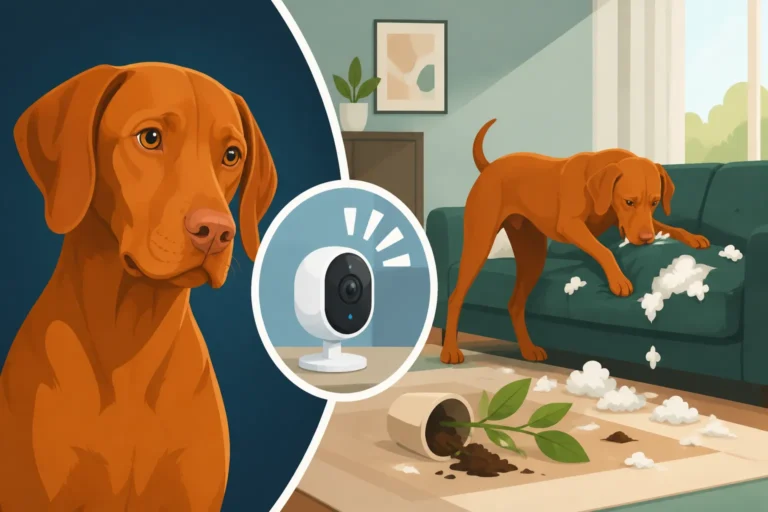
One of the most common and frustrating signs that your Vizsla is struggling with being alone is destructive behavior. This isn't just a puppy chewing on a toy; it's often targeted destruction, especially around exit points like doors and windows, or items that smell strongly of you, like shoes or clothing. They might chew on door frames, dig at carpets, or tear up cushions. This isn't naughtiness; it's an attempt to relieve intense stress or, in some cases, to try and escape to find you. What an Anxious Vizsla Destroys can range from minor infractions to significant damage, highlighting the depth of their distress.
The difference between boredom and anxiety in chewing often lies in what they chew and when. A bored dog might chew their designated toys half-heartedly. An anxious dog might completely ignore their favorite chew toy and instead fixate on items associated with your departure or escape, leaving a trail of destruction that indicates panic rather than simple mischief. The intensity and focus are key indicators.
Excessive Vocalization
A Vizsla experiencing separation anxiety will often vocalize excessively when left alone. This can manifest as relentless barking, howling, or whining that starts shortly after you leave and continues until your return. Neighbors might complain, or you might hear it yourself if you set up a camera. This isn't just a couple of barks at a squirrel outside; it's sustained, distressed vocalization. Whether a Vizsla Cries When You Leave the Room is a clear sign they're not coping well.
This vocalization is their way of expressing distress and trying to call their "pack" back. It's a cry for help, an outward manifestation of their inner turmoil. While it can be disruptive, punishing the barking won't solve the underlying anxiety; it will only suppress the symptom, potentially leading to other, less obvious stress behaviors.
Inappropriate Urination or Defecation
If your house-trained Vizsla suddenly starts having accidents indoors only when left alone, even if they've been given ample opportunity to relieve themselves outside beforehand, this is a strong indicator of separation anxiety. This isn't a defiance issue or a lack of house-training; it's a physiological response to extreme stress and fear. They lose control of their bladder or bowels due to panic.
It’s important to clean these accidents thoroughly with enzymatic cleaners to eliminate odors that might encourage repeat incidents, but more importantly, to understand that this behavior is a distress signal. Getting angry or punishing your Vizsla for these accidents will only heighten their anxiety and damage your bond, making the situation worse.
Self-Harm and Obsessive Behaviors
In severe cases, Vizslas with separation anxiety may resort to self-harm or obsessive behaviors. This can include excessive licking, chewing, or even mutilating their paws or other body parts, leading to hot spots or open sores. They might pace endlessly, drool excessively, or display repetitive behaviors like circling. Whether a Vizsla Licks Itself Raw From Stress is a painful reality for some owners.
These behaviors are desperate attempts to self-soothe in the face of overwhelming fear. They are clear indicators that your Vizsla is in significant psychological distress and requires immediate intervention. Ignoring these signs can lead to chronic physical and mental health issues for your dog.
Strategies for Preparing Your Vizsla for Alone Time
Addressing separation anxiety requires a multi-faceted approach, focusing on gradual desensitization and building positive associations with being alone. It’s a marathon, not a sprint, but with patience and consistency, your Vizsla can learn to be confident when you're not there.
Crate Training as a Safe Haven
A properly introduced and positively reinforced crate can become a den, a safe and comfortable space for your Vizsla, rather than a punishment. It should be a place where they feel secure, not trapped. When introduced correctly, the crate can help manage destructive behaviors and provide a predictable, calm environment when you're away. Whether Crate Training Helps a Vizsla is often a resounding yes, but only if done right.
Start by making the crate a positive place. Feed meals in it, toss treats inside, and never use it for punishment. Leave the door open initially, allowing them to go in and out freely. Gradually increase the time they spend in it with the door closed, always while you are home, and always associating it with something pleasant, like a special chew toy or a delicious treat. Once they are comfortable with short periods, you can begin to leave them in the crate for very brief absences from the house.
Building Up Alone Time Gradually
This is perhaps the most critical component of teaching your Vizsla to be alone: gradual exposure. You cannot simply leave them for eight hours one day and expect success. It requires baby steps, starting with moments and slowly extending the duration. Begin by leaving the room for a few seconds, then minutes, while your Vizsla remains calm. Practice "mock departures" – picking up your keys, putting on your coat, walking to the door, then sitting back down. This desensitizes them to your departure cues.
Once they are comfortable with you leaving the room, start leaving the house for incredibly short periods – literally 30 seconds at first. Extend this to a minute, then two, then five, and so on, always returning before they become anxious. The goal is to return while they are still calm, reinforcing that your departures are temporary and uneventful. It’s painstaking work, but it builds genuine confidence. A camera (you can find affordable options on Amazon) can be incredibly helpful here to monitor their behavior.
Enriching the Environment Before You Leave
Setting your Vizsla up for success means providing plenty of physical and mental stimulation before you walk out the door. A tired dog is a good dog, and a mentally satisfied dog is a calm dog. Ensure they get a vigorous exercise session – a long run, a challenging hike, or an intense game of fetch – right before your departure. This helps deplete their physical energy, making them more inclined to rest.
Beyond physical exercise, provide mental enrichment. A food puzzle toy, a KONG stuffed with frozen peanut butter or treats, or a safe, long-lasting chew can keep their minds occupied and distract them from your absence. Make these "departure treats" special and only available when you leave. The goal is to make your departure signal the arrival of something enjoyable and engaging, changing their emotional association with being alone.
Tools and Resources to Help Your Vizsla Cope
Beyond training strategies, there are many tools and resources that can supplement your efforts and provide additional comfort and distraction for your Vizsla.
Interactive Toys and Puzzle Feeders
These are absolute lifesavers for Vizsla owners. Interactive toys, like those by Kong or various puzzle feeders available on Amazon, require your dog to work to get treats or kibble. This mental engagement can provide a fantastic distraction and help redirect their focus from your absence. The act of problem-solving is tiring and satisfying for a clever breed like the Vizsla.
Look for toys that are durable and appropriate for your Vizsla’s chewing style. Filling a KONG with wet food or peanut butter and freezing it can extend the activity for a long period. Snuffle mats can also be great for mental stimulation. The key is that these toys keep their minds and mouths busy in a positive way, helping them to self-soothe and pass the time.
Calming Aids and Supplements
For some Vizslas, especially those with moderate to severe anxiety, calming aids and supplements can be beneficial in conjunction with behavior modification. These are not magic bullets but can help lower their overall anxiety levels, making them more receptive to training. Options include pheromone diffusers (like Adaptil), calming chews containing L-tryptophan or chamomile, and sometimes even a Thundershirt or calming wrap.
Always consult your veterinarian before introducing any new supplements or calming aids to ensure they are safe and appropriate for your individual Vizsla, especially if they have other health conditions or are on medication. These aids are meant to support, not replace, consistent training and lifestyle adjustments.
Professional Guidance and Online Courses
Trying to tackle separation anxiety alone can feel overwhelming, especially when progress is slow or setbacks occur. There are excellent resources available to guide you. Online training platforms, like BAXTER & Bella, often offer courses specifically designed for separation anxiety, providing structured programs and expert advice. These can be incredibly helpful for owners who need a step-by-step approach from the comfort of their home.
These programs often break down the desensitization process into manageable steps, offer advice on body language interpretation, and provide strategies for managing common setbacks. They can empower you with the knowledge and confidence to implement effective training methods, helping your Vizsla build resilience and independence.
| Strategy Component | Description | Key Benefit |
|---|---|---|
| Crate Training | Introduce a crate positively as a safe, quiet den. | Provides a secure space, manages destructive behavior. |
| Gradual Desensitization | Slowly increase alone time, starting with seconds, returning before anxiety. | Builds confidence that departures are temporary and safe. |
| Pre-Departure Exercise | Ensure vigorous physical activity before leaving. | Reduces pent-up energy, promotes rest and calm. |
| Mental Enrichment | Provide puzzle toys, stuffed KONGs, or long-lasting chews. | Keeps mind occupied, redirects focus from anxiety. |
| Calming Aids | Pheromone diffusers, calming supplements, anxiety wraps. | Helps lower baseline anxiety, supports training. |
| Professional Help | Certified trainers, veterinary behaviorists, online courses (e.g., BAXTER & Bella). | Expert guidance, customized plans, support for complex cases. |
Lifestyle Adjustments for the Vizsla Owner
Successfully managing a Vizsla's ability to be alone often requires more than just training; it demands a critical look at your own daily routine and making adjustments to better meet your dog's inherent needs.
Maximizing Exercise Before Departure
As we touched on, a well-exercised Vizsla is far more likely to settle. This means more than just a quick walk around the block. Vizslas need intense, purposeful exercise that works both their bodies and minds. Think long off-leash runs in a safe area, vigorous games of fetch, or even participating in dog sports like agility or canicross. The Exercise a Vizsla Needs Every Day is substantial. Before you plan to leave them alone, ensure they've had a truly exhausting session.
The goal isn't just to make them tired, but deeply satisfied. When they return home, allow them to cool down, get a drink, and then present their special "alone time" chew or puzzle. This routine helps them associate your departure with a pleasant cool-down period and an engaging activity, rather than anxiety and boredom.
Incorporating Mental Work
Vizslas are intelligent dogs who need mental stimulation just as much as physical. A physically exhausted but mentally bored Vizsla can still find ways to be destructive or anxious. Incorporate mental work into their daily routine, especially before you leave. This could involve short training sessions, scent work games around the house, or teaching new tricks. Whether a Vizsla Needs Mental Work Too is an emphatic yes; their brains are always looking for a job.
Even simple activities like scatter feeding their breakfast in the yard (weather permitting) can engage their natural sniffing instincts and provide mental enrichment. The more you can tire out their brain, the less likely they are to become anxious or destructive when left to their own devices.
Considering Professional Help or Doggy Daycare
If your schedule makes it difficult to provide the extensive exercise and mental stimulation your Vizsla needs daily, or if your Vizsla's separation anxiety is severe, considering professional options can be a game-changer. Doggy daycare, particularly facilities that offer a good balance of supervised play and rest, can be an excellent option. It provides socialization, exercise, and mental stimulation in a safe environment, ensuring your Vizsla is happily tired when you pick them up. Whether Daycare Is Cheaper Than a Destroyed Sofa is a question many frustrated owners ponder, and often, the answer is yes.
Alternatively, hiring a professional dog walker or pet sitter to come during your absence can break up long periods alone, provide a potty break, and offer some much-needed human interaction and exercise. For Vizslas with severe anxiety, having a trusted person visit can significantly reduce their stress levels.
When to Seek Expert Help
While many owners can make significant progress with consistent effort, some Vizslas require specialized intervention to overcome separation anxiety. Knowing when to call in the professionals is crucial for your dog's well-being and your peace of mind.
Consulting Your Veterinarian
Your first point of contact for any behavioral issue, including suspected separation anxiety, should always be your veterinarian. They can rule out any underlying medical conditions that might be contributing to your Vizsla's symptoms. Pain, thyroid issues, or other health problems can sometimes manifest as anxiety or house-soiling. Once physical health is confirmed, your vet can discuss behavior modification strategies and potentially recommend medication to help manage severe anxiety.
Whether Medication Helps an Anxious Vizsla is a common question, and for some dogs, anti-anxiety medication can be a crucial tool, used in conjunction with behavior modification. It doesn't "cure" the anxiety but can lower their stress threshold, making them more receptive to learning and training. Your vet will assess if this is a suitable option for your Vizsla.
Working with a Certified Professional Dog Trainer
For persistent or severe cases of separation anxiety, a certified professional dog trainer specializing in behavior issues, or ideally, a certified professional dog behaviorist, is invaluable. They can observe your Vizsla's specific behaviors, accurately diagnose the root cause, and develop a tailored, step-by-step behavior modification plan. They often work with you to implement desensitization and counter-conditioning protocols, providing hands-on guidance and support.
A good behaviorist won't just tell you what to do; they'll help you understand why your Vizsla is behaving a certain way and equip you with the skills to address it. What a Behaviorist Costs a Vizsla Owner can vary, but the investment is often worth it for the profound positive impact on your dog's quality of life and your own.
Understanding Medication Options
If your veterinarian determines that medication is appropriate, it’s important to understand its role. Anti-anxiety medications for dogs are not sedatives; they work to rebalance brain chemistry over time, helping to reduce the intensity of the anxiety response. This allows your Vizsla to be in a calmer state where they are capable of learning and forming new, positive associations with being alone.
Medication is almost always prescribed as part of a comprehensive behavior modification plan, not as a standalone solution. It helps create a window of opportunity for the training to be effective. It might be a temporary measure, or some dogs may need it long-term, depending on the severity and their response. Open communication with your vet about your Vizsla's progress and any side effects is essential.
Disclaimer
This article is for general informational purposes only and does not constitute professional advice. Laws, prices and regulations vary by location and change over time. Consult a qualified professional for guidance on your specific situation.