Whether a Vizsla Bonds to One Person
It’s a common worry among Vizsla owners, or those considering bringing one into their home: will my beautiful, energetic Vizsla bond with everyone, or will they become fixated on just one family member, leaving others feeling left out? Many people have heard the term "Velcro Vizsla" and interpret it as meaning a dog that only has eyes for one person. This guide is here to unravel that perception, explore the incredible depth of a Vizsla's affection, and help you understand how these wonderful dogs truly connect with their entire human pack.
The Truth About the "Velcro Vizsla" Label
The term "Velcro Vizsla" is almost a badge of honor in our community, but it's often misunderstood. It doesn't mean they'll be stuck to one person exclusively; it speaks to their profound desire for constant human companionship. These dogs aren't aloof, ever. They thrive on being part of your life, involved in your activities, and sharing your space. This isn't just a quirky trait; it's deeply ingrained in their breed history and temperament.
What "Velcro" Really Means for a Vizsla
When we say "Velcro Vizsla," we're talking about a dog that genuinely wants to be with you, almost all the time. This isn't just about following you from room to room – though they absolutely will do that. It’s about seeking physical contact, whether it's lying at your feet, leaning against your legs while you cook, or even attempting to squeeze onto the sofa right next to you, no matter how little space there is. My own Vizsla, Copper, will often position himself with his head practically in my lap even if there's a perfectly good dog bed inches away. It’s their way of staying connected, feeling secure, and being part of the action. This strong desire for proximity means they often struggle with being left alone, a common reason why some Vizslas end up in rescue when owners aren't prepared for their level of attachment. How Many Hours a Vizsla Can Be Left Alone explores this further.
This intense desire for proximity is often misinterpreted as neediness, but it’s more accurately described as an inherent characteristic of the breed's personality. They aren't trying to be demanding; they are simply fulfilling their natural inclination to be an integral part of their human family unit. It’s this very trait that makes them such loyal and loving companions, but it also means that their humans need to be prepared for a constant shadow. They will follow you to the bathroom, watch you shower, and generally be involved in whatever mundane task you are doing. For a comprehensive look at this unique trait, you might want to read Why They Call It a Velcro Vizsla.
The Breed's Innate Need for Close Companionship
To truly understand why Vizslas are so "Velcro," we need to look back at their origins. They were bred as versatile hunting dogs in Hungary, working closely with their human handlers in the field. This wasn't a breed meant to range miles away from the hunter; they were developed to be attentive, biddable, and always within a reasonable distance, acting as partners. This close working relationship naturally fostered a deep bond and reliance on human direction and presence. They weren't just tools for hunting; they were cherished companions in the home as well, often sleeping alongside their families.
This historical context helps explain their strong drive for connection. It’s not just a cute habit; it’s a genetic predisposition to seek and maintain close relationships with their human family. Unlike some breeds developed for independent work, the Vizsla thrives on interaction and partnership. They draw comfort and confidence from being near their people, which is why attempts to kennel them away from the family or leave them isolated for long periods can lead to anxiety and destructive behaviors. They are, at their core, dogs that want to participate in your life, not just live alongside it. This constant interaction is essential for their mental well-being and helps them feel truly secure in their environment.
Can a Vizsla Truly Be a "One-Person Dog"?
The idea of a "one-person dog" often conjures images of breeds like some herding dogs or working breeds that intensely bond with a single handler and are often wary or indifferent to others. While Vizslas do form incredibly strong bonds, it's generally a misconception that they are exclusive "one-person" dogs. Their affection is vast, and with proper integration, they can and do love every member of their human family, albeit sometimes in slightly different ways.
Dissecting the Myth vs. Reality
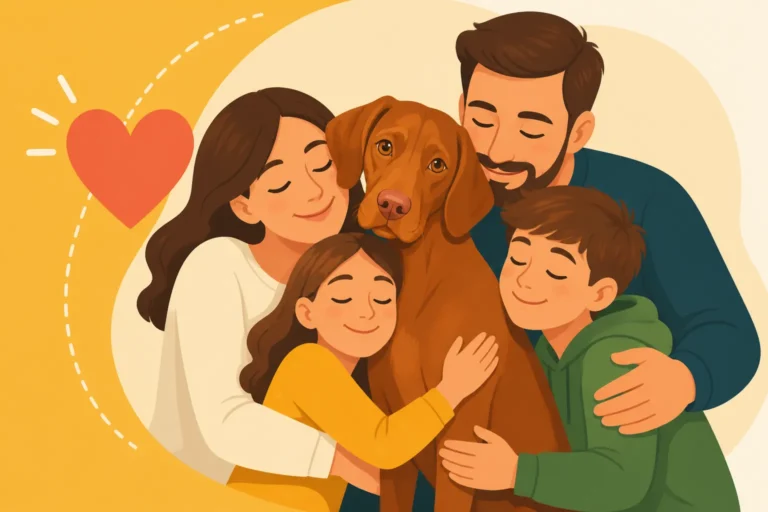
The myth of the Vizsla being a "one-person dog" often arises from observations where a Vizsla seems to follow one specific family member more, or seeks comfort from them primarily. However, this is usually a case of perceived favoritism rather than actual exclusivity. A Vizsla's love isn't a finite resource that gets allocated to just one individual; it's a deep well that can be shared generously. They are highly attuned to human emotions and body language, and they respond to consistency, kindness, and engagement from anyone who provides it. The reality is that Vizslas are typically gregarious and eager to connect with all members of their household, including children, as discussed in A Vizsla in a House With Children.
While one person might be the primary feeder, or the main person who takes them out for their big daily run, a Vizsla will still appreciate and respond to cuddles from another, training sessions from a third, and playtime from a fourth. Their loyalty is to their pack, which is your family. If a Vizsla appears to favor one person, it's usually because that person consistently fulfills certain needs, offers the most positive interactions, or simply has a personality that aligns closely with the dog's own. It's more about compatibility and routine than a deliberate rejection of others.
How Vizslas Develop Bonds with Multiple Individuals
Vizslas are incredibly adaptable when it comes to forming relationships. They are intelligent and quickly learn who provides what within the family dynamic. One person might be the "bringer of breakfast," another the "master of fetch," and yet another the "supreme cuddle provider." A Vizsla will eagerly anticipate and appreciate these different interactions from each person. For example, my neighbor's Vizsla, Ember, bounds with excitement when her husband comes home because he's the one who always initiates a wrestling match, but she'll curl up contentedly for a quiet evening on the sofa with her wife, who provides gentle pats and belly rubs. These varied interactions actually strengthen the Vizsla's overall bond with the entire family, as each member contributes uniquely to their happiness and well-being.
Consistency from all family members is crucial in developing these multi-faceted bonds. If everyone in the household is involved in daily care, training, and play, the Vizsla learns to trust and love each person as a valued member of their pack. Even simple acts like offering a treat, a quick ear scratch, or a moment of shared quiet can reinforce a bond. The more positive experiences a Vizsla has with different individuals, the more secure and affectionate they will become with everyone. This communal approach prevents the dog from feeling like they must rely solely on one person for all their needs, fostering a more balanced and happy home life for everyone involved.
Understanding Perceived Favoritism in a Vizsla
It’s completely normal for a Vizsla to have varying levels of closeness with different people, even within the same household. This isn't necessarily favoritism in a negative sense; it's more about how dogs respond to different personalities, routines, and roles within the family unit. Just like humans have different relationships with various family members or friends, a Vizsla forms unique connections based on shared experiences and consistent interactions.
Why a Vizsla Might Seem to "Prefer" One Family Member
There are several reasons why a Vizsla might gravitate more strongly towards one particular family member. Often, this person is the primary caregiver – the one who consistently feeds them, takes them for walks, and handles the majority of their training. Dogs are creatures of routine, and the person most reliably meeting their basic needs will naturally become a central figure in their world. Additionally, energy levels play a huge role. If one person has a more active, playful energy that matches the Vizsla's own zest for life, they might become the preferred playmate. Conversely, a calmer individual might be sought out for quiet cuddle sessions. My own Vizsla, Copper, will always go to my husband for intense games of tug, but if he's feeling a bit anxious or wants to nap, he'll usually seek me out for a gentle stroke and a quiet spot near my feet.
Another key factor is consistency in positive reinforcement. The person who always uses gentle hands, clear commands, and rewards good behavior will build immense trust and a strong positive association. If one family member is less consistent or perhaps uses a harsher tone, the Vizsla might be more hesitant with them. Vizslas are known for being "soft" dogs; they don't respond well to harsh corrections or yelling, as detailed in The Soft Vizsla That Shuts Down When You Raise Your Voice. They thrive on praise and positive feedback, so the person who provides this most often will likely be the one they view as their safest, most reliable confidante. This isn't about not loving others; it's about forming the deepest sense of security and rapport with one specific individual based on these factors.
The Role of Routine, Training, and Primary Caregiver
The person who establishes and maintains the Vizsla's daily routine often becomes their anchor. If you're the one who wakes up with them, lets them out, feeds them breakfast, and initiates their morning walk, you're building a powerful foundation of trust and dependence. This consistent pattern of care creates predictability and security for the dog. Think about a child who always goes to one parent for comfort after a bad dream – it's not that they don't love the other parent, but that particular parent has become associated with that specific type of reassurance.
Similarly, the primary trainer often develops a very deep bond. Training isn't just about teaching commands; it's about communication, problem-solving, and building a shared language. The person who dedicates time to consistent, positive training sessions, whether it's basic obedience or advanced field work, will forge an intellectual and emotional connection that differs from purely affectionate interactions. How Fast a Vizsla Learns a New Cue highlights their intelligence and responsiveness to good training. When multiple family members participate in training, even with basic cues, it helps the Vizsla view everyone as a source of guidance and positive interaction, rather than just one person. Platforms like BAXTER & Bella offer excellent online resources that make it easy for all family members to learn consistent training techniques, ensuring everyone speaks the same "dog language" and reinforces good behavior together, which is vital for these sensitive dogs.
| Role in the Household | Impact on Vizsla's Bond | Example of Interaction |
|---|---|---|
| Primary Feeder | Strong association with sustenance and routine. | Excitement at meal times, following to kitchen. |
| Primary Exerciser | Builds energetic trust and shared adventure. | Eagerly waits for leash, looks to them for play. |
| Primary Trainer | Establishes communication, respect, and learning. | Responds quickly to commands, seeks guidance. |
| Primary Cuddler | Fosters comfort, security, and emotional warmth. | Seeks out for quiet time, leans into affection. |
| Occasional Player | Creates positive, fun associations. | Enthusiastic greetings, brings toys. |
| All Family Members | Comprehensive, well-rounded bond with the "pack." | General comfort, inclusivity, and shared space. |
Strategies for Fostering Bonds with Everyone in the Home
For a breed as people-oriented as the Vizsla, ensuring they feel connected to every member of the household is paramount. This not only makes for a happier dog but also a more harmonious home. It actively prevents the development of "one-person dog" tendencies and strengthens the overall family unit.
Engaging All Family Members in Care and Training
The most effective way to ensure a Vizsla bonds with everyone is for everyone to actively participate in their care and training. This means sharing responsibilities, not just leaving it to one person. For example, rotate who feeds the dog, who takes them for walks, and who handles grooming tasks like brushing or nail trims. Even small interactions, like a child being allowed to give a supervised treat or throw a ball, can build positive associations. When everyone is involved, the Vizsla learns that all members of the family are sources of good things – food, exercise, play, and comfort.
Regarding training, consistency is key. If one person uses a different command or reward system than another, it can be confusing for your Vizsla. This is where online training programs can be incredibly helpful, as they provide a structured curriculum that everyone can follow. BAXTER & Bella, for instance, offers comprehensive online puppy and dog training programs designed for family involvement, ensuring that everyone learns the same cues and techniques. This consistency allows the Vizsla to respond to anyone's commands, reinforcing their bond with each individual as a trusted leader and guide. Investing in basic training tools like a clicker or a treat pouch from Amazon can also make it easier for every family member to engage in short, positive training sessions throughout the day, reinforcing those crucial bonds.
Building Positive Associations and Shared Experiences
Beyond routine care, it's vital to create unique and positive shared experiences with each family member. This could be anything from a specific game played only with one person, to quiet cuddle time with another. For instance, perhaps one family member is the designated "tug-of-war champion," while another is the "evening movie snuggle buddy." These distinct roles and positive interactions help the Vizsla develop different layers of affection and trust with each person. Ensure that everyone offers high-value treats and plenty of praise, especially when the Vizsla seeks out their attention.
Encourage gentle interactions from younger family members, always supervised, to ensure positive experiences. Teaching children how to respectfully interact with a dog, such as how to approach and pet gently, is essential for building a strong, safe bond. It’s also important for everyone to understand the Vizsla's body language so they can recognize signs of stress or discomfort and respond appropriately. Creating a household where everyone contributes positively to the Vizsla's life will lead to a well-adjusted, confident dog who sees every family member as an important, beloved part of their world. This collective bonding helps prevent any single family member from feeling overwhelmed by the Vizsla’s intensity, or any other family member from feeling excluded.
The Broader Impact of Socialization on Vizsla Relationships
Socialization isn't just about teaching your Vizsla to be polite around other dogs; it's about exposing them to a wide variety of people, environments, and experiences from a young age. For a breed so inherently social, proper socialization is foundational to their ability to form strong, positive relationships with everyone in their lives, not just the immediate family. A well-socialized Vizsla is a confident Vizsla, and confidence often translates to a more open and adaptable nature when it comes to forming bonds.
Early Exposure to Diverse People and Environments
The critical socialization period for puppies, typically between 3 and 16 weeks of age, is incredibly important for a Vizsla. During this time, it's vital to expose them to as many different types of people as possible – men, women, children, people with hats, people with glasses, people in uniforms, people with different gaits or voices. The goal is to make these interactions overwhelmingly positive. Have friends and family visit, ensuring they offer treats and gentle praise. Take your Vizsla puppy to safe, dog-friendly environments where they can observe people from a distance before direct interaction. This broad exposure helps them generalize that "people are good" and reduces the likelihood of them becoming wary or overly attached to only a few familiar faces.
Beyond people, exposing them to different sounds, sights, and textures helps build resilience. This could include walking on various surfaces, hearing traffic noises, experiencing different weather conditions, or encountering common household appliances. A Vizsla puppy that has positive early experiences with a diverse world is far more likely to grow into an adult who is comfortable and confident in many situations and with many different individuals. This early groundwork helps reinforce the idea that affection and positive experiences can come from many sources, not just one. For guidance on navigating this crucial period, consider reading The First Year With a Vizsla Puppy.
Continued Social Interaction for a Well-Adjusted Vizsla
Socialization isn't a one-and-done event; it's an ongoing process throughout a Vizsla's entire life. Even after puppyhood, it's important to continue exposing them to new people and situations. Regular trips to dog-friendly parks, enrollment in obedience classes (which are great for both dog and handler bonding, and exposure to new people), and visits to friends' homes all contribute to maintaining a well-adjusted and outgoing temperament. The more positive experiences your Vizsla has with a variety of individuals, the more comfortable and confident they will be, and the less likely they are to develop an exclusive bond with just one person out of insecurity.
A Vizsla who is frequently exposed to new people and situations, and receives consistent, positive reinforcement from all family members, will understand that their world is a safe and loving place, shared with many wonderful individuals. They will greet visitors with their characteristic enthusiasm and be eager to engage with anyone who offers kind attention. This continuous socialization reinforces their natural inclination towards companionship, ensuring that their "Velcro" nature extends to a wider circle of trusted humans, making them a truly integral and beloved member of the entire family. This helps them manage situations like Whether a Vizsla Grieves a Lost Companion as they have multiple sources of comfort.
Disclaimer
This article is for general informational purposes only and does not constitute professional advice. Laws, prices and regulations vary by location and change over time. Consult a qualified professional for guidance on your specific situation.