How Many Hours a Vizsla Can Be Left Alone
It's a question that keeps so many Vizsla owners up at night: "How long is too long?" You love your energetic, affectionate companion fiercely, but life happens. Work calls, errands pile up, and sometimes you just need to leave the house for a few hours. The guilt can be immense, wondering if your Vizsla is pacing, whining, or worse, destroying your favorite sofa while you're gone. This guide is here to shed light on how much alone time a Vizsla can truly handle, and more importantly, how to set them up for success when you do have to step out.
The Unique Challenge of Leaving a Vizsla Alone
Let's face it, Vizslas aren't exactly known for their independent streak. They're often affectionately, or sometimes exasperatedly, called "Velcro Vizslas" for a reason. This isn't just a cute quirk; it's deeply ingrained in their breed characteristics and history, and it means leaving them alone comes with a unique set of challenges.
The "Velcro Vizsla" Phenomenon and Its Roots
The term "Velcro Vizsla" isn't a joke; it's an accurate description of a dog whose primary directive in life seems to be existing within touching distance of their favorite human. This isn't out of spite or a lack of manners; it's a profound need for companionship and connection that is central to their being. Genetically, they were bred to work closely with hunters, always in tune with their person, seeking direction, and thriving on that partnership. They literally want to be part of your every move, from following you to the bathroom to resting their head on your lap while you work. When you're gone, that strong, intrinsic bond feels fractured, leaving them feeling vulnerable and often anxious. Why They Call It a Velcro Vizsla delves deeper into this fascinating aspect of their personality. It’s not just about missing you; it's about a disruption to their perceived pack structure and a profound sense of unease.
Consider a typical scenario: you're just stepping out to grab groceries, maybe an hour or two. For many other breeds, this might be a non-event. They'd curl up and nap. But for your Vizsla, the closing of that door can trigger an immediate sense of abandonment. They haven't been taught how to self-soothe or truly relax without your presence, because their entire historical purpose revolved around being present with you. This constant need for proximity means that any period of solitude, even a short one, can feel like an eternity to them.
Why Solitude Can Be So Stressful for a Vizsla
Beyond the "Velcro" nature, solitude can be inherently stressful for a Vizsla due to their high intelligence, energy levels, and sensitive disposition. These aren't dogs content to just "chill out" indefinitely. If they're not mentally or physically exhausted, being left alone can quickly lead to boredom, which then spirals into anxiety. Imagine being locked in a room with nothing to do but listen for your favorite person to return, knowing full well you can't join them. It's a recipe for stress.
A Vizsla's keen senses, inherited from generations of hunting, mean they are highly attuned to their environment. Every sound, every shadow, every shift in air currents can be amplified when they're alone, making them jumpy and unsettled. This heightened awareness, coupled with a lack of a clear job or outlet for their energy, frequently manifests as destructive behavior, excessive barking, or even house-soiling – not because they're being naughty, but because they're genuinely distressed. Signs a Vizsla Is Suffering Alone can help you identify these subtle and not-so-subtle cues. It’s a call for help, not an act of defiance. For a Vizsla, being alone isn't just quiet time; it's a state of heightened alert and emotional vulnerability.
Recognizing the Signs Your Vizsla is Struggling With Being Alone
It's easy to dismiss a torn cushion or a "mistake" on the rug as a dog being naughty, but with a Vizsla, these are often clear indicators of underlying stress or anxiety related to being left alone. Understanding these signs is the first step toward helping your loyal companion cope.
Destructive Behavior and Noise
The most obvious signs that your Vizsla is struggling when left alone are often things you come home to. Have you ever walked in to find a shredded pillow, gnawed baseboards, or a pile of torn magazines? This isn't vindictiveness; it's usually an outlet for pent-up anxiety and energy. Chewing releases endorphins, which can be a self-soothing mechanism for an anxious dog. Your Vizsla isn't thinking, "I'll destroy this couch to get back at them"; they're thinking, "I feel overwhelmed and this helps me cope." What an Anxious Vizsla Destroys goes into detail about the common targets of a stressed Vizsla.
Similarly, incessant barking, howling, or whining are clear audible signals of distress. Your neighbors might be the first to inform you of this, or perhaps you've recorded your dog while you're out. These vocalizations are often desperate attempts to call you back, to relieve the intense separation they feel. A Vizsla's whine isn't just a casual sound; it's a nuanced form of communication, and when it escalates to constant barking or howling, it's a strong indication that they are truly unhappy and overwhelmed by their solitude. They're trying to reconnect, to alert you to their discomfort, or simply to express their profound loneliness.
Physical and Emotional Manifestations
Beyond the destruction and noise, Vizslas can exhibit more subtle, yet equally concerning, physical and emotional signs of separation anxiety. Pacing, for instance, can be observed if you have a camera set up. This repetitive movement is a physical manifestation of their restless anxiety, an inability to settle down. Excessive drooling, even when it's not mealtime or excitement, can also be a stress response, similar to how humans might sweat when nervous.
In more severe cases, a Vizsla might engage in self-harm, such as licking or chewing their paws raw, creating "hot spots" out of nervous habit. This is a clear indicator that their emotional distress has reached a critical level. When you return, you might observe a withdrawn demeanor, an initial reluctance to engage, or even exaggerated greetings, followed by a clinginess that suggests deep-seated insecurity. These are not signs of a well-adjusted dog; they are clear cries for help from a sensitive soul who finds prolonged solitude genuinely terrifying. Understanding these nuances is crucial for developing an effective plan to Teaching a Vizsla to Be Alone.
Strategies for Building Tolerance and Managing Alone Time
Helping your Vizsla cope with being alone isn't a quick fix; it's a journey that requires patience, consistency, and a deep understanding of their unique needs. The goal isn't to make them completely independent, but to build their confidence and teach them that your departures are always followed by your return.
Gradual Desensitization and Positive Association
The cornerstone of teaching a Vizsla to tolerate alone time is gradual desensitization. This means starting with very short absences and slowly increasing the duration as your dog becomes comfortable. Begin with simply walking out the door for a few seconds, then returning before they show any signs of anxiety. Don't make a big fuss about leaving or returning. The idea is to make your departure and return as mundane as possible, devoid of emotional drama. Over time, you can extend these periods by minutes, always watching for their comfort level. A training program like BAXTER & Bella’s online puppy school can provide structured lessons and support for this kind of progressive training, guiding you step-by-step through the process.
Pairing your departure with positive associations is also key. Before you leave, provide a high-value, long-lasting chew toy or a puzzle feeder stuffed with something delicious. Think KONGs filled with frozen peanut butter or specialized puzzle toys that require mental effort to get to the reward. These items can distract them, engage their minds, and create a positive link with your absence. When they associate your leaving with a special treat, it helps shift their emotional response from panic to anticipation. Many such enrichment toys are readily available on Amazon, offering a wide variety to keep your Vizsla mentally stimulated. For some Vizslas, a calming aid like a pheromone diffuser or a veterinary-approved supplement might also be beneficial during this training phase, always under the guidance of your vet.
Enriching the Environment and Providing Mental Stimulation
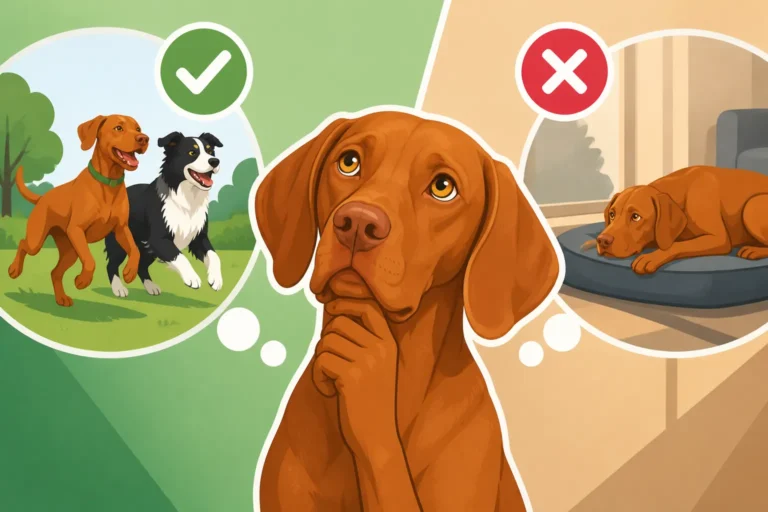
A bored Vizsla is an anxious Vizsla. Before you even think about leaving them alone, ensure they've had adequate physical and mental exercise. A good run, a rigorous training session, or a long walk where they can sniff and explore can make a huge difference. The Two Hours a Vizsla Needs Before It Will Settle is a good benchmark for their daily energy expenditure. A tired Vizsla is much more likely to settle down and rest.
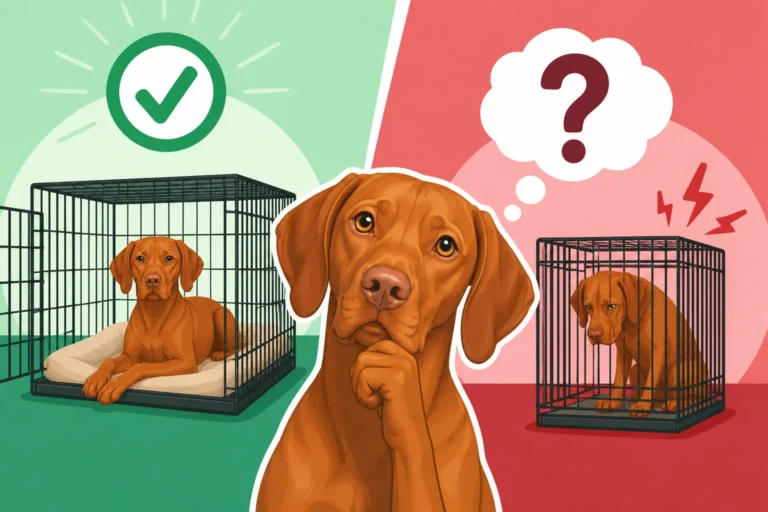
Beyond physical exertion, enriching their environment while you're gone is crucial. This means providing a comfortable, safe space, like a crate if they are properly Whether Crate Training Helps a Vizsla and view it as their den. Ensure they have access to fresh water, a favorite bed, and a few safe toys that they only get when you leave. Background noise, like a radio or TV, can also help muffle outside sounds that might trigger anxiety. Consider setting up a pet camera to monitor their behavior in real-time, allowing you to gauge their progress and intervene if necessary. Seeing their body language can tell you if they're calmly napping or if they're pacing and distressed.
Practical Limits: How Long is Too Long?
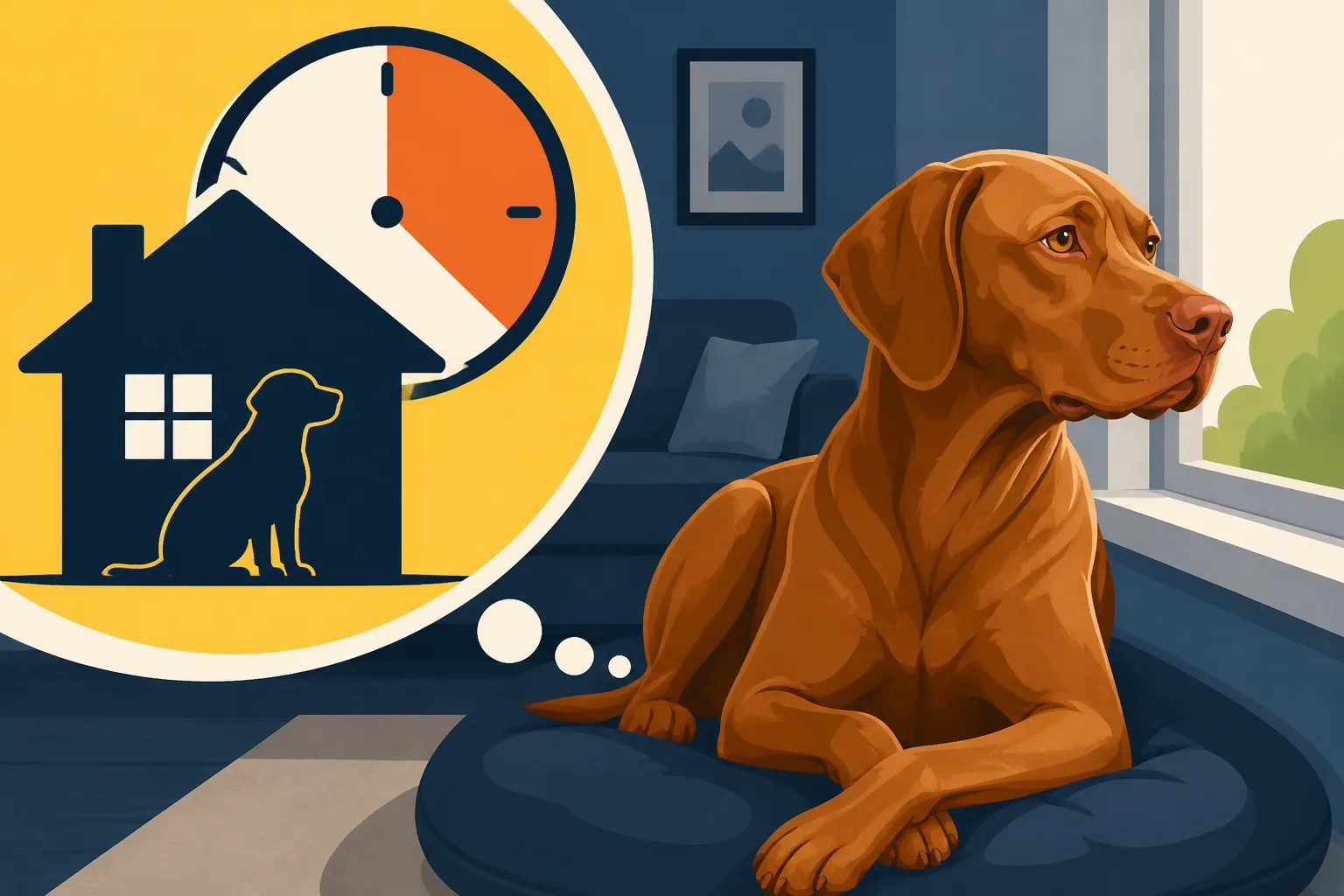
While every Vizsla is an individual, there are general guidelines for how long they can reasonably be left alone, which vary significantly with age and individual temperament. Ignoring these limits can have serious consequences for their well-being and your home.
Age-Appropriate Expectations
The amount of time a Vizsla can comfortably be left alone changes dramatically throughout their life.
- Puppies (8 weeks – 6 months): This is the most delicate stage. Puppies have tiny bladders, need frequent potty breaks, and require constant supervision for socialization and preventing destructive habits. At two to three months, they can typically only hold it for 2-3 hours, and emotionally, they need much more frequent interaction. Expecting a young Vizsla puppy to be alone for an entire workday is simply unrealistic and unfair. The First Year With a Vizsla Puppy highlights the intensive care needed during this crucial period.
- Adolescents (6 months – 2 years): As they mature, their bladder control improves, but their energy and curiosity hit new peaks. While they might physically be able to hold it for 4-6 hours, mentally, they still crave interaction and can get bored quickly, leading to destructive behaviors. This is often the age when Vizslas end up in rescue because owners underestimate their needs.
- Adults (2 years – 8 years): A well-exercised and properly trained adult Vizsla can potentially manage 4-6 hours alone, maybe stretching to 8 hours on rare occasions if they've had significant exercise and mental stimulation beforehand and have a comfortable routine. However, daily 8-hour stretches are pushing the limits for most Vizslas and can lead to chronic stress or behavioral issues. They thrive on human companionship, and being consistently alone for long periods goes against their very nature.
- Seniors (8+ years): Older Vizslas might sleep more, but they can also develop age-related anxieties, bladder control issues, or require more frequent potty breaks. Their tolerance for solitude might decrease again, and they might need shorter, more frequent check-ins.
Here's a general guide:
| Age of Vizsla | Maximum Recommended Alone Time (Daily) | Considerations |
|---|---|---|
| 8 weeks – 3 months | 1-2 hours (rarely) | Very frequent potty breaks, high need for socialization and supervision. |
| 3 months – 6 months | 2-3 hours | Developing bladder control, still prone to anxiety and destructive chewing. |
| 6 months – 1 year | 3-4 hours | Adolescent energy, prone to boredom, need for mental stimulation and exercise. |
| 1 year – 2 years | 4-5 hours | Strongest energy drive, can become destructive if under-exercised/under-stimulated. |
| 2 years – 8 years | 4-6 hours (max 8 on rare occasions) | Requires significant exercise and mental stimulation before being left. |
| 8+ years | 3-5 hours | May have reduced bladder control, increased anxiety, or physical discomfort. |
This table represents maximums and assumes optimal preparation. Most Vizslas would prefer less time alone.
The Importance of Exercise and Mental Stimulation Before You Leave
You can't expect your Vizsla to be calm and relaxed when left alone if they're bursting with unspent energy. A solid exercise routine before you depart is not just a good idea; it's absolutely essential. Think of it as "emptying their tank" – both physically and mentally. This doesn't just mean a quick stroll around the block; it means a vigorous run, a long session of fetch, an hour at a dog park, or some intense training that engages their intelligent minds.
For many Vizslas, this could mean an hour or more of high-intensity activity in the morning, followed by a mentally stimulating puzzle toy when you leave. A good rule of thumb is to aim for at least an hour of dedicated, intense activity before a longer absence. If your Vizsla is panting happily and ready for a nap when you finally walk out the door, you’ve done a good job. If they’re still bouncing off the walls, then any subsequent destructive behavior or anxiety is less about their inability to cope with being alone, and more about your failure to meet their fundamental exercise needs. Ensuring they are truly tired, both body and mind, is one of the most effective strategies for helping them settle peacefully in your absence.
Ultimately, while life demands that we sometimes leave our beloved Vizslas, understanding their deep need for companionship, recognizing their signs of distress, and implementing thoughtful strategies can make all the difference. With patience, training, and a commitment to their physical and mental well-being, you can help your Vizsla not just tolerate, but genuinely cope with their alone time, minimizing stress for both of you.
Disclaimer
This article is for general informational purposes only and does not constitute professional advice. Laws, prices and regulations vary by location and change over time. Consult a qualified professional for guidance on your specific situation.