Whether a Second Dog Fixes a Vizsla’s Anxiety
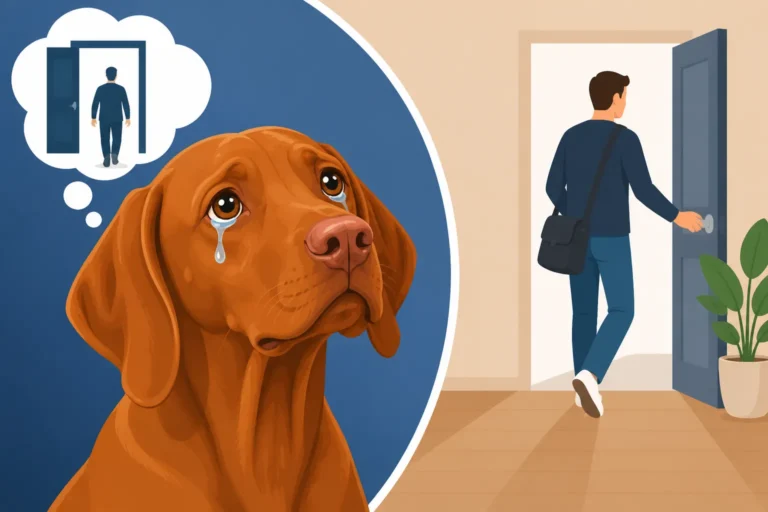
It’s a heartbreaking sight: coming home to a dog that has been pacing, drooling, or even destroying furniture because you left them alone. Many Vizsla owners face the intense, sometimes debilitating, separation anxiety that can plague this highly sensitive and bonded breed, and often, the first thought that comes to mind is, "Maybe they just need a friend." This guide will explore whether bringing a second dog into your home truly is the solution to a Vizsla's anxiety, diving into the nuances of canine companionship and offering a realistic look at this common coping strategy.
Understanding Vizsla Anxiety: More Than Just Loneliness
Vizslas are renowned for their affectionate, "Velcro" nature. They thrive on human companionship, often following their people from room to room, leaning their entire weight against them, and seeking constant physical contact. This intense bond, while charming, can make them particularly susceptible to anxiety when separated from their beloved humans. It's not just a passing case of the blues; for many Vizslas, separation anxiety is a genuine panic attack.
The Root Causes of Vizsla Anxiety
Vizslas are bred to be attentive, working partners, and that deep-seated need to be with their person can manifest as profound distress when left alone. It's not a spiteful behavior; it's a genuine emotional response. Their ancestry as close hunting companions means they are hardwired to feel part of a pack, and for most pet Vizslas, their human family is that pack. When the pack leader (you!) leaves, their world can feel like it's falling apart.
Sometimes, anxiety can stem from early experiences, like being separated from littermates too soon, or a lack of proper socialization and desensitization to being alone as a puppy. A move to a new home, a change in routine, or even a traumatic event can trigger anxiety in an otherwise calm dog. It's crucial to remember that a Vizsla's anxiety isn't a sign of poor training or a lack of love; it's a deeply ingrained behavioral challenge that requires empathy and a structured approach. They aren't trying to be "bad;" they are genuinely suffering.
Common Symptoms of an Anxious Vizsla
The signs of anxiety in a Vizsla can range from subtle cues to overt destruction, and they almost always occur when the dog is left alone, or sometimes even in anticipation of being left alone. Owners often report coming home to a scene of chaos, but many symptoms happen quietly. For instance, a Vizsla might start panting or pacing excessively before you even walk out the door, picking up on your pre-departure cues. They might try to block your exit or whine mournfully as you reach for your keys.
Once alone, the symptoms can escalate. Destructive chewing, often focused on exit points like door frames, window sills, or gates, is very common. You might find evidence of your Vizsla desperately trying to dig or chew its way out of a crate or room. Inappropriate urination or defecation, even in a perfectly house-trained dog, is another distressing symptom, as is excessive barking, howling, or whining, which can lead to neighbor complaints. Some Vizslas will self-mutilate, licking or chewing their paws until they are raw, or developing hot spots. Knowing What an Anxious Vizsla Destroys can help you recognize the depth of their distress. It's important to differentiate these behaviors from simple boredom; true anxiety involves genuine panic.
The Appeal of a Second Dog: A Companion's Promise
The idea of getting a second dog to alleviate a Vizsla's anxiety is incredibly tempting. It makes intuitive sense: if your dog is lonely, why not give them a friend? Many people picture their two Vizslas curled up together, offering comfort and distraction from the absence of their human family. This vision of canine companionship is often the driving force behind the decision, fueled by a desire to ease their beloved pet's suffering.
The Theory: Distraction and Security
The fundamental theory behind this approach is that a second dog provides constant companionship, effectively filling the void left by your departure. The new dog acts as a distraction, engaging the anxious Vizsla in play or rest, thereby reducing the focus on your absence. Furthermore, the presence of another dog can offer a sense of security. Dogs are pack animals, and having another member of their immediate "pack" present might make the anxious Vizsla feel less vulnerable or alone. It’s hoped that the more confident dog will model calm behavior for the anxious one, showing them that being alone isn't something to fear. This can sometimes work, especially if the primary issue is indeed loneliness rather than deep-seated panic.
Initial Observations: When It Seems to Work
In some fortunate cases, introducing a second dog does appear to improve the situation. Owners might report a noticeable decrease in destructive behavior, less vocalization, or fewer "accidents" when they return home. The two dogs might engage in play or nap together, suggesting that the presence of a companion truly provides comfort. This is most likely to happen if the original Vizsla's anxiety was mild and primarily stemmed from boredom or a mild form of loneliness, rather than severe panic.
For instance, if your Vizsla typically just whined for a few minutes after you left and then settled, a second dog might provide just enough stimulus to keep them occupied and happy. The new dog's calm demeanor might genuinely rub off on the first, leading to a more relaxed household overall. However, these successes, while wonderful, often represent a specific set of circumstances where the anxiety wasn't deeply rooted or complex. You might feel a sense of relief, thinking you've found the magic bullet, but it's important to approach this with caution.
The Reality: When a Second Dog Doesn't Solve the Problem
While the idea of a canine companion easing anxiety is appealing, the reality is often more complex. For many Vizslas suffering from true separation anxiety, a second dog might not be the panacea you hoped for, and in some cases, it can even exacerbate existing issues or create new ones.
Transferring Anxiety or Creating New Issues
One of the most common pitfalls is that the anxious Vizsla doesn't actually "learn" to be calm from the new dog. Instead, their anxiety can transfer to the new companion. Imagine a nervous person constantly fretting next to someone who is trying to relax; it's hard not to absorb some of that tension. The anxious Vizsla might still panic, but now they are doing it with an audience, potentially teaching the new dog to also become anxious when left alone. This can lead to two anxious dogs instead of one, doubling your challenges.
Furthermore, introducing a new dog brings its own set of dynamics. There might be competition for resources, attention, or even sleeping spots. If the new dog is boisterous or demanding, it could stress the already anxious Vizsla, leading to conflicts or further insecurity. Instead of finding comfort, the anxious dog might feel their safe space has been invaded, making their world even more unpredictable and frightening. Ensuring a smooth integration is paramount, and often overlooked when focusing solely on the "anxiety fix." You need to consider A Vizsla Meeting the Dog You Already Have very carefully.
When Companionship Isn't Enough
True separation anxiety isn't just about being alone; it's often a deep-seated panic response to the absence of a specific individual or the perceived abandonment. This means that even with another dog present, the core issue of being separated from their primary attachment figure (you!) remains. The anxious Vizsla might still engage in destructive behaviors, vocalization, or house-soiling, even with their canine friend right beside them. The other dog is simply not you.
Think of it like this: if a child is afraid of the dark and their parent leaves the room, bringing in another child might offer some comfort, but it doesn't eliminate the fundamental fear of the parent's absence. The same applies to many Vizslas. Their primary bond is with their human, and no amount of canine companionship can replicate that specific connection that alleviates their panic. In these cases, it becomes clear that the problem is not a lack of a companion, but the lack of their specific human companion.
The Double Trouble Scenario
Beyond not solving the original problem, adding a second dog can inadvertently create a "double trouble" situation. If the original Vizsla's anxiety remains, you now have twice the mess, twice the noise, and twice the potential for damage. The financial and time commitment also doubles, from food and vet bills to grooming and exercise needs. What started as an attempt to simplify life by solving one problem can quickly become an overwhelming challenge.
| Aspect | Potential Benefit of a Second Dog (if successful) | Potential Risk of a Second Dog (if unsuccessful) |
|---|---|---|
| Anxiety Reduction | Provides distraction and a sense of presence. | Anxiety transfers to new dog, or original anxiety persists. |
| Behavioral Modeling | Confident new dog teaches calm behavior. | Anxious dog teaches new dog to be anxious. |
| Companionship | Fills void of human absence with canine interaction. | New dog doesn't replace human bond; might cause conflict. |
| Household Harmony | Two dogs entertain each other, less reliance on human. | Increased barking, destructive behavior from two dogs. |
| Financial Cost | Minimal increase if current dog is low-cost. | Double the food, vet, grooming, and potential damage costs. |
| Time Commitment | Two dogs might exercise together, less human-led activity. | Two dogs mean double the training, walks, and attention needs. |
This scenario can be incredibly stressful for owners who are already struggling with one anxious dog, leading to burnout and frustration. It's a significant risk to take without first addressing the core anxiety issues in the first dog, and understanding that a second dog is not a substitute for behavioral modification.
Careful Considerations Before Getting a Second Vizsla
Deciding to bring another dog into your home is a huge commitment, and doing so specifically to address an existing Vizsla's anxiety requires even more careful thought. It's not a decision to be made lightly, and rushing into it without proper planning can lead to more stress for everyone involved.
Temperament Matching and Energy Levels
One of the most critical factors for success, if you do decide to get a second dog, is finding the right match in terms of temperament and energy level. A Vizsla is a high-energy breed; they need The Two Hours a Vizsla Needs Before It Will Settle every day. Introducing a mellow, low-energy dog might not provide the mental and physical stimulation your Vizsla needs, and might even frustrate them. Conversely, bringing in another high-energy, boisterous dog could overwhelm an already anxious Vizsla, leading to increased stress or competition.
The ideal companion for an anxious Vizsla would be a calm, confident, and stable dog that isn't prone to anxiety themselves. This dog should be able to tolerate the anxious behaviors without adopting them, and ideally, provide a calming influence. However, finding such a dog with a compatible energy level for a Vizsla can be challenging. A BAXTER & Bella trainer could offer guidance on assessing temperament and choosing a second dog that might complement, rather than complicate, your existing Vizsla's needs. Remember, a new puppy brings its own set of training needs and boundless energy, which might be too much for an anxious adult dog.
The Financial and Time Commitment
Even if a second dog theoretically could help, the practicalities are significant. The financial commitment doubles almost immediately. You're looking at twice the cost for food, routine vet care, vaccinations, and potentially unexpected medical emergencies. Vizslas, being prone to certain health issues, can accumulate significant vet bills over their lifespan, and two dogs simply compound this risk. What a Vizsla Costs a Year to Keep should be carefully reviewed and then doubled.
Beyond money, there's the time commitment. Two dogs mean twice the training, exercise, and attention. While they might play together, you still need to dedicate individual time to each dog to strengthen your bond and ensure their individual needs are met. If you're already struggling to provide enough exercise for one Vizsla – and they need a lot, as detailed in The Exercise a Vizsla Needs Every Day – then adding a second will stretch your resources even further. If your current Vizsla's anxiety stems from insufficient mental and physical stimulation, adding another dog without increasing your overall time commitment is unlikely to solve anything.
Introducing a New Dog to an Anxious Vizsla
The introduction process itself can be a significant source of stress for an anxious Vizsla. It's not as simple as just bringing a new dog home and letting them figure it out. Proper, supervised introductions in neutral territory are crucial to set a positive foundation. This involves managing initial greetings, supervising all interactions, and providing separate spaces for each dog, especially during feeding and rest times.
Anxious dogs often struggle with change, and a new addition is a massive change. Even if the new dog has a wonderful temperament, the anxious Vizsla might still react negatively out of fear or insecurity. A gradual integration process, potentially spread over weeks or even months, is often necessary. This might require additional resources, such as separate crates, playpens, or gates, to ensure both dogs feel safe and secure during the adjustment period. Taking things slowly and monitoring your anxious Vizsla's reactions closely is paramount to avoid exacerbating their stress.
Effective Strategies for Managing Vizsla Anxiety
Instead of hoping a second dog will be a magic bullet, focusing on proven strategies to address the root causes of your Vizsla's anxiety is almost always the more effective and responsible approach. This often involves a multi-faceted plan that builds confidence, provides appropriate outlets, and creates a secure environment.
Building Independence and Confidence
A key component of tackling separation anxiety is teaching your Vizsla that being alone is okay. This isn't about being mean or aloof; it's about gradually desensitizing them to your absence and building their confidence in their own ability to cope. Start with very short absences, literally seconds, and gradually increase the duration. Use a camera (many affordable options are available on Amazon) to monitor their behavior when you're gone, so you know exactly when they start to get anxious. This feedback is invaluable for tailoring your training.
Practice "alone time" even when you are home. This might mean crating them in another room while you work or placing a baby gate to create a temporary boundary. Give them a special, high-value chew toy or a stuffed Kong only when you leave or put them in their designated "alone spot." This helps them associate your departure with something positive and distracting. Learning Teaching a Vizsla to Be Alone is fundamental to this process.
Enrichment and Exercise: The Vizsla's True Needs
Often, what looks like anxiety can be exacerbated by insufficient mental and physical stimulation. Vizslas are high-drive dogs; they need a job. If they're not getting enough exercise and mental enrichment, they can become restless, destructive, and generally stressed, which can mimic or worsen anxiety symptoms. Running, hiking, swimming, and scent work are excellent ways to tire out a Vizsla both physically and mentally. A long hike in the morning, for example, can help them settle more easily when you leave. For specific activities, consider Whether a Vizsla Can Hike All Day or Whether a Vizsla Suits Canicross.
Beyond physical exertion, mental enrichment is crucial. Puzzle toys, snuffle mats, and training sessions keep their intelligent minds engaged. Rotate toys frequently to maintain novelty. Practicing obedience commands, learning new tricks, or engaging in scent games can be incredibly tiring for a Vizsla. When they are mentally and physically satisfied, they are much more likely to relax when left alone.
Professional Guidance and Training Tools
For moderate to severe separation anxiety, professional help is often indispensable. A certified professional dog trainer or a veterinary behaviorist can help you develop a tailored behavior modification plan. They can identify triggers, assess the severity of the anxiety, and guide you through structured desensitization and counter-conditioning protocols. These experts often have experience with Vizslas and their unique sensitivities. For example, a professional might recommend specific tools or techniques, like a sound machine to block outside noises, or a safe, comfortable crate for denning, which can be immensely helpful (learn more about Whether Crate Training Helps a Vizsla).
In some cases, especially with severe anxiety, medication may be a necessary component of the treatment plan, alongside behavioral modification. This isn't a quick fix, but it can help lower your Vizsla's overall anxiety levels enough for them to be receptive to training. Always consult with your veterinarian about medication options. There are also many excellent online resources, like those offered by BAXTER & Bella, that can provide structured training programs for managing anxiety and building a well-adjusted dog. These can be particularly helpful if you need guidance on specific techniques like "settle" commands or desensitization protocols.
Creating a Safe and Predictable Environment
Dogs thrive on routine and predictability. Establishing a consistent daily schedule for feeding, walks, play, and quiet time can significantly reduce anxiety. A predictable routine signals to your Vizsla what to expect, making them feel more secure. This also applies to your departures; try to make your exits and entrances as low-key as possible. Avoid dramatic goodbyes or excited greetings; simply leave and return calmly.
Designate a safe, comfortable space for your Vizsla, such as a cozy crate or a dog bed in a quiet room, where they can retreat and feel secure when you're away. This "den" should be a positive place, not used for punishment. Ensure it's warm, especially given their thin coats, perhaps with a soft blanket or a heated bed from Amazon, which can provide immense comfort. This safe space gives them a sense of control and a place to decompress, whether you're home or not. Understanding Whether a Vizsla Sleeps Under the Covers speaks to their need for warmth and security.
Ultimately, addressing Vizsla anxiety is a journey that requires patience, consistency, and a deep understanding of your dog's individual needs. While the temptation to bring in a second dog is strong, it's rarely a standalone solution and can often complicate matters if the underlying issues aren't tackled directly. Focusing on targeted training, enrichment, and professional support offers the most reliable path to a calmer, more confident Vizsla.
Disclaimer
This article is for general informational purposes only and does not constitute professional advice. Laws, prices and regulations vary by location and change over time. Consult a qualified professional for guidance on your specific situation.