Whether Medication Helps an Anxious Vizsla
It’s heartbreaking to watch your beloved Vizsla struggle with anxiety. That vibrant, energetic companion you adore can suddenly transform into a shadow of themselves, pacing endlessly, destroying furniture, or even harming themselves when left alone or faced with overwhelming situations. This guide aims to explore the multifaceted topic of Vizsla anxiety, diving deep into whether medication offers a viable path to relief, when to consider it, and what that journey might look like for you and your furry friend.
Understanding the Anxious Vizsla Mind
Vizslas are known for their incredible intelligence, boundless energy, and profound attachment to their human families. They are often called "Velcro Vizslas" for a reason – they thrive on companionship and physical closeness. While this devotion is one of their most endearing qualities, it also makes them particularly prone to anxiety, especially when their fundamental needs for connection, exercise, and mental stimulation aren't fully met. It's not a flaw in their character; it's a deeply ingrained part of their breed.
Common Manifestations of Vizsla Anxiety
Anxiety in Vizslas can show up in many different ways, and it’s not always obvious. Sometimes, it’s a full-blown panic attack when you walk out the door, and other times, it’s a subtle, constant unease. Owners often describe a feeling of walking on eggshells around their dog, trying to avoid triggers.
Some common signs include:
- Destructive behavior: Chewing on door frames, furniture, or inappropriate items, often escalating when left alone. This isn't naughtiness; it's a coping mechanism. What an Anxious Vizsla Destroys
- Excessive vocalization: Constant whining, barking, or howling, especially when separated from you. It’s their way of crying out for help.
- House-soiling: Urinating or defecating indoors, even if perfectly house-trained, which can be a sign of extreme stress.
- Pacing and restlessness: Unable to settle, constantly moving around, even when tired.
- Licking and chewing: Self-mutilation, such as licking paws raw or chewing at their tail or flanks, leading to hot spots or infections. Whether a Vizsla Licks Itself Raw From Stress
- Trembling or shaking: Especially in new environments or when facing a perceived threat.
- Hyper-vigilance: Constantly scanning their surroundings, reacting strongly to noises or movements.
- Drooling or panting excessively: Beyond what's normal for their activity level or temperature.
- Loss of appetite or overeating: Stress can manifest in digestive issues or changes in eating habits.
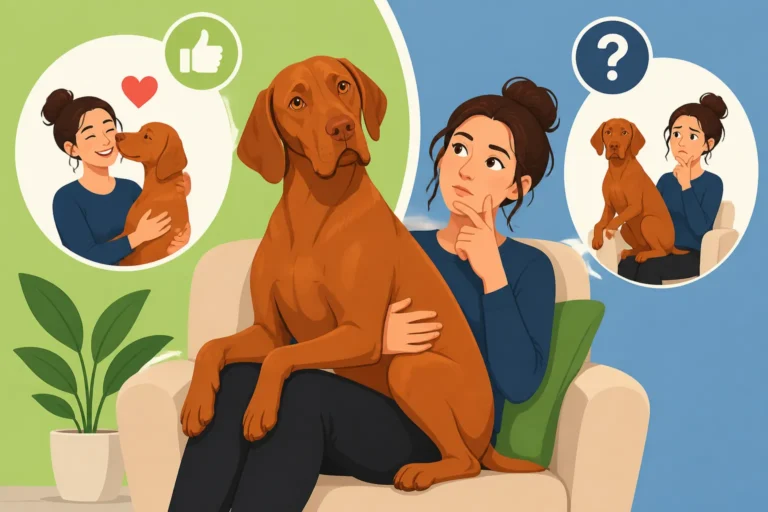
- Shadowing and clinginess: Following you from room to room, unable to be out of your sight. Whether Every Vizsla Is a Velcro Dog
These behaviors aren't just frustrating; they indicate genuine distress in your Vizsla. Recognizing these signs early is crucial for seeking appropriate help.
Why Vizslas Are Prone to Anxiety
Their sensitive nature and strong bond with humans make Vizslas uniquely susceptible to certain types of anxiety.
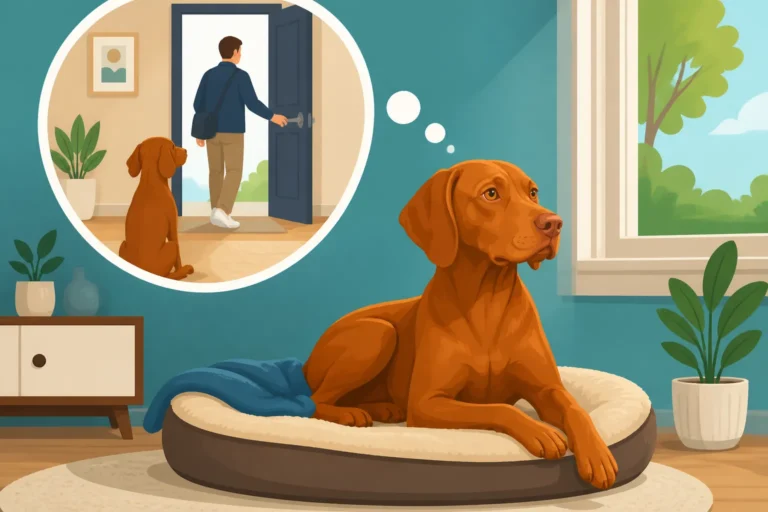
- Separation Anxiety: This is perhaps the most well-known anxiety issue in Vizslas. Their desire for constant companionship means that being left alone, even for short periods, can trigger intense panic. It's not just boredom; it's a deep-seated fear of abandonment. How Many Hours a Vizsla Can Be Left Alone
- Noise Phobias: Thunderstorms, fireworks, or even loud household noises can send a sensitive Vizsla into a tailspin. Their keen hearing and nervous disposition can turn common sounds into terrifying events.
- General Anxiety: Some Vizslas simply have a higher baseline level of anxiety, making them prone to worry in various situations, whether it's visitors, car rides, or changes in routine. This can often be genetic, passed down from anxious parents.
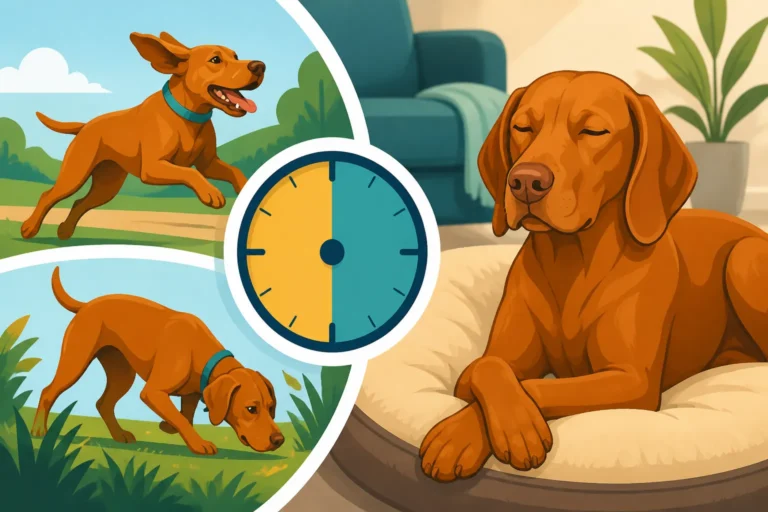
- Lack of Stimulation: An under-exercised or under-stimulated Vizsla, both mentally and physically, is a recipe for anxiety. Their high energy and intelligence require significant outlets, and without them, that energy can turn inward and manifest as nervous behaviors. The Two Hours a Vizsla Needs Before It Will Settle
Understanding the root cause of your Vizsla's anxiety is the first step toward finding effective management strategies.
Non-Medication Approaches: Building a Foundation of Calm
Before considering medication, it’s vital to establish a solid foundation of behavioral modification, environmental management, and lifestyle adjustments. Medication is rarely a standalone solution; it works best when combined with other strategies.
Training and Behavioral Modification
Positive reinforcement training is paramount for an anxious Vizsla. Harsh corrections or punitive methods will only escalate their fear and undermine their trust in you. Why Harsh Handling Ruins a Vizsla Instead, focus on building confidence and rewarding calm behavior.
- Desensitization and Counter-Conditioning: This involves gradually exposing your Vizsla to their triggers at a low intensity while simultaneously associating the trigger with something positive, like high-value treats or praise. For separation anxiety, this might mean starting with short absences (seconds!) and slowly increasing the duration, ensuring they remain calm throughout.
- Structured Training: Engage in regular, fun training sessions to build their confidence and give them a sense of purpose. This can include obedience, scent work, or even trick training. Platforms like BAXTER & Bella offer excellent online resources that use positive, force-free methods, which are ideal for sensitive Vizslas. Their step-by-step guides can help you implement effective training strategies from the comfort of your home, reinforcing positive behaviors.
- Crate Training: For some Vizslas, a properly introduced crate can become a safe den, a place where they feel secure and can retreat from overwhelming stimuli. It should never be used as punishment. Whether Crate Training Helps a Vizsla
- Enrichment: Puzzle toys, chew items, and interactive feeders can provide mental stimulation and distract an anxious Vizsla, especially when you need to leave them alone. Look for durable, engaging options on Amazon that will hold their attention.
Lifestyle and Environmental Management
Your Vizsla's daily routine and living environment play a huge role in their overall stress levels.
- Consistent Routine: Dogs thrive on predictability. A consistent schedule for meals, potty breaks, exercise, and training can reduce uncertainty and thus anxiety.
- Adequate Exercise: A tired Vizsla is often a calmer Vizsla. Ensure your dog gets plenty of physical exercise tailored to their needs, which for this breed, means a lot! Running, hiking, swimming, or playing fetch are all great options. The Exercise a Vizsla Needs Every Day
- Mental Stimulation: Beyond physical exercise, Vizslas need to use their brains. Scent games, chew toys, and training sessions keep their minds engaged and prevent boredom-induced anxiety.
- Safe Space: Create a designated quiet space in your home where your Vizsla can retreat when feeling overwhelmed, such as their crate, a cozy bed in a quiet room, or a corner with a blanket over it.
- Calming Aids: Over-the-counter calming supplements containing ingredients like L-theanine, tryptophan, or CBD can sometimes help mild anxiety. Pheromone diffusers or sprays designed for dogs can also contribute to a calmer environment. Always discuss these with your vet before introducing them.
When Medication Becomes a Consideration
Despite your best efforts with training and environmental adjustments, some Vizslas' anxiety levels remain debilitating. This is when medication, prescribed by a veterinarian, can be a valuable tool. It's not a magic bullet, but it can significantly lower their anxiety threshold, making them more receptive to behavioral training and able to cope better with daily life.
The Role of Your Veterinarian and Board-Certified Veterinary Behaviorist
The decision to medicate should always be made in consultation with your veterinarian. They will conduct a thorough physical examination to rule out any underlying medical conditions that could be causing or exacerbating the anxiety. Pain, hormonal imbalances (like Thyroid Failure in a Vizsla), or other health issues can manifest as behavioral changes.
For complex or severe cases, your vet might refer you to a board-certified veterinary behaviorist. These specialists have advanced training in animal behavior and pharmacology and can create a comprehensive treatment plan that often integrates medication with advanced behavioral modification techniques. They are truly experts in diagnosing and treating behavioral disorders like severe anxiety.
Identifying the Need for Medication
How do you know if your Vizsla's anxiety warrants medication? Consider these factors:
- Severity of Symptoms: Is your Vizsla's anxiety severe enough to significantly impact their quality of life, or yours? Are they frequently in a state of panic, causing self-harm, or destroying your home? Signs a Vizsla Is Suffering Alone
- Lack of Progress with Behavioral Modification: Have you consistently applied appropriate training and environmental changes for several weeks or months without significant improvement?
- Safety Concerns: Is your Vizsla's anxiety leading to behaviors that could be dangerous to themselves (e.g., self-mutilation, escaping and getting lost) or others (e.g., reactivity born of fear)?
- Underlying Medical Conditions Ruled Out: Your vet has confirmed there are no other health issues causing the anxiety.
Medication can help "turn down the volume" on your Vizsla's anxiety, allowing them to learn and respond to training more effectively. It creates a window of opportunity for behavioral changes to take hold.
Types of Medications and What to Expect
If medication is deemed appropriate, your vet will likely discuss a few different classes of drugs. It's a journey of finding the right fit, and it often involves patience and careful observation.
Common Medication Classes
The primary types of medications used for canine anxiety fall into two main categories: daily medications (often antidepressants or anxiolytics) and situational medications.
1. Daily Medications (for chronic anxiety)
These medications work by altering brain chemistry over time, typically requiring several weeks to reach their full therapeutic effect. They are prescribed for generalized anxiety, severe separation anxiety, or other chronic anxiety disorders.
- Selective Serotonin Reuptake Inhibitors (SSRIs): These increase the amount of serotonin in the brain, which helps regulate mood and reduce anxiety. Examples include fluoxetine (often marketed as Reconcile or Prozac), paroxetine, and sertraline.
- Tricyclic Antidepressants (TCAs): Similar to SSRIs, TCAs also affect neurotransmitters like serotonin and norepinephrine. Clomipramine (Clomicalm) is a commonly used TCA for canine anxiety.
- Other Anxiolytics: Medications like buspirone can be prescribed, particularly for generalized anxiety, and work differently from SSRIs or TCAs.
It's important to understand that these aren't sedatives; they aim to restore chemical balance in the brain, making your Vizsla feel less anxious and more capable of learning new coping mechanisms.
2. Situational Medications (for acute anxiety)
These are faster-acting medications given only when anticipating a known anxiety-inducing event, such as thunderstorms, vet visits, or travel.
- Benzodiazepines: Drugs like alprazolam (Xanax) or diazepam (Valium) provide rapid relief from acute anxiety but can cause sedation. They are generally used short-term due to potential for tolerance and dependence.
- Other Fast-Acting Anxiolytics: Trazodone and gabapentin are commonly used off-label for situational anxiety. They can help calm a dog without the profound sedation often seen with benzodiazepines.
- Dexmedetomidine (Sileo): This is a newer gel formulation designed specifically for noise aversion in dogs, applied to the gums for rapid absorption. It helps reduce fear and anxiety without heavy sedation.
The Medication Journey: A Step-by-Step Approach
Starting an anxious Vizsla on medication isn't a one-and-done solution. It's a process that requires commitment and close communication with your vet.
- Diagnosis and Baseline Assessment: Your vet will thoroughly evaluate your Vizsla's health and anxiety symptoms. This might include questionnaires for you to fill out, detailing your dog's behaviors.
- Choosing the Right Medication: Based on the type and severity of anxiety, your vet will select an appropriate medication. They will explain the mechanism, potential side effects, and expected timeline.
- Titration Period: Most daily medications start at a lower dose and are gradually increased (titrated) until the optimal therapeutic dose is reached. This minimizes side effects.
- Monitoring and Adjustment: This is critical. You'll need to closely observe your Vizsla for changes in behavior, improvements, and any side effects. Keep a journal! Regular check-ins with your vet, usually every few weeks initially, are necessary to adjust the dosage or switch medications if needed. It can take several attempts to find the medication and dosage that works best.
- Combination Therapy: Often, a combination of a daily medication for underlying anxiety and a situational medication for specific triggers (like fireworks) proves most effective.
- Continuing Behavioral Modification: Remember, medication makes your Vizsla more receptive to training. You must continue with positive reinforcement, desensitization, and environmental management. Medication isn't a substitute for these foundational elements. A good online training program, perhaps one like BAXTER & Bella, can be invaluable here for consistent application.
Potential Side Effects and Considerations
Just like with humans, medications can have side effects. It’s important to be aware of them, but also to remember that the benefits of relieving severe anxiety often outweigh the risks.
- Common Side Effects: Lethargy, decreased appetite, upset stomach (vomiting, diarrhea), or changes in sleep patterns are some of the more common, usually mild, side effects that often resolve as the dog adjusts to the medication.
- Serious Side Effects: More serious, but rare, side effects can include liver or kidney issues, or changes in heart rate. Your vet will discuss these and may recommend baseline blood work and periodic monitoring.
- Drug Interactions: Always inform your vet of any other medications, supplements, or even flea/tick preventatives your Vizsla is taking to avoid adverse interactions.
- Never Stop Abruptly: Most anxiety medications should not be stopped suddenly, as this can lead to withdrawal symptoms or a rebound of anxiety. Your vet will guide you on how to gradually taper off the medication if it's no longer needed or if you're switching to another one.
Here’s a simplified comparison of common approaches to Vizsla anxiety:
| Approach | Description | Pros | Cons |
|---|---|---|---|
| Behavioral Mod. | Positive reinforcement training, desensitization, counter-conditioning. | Addresses root cause, builds confidence, no drug side effects. | Requires significant time/consistency, slow results for severe cases. |
| Environmental Mgmt. | Providing a safe space, routine, enrichment, adequate exercise. | Foundational, no drug side effects, supports overall well-being. | May not be enough for severe anxiety, requires owner dedication. |
| Calming Supplements | OTC products with natural ingredients like L-theanine, tryptophan, pheromones. | Non-pharmaceutical, few side effects (if any), easily accessible. | Efficacy varies greatly, often only helpful for very mild anxiety. |
| Daily Medication | SSRIs, TCAs (e.g., fluoxetine, clomipramine) for chronic anxiety. | Lowers baseline anxiety, makes training more effective, improves QoL. | Requires vet prescription, takes weeks to work, potential side effects. |
| Situational Medication | Benzodiazepines, trazodone, gabapentin for acute, trigger-specific panic. | Fast-acting relief for specific events, prevents acute distress. | Requires vet prescription, can cause sedation, not for daily use. |
Ultimately, medication can be a lifeline for an anxious Vizsla, not a sign of failure. It’s a tool that, when used wisely and in conjunction with dedicated training and a supportive environment, can help your beloved companion lead a much happier, calmer life. The goal is always to improve their quality of life, allowing their true, joyful Vizsla personality to shine through without the constant burden of fear.
Disclaimer
This article is for general informational purposes only and does not constitute professional advice. Laws, prices and regulations vary by location and change over time. Consult a qualified professional for guidance on your specific situation.