Whether a Vizsla Licks Itself Raw From Stress
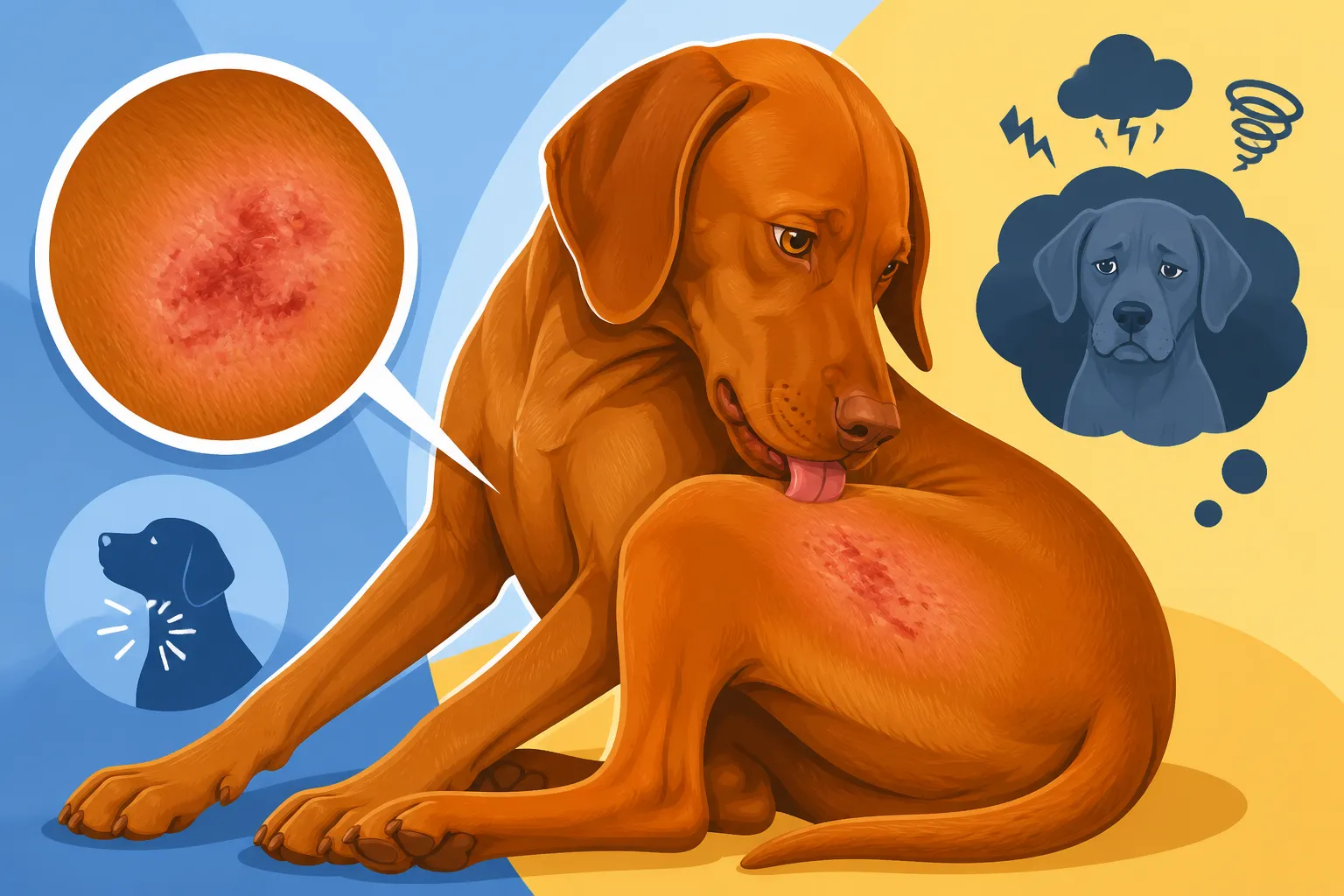
It’s heartbreaking to watch your beloved Vizsla become fixated on a spot on their body, incessantly licking and chewing until the skin is raw, inflamed, and sometimes even infected. This isn't just a quirky habit; it’s a clear sign of underlying distress, often manifesting as anxiety or boredom, and it requires our understanding and intervention. This guide aims to shed light on why Vizslas engage in this self-destructive behavior and, more importantly, what you can do to help your sensitive companion find peace and heal.
The Frustration of Compulsive Licking in Vizslas
As a Vizsla owner, you know these dogs are bundles of energy, affection, and, sometimes, intense sensitivity. When that sensitivity turns inward, leading to obsessive licking, it can feel like you're caught in a terrible cycle, watching your dog hurt themselves despite your best efforts.
Why Vizslas Are Prone to Stress-Related Behaviors
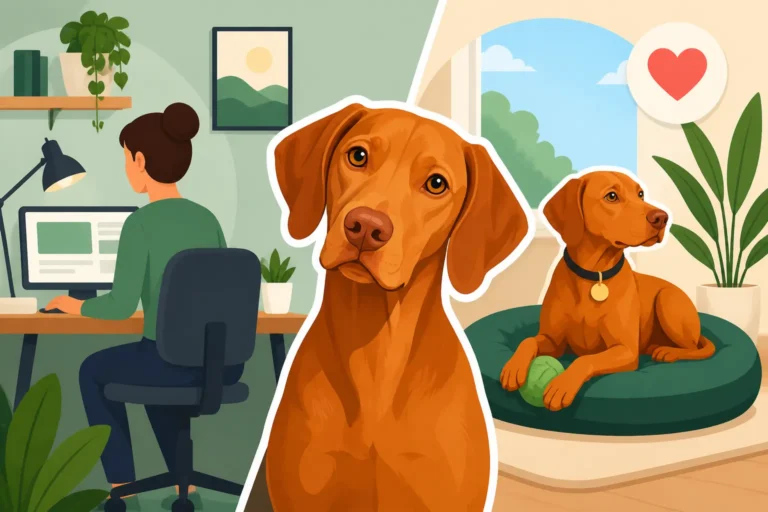
Vizslas are often described as "Velcro dogs," a term that truly captures their intense need for human connection and companionship. This deep bond, while wonderful, can also make them acutely vulnerable to stress when their needs aren't met, or their environment changes. They aren't aloof, independent dogs; they feel every shift in mood, every change in routine, and every moment of perceived loneliness deeply. Their high intelligence and boundless energy mean they need constant engagement, both physical and mental. Without adequate outlets, that energy and intelligence can turn into internal turmoil, manifesting in destructive or obsessive behaviors. A raised voice, a sudden change in schedule, or even just feeling ignored can trigger a sensitive Vizsla, causing them to internalize their stress in ways that are hard to watch. They are often described as The Soft Vizsla That Shuts Down When You Raise Your Voice, highlighting their delicate emotional nature.
Identifying the "Raw Spot" and What It Means
You might first notice your Vizsla licking their paws, wrists, flanks, or the base of their tail with unusual intensity. Initially, it might seem harmless, but Vizslas have thin skin, and it doesn't take long for repetitive licking to break through the protective layers. Soon, what was a minor irritation becomes a red, inflamed lesion, often called a "lick granuloma" or "hot spot." These spots are incredibly painful and itchy, creating a vicious cycle: the more it hurts, the more they lick; the more they lick, the more it hurts.
The real danger comes when bacteria, naturally present on the skin, invade the compromised tissue, leading to secondary infections. These infections can make the area even itchier and more painful, causing your Vizsla to lick even more fervently. The skin might become thickened, darkened, and develop a foul odor. It's not just a cosmetic issue; it's a wound that can become chronic and debilitating, severely impacting your dog's quality of life. The speed at which these lesions can appear and escalate is astounding, often leaving owners feeling helpless and frustrated.
Unpacking the Stressors Behind the Licking
Before you can effectively treat the raw spot, you absolutely must get to the root cause of the licking. Treating the symptom without addressing the underlying stress or medical issue is like putting a bandage on a leaky pipe – it might slow it down, but it won’t fix the problem.
Common Triggers for Anxiety and Stress
For Vizslas, several common factors can contribute to the kind of chronic stress that leads to self-licking:
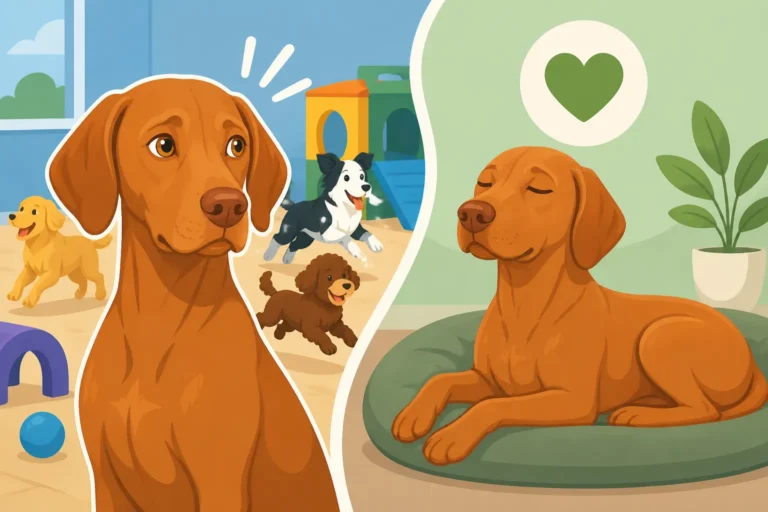
- Separation Anxiety: This is arguably the most common culprit. Vizslas are companion dogs through and through. They thrive on being with their people. When left alone, even for seemingly short periods, many Vizslas experience profound anxiety. This isn't just a little sadness; it's panic. They might pace, whine, bark incessantly, or, as we're discussing, turn to obsessive licking as a coping mechanism. The house might also bear witness to What an Anxious Vizsla Destroys while you are gone.
- Lack of Exercise and Mental Stimulation: Vizslas are high-energy dogs bred for demanding work. They truly need The Two Hours a Vizsla Needs Before It Will Settle each day, not just a casual stroll around the block. Without sufficient physical exertion and engaging mental challenges, their pent-up energy and intelligence can manifest as anxiety. They get bored easily, and a bored Vizsla is a stressed Vizsla.
- Changes in Routine or Environment: Vizslas are creatures of habit. A sudden change in your work schedule, a new baby, moving to a new home, or even just rearranged furniture can throw them off balance. They rely on predictability to feel secure.
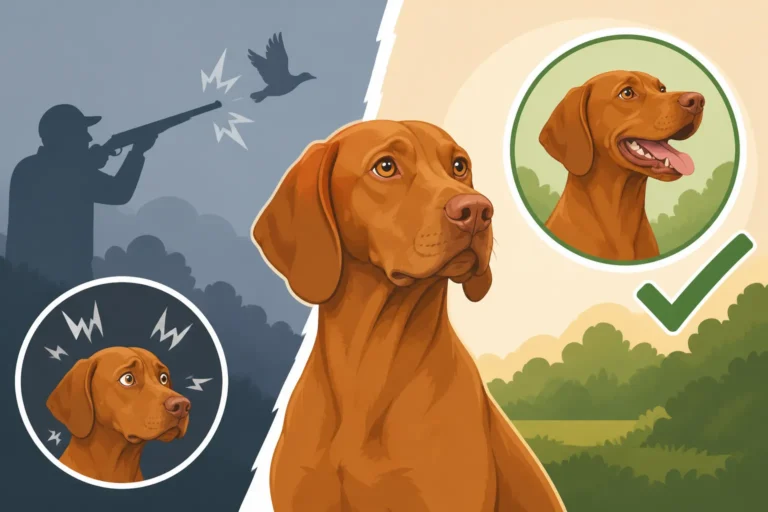
- Loud Noises or Phobias: Thunderstorms, fireworks, construction noises, or even the vacuum cleaner can be terrifying for some Vizslas. Their sensitive nature means they can be prone to noise phobias, and the stress from these events can trigger self-licking.
- Perceived Threats or Insecurity: Constant tension in the household, an unfamiliar dog in the neighborhood, or feeling insecure in their environment can all contribute to chronic stress. Some dogs lick to self-soothe in uncomfortable situations.
Understanding these triggers in your specific Vizsla's life is the first crucial step. Keep a journal of when the licking occurs, what happened before it started, and any changes in their routine or environment. This detective work can be invaluable.
Ruling Out Other Medical Causes
While stress is a huge factor, it's absolutely vital to rule out any underlying medical conditions before attributing the licking solely to anxiety. Many physical ailments can cause intense itching or discomfort, leading a Vizsla to lick a spot raw. Always, always, start with a veterinary visit.
Here's what your vet will likely consider:
- Allergies: This is another extremely common cause of itching. Vizslas can suffer from environmental allergies (pollen, dust mites, mold) or food allergies. The itching can be generalized or localized to specific areas like paws, ears, or flanks.
- Parasites: Fleas, mites (like Sarcoptes or Demodex), and even internal parasites can cause severe itching and skin irritation. A thorough parasite check is always a good starting point.
- Pain or Orthopedic Issues: Sometimes, a dog will obsessively lick an area because of underlying pain, such as arthritis, a sprain, or even a bone tumor. For example, if they're licking a joint, it might be an early sign of discomfort. Your vet might perform a physical exam and recommend X-rays if pain is suspected.
- Fungal or Bacterial Infections: The raw, moist environment created by licking is a perfect breeding ground for yeast and bacteria. However, sometimes these infections can start on their own, causing intense itching that triggers the licking.
- Other Skin Conditions: Less common but still possible are autoimmune skin diseases or even certain types of benign or malignant growths that cause irritation.
A good veterinarian will conduct a thorough physical examination, possibly skin scrapings, blood tests, or even allergy testing to get a clear picture. Do not skip this step – you don't want to miss a treatable medical condition.
Strategies to Halt the Licking and Manage Stress
Once you've seen the vet and either ruled out medical causes or are treating them, you can focus on behavior modification and environmental changes. This is where the real work begins, and it requires consistency and patience.
Environmental Enrichment and Exercise
A tired Vizsla is often a happy Vizsla, but it's more than just physical exhaustion. They need to use their brains too!
- Structured Exercise: Mere yard time isn't enough. Your Vizsla needs vigorous exercise daily. This could be long, brisk runs, cycling with you (many Vizslas excel as running partners!), hiking, or extensive games of fetch in a large, safe area. Aim for at least 60-90 minutes of dedicated, heart-pumping activity daily, broken into multiple sessions. Remember The Exercise a Vizsla Needs Every Day is substantial.
- Mental Stimulation: Challenge your Vizsla's keen intelligence. Incorporate puzzle toys where they have to work for their food. Engage them in scent work or "find it" games around the house or yard. Even short training sessions, where you teach new tricks or reinforce commands, can be incredibly tiring for their minds. Consider agility classes or nose work, which taps into their natural instincts and provides a wonderful outlet.
- Chew Toys and Lick Mats: Provide appropriate outlets for their oral fixations. Durable chew toys, especially those that can be filled with peanut butter or treats, can redirect their licking drive to a positive activity. Lick mats, spread with a healthy, spreadable treat, can provide a calming, self-soothing activity for short periods. Amazon offers a wide variety of these products.
Behavior Modification and Training
Addressing the underlying anxiety requires consistent and positive training methods.
- Positive Reinforcement: Vizslas respond incredibly well to positive reinforcement. Reward calm behavior, successful redirection, and moments where they choose not to lick. Use high-value treats and enthusiastic praise. Never punish them for licking; this will only increase their anxiety.
- Desensitization and Counter-Conditioning: If your Vizsla's licking is triggered by specific fears (like thunderstorms), you can work on gradually desensitizing them. This involves slowly exposing them to the trigger at a very low intensity while pairing it with something positive, like their favorite treats or a game. For example, playing very quiet thunder sounds and giving treats, gradually increasing the volume over many sessions.
- Professional Guidance: For severe anxiety or obsessive behaviors, working with a certified professional dog trainer or a veterinary behaviorist is highly recommended. They can create a tailored plan, help identify subtle triggers, and guide you through complex modification techniques. Online platforms like BAXTER & Bella offer comprehensive training programs and resources that can be incredibly helpful for addressing these complex behavioral issues with positive, proven methods.
Physical Barriers and Topical Treatments
While you're working on the underlying causes, you need to protect the raw spot so it can heal.
- E-collars (Cones): These are often a necessary evil. While your Vizsla might hate it, an Elizabethan collar prevents them from reaching the wound and allowing it to heal. There are softer, inflatable, or fabric versions available that might be more comfortable than the traditional plastic cone.
- Bitter Sprays: Some dogs are deterred by the taste of bitter apple sprays (often found on Amazon). These can be sprayed directly onto the bandage or skin surrounding the wound (but not on the open wound itself!) to discourage licking. However, some determined Vizslas will lick right through them, so they aren't always a foolproof solution.
- Bandages and Protective Gear: For easily accessible areas like paws, a light bandage can protect the wound. Ensure it's not too tight and changed regularly to prevent moisture buildup and infection. Special boots or socks can also be used for paw licking. Always consult your vet on proper wound dressing.
- Topical Treatments: Your veterinarian may prescribe topical antibiotics, anti-inflammatory creams, or medicated sprays to aid healing and manage infection. Never apply human medications without vet approval, as many can be toxic to dogs.
Here's a quick comparison of common strategies:
| Strategy | Description | Pros | Cons |
|---|---|---|---|
| Increased Exercise | More vigorous physical activity daily | Reduces pent-up energy, promotes natural calming | Requires significant time commitment, not a full solution |
| Mental Stimulation | Puzzle toys, training, scent work | Engages intellect, reduces boredom, builds confidence | Needs consistency, some dogs tire of repetitive games |
| Crate Training | Providing a safe, den-like space | Helps manage separation anxiety, creates secure den (see Whether Crate Training Helps a Vizsla) | Must be introduced positively, not a punishment tool |
| E-collar / Cone | Physical barrier to prevent licking | Immediate protection for the wound | Can be uncomfortable, doesn't address underlying cause |
| Bitter Spray | Unpleasant taste applied to affected area | Can deter some dogs from licking | Not effective for all dogs, taste can wear off quickly |
| Veterinary Visit | Full medical check-up, potentially blood work, skin scrapings | Crucial for ruling out medical causes, proper diagnosis | Costs involved, might require multiple visits |
| Behaviorist Consultation | Professional guidance for severe anxiety | Expert tailored plan, addresses root behavioral issues | Can be costly, requires owner commitment to follow plan |
| Medication (Vet prescribed) | Anti-anxiety or anti-depressant drugs | Can significantly reduce anxiety levels in severe cases | Side effects possible, often used in conjunction with behavior therapy |
Long-Term Management and Prevention
Stopping the immediate licking is just the beginning. The goal is to create a happy, healthy environment that prevents the stress from returning. This is a marathon, not a sprint.
Establishing a Stable Routine and Safe Space
Predictability is calming for a sensitive Vizsla. A consistent daily schedule helps them understand what to expect, reducing anxiety.
- Routine, Routine, Routine: Try to feed your Vizsla at the same times each day, go for walks at predictable intervals, and maintain a consistent bedtime. This structure provides a framework of security for them.
- Designated Safe Space: Ensure your Vizsla has a comfortable, quiet place where they can retreat and feel safe. This might be their crate (if positively introduced), a cozy dog bed in a low-traffic area, or a spot under your desk. This "den" should be respected by all family members as their personal sanctuary. This is particularly important for Vizslas who display Signs a Vizsla Is Suffering Alone when you are away.
- Consistent Expectations: Vizslas thrive on clear boundaries and consistent training. Everyone in the household needs to be on the same page regarding rules and commands. Inconsistency can be a significant source of stress.
Professional Guidance and Medication
Sometimes, despite your best efforts, the anxiety is simply too deep-seated to manage alone.
- Veterinary Behaviorists: These are veterinarians who specialize in animal behavior. They are uniquely qualified to assess both the medical and behavioral components of anxiety and can prescribe medication if necessary, often as an aid to behavior modification. They understand that sometimes medication helps a dog become calm enough to learn new coping mechanisms. If you’re wondering Whether Medication Helps an Anxious Vizsla, a veterinary behaviorist can provide the best guidance.
- Certified Professional Dog Trainers (CPDTs): A CPDT can help you implement effective, positive reinforcement training strategies and provide guidance on enriching your Vizsla's environment. Look for trainers who use fear-free methods.
- Canine Massage and Tellington Touch: Some owners find relief through complementary therapies like canine massage or Tellington TTouch, which are designed to reduce tension and improve body awareness, thereby potentially reducing stress.
The Importance of a Strong Human-Canine Bond
Ultimately, your Vizsla wants to be with you, to please you, and to feel secure in your presence. A strong, positive bond is the foundation for all behavioral health.
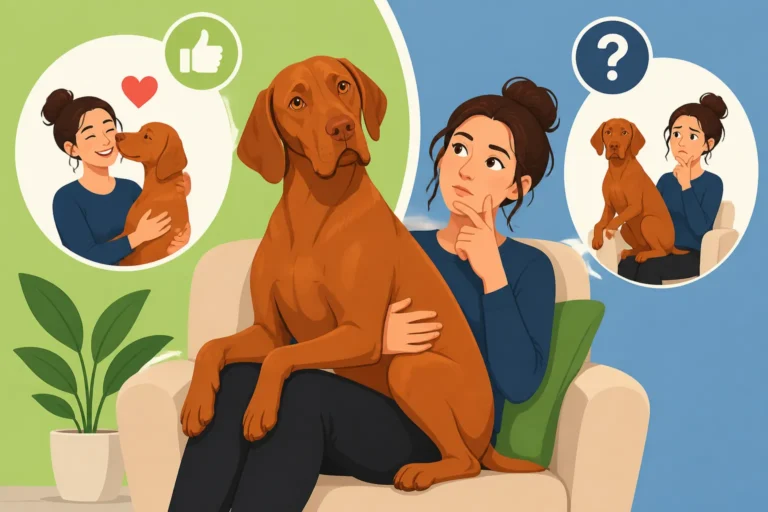
- Affection and Reassurance: While you don't want to reinforce anxious behavior, providing calm, reassuring affection when your Vizsla is not licking can go a long way. Spend quality time together, engaging in activities you both enjoy. Your presence and attention are often their greatest comfort.
- Being a Reliable Leader: This doesn't mean being harsh or dominant. It means being a consistent, fair, and trustworthy guide for your dog. They look to you for safety and direction. When they feel confident in your leadership, their own anxiety can lessen.
- Understanding Their Needs: Truly understanding Why they Call It a Velcro Vizsla and respecting their need for companionship, exercise, and mental stimulation is key. When these fundamental needs are consistently met, your Vizsla is far less likely to resort to self-destructive coping mechanisms like licking themselves raw. Engaging them in activities they love, like learning new commands for What a Vizsla Will Work For, can strengthen this bond immensely.
By approaching this problem with empathy, patience, and a multi-faceted strategy that addresses both physical and emotional well-being, you can help your Vizsla overcome compulsive licking and live a healthier, happier life.
Disclaimer
This article is for general informational purposes only and does not constitute professional advice. Laws, prices and regulations vary by location and change over time. Consult a qualified professional for guidance on your specific situation.