Whether a Vizsla Is Ruined by a Bad First Hunt
It’s a fear every dedicated Vizsla owner harbors: what if that eagerly anticipated first hunt goes sideways? We pour so much into our dogs, from careful breeding choices to countless hours of training, dreaming of that perfect partnership in the field. The thought of a single negative experience unraveling all that potential, scarring our sensitive Vizsla for life, can be truly heartbreaking. This guide will explore whether a Vizsla can truly be "ruined" by a bad first hunt, what kinds of experiences might be damaging, and most importantly, how to prevent such setbacks and even recover if things don't go as planned.
Understanding the Vizsla's Sensitive Nature in Training
Vizslas are magnificent hunting dogs, celebrated for their athleticism, intelligence, and unwavering loyalty. However, they are also renowned for their uniquely sensitive temperaments, a trait that demands a particular approach to training and field work. This sensitivity is a double-edged sword: it makes them incredibly attuned to their handlers and eager to please, but it also makes them highly susceptible to negative experiences.
The Vizsla's "Soft" Temperament
When we talk about a Vizsla being "soft," we're not implying weakness, but rather a profound sensitivity to pressure, harsh corrections, or frightening situations. Unlike some harder-headed breeds that might shrug off a sharp word or a startling noise, a Vizsla can take such things deeply to heart. A raised voice, an unexpected bump, or an overly forceful command can cause a sensitive Vizsla to shut down, becoming withdrawn, anxious, or even refusing to engage. They're often described as having a long memory for unpleasantness.
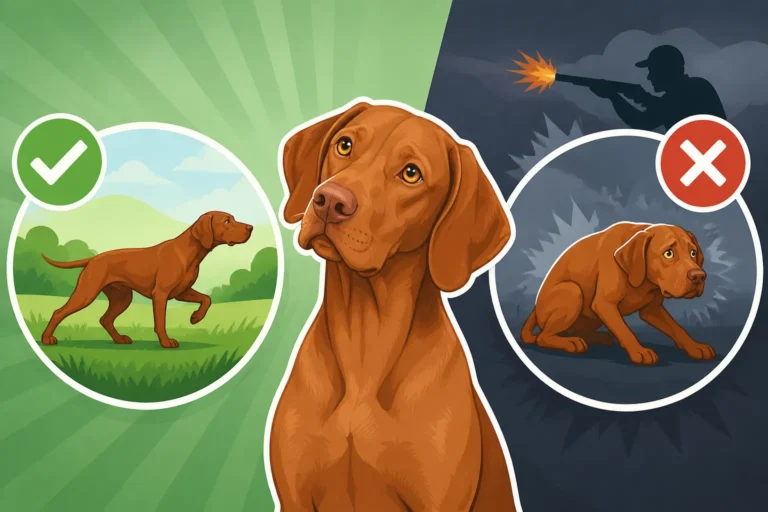
Imagine a Vizsla puppy, eager and full of boundless energy, suddenly facing a new, intense environment. If their first experience with loud gunshots is poorly introduced, or if a well-meaning but heavy-handed trainer uses too much physical correction, that pup might very quickly lose its enthusiasm. Instead of a confident dog ready to work, you might end up with one that cowers at the sound of a gun, avoids birds, or simply refuses to leave your side in the field. This isn't stubbornness; it's often a direct result of feeling overwhelmed or scared. They remember these moments, and rebuilding that lost confidence can be a long road. It's why many Vizsla enthusiasts preach a positive, consistent, and gentle approach, understanding that The Soft Vizsla That Shuts Down When You Raise Your Voice is a very real phenomenon.
The Importance of Positive Early Experiences
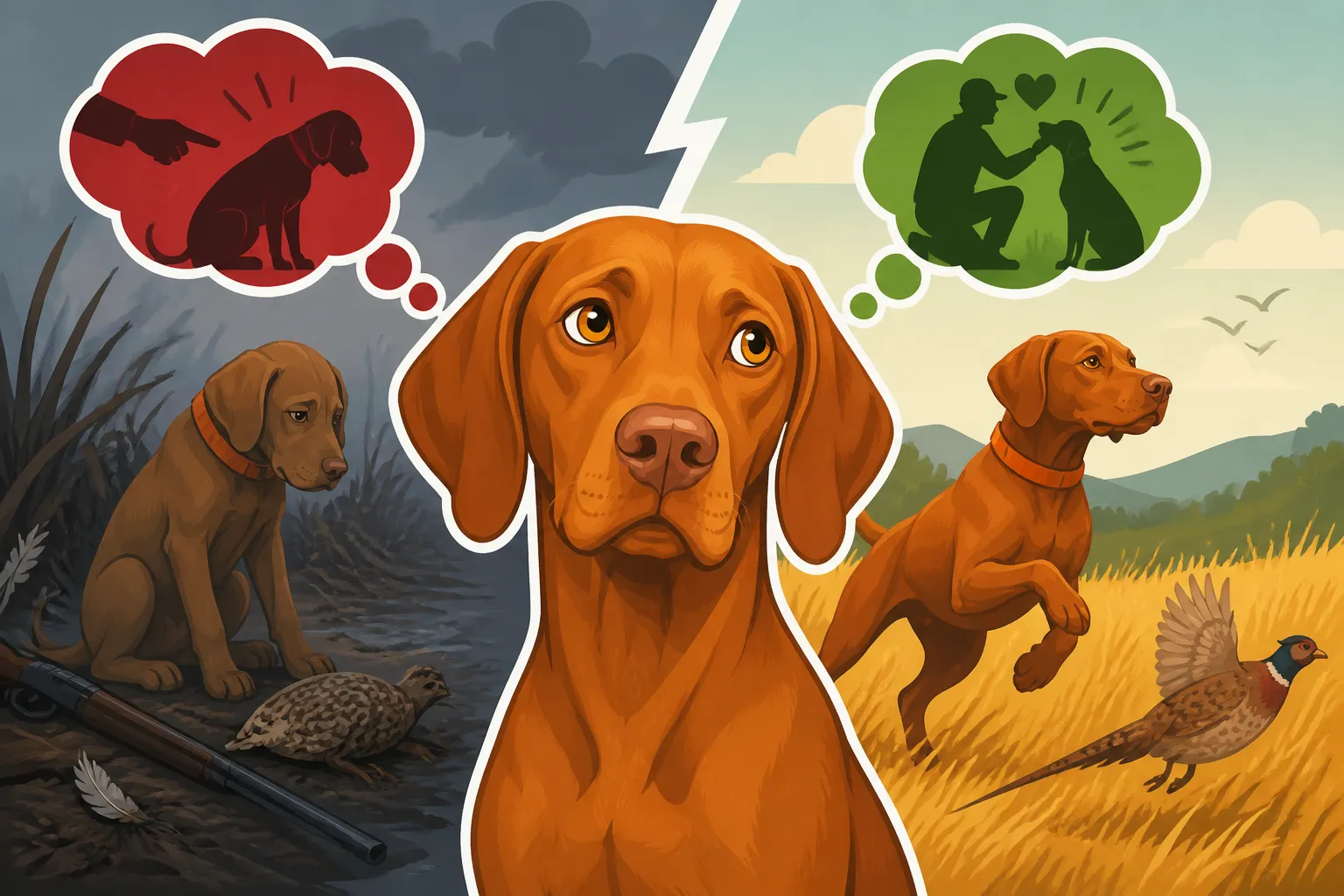
Just as negative experiences can leave a lasting mark, positive early experiences are crucial for building a Vizsla's confidence and shaping their love for the field. Every new sound, smell, sight, and interaction forms part of their understanding of the world. For a hunting dog, foundational experiences with birds, cover, and the sounds of the hunt need to be carefully managed to be overwhelmingly positive.
Think of it like a child learning to ride a bike. If their first attempt ends in a scraped knee and a terrifying fall, they might be hesitant to try again. But if they have a supportive parent, training wheels, and a soft patch of grass, they’ll build confidence with each successful pedal. For a Vizsla, this means introducing new stimuli in controlled, low-pressure ways. Their first encounters with game birds should be fun, low-stakes interactions that encourage their natural instincts without fear or confusion. Their initial exposure to the sounds of gunfire must be gentle, at a distance, and paired with positive reinforcement like treats and praise. These early successes, however small, lay the groundwork for a confident, enthusiastic hunting partner. Skipping these steps or rushing into a high-pressure scenario can easily backfire, creating a lasting aversion that's incredibly difficult to overcome.
What Constitutes a "Bad" First Hunt Experience?
Defining a "bad" first hunt isn't always about a single catastrophic event. Often, it's a combination of factors that overwhelm a young, inexperienced Vizsla, turning what should be an exciting adventure into a source of anxiety or fear. Understanding these potential pitfalls is the first step toward preventing them.
Overwhelm and Excessive Pressure
One of the most common ways a first hunt can go wrong for a Vizsla is simply too much, too soon. Imagine a young dog, barely a year old, suddenly plunged into a bustling hunting party with multiple guns firing, experienced dogs ranging far and wide, and a handler who expects perfection from the get-go. This can be incredibly overwhelming.
Consider these scenarios:
- Too many guns: A cacophony of shots from different directions can be terrifying if the dog hasn't been properly desensitized to gunfire. The unexpected loudness and disorienting echoes can lead to immediate fear and gun shyness.
- Too much game: While it might sound counterintuitive, an abundance of birds can be overwhelming for a novice. A young Vizsla might struggle to focus, get confused, or feel overstimulated by constant flushing and shooting, leading to anxiety rather than excitement.
- Unfamiliar people/dogs: A first hunt should ideally be a quiet, intimate experience with familiar faces. Introducing too many strangers or aggressive, pushy dogs can add unnecessary stress, causing the Vizsla to withdraw or become defensive.
- Harsh corrections: In the heat of the moment, a handler might be tempted to deliver a sharp correction if the dog makes a mistake, like breaking point or chasing a flushed bird. For a soft Vizsla, this kind of pressure, especially when combined with the chaos of the hunt, can be devastating. They might associate the correction not with the mistake, but with the entire hunting experience, leading them to shut down. This is especially true if methods like an e-collar are introduced too early or improperly; Whether an E-Collar Belongs on a Vizsla is a hotly debated topic, but for a sensitive first hunt, minimal pressure is key.
Any of these factors can make a Vizsla feel unsafe, confused, or inadequate, potentially extinguishing their natural drive and joy for hunting.
Traumatic Events
While overwhelm can gradually erode a Vizsla's confidence, traumatic events can deliver a swift and lasting blow. These are typically single, highly negative incidents that create a deep-seated fear or aversion.
- Injury in the field: A Vizsla with its fine coat and thin skin is susceptible to injury in rough cover. A severe cut from barbed wire, a thorn deep in a paw, or a run-in with an aggressive animal can leave physical and psychological scars. The pain and fear associated with the incident might be generalized to the entire hunting environment. This can also lead to significant unexpected veterinary bills, as What a Vizsla's Emergency Field Injury Costs can be substantial.
- Accidental shooting: Even a pellet from a shotgun straying too close, or a piece of shrapnel hitting them, can cause intense fear and gun shyness. The dog might not understand it was an accident, only that the loud noise was accompanied by pain.
- Extreme weather conditions: Pushing a Vizsla too hard in scorching heat without adequate water, or in bitter cold without proper protection, can lead to discomfort, exhaustion, or even hypothermia/heatstroke. These negative physical sensations can easily be associated with the hunting experience.
- Getting lost or separated: A young Vizsla getting separated from its handler, even for a short time, can induce panic and fear. They might become hesitant to range, sticking too close, or conversely, develop a flight response.
- Encounter with aggressive wildlife: A frightening encounter with a predator like a coyote, or a territorial animal, can be highly traumatic for a young dog, potentially leading to fear of certain types of cover or environments.
These traumatic events imprint powerful negative associations that are incredibly difficult to overcome, often requiring extensive rehabilitation to restore the dog's confidence.
Lack of Proper Preparation
Sometimes, a "bad hunt" isn't about an external event, but rather the owner's failure to adequately prepare their Vizsla for the demands of the field. You wouldn't send a child to a marathon without training, and the same principle applies to our canine athletes.
- Insufficient desensitization: This is perhaps the biggest culprit. A Vizsla needs gradual, positive exposure to all elements of the hunt before being thrown into the real thing. This includes:
- Gunfire: Starting with distant, quiet sounds, gradually increasing volume and proximity, always pairing with treats and praise. How to Introduce a Vizsla to Gunfire is a critical step that should never be rushed.
- Field sounds: The rustling of cover, distant vehicle noises, the calls of other hunters.
- Diverse terrains: Walking through tall grass, navigating brush, crossing shallow water, handling uneven ground.
- Other dogs: Learning to be calm and focused around other working dogs.
- Weak obedience foundation: A Vizsla that doesn't have a rock-solid recall, a reliable "whoa" or "stay," and steady retrieves is a liability in the field. When they lack these basic controls, a handler might resort to harsher methods to regain control, which, as we've discussed, can be detrimental to a soft Vizsla.
- No exposure to birds: A dog's first introduction to birds should happen in a controlled training environment, not during an actual hunt. This allows them to develop their natural point, scenting skills, and retrieving instinct without the added pressure of gunshots or the need for a perfect retrieve.
- Lack of physical conditioning: A young Vizsla that isn't physically conditioned for the demands of a long day in the field can quickly become fatigued, leading to poor performance, increased risk of injury, and an overall negative experience.
Without this crucial preparatory work, a Vizsla is essentially set up for failure, making any minor mishap on their first hunt feel amplified and potentially ruinous.
Can a Vizsla Recover from a Negative First Hunt?
The good news is that "ruined" is a very strong word, and while a bad first hunt can be a significant setback, it rarely means the end of a Vizsla's hunting career. It does, however, mean that the owner must commit to a patient, understanding, and often lengthy rehabilitation process.
Assessing the Damage and Identifying Specific Fears
The first, and perhaps most crucial, step in recovery is to accurately assess what went wrong and identify the specific fears or aversions your Vizsla has developed. It's not enough to simply say, "My dog is scared of hunting." You need to pinpoint the exact triggers.
Take some time to observe your dog closely. What specific elements of the hunting experience cause them anxiety?
- Gun shyness: Do they cower, shake, or try to run away at the sound of a distant gunshot, or even a sudden loud noise at home? Whether a Vizsla Is Naturally Gun Shy is a real concern, and a bad first hunt can certainly bring it out or exacerbate it.
- Bird aversion: Do they hesitate to approach birds, show no interest, or even actively avoid them? Do they shy away from bird scent?
- Cover shyness: Do they refuse to enter thick brush or tall grass where game might hide?
- Separation anxiety in the field: Do they stick to your heels, refusing to range out, or seem panicked if you get out of sight for a moment?
- Loss of retrieve drive: Do they retrieve enthusiastically at home but refuse to pick up a bird in the field?
You might notice more subtle signs too: excessive panting, yawning, lip licking, tucked tail, flattened ears, or a generally subdued demeanor when you even prepare for a hunt (e.g., getting out hunting gear). Understanding these specific fears is paramount because it dictates your recovery strategy. For instance, a dog with severe gun shyness needs a different approach than one who is simply confused by birds. Remember that Whether a Vizsla Remembers a Bad Experience is almost a certainty for this intelligent and sensitive breed, so acknowledging that memory is the first step to overcoming it.
Rehabilitation Through Patience and Positive Reinforcement
Once you've identified the specific fears, the rehabilitation process begins, and it is almost entirely built on patience, positive reinforcement, and small, incremental steps. You are essentially trying to rewrite the narrative of the hunt in your dog's mind, replacing fear with positive associations.
- Go back to basics: Forget about hunting for a while. Return to simple, fun obedience exercises in a familiar, stress-free environment. Rebuild your dog's confidence in basic commands and strengthen your bond.
- Controlled desensitization: This is where you reintroduce the problematic stimuli, but in such a gradual and positive way that your dog barely notices them at first.
- For gun shyness: Start with very distant, very quiet sounds. A cap gun or even a recording played at extremely low volume from another room. Pair every sound with high-value treats and enthusiastic praise. The goal is for the dog to associate the sound with good things, not fear. Slowly, over weeks or months, you can increase the volume or bring the sound closer. Never push your dog past its comfort level.
- For bird aversion: Start with frozen or dead birds, allowing your Vizsla to sniff and investigate in a relaxed setting. Use lots of praise and treats. Gradually move to live birds in controlled environments, like a small, fenced area, letting them point without any pressure to retrieve or shoot. A reputable online training resource like BAXTER & Bella can offer guidance on building retrieve drive and positive bird introductions in a structured, at-home environment, providing a safe bridge before returning to the field.
- For cover shyness: Make walks in tall grass or brush fun. Hide treats, play retrieve games, and praise them enthusiastically for every step they take into the cover.
- Positive reinforcement is key: Every positive interaction, every brave step your Vizsla takes, no matter how small, should be rewarded lavishly with their favorite treats, toys, and verbal praise. Avoid any punishment or harsh corrections, as this will only reinforce their fears.
- Consider a professional: If you're struggling, don't hesitate to seek out a professional gun dog trainer who specializes in sensitive breeds and positive reinforcement methods. An experienced trainer can offer invaluable guidance, identify subtle cues you might be missing, and help structure a rehabilitation program tailored to your Vizsla's specific needs.
This process is not quick. It can take months, or even a year or more, to fully restore a Vizsla's confidence. But with unwavering patience and a commitment to positive experiences, many Vizslas can and do recover their joy for the hunt.
The Role of the Owner in Rebuilding Confidence
As the owner, your attitude and consistency are perhaps the most critical components of your Vizsla's recovery. Dogs are incredibly perceptive and can easily pick up on our emotions. If you are frustrated, anxious, or impatient, your Vizsla will feel that tension and it will hinder their progress.
- Be calm and reassuring: Maintain a calm, confident, and positive demeanor, even when your Vizsla is showing fear. Your steady presence can be a powerful anchor for them. Reassure them gently, but avoid coddling or excessive pity, as this can inadvertently reinforce their fearful behavior.
- Manage expectations: Understand that progress will likely be slow and may have setbacks. Celebrate small victories, like a small step into cover, or a moment of calm during a distant sound. Don't expect your Vizsla to be "fixed" overnight or after a single session.
- Avoid repeating mistakes: Critically evaluate what went wrong on the initial bad hunt and ensure you never put your Vizsla in a similar situation again until they are fully prepared. This might mean avoiding large hunting parties, seeking out quieter training grounds, or only hunting with trusted, gentle companions.
- Build a strong bond outside of hunting: Spend quality time with your Vizsla, engaging in activities they enjoy, whether it's long walks, fetch, or cuddles on the sofa. A strong, trusting relationship built on mutual respect and affection will make them more willing to trust you and overcome their fears in new situations.
- Advocate for your dog: Don't let well-meaning but misguided friends or trainers push your Vizsla too hard. You know your dog best, and it's your responsibility to protect their emotional well-being.
Ultimately, your dedication to understanding, patience, and positive reinforcement can turn a potential disaster into a testament to your bond and your Vizsla's resilience.
Preventing a Bad First Hunt: Best Practices for Success
The best way to deal with a bad first hunt is, of course, to prevent it from happening in the first place. With a Vizsla's sensitive nature, meticulous preparation is not just recommended, it's essential. Laying a solid foundation dramatically increases the chances of a positive, confidence-building initial experience in the field.
Gradual Exposure and Desensitization
For a Vizsla, every element of the hunt needs to be introduced slowly and positively, building up their tolerance and confidence over time. Think of it as a carefully crafted curriculum rather than a sudden immersion.
- Sound Desensitization: This is non-negotiable, especially for gunfire. Start very young, perhaps even as a puppy. Begin by playing recordings of distant gunshots or other field sounds at an almost imperceptible volume while your puppy is engaged in a highly enjoyable activity, like eating or playing. Gradually increase the volume and bring the sound source closer over weeks and months. When introducing actual blank guns or shotguns, begin with someone shooting a long distance away (hundreds of yards), ensuring your Vizsla is calm and comfortable, always pairing the sound with treats and praise. Never have the dog startled by an unexpected loud noise. How to Introduce a Vizsla to Gunfire is a process that requires absolute patience.
- Environmental Exposure: Accustom your Vizsla to various terrains they'll encounter. Take them for walks in tall grass, through light brush, across uneven ground, and near water. Make these excursions fun, with lots of sniffing, exploring, and play. Ensure they are physically fit enough to handle these surfaces.
- Introduction to Birds: Their first encounters with birds should be controlled and positive. Use pigeons or quail in a designated training area. Let them sniff the bird, chase it for a short distance, and encourage their natural pointing instinct without any pressure for retrieving or immediate shooting. Live bird exposure should be a joyful discovery, not a test. This is exactly where you want to focus on Starting a Vizsla on Birds and ensuring The Age a Vizsla Should Meet Its First Bird is appropriate, focusing on building desire. Simple tools like a bird launcher, readily available on Amazon, can help make these early introductions controlled and exciting.
- Other Dogs and People: Socialize your Vizsla carefully with calm, experienced hunting dogs and respectful people. They need to learn to be comfortable and focused on you even with distractions.
Solid Foundation in Obedience and Field Skills
A confident hunting Vizsla is a well-trained Vizsla. Before you ever step foot in a hunting field, your dog needs to have a rock-solid foundation in obedience and an understanding of basic field commands. This isn't just about control; it's about clear communication and building trust.
- Recall (Come): This is paramount. Your Vizsla must come when called, no matter the distraction. Their safety and your peace of mind depend on it, especially since Building a Recall on a Vizsla That Ranges can be a challenge. Practice in increasingly distracting environments.
- "Whoa" or "Stay": The ability to stop and hold position on command is crucial for flushing game, safety, and proper gun dog etiquette. This should be a reliable, instant response.
- Steady to Wing and Shot: Your Vizsla should remain still when a bird flushes (wing) and when the gun is fired (shot). This prevents them from chasing out of control and ensures safety. This is an advanced skill built over time, starting with basic "stay" exercises.
- Retrieving: A solid retrieve to hand is vital. Start with bumpers and dummies, making it a fun game. Gradually transition to retrieving birds.
- Leash Manners: Even in the field, there will be times your Vizsla needs to be on a leash. Good leash manners prevent pulling and give you control.
Many owners find immense value in structured training programs to achieve this level of obedience. Online platforms like BAXTER & Bella offer comprehensive puppy and dog training courses that can help you build these foundational skills step-by-step from the comfort of your home, ensuring a positive, force-free approach that suits the Vizsla's temperament. Having these basics down pat before the pressure of a real hunt allows your Vizsla to focus on the task at hand rather than trying to understand what you want.
Choosing the Right First Hunt Environment
The location and circumstances of your Vizsla's first hunt are just as important as their training. This is not the time for a large, competitive gathering or a rough, unfamiliar landscape.
- Keep it calm and quiet: Choose a private preserve or a very quiet public land where you can control the environment. Avoid crowded areas with many other hunters or dogs.
- Limited participants: Ideally, it should be just you, your Vizsla, and perhaps one trusted, calm mentor. Fewer people mean less distraction and less pressure.
- Easy cover and terrain: Select an area with relatively open, easy-to-navigate cover. Avoid dense, thorny brush or extremely rocky terrain that could cause injury or frustration.
- Manage game density: A moderate amount of game is ideal – enough to keep interest high, but not so much that it's overwhelming. You want your Vizsla to experience success.
- Short and Sweet: Keep the first hunt brief. An hour or two is plenty. The goal is to end on a high note, with your Vizsla feeling successful and excited, not exhausted or frustrated. If they perform well, even for a short period, call it a day and celebrate. It's always better to leave them wanting more.
- No pressure: Go into the day with zero expectations for perfection. Your primary goal is to make it a positive, confidence-building experience. Let your Vizsla explore, sniff, and engage with birds naturally. If mistakes happen, use them as learning opportunities for you and future training sessions, not for immediate correction in the field.
By carefully managing these variables, you dramatically increase the chances that your Vizsla's first hunt will be a truly memorable and positive step in their journey as a hunting companion.
Here’s a quick overview of potential bad hunt scenarios and their impact:
| Scenario Type | Example | Potential Impact | Recovery Difficulty | Prevention Strategies |
|---|---|---|---|---|
| Overwhelm/Pressure | Too many loud guns, crowded hunting party | Gun shyness, withdrawal, confusion, loss of focus, associating hunting with anxiety. | Moderate to High | Gradual gun desensitization, quiet first hunt location, limited hunting companions, focus on positive reinforcement. |
| Traumatic Event | Field injury (cut, thorn), accidental shot | Fear of specific cover/terrain, generalized gun shyness, reluctance to retrieve, potential physical lasting pain causing mental aversion. | High | Thorough field safety checks, proper conditioning, dog boots/vest in rough cover (if needed), very controlled shooting environment, avoid extreme weather. |
| Lack of Preparation | Weak recall, no bird exposure, no "whoa" | Frustration for dog and owner, dog running off, inability to perform basic tasks, potential for harsh corrections from handler, feeling overwhelmed and incompetent. | Moderate | Solid foundation in obedience, extensive bird exposure in controlled settings, gradual desensitization to all stimuli, physical conditioning before the hunt. (BAXTER & Bella for obedience, Amazon for training equipment like bird launchers). |
Conclusion
The worry that a single bad experience could "ruin" your Vizsla for hunting is a valid and understandable concern for any owner of such a sensitive, intelligent breed. It's true that Vizslas, with their "soft" temperaments and keen memories, are particularly susceptible to negative first impressions in the field. Overwhelm, traumatic events, or simply a lack of proper preparation can indeed lead to setbacks like gun shyness, bird aversion, or a general loss of enthusiasm.
However, "ruined" is rarely the final word. With immense patience, consistent positive reinforcement, and a willingness to go back to basics, most Vizslas can recover their confidence and joy for the hunt. It's a journey that demands dedication from the owner, focusing on rebuilding trust and replacing negative associations with positive ones. More importantly, by understanding the Vizsla's unique needs, and implementing best practices for gradual exposure, solid obedience training, and carefully chosen first hunt environments, you can largely prevent these issues from arising at all. Your Vizsla is a resilient partner, and with your thoughtful guidance, a bad first hunt doesn't have to define their future in the field.
Disclaimer
This article is for general informational purposes only and does not constitute professional advice. Laws, prices and regulations vary by location and change over time. Consult a qualified professional for guidance on your specific situation.