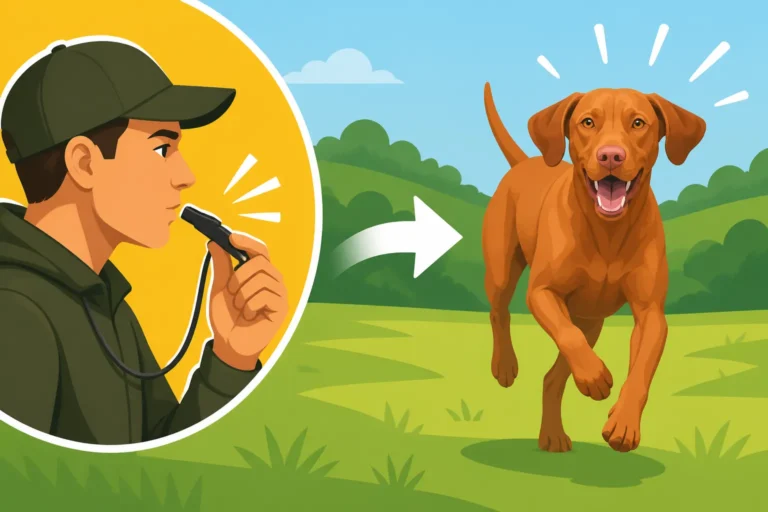
Whether a Vizsla Works Water
One of the most common questions new Vizsla owners, and even experienced ones, grapple with is whether their beloved copper companion is truly cut out for water work. You might see photos of other Pointers enthusiastically leaping into lakes, but then you look at your own Vizsla's sleek, thin coat and wonder if they're truly equipped for it, or if it's just going to be a struggle that leads to a shivering, miserable dog. This guide will dive deep into the Vizsla's natural affinity for water, how to prepare them, and what to expect when you introduce them to this exciting aspect of their heritage.
The Vizsla's Natural Affinity and Historical Role in Water
It's easy to look at a Vizsla and assume their short, fine coat means they're purely land-based hunters, designed for fields and dry cover. But historically, the Vizsla was developed as a versatile gun dog, meaning they were expected to perform a variety of tasks, often including retrieving game from water. They weren't just pretty faces; they were workers, and that included dealing with wet environments.
The Breed's Versatile Heritage
The Hungarian Vizsla's lineage traces back to dogs used by Magyar tribes for hunting. These dogs needed to adapt to diverse terrains and conditions, from open plains to marshy areas. While they might not have the thick, oily double coat of a Labrador or a Chesapeake Bay Retriever, their inherent athleticism, intelligence, and strong prey drive made them capable of retrieving downed birds from water. The expectation was that they could point, track, and retrieve on land and in water. This isn't just about tradition; it's about the very DNA of the breed. They might hesitate initially, but many Vizslas quickly discover the joy of splashing around.
Instinct Versus Physical Attributes
While many Vizslas possess a strong natural instinct to retrieve and a general curiosity about water, their physical build does present some considerations. Their "golden rust" single coat, while beautiful, doesn't offer the same insulation as a thick double coat. This means they can get cold quickly, especially in cooler temperatures or after extended exposure. Their lean, muscular bodies are built for speed and endurance on land, but they are generally strong swimmers. It’s more about management and preparation than a lack of ability. You'll often find a Vizsla shivering dramatically after a good swim, not necessarily because they're unhappy, but because their body is expending energy to warm up. The Single Coat a Vizsla Has and Why It Changes Everything is a great read if you want to understand more about their unique coat.
Preparing Your Vizsla for Water Introduction
Before you even think about letting your Vizsla splash into a pond, there are some fundamental preparations you need to undertake. Rushing into water work without a solid foundation can lead to a negative experience, making future attempts much harder. This isn't just about safety; it's about setting your dog up for success and making it an enjoyable activity for both of you.
Building a Strong Training Foundation
A Vizsla that works well in water is a Vizsla with a solid understanding of basic obedience on land. Their recall, in particular, needs to be bulletproof. Imagine your dog enthusiastically swimming after a duck and ignoring your calls – that's a dangerous situation. Practice "come" in distraction-filled environments, rewarding heavily. "Stay" or "wait" is also crucial for preventing impulsive leaps into unsafe water or before you're ready. Positive reinforcement is key with Vizslas, as they are a "soft" breed that can shut down with harsh corrections. If you're struggling with consistent obedience, consider online resources like BAXTER & Bella, which can provide structured training programs to build these foundational skills before you introduce more complex environments. A strong relationship built on trust and clear communication will make all the difference. What a Vizsla Will Work For delves into their motivations.
Essential Gear for Water Safety
You'll need more than just enthusiasm when heading to the water. A long line, preferably a waterproof one, is indispensable for initial introductions, allowing your dog freedom to explore while giving you control. A well-fitting, bright life vest is absolutely non-negotiable, especially for young or inexperienced swimmers, or if you're exploring deeper, faster-moving water. This isn't just a floatation device; it also makes your dog more visible and provides a handle for you to assist them. For colder weather, you might even consider a neoprene vest designed for dogs to help with insulation, keeping in mind Whether a Vizsla Handles Cold Water. Don't forget absorbent towels for drying off, and proper ear cleaner to prevent infections. You can find a wide range of these practical items on platforms like Amazon, making it easy to get ready for your adventures.
Introducing Your Vizsla to Water Effectively
The first experiences with water should be positive, low-pressure, and fun. You want your Vizsla to associate water with good things, not fear or stress. A bad first experience can create a lifelong aversion, which is the last thing you want for a versatile hunting dog.
Choosing the Right Location and Conditions
Start in a shallow, calm body of water with a gentle slope and a firm bottom. Think a kiddie pool, a calm pond edge, or a lake with a sandy entry. Avoid strong currents, steep drop-offs, or murky water where you can't see potential hazards. The weather should be mild, not too cold to avoid chilling, and not too hot to prevent overheating. Your Vizsla will be expending a lot of energy, and their single coat makes them susceptible to both extremes. Gradually increase the depth and complexity of the water as your dog gains confidence. It’s a marathon, not a sprint.
Making the First Experience Positive
Walk into the shallow water yourself, encouraging your Vizsla to follow with happy talk and treats. Toss a favorite floating toy just a few feet away, gradually increasing the distance as they get comfortable. Never force them into the water; this can create a negative association. Some Vizslas will dive right in, others will take their sweet time, pawing at the edge, nudging the water with their nose. Celebrate every small step, even just dipping a paw! If they're hesitant, you can try bringing another water-loving dog along to model the behavior, but ensure that dog isn't too boisterous and doesn't overwhelm your Vizsla. The goal is positive association, so keep it light and fun.
| Key Factors for Water Introduction | Ideal Scenario | Avoid/Mitigate |
|---|---|---|
| Water Type | Shallow, calm, clear, still water with gentle slope and firm bottom (e.g., kiddie pool, pond edge) | Strong currents, steep drop-offs, murky water, deep water initially |
| Weather | Mild, comfortable temperatures (not too hot, not too cold) | Extreme cold (risk of hypothermia), extreme heat (risk of overheating) |
| Tools | Floating toys, long line, life vest, high-value treats, towels, ear cleaner | No safety gear, heavy sinking toys, forcing dog into water |
| Approach | Gradual, positive, playful, handler enters water first | Rushing, high-pressure, negative reinforcement, throwing dog in |
| Companions | Calm, confident water dog (optional) | Overly boisterous dogs, dogs that might cause anxiety |
Training for Advanced Water Skills
Once your Vizsla is comfortable and enjoys being in the water, you can start layering on more advanced skills, moving beyond just casual splashing to purposeful water retrieves, which are often a critical part of their job as a versatile gun dog.
Developing Water Retrieves
The goal is a confident, enthusiastic retrieve of a bird or dummy from the water. Start by tossing floating bumpers or dummies a short distance into the water, just far enough that your Vizsla has to swim a few strokes. Praise and reward them lavishly when they bring it back. Gradually increase the distance and introduce different types of water, such as those with light cover or reeds. Make sure your Vizsla understands the "hold" command on land before asking them to hold a wet dummy. This will help them retrieve to hand consistently. Remember that consistency is crucial in training, and breaking down the desired behavior into small, achievable steps will yield the best results for your enthusiastic companion. Whether a Vizsla Retrieves to Hand is a good resource to review.
Steadiness and Gunfire Introduction Near Water
For hunting, your Vizsla needs to be steady when a bird falls, even if it's over water. This means waiting for your command before entering the water for a retrieve. Practice this by having a helper toss a dummy near the water, commanding "sit" or "stay," and only releasing them on your "fetch" command. Introduce gunfire gradually and at a distance from the water, ensuring your dog is comfortable with the sound before combining it with water work. A dog that is "gun shy" will likely be ruined by a bad experience, especially if it happens in conjunction with something else they are still learning like water retrieves. The key is to desensitize them to the sound in a positive, controlled manner, associating it with good things, like a retrieve. How to Introduce a Vizsla to Gunfire offers more specific advice on this.
Addressing Challenges and Ensuring Safety
Even with the best intentions and training, you might encounter some challenges when working your Vizsla in water. Being prepared for these can make all the difference in turning a potential setback into a learning opportunity.
Overcoming Reluctance or Fear
Some Vizslas are naturally more hesitant than others. If your dog shows fear, backtrack immediately. Return to shallower water or even just playing near the water's edge. Never scold or punish them for being reluctant. Instead, make it a game, bring a friend's water-loving dog along, or use high-value treats to lure them. Sometimes, it's not fear of the water itself, but the unfamiliar sensation, sound, or even the feeling of swimming. Patience and positive reinforcement will eventually win them over. Remember, every dog is an individual, and their comfort level will vary.
Preventing Hypothermia and Ear Infections
As mentioned, Vizslas have a single coat and can get cold quickly. Whether a Vizsla Gets Hypothermia is a serious concern, especially if you're working them in cooler temperatures or for extended periods. Keep water sessions relatively short in cold weather. After a swim, immediately towel dry them thoroughly, especially their ears and belly, and consider a warm dog coat if the ambient temperature is low. Always check their ears after water work, as the floppy ears of a Vizsla are prone to trapping moisture, creating an ideal environment for ear infections. Use a veterinarian-approved ear cleaner to help dry out the ear canal and prevent issues. Keeping a Vizsla's Ears Clear After Water Work is a vital practice for any water-working Vizsla.
Essential Gear and Post-Water Care for Your Vizsla
Having the right equipment and a good routine for after-water care is crucial for your Vizsla's safety, comfort, and long-term health, especially if water work becomes a regular activity.
Specialized Water Gear
Beyond the basics, there are a few other items that can make water work safer and more enjoyable. A good quality, high-visibility vest is paramount. Many brands offer durable options with reflective strips and sturdy handles. For retrieving, investing in a variety of floating dummies made of different materials (plastic, canvas, foam) can keep training interesting. Some come with scents you can add to mimic real game birds. If you're working in areas with debris or sharp objects, dog boots might be beneficial to protect their paws, though these can sometimes be tricky for a dog to swim in. For dogs new to retrieving from water, a training leash that floats can be a lifesaver, allowing you to guide them without submerging your hands.
Post-Water Rituals and Health Checks
Immediately after any water session, particularly in natural bodies of water, a thorough check-over is essential. This isn't just about drying them; it's about health and preventing problems.
- Drying: Use absorbent towels to dry their coat thoroughly. If it's cold, keep them moving or get them into a warm vehicle.
- Ear Cleaning: This is non-negotiable. Use a gentle, veterinarian-recommended ear cleaner to dry and acidify the ear canal, preventing yeast and bacterial infections that thrive in moist environments.
- Paw Check: Inspect their paw pads for any cuts, abrasions, or embedded debris like sharp sticks or thorns that might have been picked up from the water's edge or bottom.
- Coat and Skin Exam: Run your hands over their entire body, checking for any new scrapes, rashes, or pests like ticks. Their thin skin can be surprisingly vulnerable. Checking a Vizsla Over After a Hunt should always include a full body inspection.
- Warmth and Rest: Provide a warm, comfortable place for them to rest. A heated dog bed can be a real luxury, especially after a chilly dip. Offer fresh water, and if it was an intense session, a small, easily digestible meal might be appreciated.
By being mindful of their unique physical characteristics and historical abilities, you can ensure that water work becomes a safe, productive, and incredibly fun activity for your Vizsla.
Disclaimer
This article is for general informational purposes only and does not constitute professional advice. Laws, prices and regulations vary by location and change over time. Consult a qualified professional for guidance on your specific situation.