Whether a Vizsla Is Safe With Toddlers
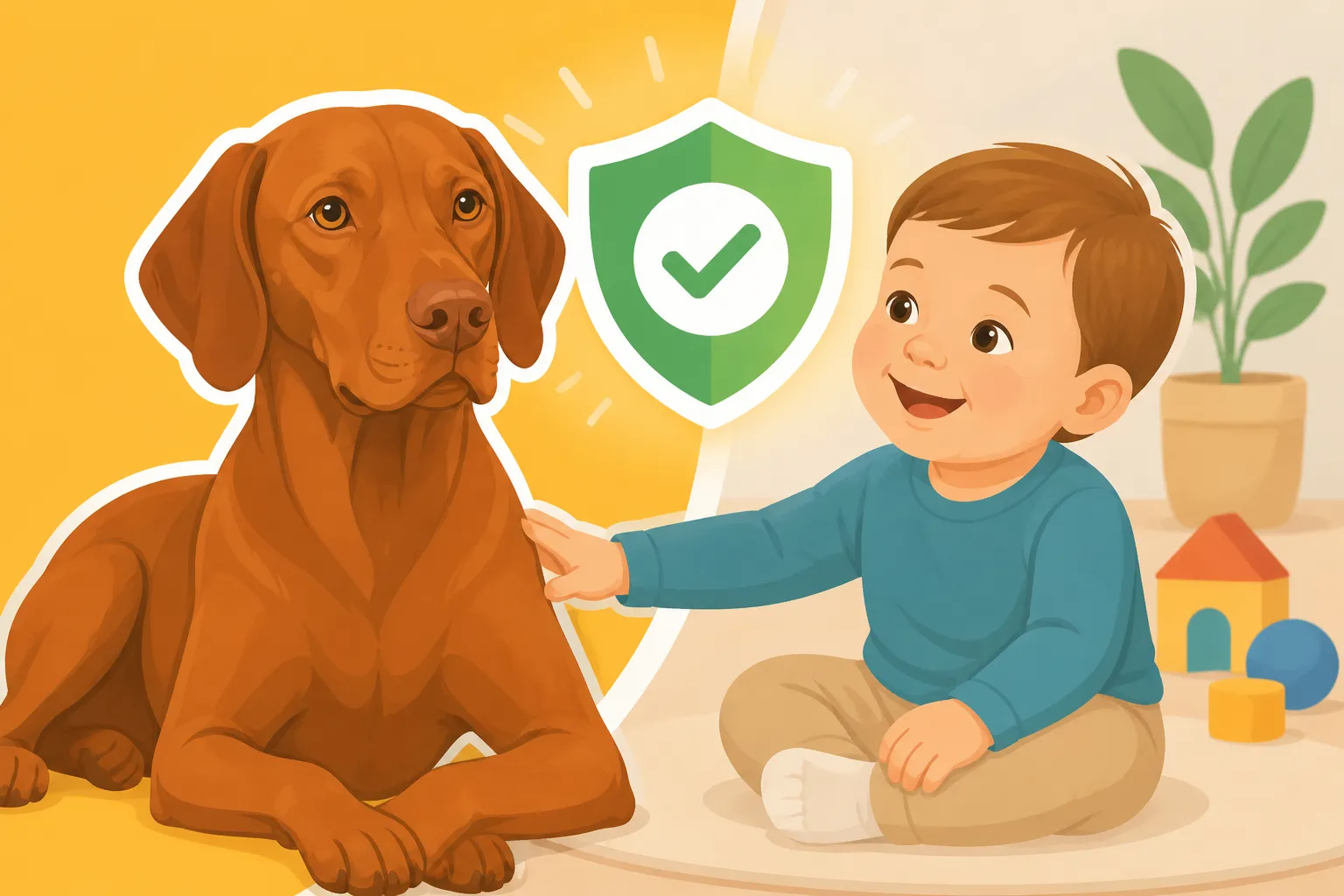
Bringing a high-energy, loving Vizsla into a home with a curious, unpredictable toddler can feel like navigating a minefield. Many Vizsla owners adore their "Velcro" dogs but worry about their boundless enthusiasm around tiny humans who might not understand dog manners or personal space. This guide will help you understand the unique dynamics of Vizslas and toddlers, offering practical strategies to create a safe and harmonious environment for both your beloved canine companion and your little one.
Understanding the Vizsla Temperament Around Children
Vizslas are renowned for their incredible loyalty, intelligence, and affectionate nature. They thrive on being part of the family, often described as "Velcro dogs" because of their desire to be constantly near their people. However, these very traits, combined with their energetic sporting dog heritage, can present unique considerations when they share a home with toddlers.
The Vizsla's Affectionate Nature and "Velcro" Tendencies
Vizslas are deeply devoted dogs. They form incredibly strong bonds with their human families and often consider themselves an integral part of the pack, wanting to be involved in every activity. This is why they are often referred to as Why They Call It a Velcro Vizsla. This intense desire for companionship extends to children, whom they generally see as smaller, more interesting members of their beloved family. They crave attention, cuddles, and inclusion, and will often seek out human contact, whether it's by leaning against you on the sofa or trying to sneak onto your lap, regardless of their size.
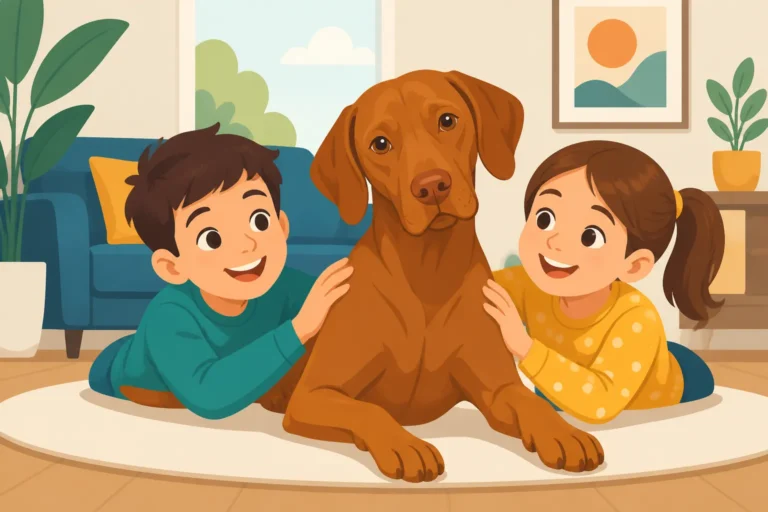
This deep affection can be wonderful, fostering a beautiful bond between dog and child. Many Vizslas are incredibly patient with children, tolerating gentle pats and even some clumsy toddler affection. They often enjoy being part of family play, whether it's fetching a ball in the yard or simply being nearby as children play. However, this same desire for closeness means they might not always understand personal space, especially when a toddler is involved. They don't mean to intrude, they simply want to be with you, or your child, often right on top of you.
High Energy and Exuberance: The Double-Edged Sword
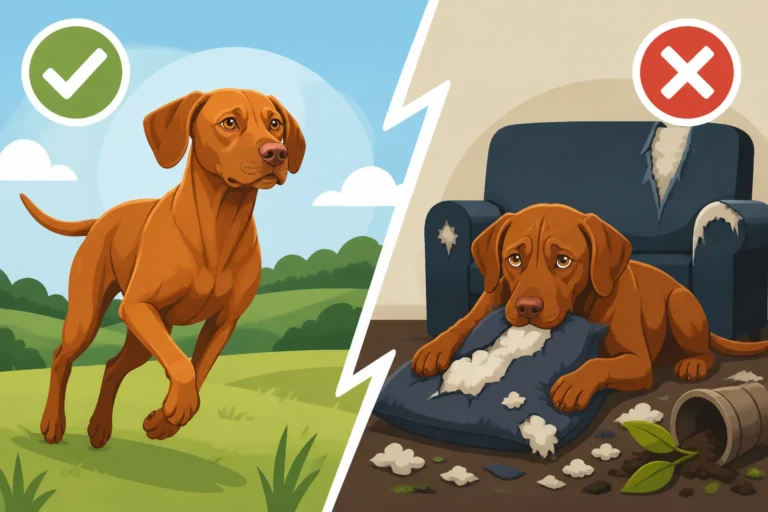
Vizslas are athletes, bred for hours of demanding work in the field. This means they possess an incredible amount of energy and an inherent exuberance for life. A well-exercised Vizsla is a joy, but an under-exercised one can be a whirlwind of restless energy, often leading to destructive behaviors or excessive "zoomies" around the house. When you combine this boundless energy with the small, unsteady movements of a toddler, you can quickly see where challenges might arise.
A Vizsla's excitement, while completely innocent, can easily translate into accidental bumps, nudges, or even knock-overs. Imagine a happy Vizsla, tail wagging furiously, galloping through the living room to greet you, completely unaware of the tiny human suddenly in its path. Their enthusiasm means they can be a bit clumsy in their joy. This isn't malice; it's simply a large, fast dog reacting with instinctual joy. Understanding The Two Hours a Vizsla Needs Before It Will Settle daily for physical and mental exercise is crucial to managing this exuberance.
Sensitivity and Softness: A Key Consideration
Despite their athletic build and drive, Vizslas are known for their sensitive and soft temperaments. They generally respond best to positive reinforcement training methods and can become quite reserved or even anxious if subjected to harsh corrections or loud, angry voices. This "softness" is something many owners cherish, as it makes them highly receptive to training and eager to please.
However, this sensitivity also means they can be easily startled or overwhelmed, especially by the unpredictable nature of a toddler. A sudden scream, a dropped toy, or an unexpected grab from a small child could cause a sensitive Vizsla to react defensively, not aggressively, but perhaps by flinching, retreating, or even snapping out of fear. It's important to remember that The Soft Vizsla That Shuts Down When You Raise Your Voice applies to interactions with children as well. Their reactions are often rooted in surprise or fear rather than any malicious intent, making it vital to teach both dog and child appropriate interaction boundaries.
Common Challenges When Vizslas and Toddlers Mix
Even with the best intentions, the unique blend of a Vizsla's traits and a toddler's developmental stage can create specific challenges. Being aware of these potential issues is the first step toward proactive management and prevention.
Accidental Knock-Overs and Play Biting
Perhaps the most common concern for parents of Vizslas and toddlers is the risk of accidental injury. A Vizsla’s sheer size, speed, and energetic movements, particularly during enthusiastic greetings or play, can easily lead to a toddler being knocked down. It’s rarely intentional, but rather a consequence of a large, happy dog moving without full awareness of a small child's presence or stability. Their strong, whip-like tail, while a sign of joy, can also deliver an accidental smack to a child's face. Whether a Vizsla Is Too Bouncy for Small Kids is a very real question, and the answer is often "yes, if not managed carefully."
Puppies, and even young adult Vizslas, also have a tendency to "mouth" or "play bite" as part of their natural exploration and social interaction. While this is normal dog behavior, a toddler's delicate skin is no match for even a gentle puppy bite, and it can quickly escalate if the dog isn't taught bite inhibition. They don't understand that human skin is fragile, and they learn boundaries from feedback. Without proper training, this play behavior can become a significant safety concern.
Resource Guarding and Jealousy
Vizslas are pack animals, and within their pack, resources like food, toys, and even human attention can become important. Some Vizslas may develop resource guarding behaviors, meaning they become possessive over their belongings or space. This can manifest as growling, stiffening, or even snapping if a toddler approaches their food bowl, a favorite toy, or even their bed. While not all Vizslas will exhibit this, it's a possibility that needs to be taken seriously, especially when Whether a Vizsla Guards Its Food can become a flashpoint.
Beyond tangible resources, some Vizslas can display jealousy over owner attention. If a Vizsla is used to being the sole focus of affection and suddenly has to compete with a new, demanding human, they might nudge, paw, or even try to push the toddler away from a parent. This isn't necessarily aggression, but a plea for attention or a manifestation of anxiety about their changing status in the household hierarchy. Recognizing these subtle signs and addressing them proactively is crucial.
Noise Sensitivity and Startle Reflex
Toddlers are loud. They shriek with delight, cry with frustration, and drop things with startling bangs. For a sensitive Vizsla, this cacophony of unpredictable sounds can be unsettling. A sudden loud noise or an unexpected movement from a toddler can trigger a startle response in a Vizsla. In their surprise, they might jump, bark, or bolt, which could inadvertently knock a child over or lead to a frightened reaction from the dog.
This noise sensitivity is often overlooked but plays a significant role in how well a Vizsla integrates into a bustling family home with young children. Understanding their thresholds and providing them with a quiet retreat can go a long way in managing their reactions. It’s not that they dislike children, but the sheer unpredictability of a toddler’s movements and sounds can be genuinely overwhelming for a dog with an already sensitive disposition.
Strategies for a Harmonious Household
Creating a safe and happy home for both your Vizsla and your toddler requires a multi-faceted approach centered on supervision, clear boundaries, and consistent training. It's about setting both dog and child up for success.
Supervision, Separation, and Safe Spaces
The golden rule for Vizslas and toddlers (and really, any dog and young child) is constant, active supervision. Never leave a Vizsla and a toddler unsupervised, even "just for a minute." A quick trip to the bathroom or turning your back to stir a pot is enough time for an accidental interaction to occur. This level of vigilance can be exhausting for parents, which is why creating safe, separate spaces for both your dog and your child is essential.
Baby gates are your best friend. They allow your Vizsla to be part of the family activities from a safe distance, seeing and hearing without direct physical interaction. A quiet crate or a dedicated dog bed in a low-traffic area can serve as your Vizsla's sanctuary – a place where they know they will not be disturbed. Teach your toddler that this is the dog's special place and they are not allowed to bother the dog there. Conversely, your toddler needs a safe play zone, perhaps a gated-off area or a playpen, where they can explore without the dog's interference. This strategy is particularly vital when A Vizsla in a House With Children is navigating the chaos of daily life.
Early Socialization and Positive Reinforcement
Proper socialization from puppyhood is paramount for a Vizsla, especially if they will be living with children. This means exposing your Vizsla puppy to a wide variety of sights, sounds, people, and experiences in a positive and controlled manner. This includes gentle, supervised interactions with well-behaved children of various ages. The goal isn't just to "tolerate" children, but for the Vizsla to associate them with positive experiences, like treats or praise.
Continue this positive association as your toddler grows. When your Vizsla behaves calmly around your child, reward them generously with high-value treats and praise. If your Vizsla is being boisterous, calmly separate them without scolding and redirect their energy. You can find excellent positive reinforcement training resources online, including programs like those offered by BAXTER & Bella, which can guide you through teaching your dog appropriate behaviors around children and in a busy family environment. Focus on rewarding the behaviors you want to see.
Managing Energy Levels Through Exercise and Mental Stimulation
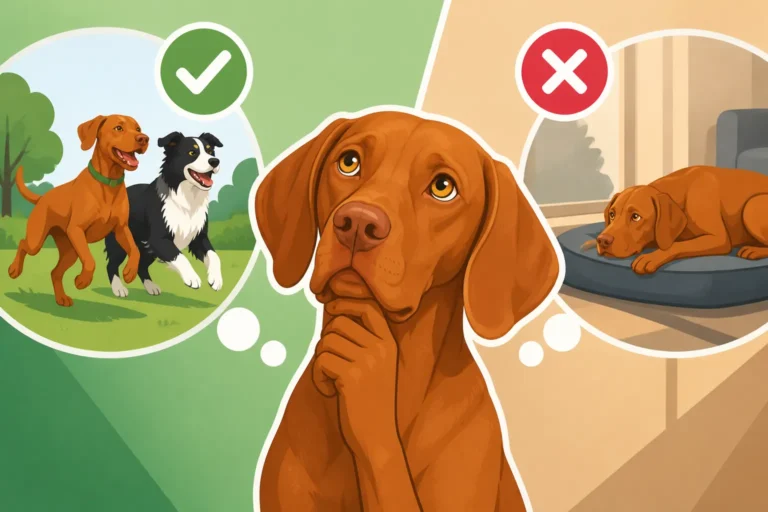
An under-exercised Vizsla is a recipe for disaster in a home with toddlers. These dogs need a significant outlet for their physical and mental energy every single day. We're talking more than a casual stroll around the block. They need brisk runs, vigorous games of fetch, swimming, or long hikes. The Exercise a Vizsla Needs Every Day is non-negotiable for their well-being and for peace in your home. When they are physically tired, they are far more likely to be calm and settled around your child.
Beyond physical activity, Vizslas are intelligent dogs that require mental stimulation to prevent boredom and destructive behaviors. Incorporate puzzle toys, scent work, obedience training sessions, or even learning new tricks into their daily routine. A dog that is mentally engaged is less likely to seek out inappropriate ways to entertain itself, such as nudging a toddler for attention or chewing on household items. Even short, engaging training sessions can help satisfy their need for mental work.
Training Your Vizsla for Toddler Safety
Specific training cues and a focus on impulse control are vital for a Vizsla living with young children. This isn't just about obedience; it's about building a foundation of reliable behavior that keeps everyone safe.
Foundation Obedience and Impulse Control
Solid basic obedience is the cornerstone of a safe dog-toddler relationship. Your Vizsla should reliably respond to cues like "sit," "stay," "down," and "come" even amidst distractions. Practice these commands frequently in various environments, gradually increasing the level of distraction, including when your toddler is present (from a safe distance, of course). A strong "stay" command can be a lifesaver, allowing you to create space between your dog and child when needed.
Equally important is impulse control. Teach your Vizsla to wait patiently for food, to not rush through doorways, and to resist jumping up on people. Games like "leave it" and "wait" are invaluable. You can practice "leave it" with tempting items on the floor, gradually working up to your toddler's dropped toys or food. Impulse control isn't just about direct interactions; it’s about teaching your Vizsla to think before they act, which is crucial when dealing with the unpredictable nature of toddlers.
Teaching "Gentle" and "Off" Cues
Specific verbal cues can be incredibly helpful in managing a Vizsla's interactions with a toddler. "Gentle" can be taught by having your dog take a treat very softly from your hand. Gradually, you can introduce this cue when they interact with a toddler, always under strict supervision, rewarding calm, soft behavior. If your dog is prone to mouthing, "gentle" can help them understand that soft mouth behavior is always preferred.
The "off" command is essential for Vizslas who love to jump or lean. Vizslas, with their "Velcro" nature, can easily jump up for attention or try to get onto furniture with a child. Consistently redirecting them with an "off" command and rewarding them for keeping four paws on the floor teaches them appropriate ways to seek attention. Practice this not only with adults but also when children are present, ensuring they understand that "off" applies in all scenarios. You might consider looking at various training tools on Amazon, such as longer leashes for control during practice, or treat pouches to keep rewards handy.
Desensitization to Toddler Behaviors
Toddlers are full of strange and sudden movements, loud noises, and unpredictable grabs. Desensitizing your Vizsla to these common toddler behaviors can help prevent startling reactions. Start by exposing your Vizsla to recordings of toddler sounds (crying, laughing, shrieking) at a low volume, gradually increasing it while rewarding calm behavior. Play with toys that make sudden noises or movements, again, rewarding your dog for remaining relaxed.
When your toddler is present (always supervised), reward your Vizsla for remaining calm when the child makes sudden movements or drops something. You can also teach your dog to be comfortable with gentle touching in various places, preparing them for the sometimes clumsy pats or pokes from a toddler. The goal is for your Vizsla to view these unpredictable toddler actions as normal background noise rather than threats or reasons to react fearfully. Remember, Whether a Vizsla Copes When a Baby Arrives often depends on how well they are prepared for the changes.
Educating Your Toddler About Dog Interactions
While dog training is essential, educating your toddler on how to respectfully interact with a dog is equally important. Safety is a two-way street, and toddlers need to learn appropriate boundaries from a very young age.
Gentle Hands and Quiet Voices
Toddlers naturally explore with their hands, and often, without understanding their strength. Teach your child the concept of "gentle hands" from the very beginning. Practice touching soft toys gently, then demonstrate gentle petting on the Vizsla, always guiding their hand and praising them for soft touches. Reinforce that ears, tail, and paws are sensitive areas and should be left alone.
Similarly, teach your toddler about "quiet voices" around the dog. While it's unrealistic to expect a toddler to be silent, encourage them to use calm tones when near the Vizsla. Explain that loud shrieks or screams can scare the dog. By fostering a culture of respectful interaction, you're not only protecting your Vizsla but also teaching your child empathy and kindness towards animals. This consistent messaging reinforces positive interactions.
Respecting the Dog's Space
Just as your Vizsla needs its safe space, your toddler needs to learn to respect those boundaries. Teach your child that when the dog is in its crate, on its bed, or eating, they are not to approach or disturb it. Use clear, simple language: "Doggy is eating, leave him alone," or "Doggy is sleeping, let him rest." This is a critical lesson for preventing potential resource guarding incidents or fear-based reactions.
Reinforce the idea that the dog's personal space is important. This means no pulling tails, no climbing on the dog, and no taking the dog's toys. It's a fundamental lesson in boundaries that will benefit your child's interactions with all animals, and even other people, as they grow. A clear physical barrier, like a baby gate, can help enforce this rule when you cannot actively supervise.
Recognizing Canine Body Language
As parents, it's our responsibility to learn and teach our children to recognize basic canine body language. Dogs communicate constantly through their posture, tail wags, ear position, and facial expressions. Learning to read these signals can help both you and your toddler understand when a Vizsla is happy, stressed, or uncomfortable.
Teach your child to look for signs that the Vizsla might be feeling overwhelmed: a stiff body, ears pinned back, lip licking, yawning (when not tired), or turning its head away. Explain that these are signs the dog needs space. A soft, loose body, a gently wagging tail (not a stiff, high one), and relaxed ears usually indicate a happy, comfortable dog. There are many excellent children's books and online resources that can help teach toddlers about dog safety and body language, making it a fun and educational experience.
When to Seek Professional Help
While many families successfully integrate Vizslas and toddlers with careful management and training, there are times when professional intervention is necessary and highly recommended. Don't hesitate to seek help if you're struggling.
Persistent Behavioral Issues
If, despite your best efforts with training, exercise, and management, your Vizsla continues to exhibit concerning behaviors around your toddler, it's time to call in a professional. These behaviors could include persistent jumping, overly rough play that cannot be redirected, recurrent accidental knock-overs, or an inability to settle down even after ample exercise. It’s better to address these issues early before they become ingrained habits or escalate into more serious problems.
A certified professional dog trainer or behaviorist can offer an objective assessment of your Vizsla's behavior and your household dynamics. They can identify the root causes of the issues and develop a tailored training plan that works for your specific family situation. They can also offer hands-on guidance, demonstrating techniques that you might be struggling to implement effectively on your own. Resources like BAXTER & Bella often have certified trainers available for one-on-one consultations or can recommend local professionals.
Fear or Aggression Towards Children
Any sign of fear-based aggression or overt aggression towards your toddler should be treated with the utmost seriousness and addressed immediately by a qualified professional. This includes growling, snapping, baring teeth, lunging, or biting, even if it doesn't break the skin. These behaviors are not normal or acceptable in a family pet, especially when living with young children. Do not attempt to "fix" aggression on your own, as you could inadvertently make the problem worse or put your child at greater risk.
A veterinary behaviorist (a veterinarian with specialized training in animal behavior) or a certified professional dog behaviorist experienced in aggression cases is the appropriate expert to consult. They can rule out any underlying medical causes for the behavior and develop a comprehensive behavior modification plan. In the meantime, strict management, including physical separation of the dog and child at all times, is absolutely critical for everyone's safety.
Proactive Guidance from a Certified Professional
Even if you aren't currently experiencing major problems, proactively seeking guidance from a certified professional can be incredibly beneficial. If you're expecting a baby and already have a Vizsla, or if you're considering getting a Vizsla while you have young children, consulting a professional trainer beforehand can help you set up your home for success from day one. They can guide you through the process of The First Year With a Vizsla Puppy in a child-safe manner.
A professional can help you develop a comprehensive safety plan, teach you effective management strategies, and ensure your Vizsla's training is solid enough to navigate life with a toddler. This proactive approach can prevent issues from arising in the first place, giving you peace of mind and fostering a truly harmonious home for your enthusiastic Vizsla and your precious little one.
Disclaimer
This article is for general informational purposes only and does not constitute professional advice. Laws, prices and regulations vary by location and change over time. Consult a qualified professional for guidance on your specific situation.