Whether a Vizsla Follows You Into the Shower
If you've ever found yourself stepping into the shower only to realize you have a furry, golden shadow peering around the curtain, you're not alone. Many Vizsla owners experience this unique brand of canine companionship, which, while endearing, can sometimes make you wonder if you'll ever truly have a private moment again. This guide dives deep into why your Vizsla insists on being your constant bathroom attendant and offers practical ways to manage this intense need for closeness, so both you and your loyal companion can thrive.
Understanding the "Velcro" Phenomenon in Vizslas
Vizslas are renowned for their exceptional bond with their human families, a trait so pronounced it's earned them the affectionate, if slightly exasperating, nickname "Velcro Vizslas." This isn't just a cute quirk; it's a fundamental aspect of their breed personality and something every Vizsla owner quickly comes to understand.
What "Velcro Vizsla" Truly Means
The term "Velcro Vizsla" perfectly captures the breed's intense desire for physical proximity and constant connection to their people. It means they will follow you from room to room, often bumping into your legs as you move, and will usually find a way to be touching you if you're sitting or lying down. This isn't just about being friendly or wanting a pat; it's a deep-seated need to be part of your personal space, almost as if they believe they are an extension of you.
You might notice your Vizsla lying with their head on your foot, nudging your hand for pets while you're trying to read, or even attempting to squeeze onto the smallest patch of sofa beside you, regardless of how uncomfortable it might look. This behavior is so ingrained that many Vizsla owners simply accept it as part of the deal. They thrive on interaction, eye contact, and being fully immersed in whatever their human is doing. If you've ever wondered What Velcro Behavior Looks Like in a Vizsla, simply observe how many inches separate you from your dog at any given moment; often, it's zero. This close connection is part of their charm, but it also presents unique challenges.
The Vizsla's Innate Need for Proximity
To understand why your Vizsla is so glued to your side, you need to look back at their history. Vizslas were not bred to be kennel dogs or to work independently far from their handler. Instead, they were developed in Hungary as close-working hunting companions for noblemen. Their role was to hunt alongside their human partner, maintaining constant communication and an awareness of their handler's movements and intentions. This meant they needed to be highly attuned to human signals and deeply bonded.
This historical purpose imprinted a strong drive for cooperation and attachment into the breed's DNA. They are sensitive dogs who thrive on companionship and can genuinely struggle when separated from their families. Unlike some working breeds that are content with a job and then can switch off, a Vizsla's "job" often feels like it's to be with you, observing, participating, and offering comfort. This innate need for proximity makes them incredibly loyal, but also very dependent on human presence, which can lead to behaviors like following you into the most private of spaces.
Why Your Vizsla Becomes Your Shower Buddy
The bathroom, a sanctuary for humans, often becomes another "office" for a dedicated Vizsla. That intense desire to be near you doesn't magically stop at the bathroom door; for many Vizslas, it intensifies. Understanding why they do this can help you address it.
The Drive to Be Part of Your Pack
For a Vizsla, their human family isn't just a group of people they live with; it's their entire world, their pack. When you disappear behind a closed door, especially one that leads to a room they can't access, it can feel like a profound exclusion. They don't understand the human concept of privacy or the purpose of a shower. All they know is that their pack leader, their favorite person, has vanished. This can trigger a primal urge to reunite with the pack, even if it means standing guard outside a steamy bathroom door.
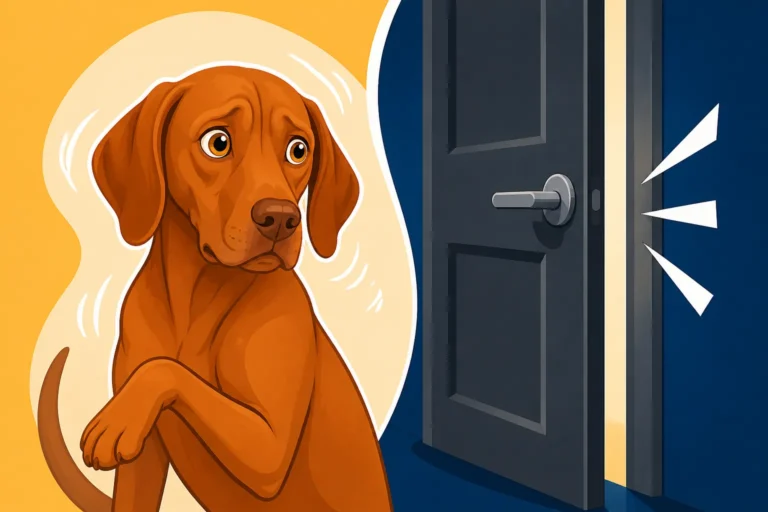
They often simply want to ensure you're safe and accounted for. If they can’t see or hear you clearly, they might worry. This isn't just idle curiosity; it's often rooted in their deep bond and protective instincts. They might not be able to follow you into the shower, but they can certainly follow you right up to it, ready to step in should you ever need their assistance – or perhaps, just to confirm you haven't suddenly ceased to exist behind that opaque shower curtain. This behavior can be tied to a broader struggle with independence, highlighting why it’s important to understand Whether a Vizsla Panics When You Shut a Door.
Separation Anxiety's Subtle Signals
While not every Vizsla who follows you to the bathroom suffers from full-blown separation anxiety, this behavior can certainly be a subtle indicator or an early warning sign. Many Vizslas have a predisposition to anxiety when left alone, and even brief separations, like a closed bathroom door, can trigger mild distress. For some, the sound of running water, the sudden quiet of the house when you step into the shower, or simply the feeling of isolation, can be enough to make them feel uneasy.
If your Vizsla is just lying outside the bathroom door, perhaps sighing dramatically, and then greets you happily when you emerge, it’s likely normal "Velcro" behavior. However, if they start whining, pawing at the door, scratching, or panting excessively even before you close the door, these could be subtle hints of a deeper unease. This clinginess is rooted in their strong emotional connection, and it’s a symptom of their discomfort with being truly alone, a topic explored further in Teaching a Vizsla to Be Alone. It's crucial to distinguish between a dog who prefers to be near you and one who experiences genuine distress when you're out of sight.
Curiosity and the Fear of Missing Out (FOMO)
Beyond pack instinct and potential anxiety, there's also the simple fact that Vizslas are incredibly curious and intelligent dogs. They live in the moment and are highly engaged with their environment. When you disappear into a room and start making strange noises (like the rush of water), it's a huge mystery to them. What are you doing? Is it fun? Is there food involved? Is it something they should be part of?
This "Fear of Missing Out" (FOMO) is a very real driver for many Vizslas. They want to be privy to all activities, all sounds, all movements. A closed bathroom door represents a secret, and your Vizsla will often position themselves as close as possible, listening intently, convinced that something incredibly exciting must be happening on the other side. They're constantly observing, learning, and trying to understand your world, and the shower ritual is just another fascinating human enigma they need to decode by being as close as possible.
The Good, The Bad, and The Wet: Pros and Cons of a Shower Vizsla
Having a shower-side companion can be a mixed bag. On one hand, it's a testament to the powerful bond you share; on the other, it can present some very practical—and sometimes comical—challenges.
The Affirmation of an Unconditional Bond
Let's start with the undeniably sweet side. When your Vizsla follows you everywhere, even to the shower, it's a clear demonstration of their unwavering devotion. They genuinely love you and want to be near you, all the time. In a world where genuine, unconditional affection can sometimes feel rare, having a Vizsla who thinks you're the most fascinating creature on earth, even when you're shampooing your hair, can be incredibly heartwarming. It's a constant affirmation that you are their entire world.
There's a certain humor in it too. Imagine trying to explain to non-dog people why you occasionally have a wet nose nudge the shower curtain or a pair of amber eyes fixed on you through the steamy glass. These are the unique, often laugh-out-loud moments that come with owning a Vizsla. They teach you to embrace spontaneity and to let go of some of your human ideas of personal space. It’s truly a special connection, even if it sometimes feels a little crowded.
The Practical Challenges of a Canine Companion in the Bathroom
However, the reality of a shower-loving Vizsla isn't always picture-perfect. There are some significant practical challenges that can arise. First and foremost, there are safety concerns. Bathrooms are slippery places, and a curious, excited Vizsla can easily slip on wet tiles, potentially injuring themselves or even you. Their sudden movements could knock over towels, toiletries, or even trip you as you step out.
Then there's the hygiene factor. A dog who hangs around a steamy, wet bathroom will inevitably get damp, which can lead to that distinct "wet dog" smell. And let's not forget the hair! Vizslas do shed, and their short, coarse hair can seem to stick to everything, including wet bathroom surfaces. This means extra cleaning, more frequent mopping, and potentially dealing with a perpetually damp dog who then brings that dampness (and hair) to your furniture. It's a constant struggle to maintain cleanliness, especially if your Vizsla decides to shake off right outside the shower!
Impact on Training and Independence
While endearing, allowing your Vizsla to constantly shadow you, even into the bathroom, can inadvertently reinforce their dependency. If they never learn to be comfortable alone, even for a few minutes, it can hinder their development of independence and self-confidence. The goal of a well-adjusted dog is one who is secure in their bond with you but can also settle and be content when you're not physically present.
Constantly being allowed into every space might make it harder for them to cope when you do need to leave them for longer periods, whether for work, errands, or even just a quick trip to the grocery store. It can make Teaching a Vizsla to Be Alone a much steeper climb. This isn't about pushing them away, but about fostering a healthy sense of autonomy, ensuring they don't become overly reliant on your constant presence to feel secure. A dog who can relax alone for short periods is generally a happier, more resilient dog in the long run.
Managing the Cling: Strategies for When You Need a Moment Alone
If your Vizsla’s shower attendance is starting to feel less charming and more disruptive, there are practical steps you can take to gently encourage more independence without breaking their spirit.
Setting Clear Boundaries (Even with a Vizsla!)
The key to managing a clingy Vizsla is setting consistent boundaries. This doesn't mean being harsh; it means clearly communicating what is expected. Start with small separations. Before you head to the bathroom, ask your Vizsla to "stay" or go to their "place" (a specific bed or mat) in another room. Reward them heavily for complying, even for a few seconds. Gradually increase the duration you expect them to stay before releasing them.
Consider using a baby gate to create a visual barrier across the bathroom doorway or another room, especially if they try to push past you. This allows them to see and hear you, so they don't feel completely isolated, but it physically prevents them from entering your personal space. You can find durable and easy-to-install baby gates on Amazon that work well for containing an enthusiastic Vizsla. This helps them understand that while they can still be near you, there are certain areas where they're not allowed to follow. Consistency is paramount; if you sometimes let them in and sometimes don't, it will be confusing for your Vizsla.
Enrichment and Independent Play
One of the best ways to get a few moments of peace is to redirect your Vizsla's attention before you step into the shower. Provide them with a high-value, long-lasting chew toy or a puzzle toy filled with their favorite treats. The idea is to give them an engaging activity that will absorb their focus and make the time you're away feel less like "abandonment" and more like "opportunity."
A frozen Kong filled with peanut butter or plain yogurt, a bully stick, or a challenging sniffle mat can keep a Vizsla happily occupied for 15-20 minutes, which is often enough time for a quick shower. Introduce this special treat just before you go into the bathroom, and make it clear that this is their "shower treat" – something they only get when you're taking your private time. This positive association can help them view your absence not with anxiety, but with anticipation for a tasty reward.
Crate Training as a Safe Haven
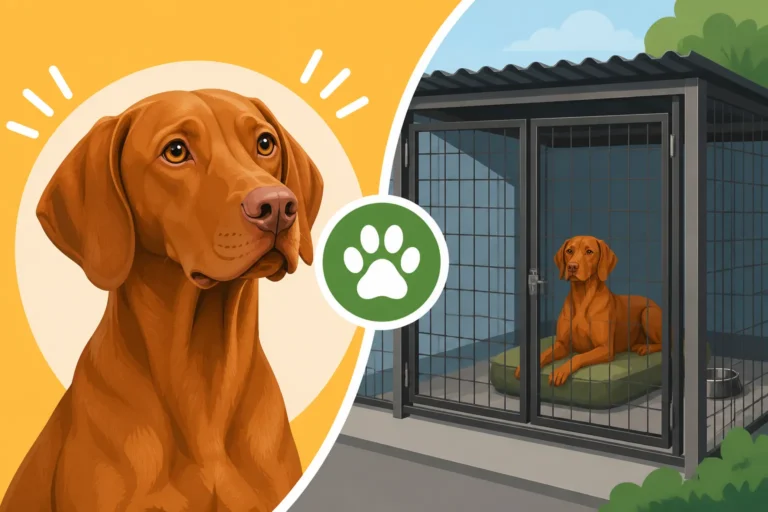
While some Vizsla owners might balk at the idea of crating their dog, especially for short periods, a properly introduced crate can be an invaluable tool for fostering independence. The crate should never be used as punishment, but rather as a comfortable, safe den where your Vizsla can relax and feel secure. This is why Whether Crate Training Helps a Vizsla is a frequently discussed topic. For the clingy Vizsla, a crate can teach them that being alone doesn't have to be a scary experience.
If your Vizsla is already crate-trained and views their crate as a positive space, you can ask them to go into their crate with a chew toy before you shower. This provides a clear boundary and ensures they are safe and comfortable while you're occupied. Many online resources, like those offered by BAXTER & Bella, provide excellent step-by-step guides for making the crate a positive and inviting place for your dog, turning it into their personal retreat rather than a jail.
When Shower Following Points to Deeper Issues
While a Vizsla's clinginess is often just a charming breed trait, sometimes following you to the shower can be a symptom of a more serious underlying issue, like genuine separation anxiety. It's important to know the difference.
Differentiating Normal Clinginess from Separation Anxiety
Distinguishing between normal "Velcro" behavior and true separation anxiety is critical for your Vizsla's well-being. A normally clingy Vizsla might lie patiently outside the bathroom door, maybe sighing dramatically, but will settle down and greet you with happy wags when you reappear. Their distress is minimal and short-lived. This is just their preference for proximity.
Separation anxiety, however, manifests with more intense and often destructive behaviors. If your Vizsla exhibits any of the following when you leave for even short periods (like stepping into the shower): frantic barking or howling, destructive chewing (especially around exits like doors or windows), pacing, panting, house-soiling (even if house-trained), or self-inflicted harm (like licking or chewing their paws raw), then you're likely dealing with true anxiety. This distress is genuine and indicates they are truly panicking when left alone. Understanding How Many Hours a Vizsla Can Be Left Alone can give you context for how long is too long for an anxious dog.
Seeking Professional Guidance
If you suspect your Vizsla's shower-following, or any other separation-related behavior, is more than just normal clinginess and leans towards genuine separation anxiety, it's crucial to seek professional help. Trying to address severe separation anxiety on your own can be frustrating and may inadvertently worsen the problem.
A certified professional dog trainer specializing in behavior modification or a veterinary behaviorist can properly assess your Vizsla's individual situation. They can help identify triggers, rule out any underlying medical conditions, and develop a tailored training plan that may include desensitization, counter-conditioning, and, in some cases, medication to help reduce anxiety levels. Early intervention is always best, so don't hesitate to reach out if you're concerned.
Here's a quick comparison to help you tell the difference:
| Behavior Trait | Normal "Velcro" Vizsla | Potential Sign of Separation Anxiety |
|---|---|---|
| When you leave the room | Follows you, lies down near the door, waits patiently. | Whines, barks, paces, scratches at the door, panics. |
| When you leave the house | Settles after a few minutes, naps, enjoys a chew toy. | Destructive chewing (door frames, furniture), frantic barking/howling, house-soiling, self-harm. |
| In the bathroom | Lies just outside the shower curtain, watches you. | Tries to push into the shower, paws at the curtain, whines when the door is closed. |
| Response to your return | Happy greeting, wags tail, brings a toy. | Overly excited, prolonged jumping, submissive urination, takes a long time to calm down. |
| Ability to settle alone | Can settle for short periods with a good chew or nap. | Struggles to settle, constantly restless, vigilant for your return. |
Disclaimer
This article is for general informational purposes only and does not constitute professional advice. Laws, prices and regulations vary by location and change over time. Consult a qualified professional for guidance on your specific situation.