Whether a Vizsla Is Good With Children
Many families dream of adding a Vizsla to their household, captivated by their striking looks and legendary loyalty. But the thought often lingers: Are these energetic, sensitive dogs truly a good fit for a home with children? It's a valid and important question, especially given their reputation for being "Velcro" dogs with boundless energy. This guide will delve deep into the Vizsla's unique temperament, energy needs, and how careful training and management can foster a loving, safe relationship between your Vizsla and your kids.
Understanding the Vizsla Temperament in a Family Setting
Vizslas are, without a doubt, one of the most affectionate and companion-oriented breeds you'll ever encounter. They thrive on human interaction and genuinely consider themselves to be part of every family activity. This deep bond is what gives them their famous "Velcro" nickname, but it also means understanding how this intense need for closeness plays out when little hands and busy feet are part of the equation.
The "Velcro" Nature and Its Impact on Children
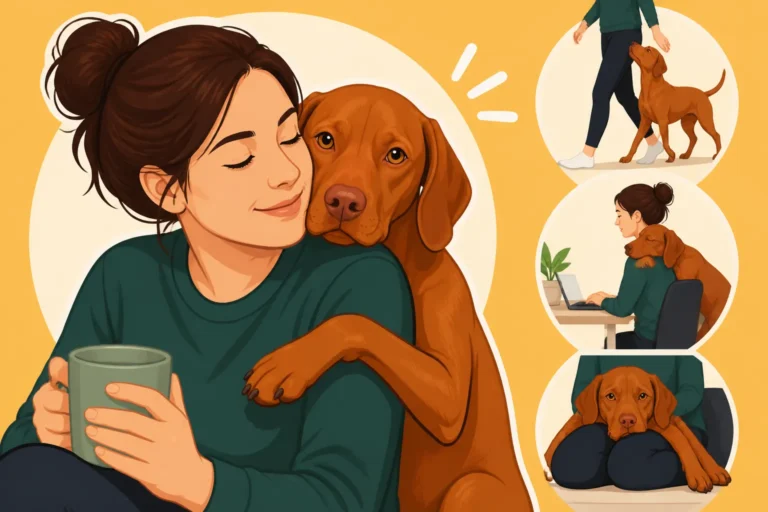
Imagine a dog that isn't just content to lie at your feet, but prefers to be draped across your lap, head on your shoulder, or even tucked under the covers next to you. That's a Vizsla. This intense need for physical proximity extends to every member of the family, including children. For a child, this can be incredibly endearing – having a constant, loving shadow that wants to be involved in every game, every story, and every quiet moment. They'll often try to push their way into snuggles on the sofa, even if the sofa is already crowded.
However, this can also be a lot for a child. A sixty-pound dog that constantly nudges for attention, leans against them, or tries to squeeze onto a small chair can sometimes feel overwhelming. Children, especially younger ones, need their personal space respected, and a Vizsla's persistent desire for closeness might inadvertently infringe upon that. Teaching both the dog appropriate boundaries and the child how to gently communicate when they need a moment alone is key. For example, if your child is building a tower of blocks, your Vizsla might want to "help" by nosing in, possibly sending blocks flying. Learning a "place" command for your Vizsla can be a lifesaver in these moments, giving them a designated spot away from the immediate action. This isn't just about saying "no" to the dog, but teaching respectful interaction for everyone. We've certainly had Vizslas who thought they were human children, always wanting to be in the middle of everything! The Vizsla That Sits On You Rather Than Beside You discusses this phenomenon in detail.
Sensitivity to Tone and Rough Play
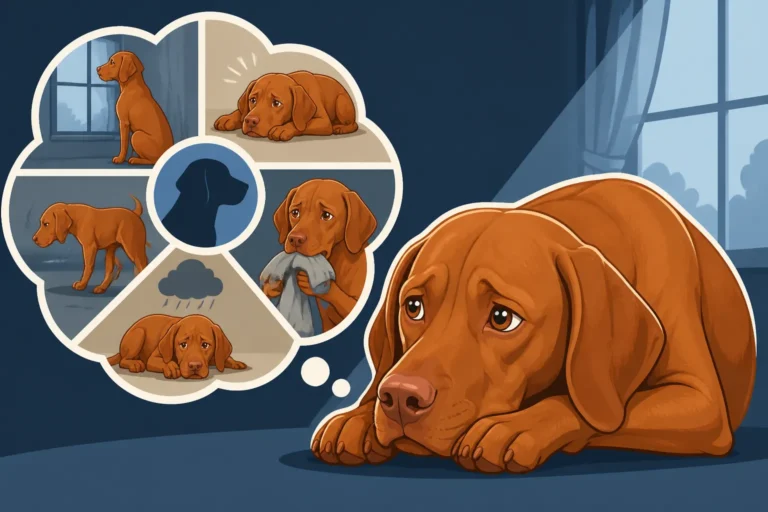
Vizslas are known for their sensitive souls. They are intelligent and eager to please, but they respond best to positive reinforcement and gentle handling. A harsh word, a loud scolding, or even just an unexpected loud noise can cause a Vizsla to shut down emotionally, retreating and becoming anxious. This sensitivity is a critical factor when considering them for a home with children.
Children, by their very nature, can be unpredictable, loud, and prone to sudden movements. A toddler's shriek of delight, a sibling squabble, or a child tripping and falling can all be perceived as startling or even threatening by a sensitive Vizsla. This isn't to say Vizslas are aggressive, but their response might be to cower, hide, or become overly timid. It’s crucial to teach children from a very young age how to interact calmly and respectfully with the dog. This means no pulling ears or tails, no poking, no roughhousing, and understanding that the dog needs quiet time. Observing your Vizsla's body language is vital – a yawn, a lip lick, or turning their head away are all subtle signs that they're feeling uncomfortable and need space. Ignoring these signals can lead to stress for your dog and potential negative interactions. The Soft Vizsla That Shuts Down When You Raise Your Voice further explores how gentle handling is paramount for this breed.
Vizsla Energy Levels and Child Play
If there's one thing everyone knows about Vizslas, it's their energy. These dogs were bred to be tireless hunters, covering vast expanses of ground, and that drive is deeply ingrained in their DNA. While wonderful for active families, it presents a unique challenge and opportunity when paired with children.
The Bouncy, Enthusiastic Playmate
A Vizsla's energy isn't just about needing long runs; it's an inherent exuberance that manifests in their entire being. They are naturally playful, often goofy, and love to engage in physical activities. For older, active children, a Vizsla can be the ultimate playmate – a willing participant in games of fetch, tag, or even running races in the yard. They'll chase a ball with relentless enthusiasm, "herd" children around the garden, and generally inject a huge amount of joyful energy into playtime.
However, this enthusiasm can be overwhelming, especially for smaller children. A Vizsla doesn't always understand their own size and strength. A playful leap might accidentally knock a toddler off balance, or an excited chase can lead to a child being tripped. Their movements are swift and often powerful. Imagine your child running across the lawn, full of glee, and your Vizsla joining in at full speed, attempting to match their pace and get right into the thick of the action. It's not malicious, but it can certainly lead to accidental bumps, scratches, or even falls. The sheer physicality of a high-energy Vizsla sharing space with a small, less stable human needs constant consideration and management. The Exercise a Vizsla Needs Every Day really hammers home how much activity these dogs require.
Managing Over-Excitement and Accidental Injuries
One of the biggest hurdles with a high-energy breed like a Vizsla in a family with children is managing their propensity for over-excitement. High-pitched squeals, quick movements, and general childish chaos can quickly elevate a Vizsla's arousal levels. What starts as gentle play can, in a flash, escalate into jumping, mouthiness, or even nipping if the dog becomes too stimulated. It's not aggression, but rather a lack of impulse control and an inability to "downshift" their energy.
Preventative measures are essential. Ensuring your Vizsla has received ample physical and mental exercise before children are at their most active is critical. A tired Vizsla is a well-behaved Vizsla. Think about a long run or a vigorous game of fetch in the morning, draining some of that boundless energy. Teaching a "settle" or "calm down" cue can also be incredibly useful, along with rewarding calm behavior when children are present. Creating safe play zones, perhaps using sturdy baby gates (which you can find readily on Amazon), can also allow children to play without the dog inadvertently getting underfoot or becoming over-stimulated. It's about proactive management to avoid those accidental, but potentially painful, collisions.
Training and Socialization for a Harmonious Home
A well-behaved Vizsla in a family setting doesn't just happen by magic; it's the direct result of consistent, positive training and extensive socialization. This is where you lay the foundation for a lifetime of safe and happy interactions between your dog and your children.
Early Socialization with Diverse Children
The importance of early, positive socialization cannot be overstated, especially for a sensitive breed like the Vizsla. From the moment your Vizsla puppy comes home, expose them to a variety of children of different ages, sizes, and energy levels. This isn't about letting every child run up and pet your puppy indiscriminately. It's about carefully managed, positive experiences.
Good socialization means controlled encounters where the puppy learns that children are a source of good things, not scary or overwhelming ones. Think about calm children offering treats, or supervised playtime where the puppy can choose to approach or retreat. Avoid forced interactions or situations where the puppy feels cornered. This process builds a critical foundation of trust and comfort around children. If possible, enroll in a puppy class that encourages owners to bring their children, under supervision, to learn how to interact safely. Many online resources, like those offered by BAXTER & Bella, provide structured guides for puppy socialization that include family integration, which can be invaluable for new Vizsla owners. The goal is for your Vizsla to view children as a normal, positive part of their world, not as something to be feared or over-reacted to.
Teaching Impulse Control and Basic Manners
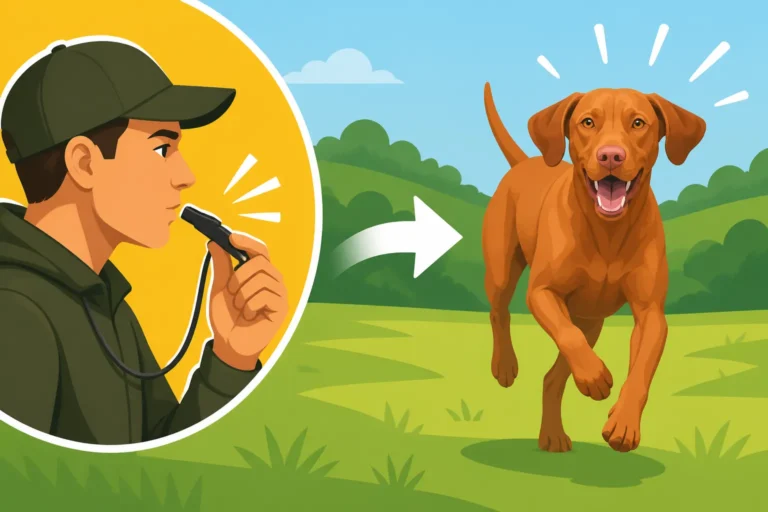
Basic obedience commands are important for any dog, but in a home with children, they become non-negotiable safety tools. Commands like "sit," "stay," "down," "leave it," "off," and a solid recall are paramount. These aren't just tricks; they are communication signals that allow you to manage your Vizsla's behavior in crucial moments.
Consider a scenario: your child drops their favorite toy, or even worse, a dropped snack. A well-trained Vizsla with a strong "leave it" command can be redirected, preventing them from snatching the item and potentially causing a conflict or ingestion of something harmful. The "off" command is vital for preventing jumping, which can easily injure a small child. Consistency is key here; every family member, including older children, needs to use the same commands and reward structure. This consistency helps the Vizsla understand what's expected of them and prevents confusion. We often joke that training a Vizsla is a full-time job for the first year, but it truly pays dividends in creating a well-adjusted family member. The First Year With a Vizsla Puppy highlights the commitment required.
| Command/Behavior | Why it's Critical with Children | Example Scenario |
|---|---|---|
| Sit/Stay | Prevents jumping; creates calm greeting | Child approaches dog; dog sits calmly instead of jumping. |
| Down/Settle | Teaches calm behavior; creates personal space | Child playing loudly; dog goes to designated "down" spot. |
| Leave It | Prevents snatching dropped items or toys | Child drops food/toy; dog leaves it until given permission. |
| Off | Stops jumping on people | Dog excitedly greets a child; immediately gets all four paws on floor. |
| Recall | Ensures safety in open areas; ends unwanted interactions | Dog gets too boisterous with kids; comes when called. |
| Gentle/Soft | Teaches appropriate mouthing/play | Dog takes treat or toy gently from a child's hand. |
Managing Expectations and Ensuring Safety
Even with the best training and socialization, the dynamic between a high-energy dog and children requires ongoing vigilance and realistic expectations. It's about setting up both your Vizsla and your children for success and ensuring a safe, respectful environment for everyone.
Constant Supervision and Safe Spaces
This is the golden rule of dogs and children: never leave a dog unsupervised with young children. No matter how well-behaved your Vizsla is, or how gentle your child, accidents can happen in an instant. A child's unexpected move, a dog's misinterpretation, or an overabundance of energy can all lead to an undesirable outcome. Think of it this way: you wouldn't leave a toddler unsupervised near a swimming pool, and the same caution applies to interactions with even the most beloved family dog.
Beyond constant supervision, creating "safe spaces" for both your Vizsla and your children is paramount. Your Vizsla should have a designated retreat – a crate, a dog bed in a quiet room, or a specific mat – where they can go to be undisturbed. Teach your children that when the dog is in their "place," they are to be left alone. This gives your Vizsla an essential escape hatch from overwhelming situations. Conversely, a playpen or gated off area can serve as a safe zone for young children, allowing them to play freely without the dog getting underfoot or being accidentally hurt. A strong, reliable pet gate, easily ordered from retailers like Amazon, can make this separation simple and effective, providing peace of mind for parents. Remember, boundaries benefit everyone, creating harmony rather than conflict.
Educating Children on Dog Etiquette
While it's crucial to train your Vizsla to be good with children, it's equally important, if not more so, to educate your children on how to be good with dogs. This isn't just about avoiding harm; it's about fostering mutual respect and understanding. Children need to learn to read a dog's body language, recognize signs of stress or discomfort, and understand when to give the dog space.
Teach children basic dog etiquette:
- Be gentle: Demonstrate how to pet softly, rather than hitting or pulling.
- Respect boundaries: Explain that a dog's bed or crate is their private space.
- No startling: Avoid loud noises or sudden movements near the dog.
- Food and toys: Never take food or toys directly from a dog.
- Sleeping dogs: "Let sleeping dogs lie." Disturbing a dog that's resting can lead to a startled reaction.
You can make this a fun, ongoing lesson through role-playing and positive reinforcement for your child's good behavior around the dog. For instance, praise your child enthusiastically when they offer a treat gently or give the dog space when it asks for it. It's about empowering children to be responsible and empathetic pet owners, creating a relationship built on trust and understanding. A Vizsla's sensitive nature means they thrive when children understand how to interact respectfully, reinforcing their natural sweetness rather than inadvertently triggering anxiety. Whether a Vizsla Is Safe With Toddlers provides more specific advice on this delicate balance.
Disclaimer
This article is for general informational purposes only and does not constitute professional advice. Laws, prices and regulations vary by location and change over time. Consult a qualified professional for guidance on your specific situation.