Whether a Vizsla Gets Grass Seeds in Its Feet
For the energetic Vizsla, who loves nothing more than to bound through fields and explore every corner of the great outdoors, there’s a deceptively small, yet incredibly dangerous, adversary lurking in the tall grasses: the grass seed. These tiny, barbed botanical hitchhikers can cause immense pain, serious infections, and costly vet visits, turning a joyful romp into a genuine emergency. This comprehensive guide will help you understand the risks, recognize the signs, and take proactive steps to protect your beloved copper dog from these pervasive plant invaders.
The Sneaky Threat: Why Grass Seeds Are a Problem for Vizslas
Vizslas are built for action. Their sleek, athletic bodies and boundless energy mean they're often found charging through dense undergrowth, tall meadows, and dried-out fields. While this is exactly what they love to do, it also puts them at significant risk of encountering grass seeds, especially those with particularly nasty designs. These aren't just any seeds; they're often designed by nature to burrow, and once they get past the initial skin barrier, they rarely come out on their own.
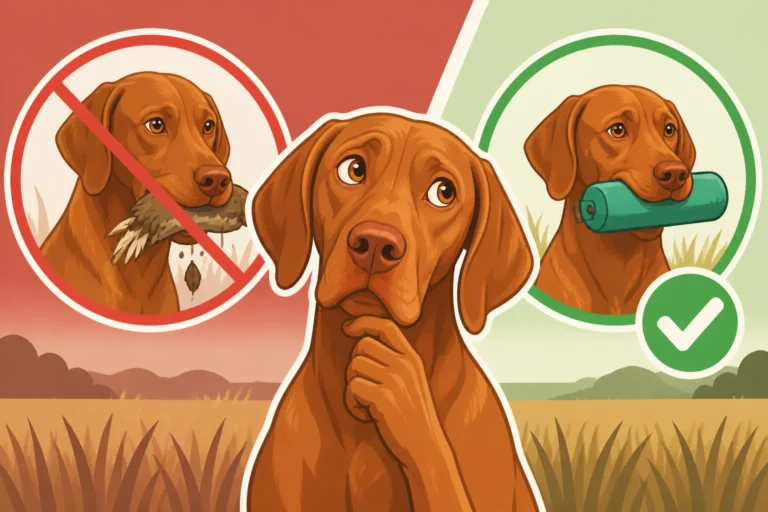
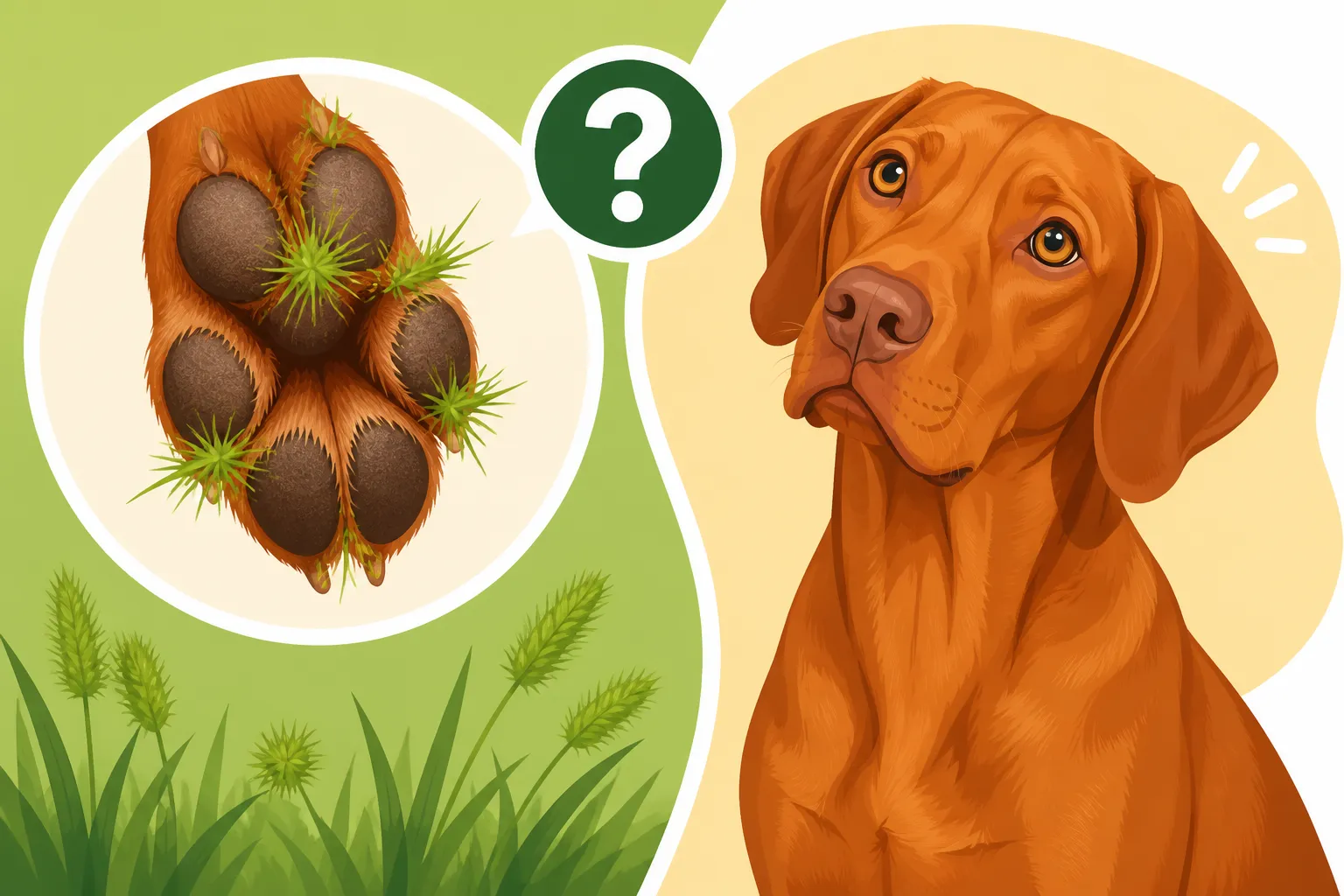
Many types of grass seeds, such as foxtails (also known as cheatgrass, wild barley, or downy brome), wild oats, and spear grass, possess an insidious barb-like structure. Think of them like tiny, one-way arrows. They easily catch onto fur and skin, and any movement—walking, shaking, or scratching—only serves to drive them deeper into the tissue. The Vizsla's short, fine coat, while beautiful, offers less protection than the thicker double coats of some other breeds, making it easier for these seeds to latch on and penetrate. Their thin skin, which you might notice when they get minor nicks and scrapes while hunting, also makes them more susceptible to deeper penetration.
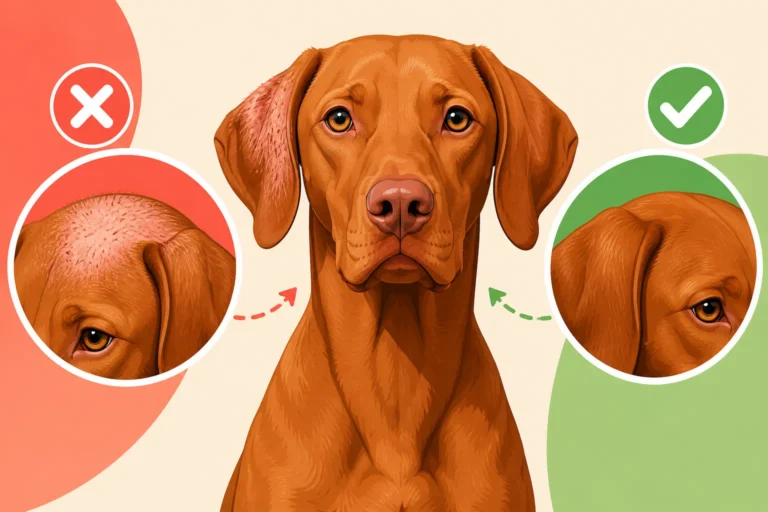
The paws are, of course, a prime target. As a Vizsla runs, the seeds can wedge themselves between the toes, embed in the paw pads, or work their way up the leg. But don't be fooled into thinking it's only the feet that are vulnerable. These relentless seeds can also enter the ears, causing head shaking and intense irritation, or even burrow into the nose, leading to violent sneezing fits. We've heard of them getting into armpits, groin areas, and even directly into the eye, where they can cause severe damage. The danger is real, and the potential for a small seed to cause a massive problem is surprisingly high.
Spotting the Signs: How to Tell if Your Vizsla Has a Grass Seed
Catching a grass seed early is paramount to preventing severe complications. Vigilance is key, especially if your Vizsla has been in areas known for problematic grasses. After every outdoor adventure, particularly if it involved fields or long grass, make a thorough check part of your routine. You can learn more about this essential post-adventure care in our guide, Checking a Vizsla Over After a Hunt.
Common Symptoms of a Paw Seed:
- Excessive Licking or Chewing: This is often the very first sign. Your Vizsla might become fixated on a specific paw or area between their toes, licking it relentlessly. This isn't just grooming; it's an attempt to relieve irritation or pain.
- Limping or Reluctance to Walk: If a seed has embedded deeply or is causing significant discomfort, your Vizsla may start favoring the affected paw, holding it up, or outright refusing to put weight on it. The limp might be subtle at first but can worsen quickly.
- Swelling and Redness: As the body reacts to the foreign object, the affected area will likely become inflamed. You might notice localized swelling, tenderness, and a red appearance, particularly between the toes.
- Abscess Formation: If the seed has been present for a while and driven deeper, it can create a track under the skin, leading to infection and the formation of a painful, pus-filled abscess. This will be hot to the touch and very painful for your dog.
- Discharge: A draining wound or pus seeping from a small hole (a sinus tract) might indicate that the seed has created an abscess and is trying to work its way out – though rarely successfully on its own.
- Reluctance to Be Touched: Your normally affectionate Vizsla might pull their paw away, whimper, or even snap if you try to examine the painful area. This isn't aggression, but a clear sign of intense discomfort.
It’s crucial to distinguish these signs from other paw injuries or skin irritations. For example, a Vizsla's thin skin tears easily in dense cover, but those wounds usually present as open cuts rather than embedded foreign objects. Always perform a meticulous visual and tactile inspection of your Vizsla’s paws, paying close attention to the webbing between the toes, the pads, and even higher up the leg where seeds can migrate. A useful table to help you identify the type of injury can be:
| Symptom / Sign | Possible Grass Seed | Possible Cut / Abrasion | Possible Hot Spot |
|---|---|---|---|
| Excessive Licking | Yes, localized | Yes, localized | Yes, generalized |
| Limping | Often | Yes | Less common |
| Swelling | Yes | Less common | Yes |
| Redness | Yes | Yes | Yes |
| Visible Entry Hole | Sometimes (tiny) | Often (larger) | No |
| Pus / Discharge | Often (abscess) | Rarely | Yes (moist) |
| Pain on Touch | High | Moderate | Moderate |
| Immediate Onset | Often | Yes | Develops over time |
Remember, any persistent paw issue warrants a closer look. What might seem like a minor irritation could be the entry point of a migrating grass seed, leading to a much more significant problem if left unattended.
First Aid and Vet Care: What to Do When a Seed Embeds
Finding a grass seed embedded in your Vizsla's paw can be alarming. Your immediate reaction might be to try and pull it out, but proceed with extreme caution.
When You Can Attempt Home Removal:
If the grass seed is clearly visible, still largely on the surface of the skin, and hasn't penetrated deeply, you might be able to carefully remove it with tweezers. Make sure you get the entire seed, especially the barbed tip. Use a magnifying glass if needed. After removal, clean the area thoroughly with an antiseptic wash and monitor it closely for any signs of infection. If the area becomes red, swollen, or produces discharge, it’s time for a vet visit.
When to Seek Veterinary Attention Immediately:
More often than not, if you're seeing symptoms, the seed has already started its journey deeper. In these cases, attempting to remove it yourself can be counterproductive, pushing it further in or breaking it, making professional extraction even harder. You absolutely need to see your veterinarian if:
- The seed is not clearly visible or has already burrowed beneath the skin.
- Your Vizsla is limping significantly or in obvious pain.
- There's swelling, redness, or discharge from the area.
- Your dog is excessively licking a specific spot, even if you can't see anything.
- The seed has entered an ear canal, nostril, or eye. These are delicate areas where self-removal is dangerous and can cause permanent damage.
Your vet will likely sedate or anesthetize your Vizsla to thoroughly explore the affected area. They'll meticulously search for the seed, often needing to make a small incision to retrieve it. This can be a tricky procedure, as the seeds are small and can migrate. Sometimes, they may use specialized scopes to locate the seed in harder-to-reach places like ear canals or nasal passages. After removal, your Vizsla will likely be sent home with antibiotics to prevent infection and anti-inflammatory medication to manage pain and swelling.
The cost of such an emergency visit can vary widely depending on the complexity of the removal, the need for sedation or anesthesia, and any post-operative medication. These unexpected expenses are precisely why many Vizsla owners opt for pet insurance. Providers like Healthy Paws can help cover the costs of these emergency procedures, alleviating the financial burden during a stressful time. Having a plan for incidents like these is part of what a Vizsla owner spends in the first six months and beyond. If a seed is left untreated, it can travel through the body, potentially reaching vital organs, forming severe abscesses, or causing chronic infections that are much harder and more expensive to resolve.
Prevention is Key: Protecting Your Vizsla's Paws from Grass Seeds
An ounce of prevention is worth a pound of cure, especially when it comes to grass seeds. Given the Vizsla's propensity for vigorous outdoor activity, a proactive approach is your best defense.
Daily Inspections and Grooming:
Make a habit of inspecting your Vizsla’s paws, ears, and coat every single day, and especially after walks or runs in grassy areas. Pay particular attention to the spaces between their toes, under their pads, and around their ears and armpits. Use your fingers to gently spread the toes and feel for any foreign objects. A fine-toothed comb can help dislodge seeds from the coat before they have a chance to burrow. Keeping the hair between their paw pads neatly trimmed can also reduce the surface area for seeds to cling to and make inspections easier.
Protective Gear:
Consider using dog boots or paw wax when your Vizsla will be working or playing in areas with known grass seed problems. While many Vizslas aren't keen on wearing boots at first, with patience and positive reinforcement, they can become accustomed to them. Paw wax, like Musher's Secret, can create a protective barrier that makes it harder for seeds to adhere to the pads and offers some protection against rough terrain that might cause a Vizsla's pads to split. While boots are often thought of for winter protection to address concerns like whether a Vizsla needs boots in winter, their utility extends to summer protection from seeds and rough ground.
Strategic Trail Management:
Whenever possible, try to avoid walking or hunting your Vizsla in areas where problematic grass seeds are prevalent, especially during late spring and summer when these grasses are dry and shedding their seeds. Stick to mowed paths, paved trails, or fields where the vegetation is kept short. If you're unsure about the local flora, err on the side of caution. If your Vizsla is active in the field, understanding what a Vizsla needs every day includes careful post-activity checks.
Regular Health Checks:
Maintaining your Vizsla’s overall skin health can also play a small role. A healthy skin barrier is always better. While it won't stop a barbed seed, good skin health can aid recovery if a minor surface irritation occurs. For ongoing skin care, especially for a breed prone to certain sensitivities, you might find our article on Managing a Vizsla's Skin for Life helpful. And remember, having comprehensive pet insurance from a provider like Healthy Paws means you’re always prepared for the unexpected, whether it’s a grass seed emergency or another health concern. Being prepared is a significant part of what it means to be a responsible Vizsla owner.
By understanding the risks, knowing the warning signs, and implementing preventative measures, you can significantly reduce the chances of your Vizsla suffering from the painful and potentially serious consequences of grass seed foreign bodies. Your active companion relies on you to keep them safe, healthy, and ready for their next adventure!
Disclaimer
This article is for general informational purposes only and does not constitute professional advice. Laws, prices and regulations vary by location and change over time. Consult a qualified professional for guidance on your specific situation.