Whether a Vizsla Needs Boots in Winter
One of the trickiest parts of owning a Vizsla when the temperatures drop is figuring out how to keep those sensitive paws safe and comfortable. We all know our lean, short-coated companions aren't built for arctic exploration, and their feet are often the first place the cold really bites. This guide will walk you through understanding why paw protection is so important for Vizslas in winter and help you decide if boots are the right choice for your active dog.
Why Vizslas Struggle in Winter
Vizslas are magnificent athletes, renowned for their incredible stamina and sleek, efficient build. But these very characteristics, which make them such fantastic hunting partners and family companions, also mean they have some unique vulnerabilities when winter arrives. It’s not just about them shivering; their paws are particularly exposed and susceptible to the elements.
The Thin, Single Coat
Let's face it, a Vizsla's coat is a thing of beauty, that signature golden rust color shimmering in the sun. But beauty doesn't always translate to warmth. Our beloved "Velcro Vizslas" are famous for their thin, single coat, which provides little insulation against the cold. Unlike many northern breeds or even some other sporting dogs, they lack a dense undercoat to trap warm air. This means that when the wind howls or the snow falls, their body heat dissipates quickly. While a good winter jacket helps their core, their paws remain directly exposed to icy surfaces, with no fur to speak of offering any kind of buffer. It's a common frustration for Vizsla owners to see their dog shivering even on a brisk walk, and you can bet those delicate paw pads are feeling it acutely. Think about how quickly your own bare hands get cold in winter; it’s a similar principle for their unprotected paws. The Single Coat a Vizsla Has and Why It Changes Everything delves deeper into this breed-specific trait.
Exposed Paws and Cold Ground
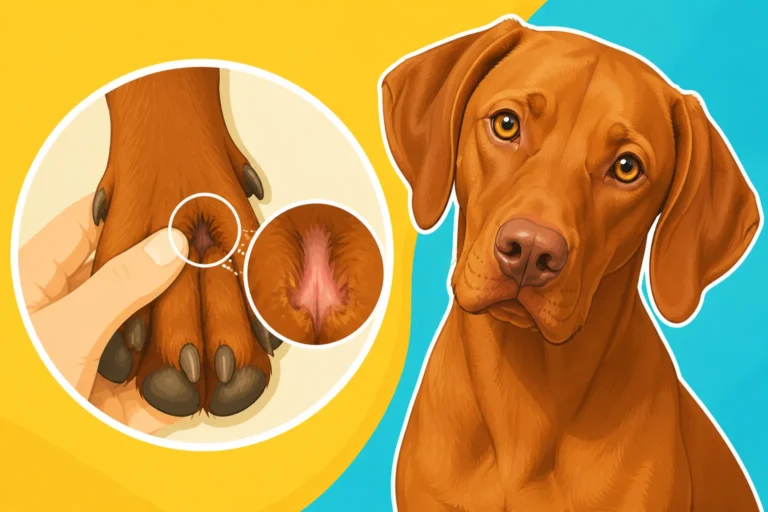
Unlike their furry counterparts, a Vizsla's paw pads are quite prominent and largely uncovered. While these pads are naturally tough and designed for gripping various terrains, they are not immune to extreme cold. Walking on frozen ground, icy sidewalks, or through snowdrifts for extended periods can lead to serious issues. The delicate skin between their pads can crack, bleed, and become incredibly painful. Imagine walking barefoot on ice – that's what we're asking our Vizslas to do in winter without proper protection. Their paws act as direct conduits for the cold, chilling their entire body surprisingly fast. This direct contact not only risks frostbite but also makes the act of walking uncomfortable, often leading to a shortened stride, reluctance to move, or even lameness as they try to protect their sore feet.
Activity Levels and Sustained Exposure
Vizslas are not the kind of dogs content with a quick trot around the block. They are high-energy, driven animals that need substantial daily exercise to thrive. Many Vizsla owners are out there every day, rain or shine, snow or sleet, ensuring their dogs get the physical and mental stimulation they require. This means prolonged exposure to winter conditions, whether it's an hour-long hike in the snow, a vigorous game of fetch in a frozen field, or hunting waterfowl in chilly temperatures. The Two Hours a Vizsla Needs Before It Will Settle is a good read if you're struggling with this. Such sustained activity on cold, harsh surfaces significantly increases the risk of paw injury and discomfort. It's one thing to step out for a few minutes; it's another to ask their paws to endure an hour or more of freezing temperatures, abrasive ice, and potentially irritating chemicals. This combination of high activity and environmental challenge often pushes owners to consider more robust paw protection like boots.
Common Winter Paw Hazards
Winter brings a host of specific challenges for a Vizsla's paws beyond just the general cold. Understanding these hazards can help you appreciate why proactive paw care, including considering boots, is so crucial for their health and comfort during the colder months.
Ice, Snow, and Freezing Temperatures
The most obvious culprits are ice, snow, and the biting cold itself. When your Vizsla is running through fresh powder, small balls of ice and snow can accumulate between their paw pads and toes. These snowballs can be incredibly painful, pulling at the fur and causing irritation. Imagine having small, hard pebbles stuck between your toes with every step! Furthermore, prolonged exposure to freezing temperatures can lead to frostbite, especially on the extremities like paw pads, ear tips, and tail. While mild cases might just cause redness and discomfort, severe frostbite can lead to tissue damage and necrosis, requiring veterinary intervention. Walking on slick ice also poses a risk of slips and falls, which can lead to sprains, strains, or even more serious orthopedic injuries. Whether a Vizsla Hunts in Freezing Weather highlights the extreme conditions some Vizslas face.
Road Salt and Chemical De-icers
Perhaps even more insidious than the cold itself are the substances used to combat ice on roads and sidewalks. Road salt and chemical de-icers are highly irritating and corrosive to a dog's paw pads. These chemicals can cause chemical burns, drying, cracking, and severe pain. After a walk on treated pavement, you might notice your Vizsla licking their paws excessively – this isn't just to warm them up, but often to try and remove the stinging residue. Ingesting these chemicals, even in small amounts from licking paws, can also cause digestive upset, vomiting, or diarrhea. The irritation can be intense, making every step excruciating for your dog and leading to frantic paw licking or chewing once back inside. Whether Road Salt Hurts a Vizsla's Pads goes into more detail on this specific issue.
Sharp Ice and Hidden Debris
Winter landscapes, especially after a thaw and refreeze cycle, can be surprisingly dangerous. Ice sheets can form with razor-sharp edges, and even seemingly benign patches of snow can conceal broken glass, sharp rocks, or other debris that can easily cut or puncture a Vizsla's thin paw pads. A deep cut on a paw can be a painful, messy, and costly injury, often requiring stitches and a lengthy recovery period, which is particularly tough for a high-energy breed that struggles with confinement. Even minor scrapes can become infected if not properly cleaned and cared for. These hidden dangers are often impossible to see until it's too late, making a protective barrier like boots a valuable preventative measure.
When and How to Use Dog Boots
Deciding whether boots are necessary and then navigating the world of dog footwear can feel overwhelming. It's not a one-size-fits-all solution, but with a bit of assessment and preparation, you can give your Vizsla the best chance at comfortable winter adventures.
Assessing Your Vizsla's Needs
The first step is to observe your individual Vizsla and consider your local environment. Do you live in an area where snow and ice are constant companions for months on end? Are sidewalks heavily salted, or do you frequently walk your dog near roads treated with de-icers? Watch your Vizsla's behavior on walks. Are they lifting their paws frequently, limping, or reluctant to walk on certain surfaces? Do they start shivering quickly, or perhaps even whine a little when their paws hit the cold ground? Are they excessively licking or chewing their paws after coming inside? These are all clear signs that their paws are suffering and could benefit from protection. For hunting Vizslas, especially those working late-season birds, robust paw protection is almost non-negotiable to prevent cuts, cracks, and frostbite during prolonged exposure. While a Vizsla's pads can toughen over time, consistent exposure to extreme cold and chemicals will still take its toll.
Choosing the Right Boots
If you've decided boots are right for your Vizsla, the next challenge is finding a pair that actually stays on and is comfortable. This can be surprisingly difficult for active dogs. Look for boots that:
- Offer good grip: Non-slip soles are essential for ice and snow.
- Are waterproof: To keep paws dry and prevent cold from seeping in.
- Are durable: Vizslas are hard on their gear, especially if they’re running in varied terrain.
- Have adjustable closures: Straps, Velcro, or drawstrings are key for a snug fit that won't slip off mid-run.
- Are flexible: So your Vizsla can still feel the ground and move naturally.
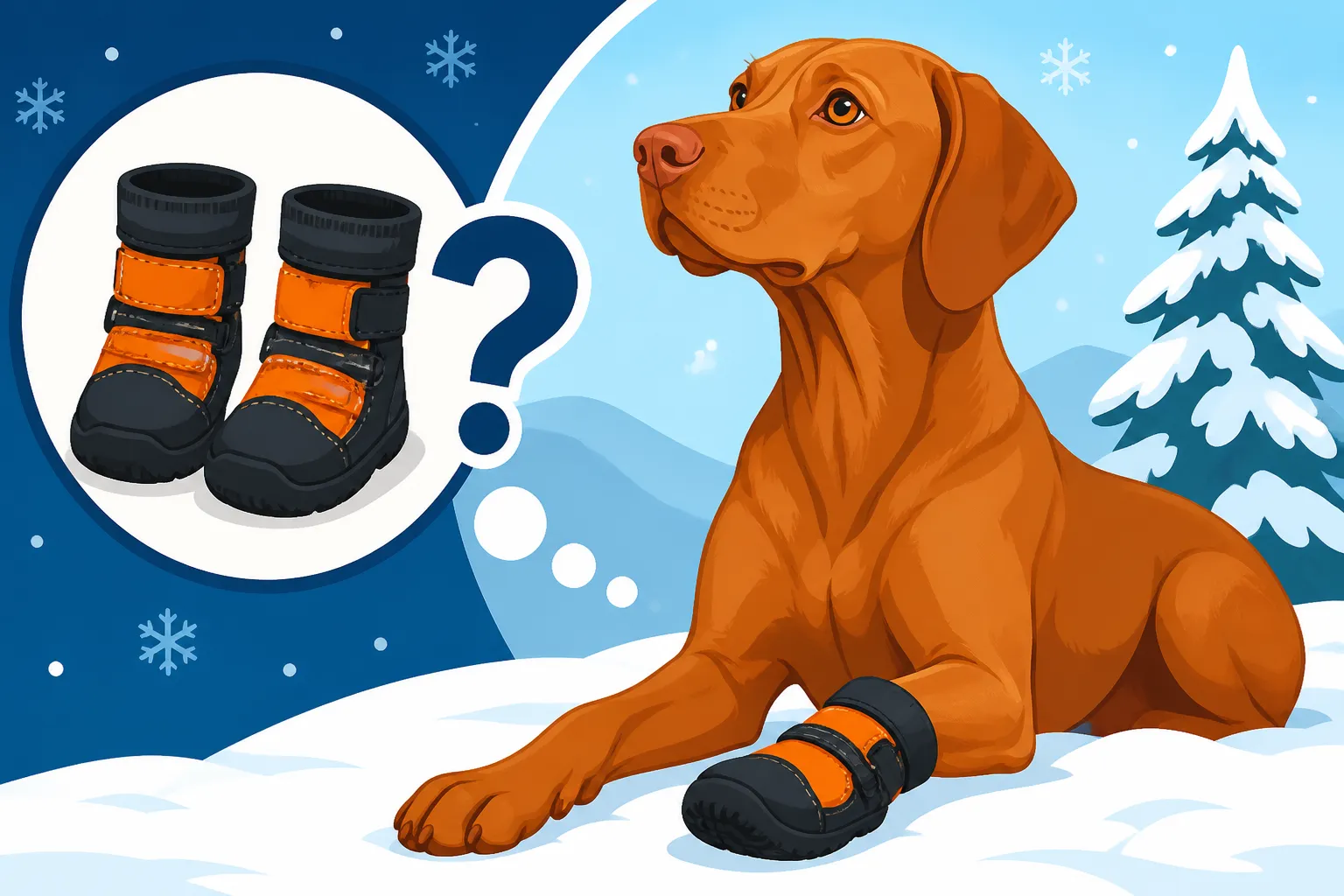
Measuring your Vizsla's paws is crucial. It’s best to measure when they are standing, bearing weight, and measure the widest part of their paw. Many reputable brands will have sizing charts. Don't be afraid to try a few different styles. Some popular options you might find on Amazon or Chewy include simple rubber balloon-like boots for light protection from salt, or more robust fabric and sole combinations for serious winter adventures. Brands like Ruffwear, Muttluks, and Pawz are often recommended by active dog owners for their durability and fit. Remember, a boot that's too tight will restrict circulation, and one that's too loose will fall off, leading to frustration for both of you.
Introducing Boots to Your Vizsla
Getting your Vizsla to accept boots is a process, and it requires patience and positive reinforcement. Don't just strap them on and expect a happy response. Start slowly, associating the boots with positive experiences:
- Initial Introduction: Let your Vizsla sniff the boots. Reward them with treats and praise.
- One Boot at a Time: Put one boot on for a few seconds, then immediately remove it and give a high-value treat. Repeat several times.
- Gradual Increase: Slowly increase the time one boot is on, then try two, then four. Keep sessions short and positive.
- Practice Walking: Once all four are on, let them walk around inside for a few minutes. They might do a funny high-stepping dance at first – this is normal! Distract them with toys or treats.
- Short Outdoor Trips: Start with very short walks outside, again with lots of praise and treats.
- Consistency: The more often they wear them, the more they will get used to them.
Never force the boots or make it a negative experience. If your Vizsla is truly distressed, back up a step. Some dogs simply never tolerate boots well, and for them, alternative paw protection might be a better route.
Alternatives and Complementary Care
While boots are an excellent solution for many Vizslas in harsh winter conditions, they aren't the only option, and sometimes a combination of strategies works best. Every Vizsla and every environment is unique, so having a few tools in your winter paw care kit is always a good idea.
Paw Balms and Waxes
For milder winter conditions, or as an added layer of protection even with boots, paw balms and waxes are fantastic. Products like Musher's Secret or generic paw wax create a protective barrier on your Vizsla's pads. This barrier helps to prevent dryness, cracking, and irritation from salt and chemicals. It also provides a thin layer of insulation against cold surfaces and can help prevent snow from balling up between toes. The beauty of paw wax is that most dogs don't mind it, as it's simply rubbed onto their pads. It's less intrusive than boots and can be reapplied as needed. While it won't protect against sharp ice or provide significant cushioning, it's a vital part of everyday winter paw care, especially if you're not facing extreme conditions. You can often find these balms on Chewy or through specialty pet retailers. Whether a Vizsla Needs Paw Wax has more specific details.
Shortened Outdoor Time and Route Planning
Sometimes, the simplest solution is to adapt your routine. On days when temperatures are brutally low, or when conditions are particularly icy or heavily salted, consider shortening your Vizsla's outdoor excursions. Instead of one long walk, perhaps several shorter, more frequent outings are better. You can also strategically plan your routes to avoid heavily salted sidewalks or icy patches. Opt for grassy areas, trails, or fields where the ground is softer and less treated. If you have access to an indoor dog park or a large, secure indoor space, those can be invaluable for burning off some of that boundless Vizsla energy when outdoor conditions are prohibitive. Remember, their safety and comfort come first, even if it means a slight adjustment to the usual routine.
Post-Activity Paw Care
No matter what method of paw protection you choose, post-activity care is non-negotiable in winter. As soon as you come inside, make it a habit to thoroughly wipe down your Vizsla's paws. This removes any salt, chemicals, ice melt, or debris they might have picked up. A warm, damp cloth works wonders. Pay special attention to cleaning between their paw pads and toes. After cleaning, take a moment to inspect their paws for any signs of redness, cracking, cuts, or irritation. If you find any minor issues, a gentle application of a soothing paw balm can help. For more serious concerns, always consult your veterinarian. This diligent post-walk routine helps prevent irritation from lingering chemicals and catches minor problems before they escalate. It's a small effort that makes a huge difference in keeping those valuable paws healthy and ready for the next adventure.
Here's a quick comparison of common winter paw protection methods:
| Method | Protection Level | Primary Benefits | Drawbacks | Best For |
|---|---|---|---|---|
| Dog Boots | High | Excellent against ice, snow, salt, sharp debris, extreme cold | Can be difficult for dogs to tolerate, potential fit issues, cost | Long exposure, harsh conditions, hunting, heavy salt/chemical use |
| Paw Balms/Waxes | Medium | Prevents cracking, mild insulation, barrier against salt/chemicals | No protection from sharp objects, limited insulation in extreme cold, reapplication needed | Milder conditions, short walks, supplemental protection |
| Shortened Outdoor Time | Varies | Avoids exposure to worst conditions, no equipment needed | Limits exercise for high-energy Vizslas | Days of extreme cold, high salt concentration, or ice |
| Post-Walk Cleaning | Foundational | Removes irritants, prevents ingestion, allows for inspection | No preventative protection during activity | Essential for all winter paw care routines |
Ultimately, whether a Vizsla needs boots in winter depends on their individual tolerance, your local climate, and the specific activities you engage in. For many Vizsla owners, especially those who hunt or spend significant time outdoors in genuinely cold, snowy, or salted environments, boots become an indispensable piece of gear. What a Vizsla Needs Every Day includes year-round care considerations. Observing your dog, understanding the risks, and choosing the right combination of protection will ensure your Vizsla stays happy, healthy, and ready for whatever winter throws their way.
Disclaimer
This article is for general informational purposes only and does not constitute professional advice. Laws, prices and regulations vary by location and change over time. Consult a qualified professional for guidance on your specific situation.