Whether a Vizsla Needs Conditioner
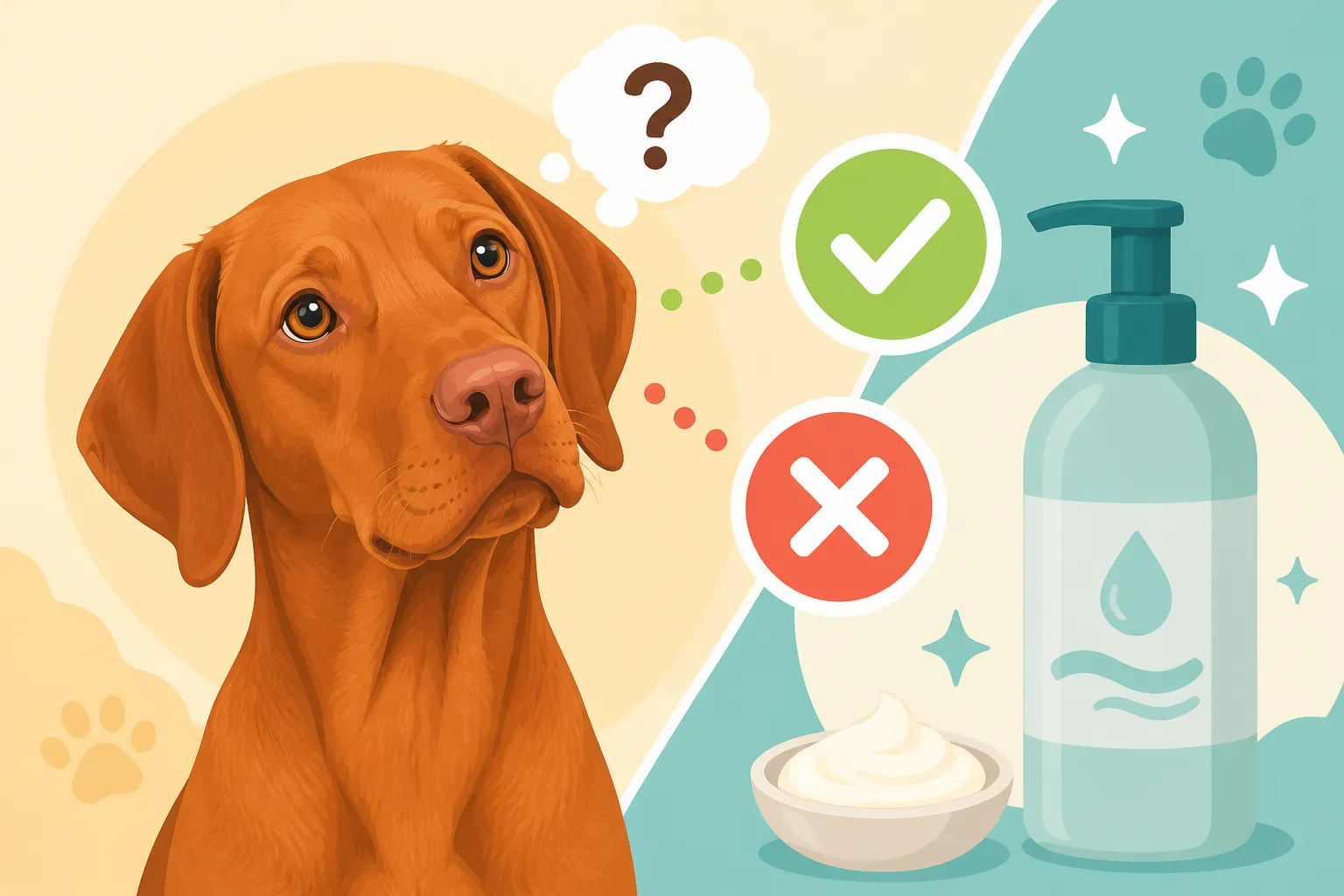
One common question I hear from fellow Vizsla parents is about their dog's coat: it's so fine, so short, and sometimes it just seems… dry or a little dull. We spend so much time making sure our pups are well-fed and exercised, but the bath time routine can feel a bit like guesswork. This guide is here to demystify whether a Vizsla actually benefits from conditioner, what kind to use, and how it fits into their overall skin and coat health.
Understanding the Unique Vizsla Coat
Vizslas truly have a distinctive coat, and it's unlike many other breeds, which means their grooming needs can differ quite a bit. If you've ever felt that soft, almost velvety fur, you know what I mean. But this isn't just about aesthetics; their coat type plays a significant role in how we should care for their skin underneath.
The Vizsla's Single-Layered Protection
Unlike many breeds, especially those built for colder climates or dense cover, your Vizsla sports a sleek, single-layered coat. This isn't just less fur; it means they lack the thick, insulating undercoat that breeds like Labradors or German Shepherds possess. While this makes them incredibly streamlined and athletic, it also means their skin is more exposed and sensitive to environmental changes. Think about how easily they can get chilly indoors or after a swim – it’s directly related to this lack of a double coat. This unique aspect is why we discuss The Single Coat a Vizsla Has and Why It Changes Everything so often. Their skin and fur need all the support they can get to stay healthy and resilient.
Because they don't have that dense undercoat, their natural skin oils are their primary defense against dryness and irritation. If these oils are stripped away too frequently or not replenished, their skin can quickly become parched. This is where the idea of using a conditioner, or other moisturizing treatments, really starts to make sense, especially for dogs who love to roll in mud or swim often, necessitating more frequent baths. We have to be mindful that while bathing cleans them up, it can also compromise that delicate balance.
Their fine hair also means it can be prone to static electricity, especially in dry indoor environments, and can lie flat, showing any dryness or flakiness more readily. You might notice their coat feels a little rougher than usual, or perhaps you can even see little flakes of skin when you ruffle their fur. This isn't just unsightly; it can be uncomfortable for them. Understanding this basic physiology is the first step in deciding on the right grooming regimen.
Why a Vizsla Has No Doggy Smell
Many Vizsla owners proudly declare that their dogs don't have that typical "doggy smell," and it's absolutely true for most of them. This pleasant characteristic is largely due to their short, single coat and efficient skin oil production. Breeds with dense undercoats or oily skin tend to trap more dirt, dander, and environmental odors, leading to that distinct canine aroma. Your Vizsla's coat, however, dries quickly and doesn't hold onto moisture or debris in the same way. This is a common topic, and you can learn more about Why a Vizsla Has No Doggy Smell.
However, this doesn't mean their skin is immune to issues. While they might smell fresh most of the time, their skin still needs care. A lack of "doggy smell" also means we might not notice when their skin is becoming dry or irritated until it's already a problem. Without that strong odor indicator, we need to be more vigilant in visually checking their skin and feeling their coat for changes in texture or signs of flakiness. The absence of a strong scent can sometimes make us complacent about their grooming needs, assuming "no smell, no problem."
It’s crucial to remember that "no doggy smell" doesn't equate to "no need for thoughtful grooming." In fact, because their skin is so exposed, maintaining its health is paramount. Their skin is their first line of defense against allergens and irritants, and if it becomes compromised, they can be more susceptible to secondary issues. So, while we celebrate their fresh scent, let's not forget the underlying care that keeps it that way.
Common Vizsla Skin Concerns
Despite their generally robust health, Vizslas are not immune to skin issues, and their single coat can actually make some problems more apparent or even exacerbate them. Dry, flaky skin is a common complaint, particularly during dry winter months or in arid climates. This isn't just about discomfort; it can lead to itching, which then leads to scratching, and potentially skin infections if left unaddressed. You might find yourself asking Whether a Vizsla's Skin Flakes Badly if you notice these changes.
Allergies are another significant concern for Vizslas. Whether it's environmental allergens (pollen, dust mites), food allergies, or contact dermatitis, skin reactions often manifest as redness, itching, and sometimes hives or hot spots. The thin nature of their coat means that such irritations are often highly visible and can be quite distressing for both dog and owner. Managing these conditions often involves a multi-pronged approach, including dietary changes, medication, and topical treatments to soothe and protect the skin.
Furthermore, their active lifestyle and thin skin make them susceptible to nicks and scrapes from running through dense cover. While conditioner isn't a direct treatment for injuries, maintaining healthy, supple skin can support its overall resilience and healing capacity. Anything that promotes skin health can indirectly help a Vizsla recover faster from minor abrasions picked up during a hunt. When their skin is properly hydrated and nourished, it tends to be more elastic and less prone to cracking or excessive dryness, which can create entry points for bacteria.
The Role of Conditioner in Canine Coat Care
Now that we understand the Vizsla's unique coat, let's dive into why conditioner can be a valuable addition to their grooming routine and what benefits it truly offers beyond just making them smell nice. It's more than just a luxury; it can be a vital part of maintaining skin and coat integrity.
What Conditioner Does for Dog Fur
At its core, dog conditioner works much like human conditioner: it aims to restore moisture, smooth the hair cuticle, and add a protective layer. For a Vizsla's fine, short coat, this means a few things. First, it helps rehydrate the skin and fur, especially after shampooing, which can strip away natural oils. This is particularly important if you find yourself bathing your Vizsla more frequently due to their active lifestyle, like after a muddy field outing or a swim. Regular baths can lead to Whether Frequent Bathing Dries a Vizsla's Skin.
Second, conditioner can help improve the texture and luster of their coat. A well-conditioned coat will feel softer, look shinier, and be less prone to static electricity. This isn't just for show; a smoother coat is less likely to trap dirt and allergens, making subsequent clean-ups easier and potentially reducing irritation. It also creates a bit of a barrier, helping to protect the delicate skin underneath from minor irritants it might encounter.
Lastly, and perhaps most importantly for their sensitive skin, conditioner can provide a soothing effect. Many conditioners contain ingredients designed to calm irritated skin, reduce itchiness, and support the skin's natural barrier function. For a breed prone to environmental allergies or dry patches, this added layer of soothing moisture can make a significant difference in their comfort level and overall skin health. It's about proactive care, rather than waiting for an issue to become full-blown.
When Conditioner Becomes Essential
While not every Vizsla might need conditioner with every bath, there are definitely situations where it transitions from a nice-to-have to an essential part of their routine. If your Vizsla suffers from dry skin, especially during certain times of the year, a good conditioner can be a game-changer. You'll notice their skin is less flaky, and they'll likely scratch less. It acts as a much-needed moisturizer for their skin, preventing that uncomfortable tightness and irritation that can come with dryness.
For Vizslas with sensitive skin or mild allergies, a hypoallergenic, soothing conditioner can provide immense relief. These products often contain ingredients like oatmeal, aloe vera, or ceramides that help to calm inflammation and rebuild the skin's protective barrier. Instead of just cleaning, you're actively contributing to the healing and maintenance of their skin health. If your Vizsla is prone to reactivity or has been getting Whether a Vizsla Gets Hot Spots, introducing a gentle conditioner can be part of a broader management plan.
Furthermore, if your Vizsla is frequently bathed, perhaps because they're a working dog who spends a lot of time in the field or loves to swim, conditioning becomes crucial. Each bath, even with a gentle shampoo, can remove some of those vital natural oils. A conditioner helps to restore that balance, preventing the cumulative drying effect of repeated washing. It's about replenishing what's lost and ensuring their skin remains hydrated and protected for their next adventure.
Choosing the Right Conditioner for Your Vizsla
Selecting the right conditioner for your Vizsla involves a bit of informed decision-making, as not all products are created equal. First and foremost, look for products specifically formulated for dogs. Human conditioners have a different pH balance and can actually irritate a dog's skin. Within dog-specific conditioners, prioritize those labeled "hypoallergenic," "for sensitive skin," or "oatmeal formula," especially if your Vizsla has known sensitivities.
Ingredients matter. Look for natural moisturizing agents like oatmeal, aloe vera, shea butter, or coconut oil. Avoid harsh chemicals, artificial fragrances, and dyes, which can be irritating. Sometimes, products designed to support skin health, containing things like ceramides or essential fatty acids, can be particularly beneficial. For example, you can find a wide variety of options on online retailers like Chewy or Amazon, allowing you to compare ingredients and customer reviews to find what works best.
Finally, consider the application method. Some conditioners are rinse-out, applied after shampooing and then thoroughly rinsed. Others are leave-in sprays or foams, which can be great for quick touch-ups or for dogs who really dislike lengthy bath times. For specific needs, like intense dryness, you might even consider a conditioning mask or balm. If you're unsure where to start, your veterinarian or a trusted professional groomer can offer recommendations based on your Vizsla's individual skin and coat condition. Getting the right shampoo is equally important, so you may want to research Which Shampoo Suits a Vizsla's Skin.
Practical Application and Alternatives for Vizslas
Once you've decided a conditioner might be right for your Vizsla, the next step is knowing how to use it effectively and what other options exist to support their skin and coat health. It's not just about slapping it on; thoughtful application makes a difference.
How to Properly Condition Your Vizsla's Coat
Applying conditioner to your Vizsla is pretty straightforward, but a few tips can ensure you get the most benefit. After shampooing and thoroughly rinsing their coat, apply the conditioner evenly, focusing on areas prone to dryness or irritation. Gently massage it into their fur and down to their skin. For a Vizsla, with their short coat, you'll feel it easily reaching the skin.
Most conditioners recommend leaving the product on for a few minutes – typically 3 to 5 minutes – to allow the ingredients to penetrate and work their magic. This is a good time for a gentle massage, a treat, or just calm praise to make the experience positive. If your Vizsla isn't a huge fan of bath time, having a non-slip mat in the tub and some high-value treats can make this waiting period much smoother.
Once the waiting period is over, rinse thoroughly. This is crucial. Any residue left on the coat can attract dirt or irritate the skin, counteracting the conditioner's benefits. Keep rinsing until the water runs clear and their fur feels clean, not slippery. Then, towel dry them vigorously. Their short coats dry relatively quickly, but a good rub-down helps to remove excess water and get them cozy again. Remember their The Cold a Vizsla Genuinely Cannot Handle once wet.
Natural Moisturizing Alternatives
Sometimes, you might want to supplement commercial conditioners or explore more natural routes, especially for minor dryness or just general coat maintenance. Coconut oil is a popular and effective natural moisturizer. A small amount, warmed slightly, can be massaged into dry patches of skin or rubbed through the coat to add shine and moisture. Just be mindful of the amount, as too much can leave their coat greasy, and some dogs might try to lick it off!
Another fantastic option is oatmeal soaks. You can either use a colloidal oatmeal bath product (often found in human or dog sections) or make your own by grinding plain, uncooked oats into a fine powder and adding it to their bathwater. Oatmeal is renowned for its anti-inflammatory and soothing properties, making it excellent for itchy or irritated skin. Let them soak for 10-15 minutes, then rinse well. These can be particularly helpful for calming itchy skin between full baths.
Dietary supplements also play a huge role in skin and coat health. Omega-3 fatty acids, found in fish oil or flaxseed oil, are fantastic for promoting healthy skin from the inside out. They help reduce inflammation and support a strong skin barrier. Many Vizsla owners swear by adding a daily fish oil supplement to their dog's food. You may be wondering Whether a Vizsla Needs Fish Oil, and the answer is often yes, especially for skin and coat health. Always check with your vet before introducing new supplements to ensure they're appropriate for your dog.
Frequency and Observation
Deciding how often to use conditioner depends entirely on your Vizsla's individual needs and lifestyle. For some, a conditioner with every bath (typically once a month, or more if they get very dirty or swim often) is perfect. For others, particularly those with very sensitive or dry skin, a conditioning treatment every couple of weeks might be beneficial, even if it's just a quick rinse-out. You might also find that you need it more frequently during dry winter months and less often in humid summer weather.
The best way to determine the right frequency is to observe your Vizsla. Pay attention to how their coat feels: is it soft and supple, or is it starting to feel coarse or dry? Look at their skin: are there any flakes, redness, or signs of irritation? If you notice them scratching more or their coat looking dull, it's a good indicator that they could benefit from a conditioning treatment.
Keep a mental note or even a small journal of how often you bathe and condition them, and note any changes in their skin and coat. This allows you to tailor your grooming schedule to their specific requirements, adjusting as their needs change with age, season, or activity level. It's a continuous process of observation and adjustment to keep your Vizsla's skin and coat in prime condition.
| Scenario for Conditioning | Vizsla Coat Benefit | Recommended Product Type |
|---|---|---|
| Dry, Flaky Skin | Restores moisture, reduces itchiness | Hydrating, Oatmeal-based conditioner |
| Frequent Bathing | Replenishes natural oils, prevents dryness | Moisturizing, pH-balanced conditioner |
| Sensitive Skin/Allergies | Soothes irritation, calms redness | Hypoallergenic, Scent-free conditioner |
| Dull/Coarse Coat | Adds shine, softens texture | Luster-enhancing, Protein-rich conditioner |
| Static Electricity | Smooths cuticle, reduces frizz | Anti-static, Leave-in conditioner spray |
| Minor Abrasions (Field Work) | Supports skin barrier, aids healing | Soothing, Healing-focused ingredients |
Beyond the Bath: Overall Skin and Coat Health for Vizslas
While bath-time treatments like conditioner are important, a healthy Vizsla coat truly starts from within and is influenced by their daily life. Thinking holistically about their care will yield the best results for their skin and fur.
Nutritional Support for a Healthy Coat
What goes into your Vizsla's bowl has a profound impact on the quality of their coat and the health of their skin. A high-quality diet, rich in essential fatty acids, vitamins, and minerals, is the bedrock of a healthy, shiny coat. Look for dog foods that list a named meat source as the first ingredient and contain beneficial fats like omega-3 and omega-6 fatty acids, often derived from fish oils or flaxseed. These nutrients are critical for maintaining skin elasticity, reducing inflammation, and giving their coat that characteristic Vizsla luster.
If your Vizsla’s diet isn’t providing enough of these vital nutrients, their coat can become dull, dry, and prone to flaking. You might notice their fur feels brittle, or they might even shed more than usual. Some premium dog food brands, like Ollie, focus on fresh, whole ingredients that are naturally rich in these beneficial compounds, offering a fantastic foundation for skin and coat health. Supplements, as mentioned before, can bridge any gaps, but a strong dietary base is paramount.
It's not just about gloss, though; proper nutrition also supports the skin's barrier function, making it more resilient to environmental irritants and less susceptible to infections. A dog with a robust immune system, fueled by good food, will also have healthier skin. If you're concerned about your Vizsla's coat health, starting with a review of their diet with your veterinarian is always a wise first step.
Environmental Factors and Protection
A Vizsla's fine, single coat means they are more susceptible to environmental extremes than many other breeds. In cold weather, they don't have an undercoat to protect them, so they can get chilly quickly, and dry, cold air can dry out their skin. A warm dog coat or sweater isn't just a fashion statement for a Vizsla; it's a functional piece of gear to protect them from the elements.
Conversely, in hot, sunny weather, their thin coat and often paler skin (especially on the belly and nose) make them prone to sunburn. Just like us, prolonged sun exposure can damage their skin and lead to discomfort. Applying dog-specific sunscreen to their nose and other exposed areas, and providing ample shade, are crucial during summer months. Their delicate The Thin Skin a Vizsla Takes Into the Field also means they need protection from thorns and burrs, perhaps with a vest in dense cover.
Beyond temperature and sun, irritants in their environment can affect their skin. Grasses, certain plants, pesticides, or even cleaning products used in your home can trigger contact dermatitis. Being mindful of where your Vizsla plays, and choosing pet-safe cleaning products, contributes significantly to their overall skin well-being. Regular checks after outdoor adventures for ticks, burrs, or small cuts are also part of this environmental vigilance.
When to Seek Professional Advice
While a good grooming routine and thoughtful nutrition can solve many common skin and coat issues, there are times when it’s essential to seek professional veterinary advice. If your Vizsla develops persistent itching, excessive shedding, noticeable bald patches, skin redness, sores, or any unusual bumps or growths, it's time for a vet visit. These symptoms can indicate underlying medical conditions that require diagnosis and specific treatment, ranging from allergies and infections to hormonal imbalances or even autoimmune diseases.
Don't try to self-diagnose or treat severe skin issues with over-the-counter products without veterinary guidance. Early intervention can prevent minor problems from escalating into more serious, painful, and costly conditions. Your vet can perform diagnostic tests, such as skin scrapings or blood tests, to pinpoint the cause of the problem and recommend an appropriate course of action. This might include prescription medications, specialized diets, or referrals to a veterinary dermatologist.
Furthermore, if you've tried various shampoos and conditioners without success, or if your Vizsla's skin issues are impacting their quality of life, a vet can offer tailored recommendations. They can also provide guidance on Managing a Vizsla's Skin for Life if your dog has a chronic condition like sebaceous adenitis or severe allergies. Ultimately, you are your Vizsla's best advocate, and recognizing when a problem is beyond home care is a critical part of being a responsible and loving owner.
Disclaimer
This article is for general informational purposes only and does not constitute professional advice. Laws, prices and regulations vary by location and change over time. Consult a qualified professional for guidance on your specific situation.