Traveling With a Vizsla
Hitting the road with your beloved Vizsla can feel like a daunting challenge, especially when you consider their high energy, sensitive nature, and unique physical needs. Many of us dream of adventures with our canine companions, only to be met with worries about car sickness, unfamiliar environments, or maintaining their rigorous routine away from home. This guide aims to smooth out those bumps in the road, offering practical advice and empathetic strategies to make traveling with your Vizsla a joyful and stress-free experience for both of you.
Preparing Your Vizsla for Travel: The Essentials Before You Leave
Before you even load up the car or book your plane tickets, a successful trip with a Vizsla begins with thorough preparation. These intelligent and sensitive dogs thrive on routine and familiarity, so introducing new elements gradually and ensuring all their needs are covered well in advance is paramount. Rushing things or assuming they'll just "go with the flow" is a recipe for stress, for both dog and owner. Think of this stage as building a strong foundation for a comfortable journey.
Acclimating Your Vizsla to Travel Gear
Your Vizsla probably has a favorite leash, collar, and maybe even a special bed, but travel often requires new gear like a car harness, a sturdy travel crate, or even a collapsible soft carrier for flights. The worst time to introduce these items is moments before you need to use them. Begin weeks, or even months, before your departure. Let your Vizsla investigate new crates or carriers at home, associating them with positive experiences like treats or meal times. Feed them in the crate, toss toys inside, and practice short periods of confinement.
For car harnesses or seatbelt attachments, put them on for short bursts around the house or during very brief, familiar car rides. This allows your Vizsla to get used to the feel without the added stress of a long, unknown journey. Remember, a Vizsla's instinct is to be close to you, so any restriction might initially feel unsettling. Patience and positive reinforcement will be your best allies here, creating a positive association with these safety items rather than a feeling of being trapped or punished.
Veterinary Check-ups and Documentation
A pre-travel vet check-up is always a good idea, especially if you're planning a long trip, traveling across state lines, or venturing internationally. Your veterinarian can ensure your Vizsla is up-to-date on all vaccinations, including those that might be location-specific, like Leptospirosis if you're heading to areas with standing water. They can also provide a general health assessment and discuss any concerns you might have about travel anxiety or motion sickness.
Beyond a clean bill of health, gathering the right documentation is crucial. Always carry your Vizsla's vaccination records, especially their rabies certificate, as this is often required for various accommodations or border crossings. If flying, a health certificate issued by a veterinarian within a specific timeframe (usually 10 days) before travel is mandatory. Ensure your Vizsla's microchip information is current and registered to you, as this is their best ticket home should they ever get lost in an unfamiliar place. It's also wise to have a list of emergency veterinary clinics along your route or at your destination, just in case.
Packing Smart: What Your Vizsla Needs
Packing for your Vizsla should be as thoughtful as packing for yourself. Start with their food – never assume you can pick up their specific brand or formula easily on the road. Pack enough for the entire trip, plus a few extra days, just in case of delays. For fresh food diets, like those from Ollie, ensure you have proper cold storage solutions, such as a cooler with ice packs, and consider pre-portioned meals to simplify feeding. Alongside food, bring their regular bowls (a collapsible travel bowl can be a real game-changer for water breaks on the go) and plenty of fresh water, especially for car travel.
Don't forget medications, toys, and comfort items. If your Vizsla takes any prescription medications, pack them in their original containers with clear dosing instructions. A well-stocked pet first-aid kit is non-negotiable for any trip, particularly for a high-energy breed like a Vizsla who might encounter scrapes or minor injuries in new environments. Finally, a favorite blanket, a comfort chew, or their most cherished toy can provide immense security and familiarity in new surroundings, helping them feel more at ease. You can find many specialized travel items, from portable water bottles to travel-friendly food containers, on sites like Amazon or Chewy, making preparation much simpler.
Road Tripping with Your Vizsla: Car Travel Considerations
For many Vizsla owners, car travel is the most common way to include their furry family members in adventures. While it offers flexibility and control, it also comes with its own set of challenges, especially for a dog that thrives on movement and close companionship. Understanding how to keep your Vizsla safe, comfortable, and happy in the car is key to enjoyable road trips.
Safety in the Vehicle
A loose Vizsla in a moving vehicle is a significant safety hazard, both for the dog and for human passengers. In the event of a sudden stop or collision, an unrestrained dog can become a projectile, causing severe injury to themselves or others. Beyond emergencies, a Vizsla eager to "help" with navigation or offer constant kisses can be a dangerous distraction for the driver. It's crucial to properly restrain your Vizsla whenever they are in the car.
There are two primary methods for safe car travel: a secured crate or a crash-tested safety harness. A sturdy, well-ventilated crate, secured in the cargo area or backseat, provides a safe, confined space. Many Vizsla owners prefer crates because they double as a familiar den in new accommodations. If a crate isn't feasible, a crash-tested safety harness that attaches to the car's seatbelt system can keep your Vizsla secure in the backseat. Never attach a seatbelt directly to your dog's collar, as this can cause serious neck injuries. Investing in a high-quality restraint from a reputable brand available on Chewy or Amazon is a small price to pay for peace of mind. For more detailed insights into car safety, consider reading Whether a Vizsla Needs a Crate in the Truck and Whether a Vizsla Rides Loose in a Car.
Managing Car Sickness and Anxiety
Even the most enthusiastic travel buddy can suffer from car sickness or anxiety. Symptoms can range from drooling and lip-licking to vomiting, whining, or excessive panting. For dogs prone to car sickness, start with very short, positive trips. Drive to a favorite park or a local trail, gradually increasing the duration. Make sure the car is cool and well-ventilated. Feeding a light meal a few hours before travel, rather than immediately beforehand, can also help.
For anxiety, familiar smells and objects can be incredibly comforting. Place your Vizsla's favorite blanket or a worn t-shirt with your scent in their travel crate or on their seat. Some dogs benefit from calming pheromone sprays or chews, available at pet stores. In more severe cases, your veterinarian might be able to prescribe anti-nausea medication or a mild sedative to help your Vizsla tolerate longer journeys. Always consult your vet before administering any medication. Understanding Whether a Vizsla Gets Car Sick can provide more specific insights into this common issue.
Breaks and Exercise on Long Drives
Vizslas are not couch potatoes; they are born to run, explore, and be active. Long periods of confinement in a car, no matter how comfortable, will inevitably lead to restlessness and pent-up energy. To prevent your Vizsla from becoming agitated or destructive, frequent stops for potty breaks and exercise are absolutely essential. Plan to stop every 2-3 hours for at least 15-20 minutes.
During these stops, allow your Vizsla to stretch their legs, sniff around, and relieve themselves. Always keep them on a leash, especially in unfamiliar areas, parking lots, or near roads. Look for designated pet relief areas, rest stops with grassy patches, or nearby dog parks where they can safely burn off some energy. A quick game of fetch or a brisk walk can make a world of difference in their demeanor for the next leg of the journey. Remember that while on the road, your Vizsla still needs physical and mental stimulation, just like they do at home.
Taking to the Skies: Flying with a Vizsla
Flying with a Vizsla presents a completely different set of challenges and considerations compared to car travel. While it can be a necessary evil for long distances, it often comes with strict regulations, potential stressors, and a need for meticulous planning. It's important to weigh the pros and cons carefully, always prioritizing your Vizsla's welfare.
Understanding Airline Regulations
Airline policies regarding pet travel vary significantly, and it's your responsibility to understand and comply with every rule. Generally, smaller Vizsla puppies or very petite adults might fit in an airline-approved carrier that can be stowed under the seat in the cabin. However, given the average size of a Vizsla, most will exceed the size and weight limits for in-cabin travel and will need to travel as checked baggage in the cargo hold.
Key regulations to research include specific crate dimensions, weight limits (dog + crate), required health certificates and vaccination records, and breed restrictions. Some airlines have restrictions on "brachycephalic" (short-nosed) breeds due to respiratory risks, though Vizslas typically are not in this category. Be aware of embargoes during extreme temperatures (too hot or too cold) as airlines often restrict pet travel during these times for safety. Always book direct flights if possible to minimize stress and potential for errors during layovers.
Preparing for Cargo Travel
If your Vizsla must travel in cargo, thorough preparation is paramount to minimizing their stress and ensuring their safety. First, invest in an IATA-compliant travel crate that is large enough for your Vizsla to stand up, turn around, and lie down comfortably. Mark the crate clearly with "LIVE ANIMAL," "THIS END UP," your name, contact information, and destination. Line the bottom with absorbent bedding and attach a water and food dish that can be filled from the outside.
Acclimate your Vizsla to the crate well in advance. Make it a positive, safe space where they enjoy spending time. Introduce them to wearing a collar with an ID tag on it that includes your contact information. Discuss sedation with your vet; while common, many veterinarians and airlines actually advise against it for cargo travel due to potential respiratory or cardiovascular issues at altitude. Instead, focus on familiarization, exercise before the flight, and creating a calm environment.
In-Cabin Travel for Smaller Vizslas (or Puppies)
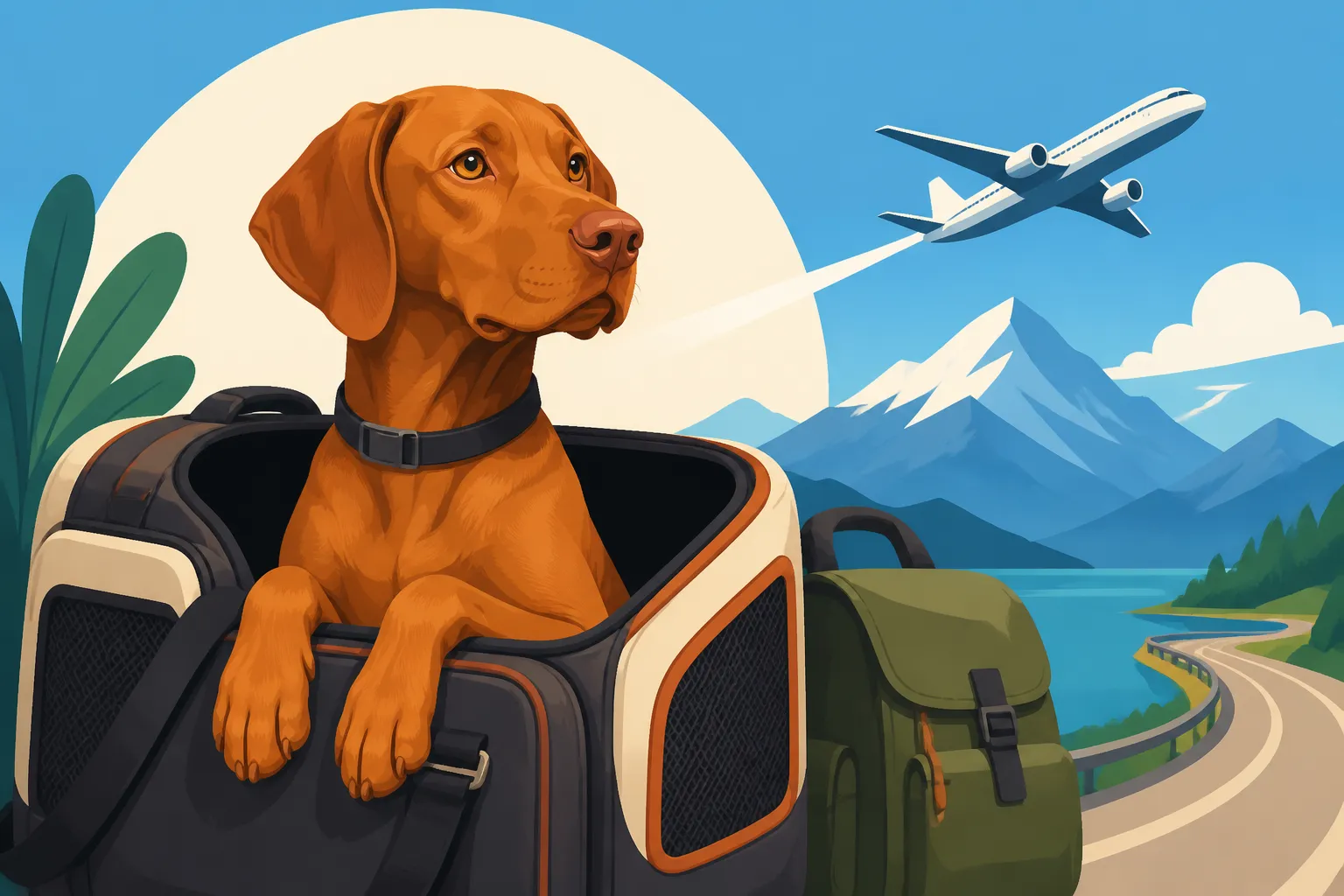
While adult Vizslas generally don't fit the size requirements, a young Vizsla puppy might be small enough to travel in the cabin with you. This offers a much more controlled and less stressful experience, as your dog remains under your direct supervision. The carrier must fit completely under the seat in front of you, so flexible-sided carriers are often preferred. Your Vizsla must remain in the carrier for the entire flight.
Even for in-cabin travel, airline regulations apply, including health certificates and vaccination proof. Prepare your puppy for this experience by getting them comfortable with their carrier beforehand. On the day of travel, ensure they have had ample opportunity to relieve themselves before boarding. Bring a favorite small toy or comfort item, and quietly offer treats or gentle reassurance during the flight to help them stay calm. This allows you to monitor them closely and address any immediate anxieties.
Staying Away From Home: Accommodation and Routine on the Road
Once you've arrived at your destination, the next challenge is settling into a new environment. Vizslas, with their "Velcro" nature and need for routine, can sometimes struggle with the disruption of travel. Making their temporary home feel safe and predictable is crucial for a happy stay.
Pet-Friendly Lodging: Finding and Booking
Finding truly pet-friendly accommodation can sometimes feel like searching for a needle in a haystack. Don't just rely on a website's "pets welcome" tag; delve deeper into their specific policies. Many places have size or breed restrictions, charge additional pet fees (sometimes per night, sometimes a flat fee), or have limits on the number of pets. Some might even require a pet deposit.
Always call ahead to confirm your Vizsla is welcome and to understand any specific rules, such as where dogs are allowed to walk or if they can be left unattended in the room. Look for hotels that offer ground-floor rooms for easy potty breaks, or vacation rentals with enclosed yards. Camping can be a fantastic option for active Vizslas, offering plenty of outdoor space, but even campgrounds have leash rules and quiet hours to consider. Services like BringFido or Airbnb with pet filters can be invaluable resources in your search.
Settling into a New Environment
The first few hours in a new hotel room or rental property can be disorienting for your Vizsla. The smells are new, the sounds are unfamiliar, and their usual potty spot is gone. The best strategy is to create a "home base" for them as quickly as possible. Set up their familiar crate, unroll their favorite bed or blanket, and place their water bowl in a consistent spot. These familiar items provide security and help them understand what's "theirs" in this new space.
Try to maintain their regular routine as much as possible. If they eat at 7 AM and 5 PM, stick to those times. If their last potty break is at 10 PM, take them out then. Consistency helps reduce anxiety and tells them that even though the location has changed, the fundamental rhythm of their day remains. Give them time to explore the new space on leash initially, allowing them to sniff and acclimate. Remember, The Two Hours a Vizsla Needs Before It Will Settle is a real thing, and a new place might require even more patience.
Managing Noise and New Stimuli
Vizslas can be sensitive to new sounds and sights. A hotel hallway filled with strange footsteps, an unfamiliar car alarm outside, or the sounds of neighbors can easily trigger barking or anxiety. To help them cope, consider bringing a white noise machine or using a white noise app on your phone to mask disruptive sounds. Playing calming music specifically designed for dogs can also be beneficial.
If your Vizsla is prone to reactivity or suffers from separation anxiety, avoid leaving them alone in an unfamiliar room for long periods, especially initially. They might bark excessively, cause damage, or become distressed. If you must leave them, ensure they've had ample exercise, are comfortable in their crate, and perhaps have a long-lasting chew or puzzle toy to keep them occupied. Observe their behavior closely, and if persistent anxiety is an issue, discuss coping strategies with your vet or a professional trainer.
Health and Safety: Keeping Your Vizsla Well While Traveling
Travel, by its very nature, exposes your Vizsla to new environments, pathogens, and potential hazards. While it's impossible to prevent every mishap, proactive health and safety measures can significantly reduce risks and ensure you're prepared for the unexpected.
Emergency Preparedness on the Go
A well-stocked pet first-aid kit is absolutely non-negotiable for traveling with a Vizsla. Their adventurous spirit and thin skin mean minor cuts, scrapes, or paw pad injuries are always a possibility, especially if you're exploring new trails or hunting grounds. Your kit should include antiseptic wipes, gauze, vet wrap, adhesive tape, blunt-tipped scissors, tweezers, saline solution, and any prescribed medications. It's also wise to pack a small bottle of hydrogen peroxide (to induce vomiting under vet guidance only), and an antihistamine like Benadryl (again, consult your vet for proper dosage).
Beyond the physical kit, digital preparedness is key. Keep your veterinarian's contact information readily accessible, along with a list of emergency veterinary clinics in your destination area and along your route. Having your Vizsla's vaccine records and proof of ownership easily at hand can save valuable time in an emergency. Being aware of What a Vizsla's Emergency Field Injury Costs can also help mentally prepare you for potential financial outlays should an accident occur.
Preventing Illness and Injury
New environments can harbor different health risks. When exploring lakes or streams, be mindful of water quality. Leptospirosis and Giardia are common waterborne pathogens that can cause serious illness. Carry plenty of fresh water for your Vizsla and discourage them from drinking from stagnant ponds or unfamiliar natural water sources. Ensure their flea, tick, and heartworm prevention is up to date, as parasite populations vary by region.
Environmental conditions also demand attention. Vizslas have a single coat and can be very sensitive to extreme temperatures. In hot weather, avoid exercising during the hottest parts of the day and ensure constant access to shade and water to prevent heatstroke. In cold climates, The Cold a Vizsla Genuinely Cannot Handle is a real concern; consider a dog coat or booties to protect their thin skin and paw pads from frostbite or irritating road salt. Always check their paws for thorns, burrs, or cuts after walks, especially in unfamiliar terrain, given The Thin Skin a Vizsla Takes Into the Field.
Motion Sickness and Stress-Related Issues
Even if your Vizsla typically handles car rides well, prolonged travel or particularly winding roads can trigger motion sickness. Signs to watch for include excessive drooling, lethargy, frequent yawning, lip-licking, restlessness, and eventually vomiting. If you notice these symptoms, pull over safely for a break. Offer a small amount of water but avoid feeding.
Travel stress can also manifest in other ways, such as diarrhea, loss of appetite, or behavioral changes like increased whining or destructiveness. Maintaining routine, providing comfort items, and ensuring adequate exercise can mitigate some of these issues. If your Vizsla consistently struggles with severe motion sickness or anxiety despite your best efforts, discuss options with your vet. They may suggest anti-nausea medication, anti-anxiety supplements, or even temporary prescription medications to make the journey more tolerable.
Feeding Your Vizsla on the Go: Maintaining Their Diet Away From Home
Maintaining your Vizsla's regular diet and hydration routine while traveling is critical. Changes in food, water, or meal schedules can lead to digestive upset, which is the last thing you want when you're far from home. A little planning goes a long way in keeping their gut happy and their energy levels stable.
Sticking to Their Regular Diet
The golden rule of feeding your Vizsla on the road is: stick to their usual food. Introducing new brands or formulas can easily cause an upset stomach, leading to diarrhea or vomiting, which will undoubtedly put a damper on your trip. Pack enough of their regular kibble, canned food, or raw diet for the entire duration of your trip, plus a generous contingency. For kibble, use airtight containers to keep it fresh. If your Vizsla enjoys fresh-prepared meals, like those from Ollie, pre-portioning and freezing them before your trip can make storage and feeding easier with a cooler.
Consider how you'll store food, especially if you're dealing with raw or fresh options that require refrigeration. If staying in hotels, confirm they have mini-fridges, or bring your own portable cooler. For longer trips, you might need to plan for ways to resupply or ensure your chosen brand is available at your destination – though bringing your own supply is always the safest bet. Remember, How Much Food a Working Vizsla Eats Monthly can be substantial, so pack accordingly.
Hydration Strategies for Travel
Just as important as food is consistent access to fresh, clean water. Vizslas are active and can dehydrate quickly, especially during strenuous travel days or in warm climates. Always carry a supply of water from home, or filtered water, to avoid introducing new bacteria or minerals that could upset their stomach. Portable, collapsible water bowls are incredibly handy for car trips, hikes, and quick stops.
Make sure to offer water frequently, especially during and after exercise. If your Vizsla is particularly active, working in the field for example, consider bringing electrolytes specifically formulated for dogs to help replenish vital minerals. In unfamiliar locations, if you're unsure about the local tap water quality, sticking to bottled water for your Vizsla is a safer approach to prevent any potential GI issues.
Managing Meal Times and Portion Sizes
Try to maintain your Vizsla's regular meal schedule as much as possible, even when traveling. Familiarity in routine helps reduce stress and keeps their digestive system regulated. If they typically eat twice a day, aim for those same times. Disruptions to routine can be unsettling for Vizslas and may contribute to anxiety or a reluctance to eat.
Portion sizes might need slight adjustments depending on your travel activities. If you're on a highly active trip with lots of hiking, running, or hunting, your Vizsla will be burning more calories and may need a bit more food to maintain their energy and weight. Conversely, if the trip is more relaxed and involves less physical exertion, their usual portion might suffice. Always monitor their body condition; you should be able to easily feel their ribs but not see them prominently. Keeping Weight On a Working Vizsla is a constant consideration, and even more so when their activity levels fluctuate on a trip.
| Item Category | Specific Items | Importance for Vizslas | Notes |
|---|---|---|---|
| Food & Water | Regular kibble/food (enough for trip + extra days) | Essential for routine & health | Store in airtight containers. For fresh food, consider cold packs. |
| Portable, collapsible bowls (food & water) | Convenient for on-the-go meals & hydration | Many options on Amazon or Chewy. | |
| Water bottles or portable water dispenser | Ensures access to clean water | Avoid unfamiliar water sources. | |
| High-value treats, comfort chews | Training, distraction, anxiety relief | Familiar favorites provide comfort. | |
| Comfort | Favorite bed, blanket, or mat | Provides security and familiarity | Their scent is reassuring in new places. |
| Travel crate or soft carrier | Safe space in car/plane, familiar den in lodging | Should be a positive, accustomed space. | |
| Favorite toys (durable for travel) | Mental stimulation, reduces boredom | Choose toys that are easy to clean and won't get lost easily. | |
| Health | Medications (prescribed with instructions) | Critical for ongoing health conditions | Keep in original containers, clearly labeled. |
| Pet first-aid kit (incl. antiseptic, bandages, etc.) | Essential for minor injuries or emergencies | Include vet contact info & local emergency vet numbers. | |
| Vaccine records, health certificate (if applicable) | Required for crossing borders, flying, some lodging | Keep digital and physical copies easily accessible. | |
| Flea, tick, heartworm prevention | Protects against local parasites | Ensure up-to-date, consider regional risks. | |
| Safety | Sturdy leash, collar with ID tags (current info) | Crucial for control, identification if lost | Consider a secondary tag with temporary travel contact. |
| Crash-tested car restraint (harness or crate) | Protects dog & passengers during transit | Prevents driver distraction. | |
| Poop bags (plenty!) | Responsible pet ownership, required almost everywhere | Always have more than you think you need. | |
| Grooming/Other | Brush, paw balm or protective wax | Coat maintenance, paw protection from elements | Important after walks, especially on rough terrain or snow. |
| Pet-safe wet wipes, cleaning spray | For quick clean-ups of muddy paws or accidents | Accidents happen – be prepared! | |
| Cooling vest/mat or warming coat | Helps Vizsla adapt to varying climates | Whether a Vizsla Needs a Winter Jacket is a key consideration. |
Disclaimer
This article is for general informational purposes only and does not constitute professional advice. Laws, prices and regulations vary by location and change over time. Consult a qualified professional for guidance on your specific situation.