Whether a Vizsla Needs a Crate in the Truck
One of the biggest worries for any Vizsla owner, especially those of us who love to take our active companions everywhere, is ensuring their safety when traveling. Just tossing your lean, energetic Vizsla into the back seat or truck bed without a second thought can lead to heartbreaking consequences, not just for them but for you and other road users too. This guide will walk you through why secure transport in your truck isn't just a good idea, but often a crucial one, and explore the best options for keeping your beloved Vizsla safe and sound on every journey.
The Indisputable Need for Safe Travel: Why a Vizsla in a Truck is Different
It’s easy to think, "My dog loves car rides, they just curl up and go to sleep." But the reality of vehicle travel, especially in a truck, presents a host of unique hazards that many owners simply don't consider until it's too late. Vizslas, with their boundless energy and inquisitive nature, are particularly susceptible to these risks. Their desire to be with you, their "velcro" tendency, can ironically make them a bigger distraction if not properly secured.
Understanding the Risks of Unrestrained Travel
Imagine for a moment, you're driving down the highway, perhaps even just a quiet backroad, and you have to brake suddenly. An unrestrained 50-60 pound Vizsla, traveling at speed, becomes a projectile with immense force. That beautiful, loving companion could be seriously injured by hitting the dashboard, the back of your seat, or even going through a window. Worse, they could fatally injure you or other passengers. This isn't fear-mongering; it's physics. Even a minor fender bender can have devastating effects on an unsecured pet. Beyond the immediate impact, a scared or injured dog might bolt from the scene of an accident, running into traffic or getting lost, adding another layer of trauma to an already stressful situation. For a breed like the Vizsla, known for its incredible speed and ranging ability, a panicked dash could take them miles away in moments. Building a Recall on a Vizsla That Ranges is vital, but in a chaotic accident scenario, even the best training can fail.
Vizsla Temperament and Travel Instincts
Vizslas are intelligent, sensitive, and incredibly attached to their people. This "Velcro Vizsla" trait, while endearing, means they often want to be right by your side, even when you're driving. An unsecured Vizsla might try to climb into the front seat, block your view, or interfere with your driving controls. Their high energy means they're less likely to just lie still for long periods, especially if the journey is exciting or stimulating. They might constantly shift, whine, or try to look out windows, creating ongoing distractions. We’ve also heard stories of Vizslas who get overly excited when they see something interesting outside—a squirrel, another dog, or a bird—and try to lunge towards it, potentially causing an accident. Their thin skin and lean build also make them more vulnerable to injury from bumps and jostles, or even just the sharp edges within a truck cab during sudden movements. The Thin Skin a Vizsla Takes Into the Field can easily be torn or bruised if they're not protected.
Legal and Safety Implications for Owners
Beyond the moral imperative to protect your dog and yourself, many states and provinces now have laws regarding the safe transport of pets in vehicles. While specific laws vary, some mandate that dogs cannot ride in the open bed of a truck unless secured in a kennel, and many prohibit dogs from riding on a driver's lap or interfering with their driving. Failure to comply can result in fines, and in the event of an accident, could lead to legal complications or even charges if your unsecured dog caused or contributed to the incident. Insurance companies may also factor in pet restraint when processing claims. Ultimately, taking the time to properly secure your Vizsla isn't just about avoiding a ticket; it's about being a responsible pet owner and ensuring the safest possible outcome for everyone involved, every single time you hit the road.
Exploring Truck Crate and Restraint Options for Your Vizsla
When it comes to safely transporting your Vizsla in a truck, you have several options, each with its own benefits and considerations. The best choice often depends on your specific truck model, your Vizsla's size and temperament, and the type of travel you typically undertake. It’s not a one-size-fits-all solution, but there's definitely a right fit for every Vizsla family.
Dedicated Truck Crates and Kennels
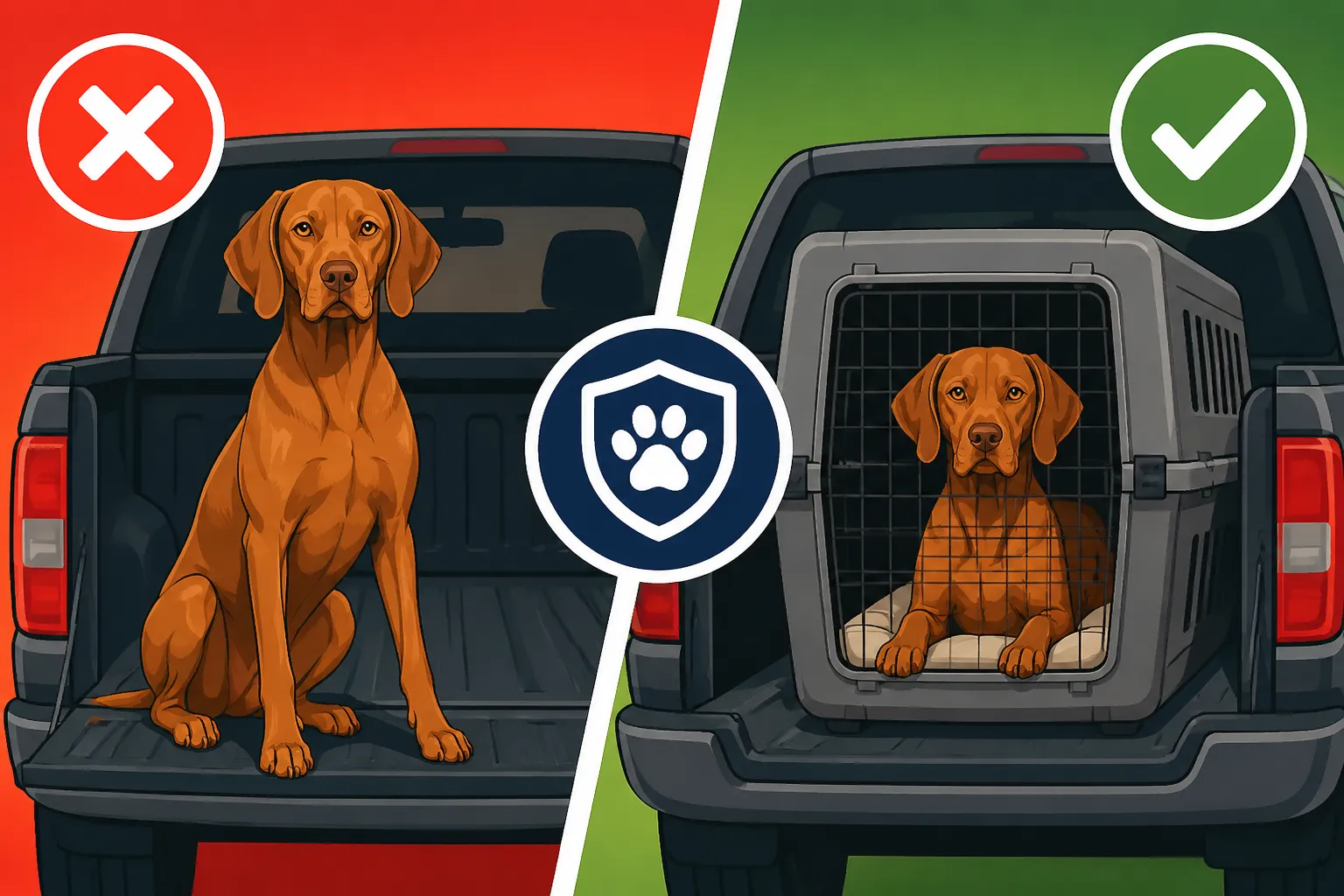
For those who regularly transport their Vizsla in the bed of a truck, a dedicated truck kennel or dog box is often the safest and most practical solution. These are designed to withstand impacts and provide a secure, comfortable space. They are typically made from durable materials like aluminum or heavy-duty plastic, often featuring good ventilation and secure latches. Some high-end models are even crash-tested, offering superior protection in an accident. These boxes are built to stay in place, either through heavy construction or by being secured to the truck bed. If you're heading out for a hunt, a solid kennel in the truck bed keeps your Vizsla contained and protected from the elements and road debris, and it's also a great way to transport them after a long day in the field, keeping mud and dirt out of your cab. Companies like Ruffland and Gunner (though remember to check their current offerings and features directly on their websites) are well-regarded for their robust construction. You can often find a wide selection of these on sites like Amazon or Chewy, allowing you to compare sizes and features.
Crash-Tested Harnesses and Seatbelt Attachments
If your Vizsla rides in the cab of your truck, either in the front passenger seat (if it's a bench seat or your truck is large enough for them to not interfere with driving) or the back seat, a crash-tested safety harness connected to a seatbelt attachment is an excellent choice. These harnesses are designed to distribute impact forces across your dog's chest, rather than their neck, in the event of a sudden stop or collision. The seatbelt attachment then keeps them securely in place, preventing them from becoming a projectile or distracting you. It's crucial to ensure both the harness and the attachment have been independently crash-tested, as not all restraints on the market offer genuine safety. While they provide safety, they also offer a degree of freedom of movement, allowing your Vizsla to sit, stand, or lie down comfortably. This can be particularly beneficial for Vizslas prone to anxiety or Whether a Vizsla Gets Car Sick, as they might prefer to be able to shift positions.
Hybrid Solutions and Considerations for Open Beds
For trucks with open beds, it's absolutely vital that any dog riding back there is secured within a proper kennel, not just tethered to the truck. Tying a dog to the bed of a truck without a kennel is incredibly dangerous; they can be thrown out, dragged, or even strangle themselves. If you use an open-bed truck, consider options that offer both security and weather protection. Some portable kennels can be secured within the truck bed using straps or tie-downs, providing a safe enclosure. However, always ensure these kennels are designed for external use and can withstand road conditions, and never leave your Vizsla in an open truck bed exposed to extreme weather. On a hot day, the metal bed can become scalding, and in cold weather, your thin-coated Vizsla will be miserable. Whether a Vizsla Needs a Winter Jacket is a common question for outdoor activities, but it's even more critical in an exposed truck bed. For shorter trips or if you only occasionally use the truck bed, a sturdy, well-ventilated crate anchored securely is paramount.
Choosing the Right Solution for Your Vizsla and Your Truck
Making the best choice for your Vizsla's truck transport isn't just about picking the first thing you see. It requires careful consideration of several factors, ensuring that the solution you select genuinely fits your dog's needs, your vehicle's capabilities, and your travel lifestyle. This decision impacts not only safety but also your Vizsla's comfort and your peace of mind.
Assessing Your Vizsla's Size and Travel Habits
Vizslas are medium to large dogs, typically weighing between 45 and 65 pounds. This means a small carrier won't cut it. You need a crate or harness sized appropriately for their build. For a crate, your Vizsla should be able to stand up, turn around, and lie down comfortably. If they're cramped, long journeys will be stressful and uncomfortable. Consider their temperament too. Is your Vizsla generally calm in vehicles, or are they a bundle of nervous energy? A very anxious Vizsla might do better in a snug, dark kennel that offers a den-like feel, whereas a relaxed dog might be fine with a harness that allows them more visibility. If you have a Vizsla that struggles with being left alone or shows signs of separation anxiety, even in a vehicle, a secure, comfortable crate can offer a sense of security. Teaching a Vizsla to Be Alone is a foundational skill that can translate to calmer travel experiences. If your Vizsla tends to shed, a crate also helps contain that hair, making post-trip cleanup easier. How Much an Adult Vizsla Eats Daily is also a factor to consider for longer trips – you'll need space for food, water, and bowls.
Matching the Restraint to Your Truck Type (Cab vs. Bed)
Your truck configuration plays a massive role in your choice.
- Regular Cab/Extended Cab: If your truck has limited rear seating or none at all, and your Vizsla rides in the front or a small back area, a crash-tested harness and seatbelt attachment is generally the most practical option. Ensure there's enough room for them to be comfortable without being squished.
- Crew Cab: With a full back seat, you have more flexibility. You can use a harness and seatbelt, or a securely anchored hard-sided crate on the back floorboard or seat (if it's stable and won't slide).
- Truck Bed (Open or Covered): For truck beds, a specialized, heavy-duty truck kennel is the gold standard. These are designed to be weather-resistant and withstand the rigors of road travel. If your truck bed is covered (with a topper or shell), you still need a secure kennel inside to protect your dog from shifting cargo and to provide a consistent, safe space. Always prioritize ventilation, especially in warmer climates, to prevent overheating. Consider the attachment points in your truck bed to properly secure any kennel.
Prioritizing Comfort and Durability
A safe solution isn't truly effective if your Vizsla is miserable. Look for features that enhance comfort, such as good ventilation, soft bedding inside a crate (though not so much that it's a hazard), and harnesses that don't chafe. Durability is also key. Your Vizsla is a strong, energetic dog, and any restraint or crate needs to stand up to their power, as well as the bumps and vibrations of the road. Materials should be robust, latches secure, and construction solid. If you hunt with your Vizsla, you'll want equipment that can handle rough handling, mud, and repeated use. A well-made crate or harness is an investment in your Vizsla's safety and longevity.
Here's a comparison of common truck travel options for Vizslas:
| Feature | Dedicated Truck Kennel (Bed) | Crash-Tested Harness (Cab) | Standard Wire/Plastic Crate (Cab/Secured Bed) |
|---|---|---|---|
| Primary Location | Truck Bed (open or covered) | Truck Cab (back seat, floor) | Truck Cab or well-secured in covered bed |
| Crash Protection | Excellent (especially high-end, crash-tested) | Good (when properly crash-tested) | Fair to Poor (less robust for impact) |
| Containment | Excellent (fully enclosed) | Good (restricts movement, prevents distraction) | Excellent (fully enclosed) |
| Weather Protection | Excellent (if designed for outdoor use) | Limited (dog exposed to cab environment) | Limited (dog exposed to cab environment) |
| Durability | Excellent (heavy-duty materials) | Good (depends on brand/model) | Variable (can dent, crack) |
| Comfort | High (spacious, den-like) | High (allows sitting/lying) | High (spacious, den-like) |
| Vizsla Suitability | Ideal for hunters, frequent outdoor travelers | Ideal for everyday travel, family trips | Good for cab, basic secure option for covered bed |
Beyond the Crate: Enhancing Your Vizsla's Truck Travel Experience
While securing your Vizsla in a truck is paramount, there's more to consider for truly positive and safe travel. A comprehensive approach ensures their well-being on every adventure, from short trips to the vet to long-haul hunting excursions. Preparing for their needs, both physical and mental, can make all the difference.
Acclimating Your Vizsla to Truck Travel
For some Vizslas, the truck is an instant portal to adventure. For others, it can be a source of anxiety or motion sickness. It's crucial to introduce them to truck travel gradually and positively, especially when starting with a new crate or harness. Begin with short, positive experiences:
- Introduce the crate/harness at home: Let them sniff it, put treats inside, make it a positive space.
- Crate in the truck, not moving: Have them enter their secured crate in the truck without the engine on. Reward calm behavior.
- Short, pleasant drives: Start with very short drives, perhaps around the block, to a favorite park, or for a quick fetch session. Associate the truck with good things.
- Gradually increase duration: Over time, extend the length of the trips.
Some Vizslas might need more patience, especially if they are prone to being sensitive or The Two Hours a Vizsla Needs Before It Will Settle is a constant struggle for them. If your Vizsla is prone to getting car sick, talk to your vet about anti-nausea medications or strategies like avoiding food right before travel. Whether a Vizsla Gets Car Sick is a common issue that can be managed with the right approach.
Essential Gear and Supplies for Road Trips
Even for short trips, having a few key items on hand can make travel smoother and safer. For longer journeys or hunting expeditions, this list becomes even more critical.
- Water and Bowl: Always have fresh water readily available. A collapsible bowl is a lifesaver. Hydration is key, especially for active dogs.
- Food: If traveling for an extended period, bring their regular food to avoid stomach upset. For working Vizslas, you might even consider specific Whether a Vizsla Needs a Performance Formula for sustained energy. Ollie offers convenient, fresh food options that can be pre-portioned for travel, which is great for maintaining their diet.
- Leash and Collar/Harness: Never open a crate or truck door without your Vizsla securely leashed. Their instinct to bolt can be strong, especially in unfamiliar or exciting environments.
- First Aid Kit: A well-stocked canine first aid kit is non-negotiable, particularly if you're heading off-road or to remote hunting locations. What a First Aid Kit for a Hunting Vizsla Holds should include bandages, antiseptic wipes, paw protection, and anything specific your vet recommends.
- Proof of Vaccination/Records: Carry copies of important veterinary records, especially if crossing state lines or in case of an emergency vet visit.
- Identification: Ensure your Vizsla has up-to-date tags and that their microchip information is current. A What a GPS Collar Costs for a Vizsla can also be an invaluable tool for peace of mind, allowing you to track them if they ever get lost, which is particularly useful during hunting trips where they might range far.
Maintaining Health and Hydration on the Go
Long stretches of travel, especially to different climates or for intense activity like hunting, demand extra attention to your Vizsla's health. Schedule regular stops for potty breaks, water, and a chance to stretch their legs. If you're traveling in cold weather, remember that Vizslas have a single coat and can get chilly easily. Whether a Vizsla Needs a Winter Jacket isn't just for walks; it can be crucial during breaks from a warm truck cabin. Similarly, in hot weather, ensure ample shade and avoid leaving them in a parked vehicle, even for a short time, as temperatures can soar dangerously quickly. Monitor their eating and drinking habits. Sometimes, stress or excitement can suppress appetite or lead to dehydration. If you notice any signs of discomfort, lethargy, or changes in behavior, don't hesitate to consult a local veterinarian. After any outdoor adventure, particularly a hunt, be sure to give your Vizsla a thorough Checking a Vizsla Over After a Hunt to catch any scrapes, ticks, or injuries.
Disclaimer
This article is for general informational purposes only and does not constitute professional advice. Laws, prices and regulations vary by location and change over time. Consult a qualified professional for guidance on your specific situation.