Whether a Vizsla Needs a Winter Jacket
Vizsla owners often find themselves staring at their sleek, short-coated companion on a frosty morning, wrestling with the question: does my dog really need a winter jacket? It's a valid concern, especially when you see those big, expressive eyes begging to go out for their usual energetic romp, yet their lean physique seems ill-equipped for the biting cold. This guide will explore the specific needs of a Vizsla's coat, the environmental factors at play, and how to determine if a winter jacket is a necessary addition to your dog's cold-weather wardrobe.
Understanding the Vizsla's Unique Coat for Cold Weather
When you look at a Vizsla, their distinctive golden-rust coat is one of their most striking features. It's beautiful, yes, but its practical implications for cold weather are often misunderstood. We tend to compare them to other sporting breeds or even our own cold tolerance, but a Vizsla's physiology is quite different.
The Single Coat Reality and Its Implications
Unlike many dog breeds, especially those originating from colder climates, a Vizsla possesses a single coat. This means they lack the dense, insulating undercoat that breeds like Labradors, Huskies, or German Shepherds rely on to trap warm air close to their bodies. Think of it like a human wearing a light windbreaker versus a heavy parka. While a Vizsla's short, smooth fur provides some protection from wind and light precipitation, it's not designed to offer significant thermal insulation against sustained cold. This single-coat reality is why you might notice your Vizsla shivering long before other dogs in similar conditions. It really does change everything about how we need to care for them when temperatures drop. Many owners find themselves asking The Single Coat a Vizsla Has and Why It Changes Everything and needing to adjust their thinking accordingly.
The lack of an undercoat also means that their skin is more exposed. When wet, this short coat offers almost no barrier against the cold seeping into their core. Imagine stepping out of a warm shower into a cold room with just a towel – that's often how a wet Vizsla feels in chilly weather. This makes them particularly vulnerable to hypothermia if they get wet in cold conditions, whether from rain, snow, or even a sudden dip in an icy pond during a retrieve. Their skin is also relatively thin compared to many working breeds, adding to their susceptibility.
Why a Vizsla Isn't Built for Arctic Conditions
Let's be honest: Hungary, the Vizsla's homeland, isn't exactly the Arctic, but it does experience cold winters. However, the Vizsla was developed as a versatile hunting dog, working alongside humans in temperate European climates. Their original purpose involved bursts of intense activity, generating significant body heat, followed by periods of resting close to their human companion. They weren't bred to independently withstand prolonged exposure to severe cold or icy winds like an Alaskan Malamute or a Saint Bernard. Their lean, athletic build, while perfect for speed and agility, offers less natural insulation than stockier breeds.
This natural predisposition means that a Vizsla genuinely cannot handle extreme cold for extended periods. When temperatures dip significantly, say below freezing, their core body temperature can drop quite rapidly. They simply don't have the physiological adaptations – like thick fat layers or dense double coats – to maintain warmth efficiently. This is why you often see them trying to burrow under blankets or cuddle deeply into you as soon as the house gets a little chilly. They seek warmth instinctively because their bodies struggle to produce and retain it. The Cold a Vizsla Genuinely Cannot Handle is a real and present danger for these dogs.
Signs Your Vizsla is Genuinely Cold
It's easy to project our own feelings onto our dogs, but a Vizsla will give you clear signals when they're truly feeling the chill. The most obvious sign is shivering. This isn't just a nervous twitch; it's an involuntary muscle contraction designed to generate heat. If your Vizsla is shivering, even slightly, it's a clear indication that they are cold and need warmth. Another common sign is hunching their back, tucking their tail tightly between their legs, and lifting their paws off the ground, sometimes one at a time. They might also stand stiffly, reluctant to move or engage in play, or try to huddle close to you, burrowing into your legs or even trying to get you to pick them up.
Beyond these physical cues, pay attention to their behavior. A cold Vizsla might become lethargic, slow to respond, or even appear somewhat distressed. They might stare intently at the door, asking to come inside, or become unusually quiet. Their ears might feel cold to the touch, and in very severe cases, their gums can become pale or bluish. If you notice any of these signs, especially shivering, it's time to get them somewhere warm immediately. Ignoring these signals can lead to discomfort, illness, or even dangerous hypothermia. You might even notice them doing it indoors if the temperature isn't quite to their liking, proving Whether a Vizsla Shivers Indoors is a common occurrence.
Factors Influencing Your Vizsla's Need for a Jacket
Deciding if your Vizsla needs a jacket isn't a one-size-fits-all answer. Several factors play into their individual cold tolerance, making it a nuanced decision for responsible owners.
The Role of Temperature and Weather Conditions
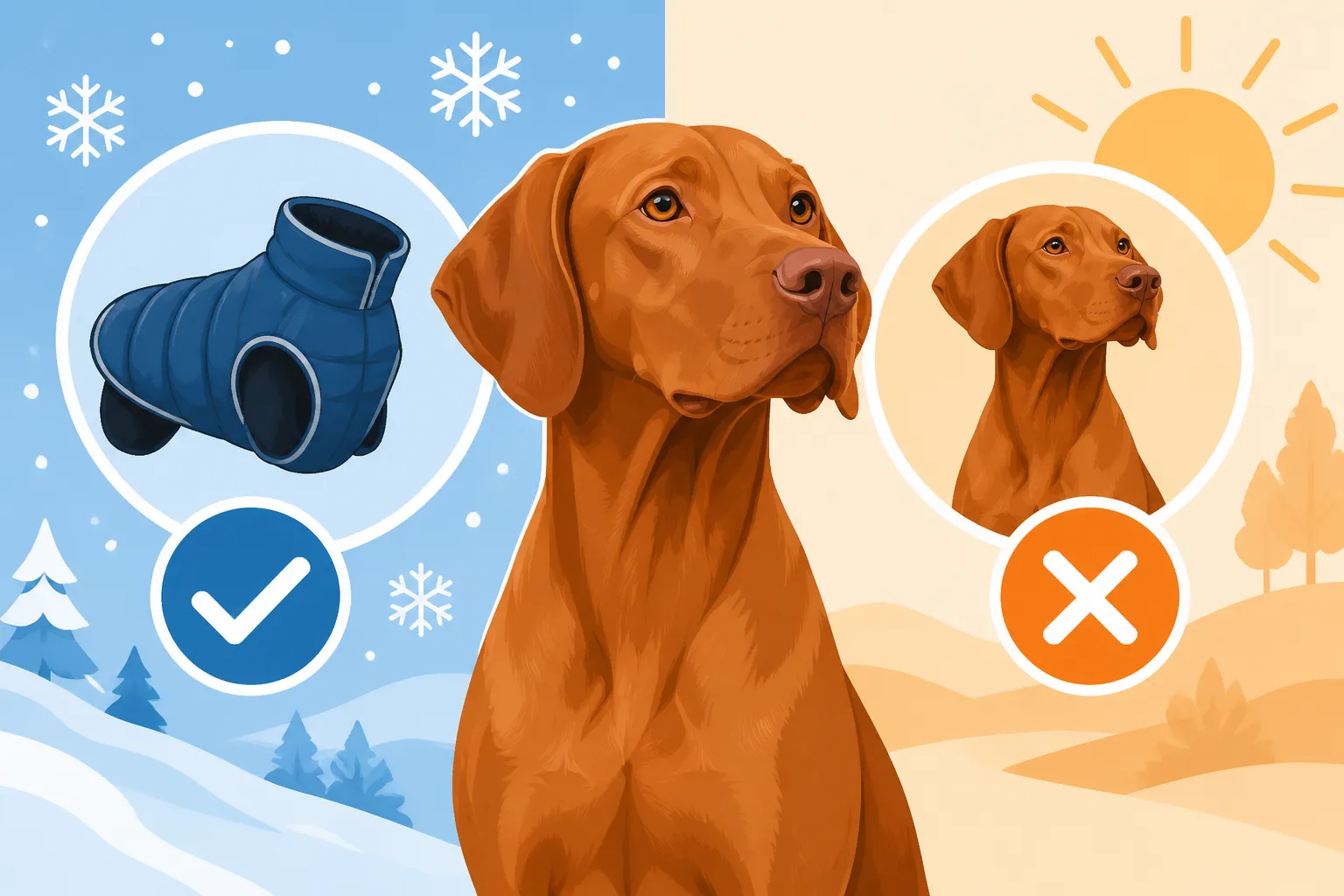
The most apparent factor is the ambient temperature. As a general rule of thumb, when temperatures drop below 45°F (7°C), many Vizslas will start to feel the chill, especially if they are stationary or on a leisurely walk. Once it hits freezing (32°F or 0°C) or below, a jacket becomes less of an option and more of a necessity for most. However, temperature isn't the only component. Wind chill can make a 40°F day feel like 20°F, cutting through their thin coat and accelerating heat loss. A jacket that blocks wind is crucial in these conditions.
Precipitation, whether rain, freezing rain, or snow, compounds the problem. A wet coat loses its insulating properties, and because Vizslas don't have that protective undercoat, they get soaked to the skin very quickly. If your Vizsla will be out in wet, cold conditions, a waterproof or highly water-resistant jacket is paramount. Even dry snow can melt against their body, leading to dampness and subsequent cooling. Consider if your Vizsla will be Whether a Vizsla Hunts in Freezing Weather and plan for appropriate gear to keep them safe and comfortable.
| Weather Condition | Temperature Range | Jacket Recommendation | Key Considerations |
|---|---|---|---|
| Mild Chill | 45-55°F (7-13°C) | Light fleece or thin insulated vest | Good for active dogs; elderly/puppies may need more. |
| Cold | 32-45°F (0-7°C) | Medium insulated, wind-resistant jacket | Essential for most Vizslas, especially inactive. |
| Freezing/Icy | Below 32°F (0°C) | Heavy insulated, waterproof/resistant coat | Critical for outdoor activity, consider paw protection. |
| Windy/Wet Cold | Any cold temp + wind/rain | Waterproof and windproof insulated jacket | Prevents rapid heat loss, crucial for health. |
| Extreme Cold | Below 20°F (-6°C) | Layered protection, minimal outdoor time | Consider limiting walks, focus on indoor exercise. |
Activity Level and Body Heat Generation
A Vizsla's activity level plays a huge role in how much they feel the cold. A Vizsla actively running, fetching, or hunting will generate a significant amount of body heat. In some cases, a highly active Vizsla might not need as heavy a coat as a more sedate one, even in moderately cold temperatures. Their internal furnace will be working hard. This is why you might see field trial dogs working hard on a chilly day without much outerwear, but the moment they stop moving, they get wrapped up. For these working dogs, the goal is often to keep them warm between retrieves or during downtime, rather than restrict movement with a bulky coat during peak activity.
However, even the most active Vizsla will cool down quickly once they stop moving. Imagine a long hike or a hunting trip where there are periods of intense running followed by sitting or waiting. It’s during these resting phases that they are most susceptible to getting cold. So, while they might not need a jacket while chasing pheasants, having one to put on immediately after can prevent their core temperature from dropping too low. For the average pet Vizsla going for a neighborhood walk or a romp in the park, their activity level might not be consistent enough to generate and maintain sufficient heat in cold weather without assistance. It’s about balance – generating heat through movement, but also conserving it when the activity slows.
Age, Health, and Individual Differences
Just like people, not all Vizslas are created equal when it comes to cold tolerance. A healthy, young adult Vizsla in peak physical condition will generally handle cold better than a puppy, a senior dog, or one with underlying health issues. Puppies have less body fat and underdeveloped thermoregulation systems, making them very vulnerable to cold. Senior Vizslas, on the other hand, often have thinner coats, reduced muscle mass, and slower metabolisms, meaning they lose heat more quickly and struggle to generate it. The Age a Vizsla Counts as Senior is when you'll really notice their cold sensitivity increase.
Dogs with medical conditions, such as hypothyroidism or heart issues, may also have a harder time regulating their body temperature. Those on certain medications might also be more sensitive to cold. It’s always best to consult your vet if you have concerns about your dog’s specific health needs in cold weather. Some Vizslas also just seem to run colder than others, a quirk of individual metabolism. You know your dog best. If your Vizsla is persistently shivering, curling up tightly, or seeking warmth even when others are comfortable, then a jacket is a smart investment. For an old Vizsla, for example, Whether an Old Vizsla Feels the Cold More is almost always a resounding yes. They need extra consideration and warmth.
Choosing the Right Winter Jacket for Your Vizsla
Once you've determined your Vizsla needs a jacket, the next step is finding one that truly meets their needs. It's not just about looking good; it's about providing functional protection.
Key Features to Look For in a Vizsla Coat
When selecting a winter jacket, several features are paramount for a Vizsla's comfort and safety.
First and foremost is insulation. Look for jackets with a warm lining, such as fleece, synthetic down, or even wool blends. This material should be substantial enough to trap air and create a thermal barrier. For very cold temperatures, a thicker insulation layer is preferable.
Next, consider weatherproofing. Given their lack of an undercoat, a Vizsla's thin skin gets wet quickly. A waterproof or highly water-resistant outer shell is essential to keep them dry in rain, snow, or slush. Look for materials like nylon or polyester with a DWR (Durable Water Repellent) finish, or laminated fabrics. Seam-sealed jackets offer even better protection against moisture penetration.
Fit is incredibly important. A jacket that's too loose can shift around, chafe, and allow cold air to seep in. One that's too tight will restrict movement and be uncomfortable. Vizslas have a distinctive deep chest and lean waist, so look for designs that accommodate this athletic build. Many brands offer adjustable straps around the chest and belly to ensure a snug, comfortable fit. The jacket should cover a good portion of their back and ideally extend down to cover their belly, which is often exposed and vulnerable to cold. Consider brands that offer specific cuts for athletic or deep-chested breeds.
Finally, durability and ease of cleaning are practical considerations. Vizslas are active dogs, so their jacket needs to withstand rough and tumble play, snags from brush, and regular washing. Machine washable options are a huge plus for busy owners. When you're browsing online at retailers like Chewy or Amazon, make sure to read reviews about these specific features.
Different Styles and Materials for Various Needs
The world of dog jackets offers a variety of styles, each suited to different conditions and activities:
- Fleece Vests/Sweaters: These are great for mild chills, indoor lounging if your Vizsla Whether a Vizsla Should Wear a Fleece Indoors, or as a base layer under a heavier coat. They offer warmth but no water or wind protection.
- Insulated Vests/Jackets: These are the most common type for winter use. They feature an outer shell (often water-resistant) and an insulated lining. Many come with reflective strips for visibility in low light, which is excellent for early morning or late evening walks. You can find a vast selection on Chewy, offering different levels of insulation.
- Parkas/Heavy Duty Coats: For truly extreme cold or prolonged outdoor exposure, these offer maximum insulation and often full waterproofing. They might include hoods (though few dogs tolerate them well) or extend further down the legs. These are especially vital if your Vizsla will be out in The Temperature a Vizsla Needs a Coat At when it's genuinely frigid.
- Raincoats: While not insulated, a good raincoat can be worn over a fleece or sweater for wet but not extremely cold days, keeping your Vizsla dry, which is half the battle against the cold. Look for lightweight, packable options for sudden downpours.
- Combination Coats: Some jackets offer a two-in-one solution, with a removable fleece liner inside a waterproof shell, allowing for versatility across different weather conditions. This could be a good choice for Whether a Vizsla Needs Two Coats for Wet Cold if you prefer a single adaptable garment.
When looking for options, consider checking out retailers like Amazon, which often have a wide array of brands and styles to compare.
Practical Tips for Fitting and Acclimation
Getting the right fit is crucial. Before you buy, measure your Vizsla accurately:
- Back Length: From the base of their neck (where the collar sits) to the base of their tail.
- Chest Girth: Around the widest part of their chest, just behind their front legs.
- Neck Girth: Around the base of their neck.
Compare these measurements to the sizing chart of the specific jacket brand, as sizes can vary wildly between manufacturers. When they try it on, check that they can move freely, sit, lie down, and relieve themselves without obstruction. The coat should not rub or chafe anywhere.
Some Vizslas take to wearing a jacket immediately, while others need a bit of time to acclimate. Introduce the jacket indoors first, pairing it with positive reinforcement like treats and praise. Let them wear it for short periods, gradually increasing the duration. Make it a fun experience. Take them outside immediately after putting it on for an exciting walk or play session, so they associate it with good things. If they seem uncomfortable or try to chew it off, take a break and try again later. Never force it. Patience is key.
Beyond the Jacket: Other Cold Weather Considerations
While a winter jacket is a significant step in keeping your Vizsla warm, it's part of a broader cold-weather strategy. There are other crucial aspects of care to consider when the temperatures drop.
Protecting Paws and Preventing Frostbite
A Vizsla's paws are surprisingly vulnerable in cold, harsh weather. Ice, snow, and especially road salt can cause irritation, cracking, and even frostbite. Road salt, de-icers, and antifreeze are also toxic if ingested, which can happen when your dog licks their paws after a walk. This is why Whether a Vizsla Needs Boots in Winter is another common question and often a good idea.
Consider investing in dog booties if your Vizsla will be walking on salted pavements or through deep snow. Acclimating them to booties is similar to a jacket: start indoors with positive reinforcement. If booties aren't an option, or even if they are, use a paw balm or wax (like Musher's Secret) before walks to create a protective barrier. After every walk, thoroughly clean their paws with warm water and a towel to remove any salt or chemicals, and check carefully between their toes for ice balls or foreign objects.
Maintaining Core Temperature Indoors
It's not just about outdoor warmth. Because of their single coat, Vizslas can get chilly indoors too, especially if your home isn't kept particularly warm or if they're prone to finding cool spots. You might notice them constantly trying to snuggle under blankets, burrowing into furniture, or demanding to sleep in your bed just for warmth. Whether a Vizsla Sleeps Warm Enough Without Heat is often a concern, and the answer is usually 'no' in a cooler home.
Provide a warm, comfortable sleeping area. Orthopedic beds with good insulation, or even a heated dog bed, can make a huge difference, especially for older Vizslas who feel the cold more acutely. Ensure their bed is off cold, hard floors and away from drafts. Blankets are also a big hit with Vizslas, as they love to burrow and create their own warm nest. Many owners report Whether a Vizsla Burrows Under Blankets for Warmth is an almost universal Vizsla trait, and it's their way of coping with a lack of natural insulation. For older dogs, in particular, Whether an Old Vizsla Needs More Warmth is absolutely true, and these measures are critical for their comfort and health.
Adjusting Exercise and Outdoor Time
While Vizslas are incredibly energetic and need plenty of exercise year-round, cold weather demands some adjustments. On extremely cold days, especially with high wind chill or heavy precipitation, consider shortening outdoor walks and supplementing with indoor play, mental games, or training sessions. Instead of one long walk, you might do several shorter, brisker outings.
If you are going out for a longer period, ensure your Vizsla is wearing appropriate gear and monitor them closely for signs of cold. Carry a towel to dry them off if they get wet. After intense exercise, get them back indoors quickly, towel them thoroughly, and offer them a warm, dry spot to rest. Even when hunting, vigilance is key. If your Vizsla is Whether a Vizsla Hunts in Freezing Weather, remember to factor in breaks where they can warm up and dry off. Always prioritize your Vizsla's comfort and health over rigid exercise routines when the weather turns truly brutal.
Disclaimer
This article is for general informational purposes only and does not constitute professional advice. Laws, prices and regulations vary by location and change over time. Consult a qualified professional for guidance on your specific situation.