Whether an Old Vizsla Needs More Warmth
As our beloved Vizslas age, their needs subtly shift, often in ways we don't immediately recognize until we see them shivering where they once romped without a care. That vibrant, energetic dog who would happily swim in icy water or nap on the cold garage floor might suddenly find even a slightly cool room uncomfortable. This guide is dedicated to exploring why older Vizslas tend to feel the cold more acutely, how to spot the signs they're chilly, and most importantly, the practical steps we can take to keep our senior companions snug and comfortable through their golden years.
The Shivering Truth About Senior Vizslas and Cold
It’s a heartbreaking sight to see your once robust Vizsla, a dog built for activity and endurance, huddle against a draft or shiver even indoors. Many Vizsla owners are surprised by how quickly their dogs seem to "lose" their tolerance for cooler temperatures as they hit their senior years. It’s not just a perception; there are very real physiological reasons behind this shift. Understanding these changes helps us provide the best care.
Why Their Internal Thermostat Changes
One of the primary reasons an older Vizsla feels the cold more acutely is the natural process of aging itself. Over time, dogs, just like people, experience a decline in certain bodily functions that contribute to maintaining warmth. Muscle mass, which is a fantastic insulator and generates body heat through activity, often diminishes in older dogs, even those who remain active. This is a cruel irony for a breed like the Vizsla, known for its lean, athletic build. Less muscle means less natural warmth.
Beyond muscle loss, their metabolism tends to slow down. A younger Vizsla's metabolism is like a roaring furnace, constantly burning calories to fuel their boundless energy, a byproduct of which is heat. An older Vizsla’s furnace, however, might be more like a gentle pilot light, simply not generating the same level of internal heat. Furthermore, you might notice their coat, while still that beautiful golden rust, might seem a little thinner, or less dense than it once was. This thinning, combined with The Single Coat a Vizsla Has and Why It Changes Everything (meaning no insulating undercoat), significantly reduces their natural insulation. Imagine trying to stay warm with fewer blankets on a cold night – that’s often what our senior Vizslas are experiencing.
Recognizing the Signs of Being Too Cold
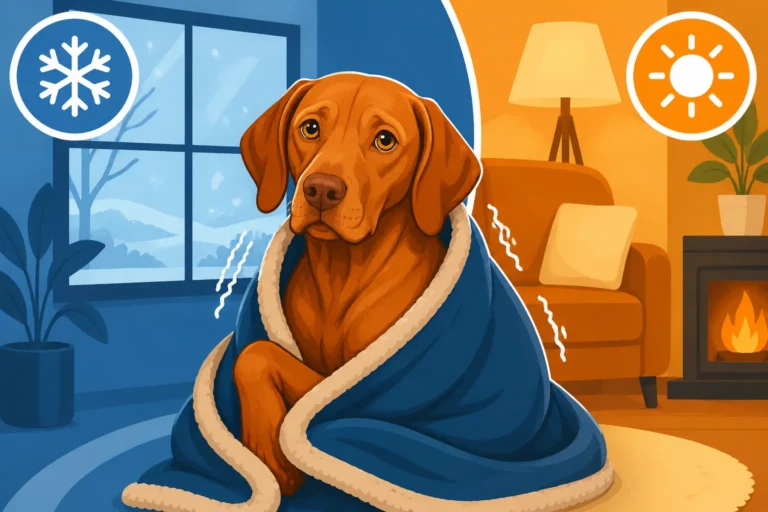
Sometimes, the signs that your Vizsla is cold are glaringly obvious. Persistent shivering, even when indoors, is a clear indicator. You might also observe them hunching their body, tucking their tail, or seeking out the warmest spots in the house, like sunbeams or directly in front of a heating vent. A reluctance to go outside for walks or potty breaks, especially if they usually love being outdoors, is another big red flag.
However, Vizslas are notoriously stoic, a trait often bred into them as working dogs, and they can be quite adept at hiding discomfort, including being cold. Whether a Vizsla Hides Its Pain is a common concern among owners. More subtle signs might include increased stiffness, especially when getting up after resting, which can be exacerbated by cold muscles and joints. They might seem more lethargic, less enthusiastic about playtime, or generally just "off." Pay attention if your dog starts seeking more physical contact than usual, trying to burrow under blankets more frequently, or insisting on sleeping even closer to you. These could all be their subtle ways of asking for more warmth.
Practical Ways to Keep Your Old Vizsla Warm
Once you've recognized that your senior Vizsla is feeling the chill, the good news is there are many straightforward and effective ways to help them stay cozy. It’s about creating a comfortable microclimate for them, both indoors and out, and being mindful of their changing needs.
Indoor Warmth Strategies
Bringing warmth into their indoor environment is paramount. A truly game-changing investment for many senior Vizsla owners is a heated dog bed. These beds provide consistent, soothing warmth that can be incredibly comforting for aching joints and a slowing metabolism. Brands available on platforms like Amazon or Chewy offer a wide range of options, from simple mats to plush, orthopedic beds with integrated heating elements. Always ensure any heated product is designed for pets and has safety features to prevent overheating. If you're using a heating pad designed for humans, never let your dog use it unsupervised and ensure it's on the lowest setting.
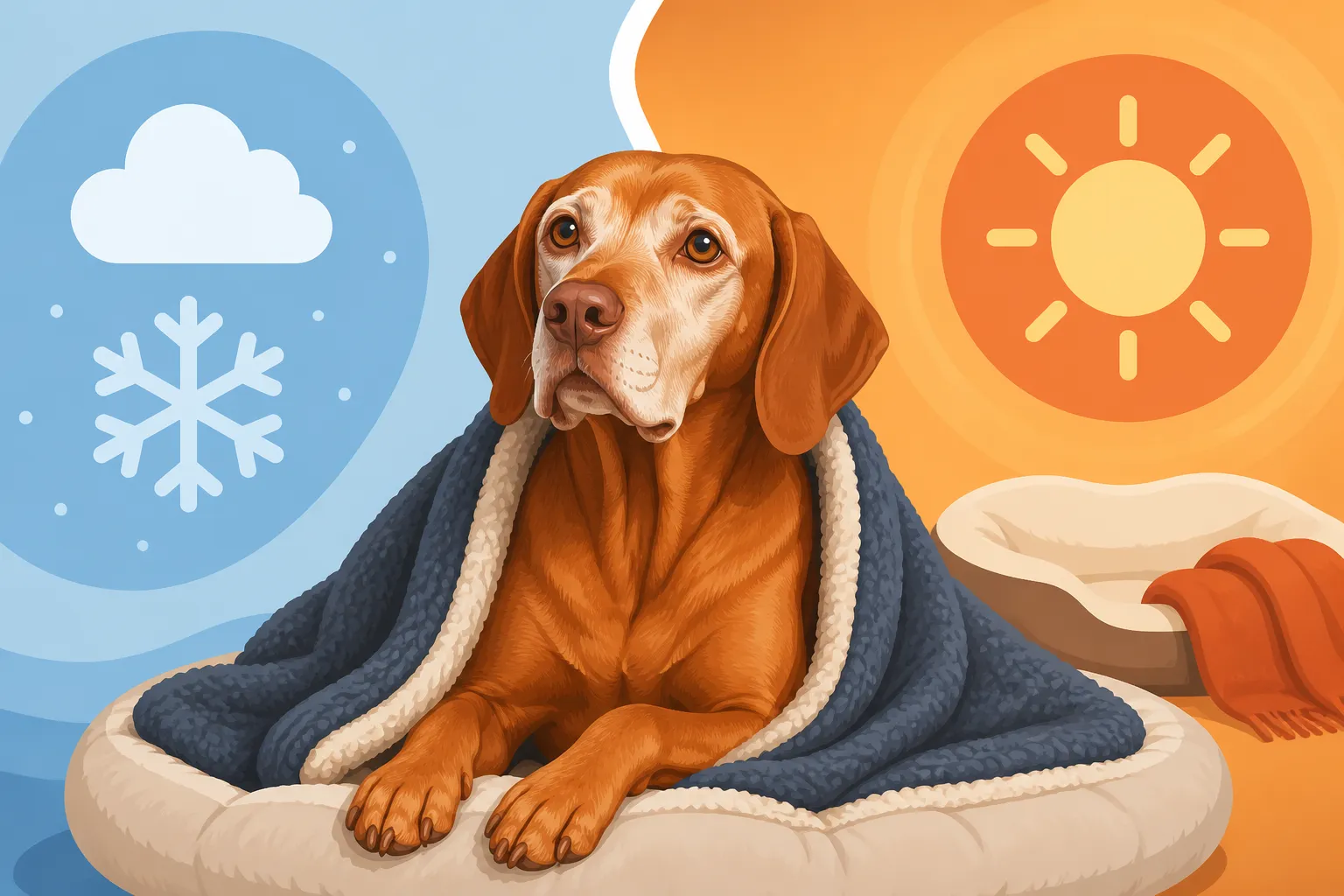
Beyond special beds, think about adding extra blankets to their favorite resting spots. Vizslas love to burrow, and an older Vizsla will appreciate soft, warm blankets they can nestle into. Consider dog sweaters or fleeces for indoor wear, especially if your home tends to be a bit drafty, or if your Vizsla spends a lot of time on hard, cool floors. Just like we put on a sweater when we're chilly in the house, a lightweight fleece can make a huge difference for them. Ensure the sweater fits well, isn't restrictive, and your dog is comfortable wearing it. For an extra layer of warmth, you might find that Whether an Old Vizsla Needs More Warmth means getting a dog-specific wearable blanket that your Vizsla can truly snuggle into, especially on those colder nights or if they're prone to shivering.
Outdoor Cold Weather Gear
Stepping outside, especially during cooler months, is where the thin-skinned Vizsla truly feels the bite. A well-fitting, insulated coat or jacket is no longer a luxury but a necessity for your senior Vizsla. Look for coats that cover a good portion of their back and belly, offering maximum protection. For rainy or snowy conditions, waterproof exteriors are essential to keep them dry, as wet fur provides no insulation. Whether a Vizsla Needs a Winter Jacket is almost a given for a senior Vizsla, particularly if they still enjoy their outdoor adventures or even just short walks around the block.
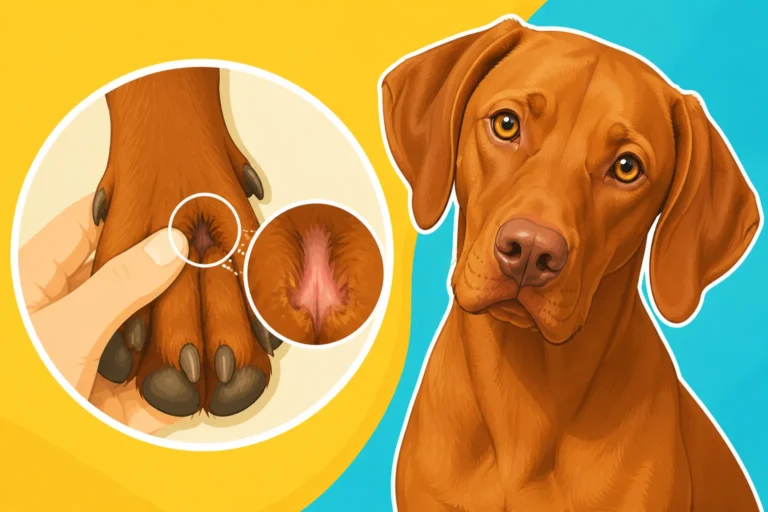
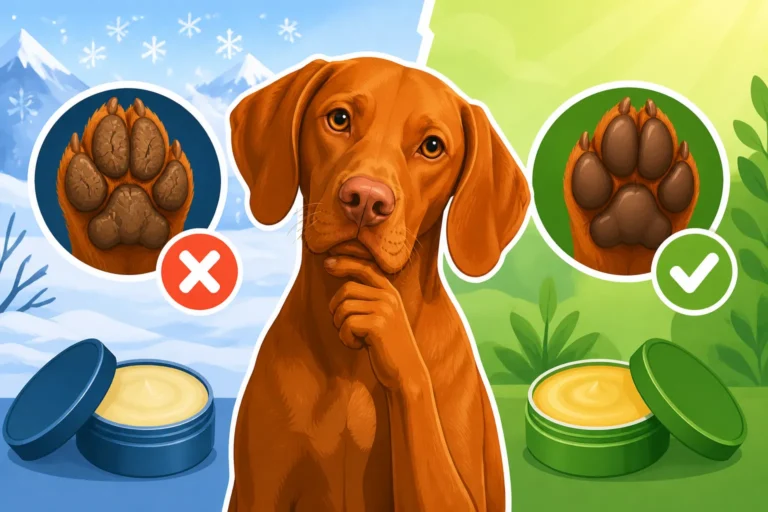
Beyond coats, don't forget their paws. Snow, ice, and especially road salt can be incredibly harsh and painful for sensitive paw pads. Consider dog boots for longer outings in snowy conditions, or at least a protective paw wax before walks. While some dogs take time to adjust to wearing boots, the comfort they provide can be invaluable. You might be surprised at how much more willing your old Vizsla is to venture out when their paws are protected. Whether a Vizsla Needs Boots in Winter isn't just about warmth, it's about preventing injury and making their outdoor experience more pleasant.
Adjusting Routines and Environment
Making a few adjustments to daily routines can also significantly impact your older Vizsla's comfort. Instead of one long walk on a cold day, consider several shorter, more frequent potty breaks. This limits their exposure to the cold while still allowing them to relieve themselves comfortably. Try to schedule walks during the warmest part of the day, typically midday, and avoid early mornings or late evenings when temperatures plummet.
Within the home, pay attention to where your Vizsla chooses to rest. If they're constantly trying to get under furniture or into tiny corners, they might be seeking shelter from drafts. Move their beds away from exterior doors or windows, and consider using draft stoppers. Even though Whether an Old Vizsla Should Still Hunt might be a consideration for some, even retired field dogs benefit from a comfortable home environment. Providing a designated warm, soft, and easily accessible bed is crucial. For an old dog with stiff joints, struggling to get onto a high bed or navigate stairs just to find a warm spot can be frustrating and even painful.
| Warming Method / Product | Description | Best Use Case | Pros | Cons |
|---|---|---|---|---|
| Dog Sweaters/Coats | Fabric garments, various materials (fleece, wool) | Indoor draft protection, outdoor walks | Easy to use, wide variety of styles, lightweight | Can be restrictive, not always warm enough for extreme cold, dogs can chew them |
| Heated Beds | Electrically warmed dog beds or mats | Resting, sleeping indoors, soothing for arthritis | Consistent warmth, therapeutic for joints, often orthopedic | Requires power, potential safety concerns if chewed/damaged, higher initial cost |
| Extra Blankets | Soft blankets for burrowing or layering | Adding warmth to existing beds/crates, travel | Inexpensive, versatile, easy to wash, no electricity needed | Can be pushed aside, not constant heat, not always enough insulation alone |
| Insulated Outdoor Gear | Waterproof, insulated winter coats | Winter walks, short outdoor stays, very cold weather | Protection from cold & wet, high visibility options, durable | More expensive, needs proper fit (can be bulky), some dogs dislike restrictive feel |
| Paw Protection (Boots/Wax) | Dog boots or protective paw balms | Snow, ice, road salt, cold/rough surfaces | Prevents frostbite, chemical burns, improves traction | Some dogs dislike boots, requires regular application of wax, can fall off |
Nutritional Support for Senior Warmth and Health
Just as we might reach for a warm meal to feel cozy on a chilly day, what goes into your Vizsla's bowl plays a crucial role in their internal warmth and overall health as they age. Their digestive system is still a furnace, and how you fuel it can impact their ability to generate and maintain body heat.
Fueling the Aging Metabolism
As mentioned, an older Vizsla’s metabolism tends to slow down. However, this doesn't always mean they need less food. Some senior Vizslas, especially those who still maintain a good level of activity or are prone to being lean, might actually need a diet specifically formulated to support their energy needs without causing weight gain. The type and quality of food become incredibly important. A high-quality senior dog food, often rich in easily digestible proteins and healthy fats, can help maintain muscle mass, which in turn aids in warmth generation.
It's a delicate balance because you don't want to overfeed a less active senior, but you also don't want them to lose precious body condition. For some Vizslas, a slight increase in calorie-dense food might be necessary, especially if you notice them losing weight during colder months. Conversely, if your senior has really slowed down, they might need a slight reduction to prevent unhealthy weight gain. It's truly individual. Brands like Ollie offer fresh food options that can be tailored to a dog's specific age, weight, and activity level, providing precise nutritional support that can make a difference in their overall vitality and ability to stay warm. Discussing Feeding an Old Vizsla That Has Slowed with your vet is always a good idea to ensure their diet is perfectly suited to their changing metabolism.
Supplements for Joint Health and Circulation
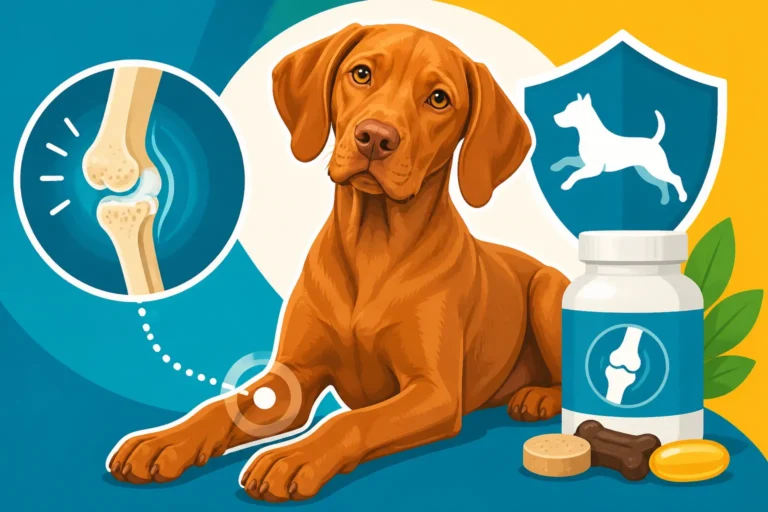
Beyond core nutrition, certain supplements can indirectly contribute to your Vizsla's warmth and comfort. Joint supplements, containing ingredients like glucosamine and chondroitin, are almost a given for senior Vizslas. By reducing joint pain and improving mobility, these supplements encourage your dog to move more freely. More movement means better circulation and increased natural body heat, making them less prone to feeling stiff and cold. When a dog is uncomfortable, they'll often stay still, which only makes them colder.
Omega-3 fatty acids, often derived from fish oil, are another excellent addition to a senior Vizsla's diet. Whether a Vizsla Needs Fish Oil isn't just about a shiny coat, though that's a nice benefit. These fatty acids support overall skin and coat health, which can improve the coat's natural insulating properties. They also have anti-inflammatory benefits for joints and can support cardiovascular health, leading to better circulation throughout the body. Good circulation is key to maintaining a consistent body temperature, ensuring that warmth reaches their extremities. As with any supplement, discuss it with your veterinarian to ensure it’s appropriate for your Vizsla's specific health needs. You can often find high-quality fish oil supplements on Chewy or Amazon.
When to Talk to Your Vet About Temperature Regulation
While many aspects of an aging Vizsla feeling the cold more are natural, it's crucial to understand when cold intolerance might be a symptom of an underlying health issue. Your veterinarian is your best partner in navigating these changes and ensuring your Vizsla's comfort and health.
Underlying Health Concerns
Sometimes, an increased sensitivity to cold can be an early indicator of a medical condition. For example, Thyroid Failure in a Vizsla, also known as hypothyroidism, can manifest as cold intolerance, along with weight gain, lethargy, and changes in coat quality. An underactive thyroid gland means a slower metabolism, which directly impacts the body's ability to generate heat. A simple blood test can diagnose this, and medication can often manage it effectively.
Other conditions, such as advanced arthritis or heart disease, can also contribute to a dog feeling colder. Arthritis pain might make them reluctant to move, leading to reduced circulation and warmth. Heart conditions can impair blood flow, especially to the extremities. Certain medications, too, might have side effects that influence temperature regulation. This is why regular veterinary check-ups are incredibly important for senior dogs. The Signs a Vizsla Is Getting Old include a range of changes, and your vet can help differentiate between normal aging and symptoms requiring intervention. Don't hesitate to bring up any concerns about your Vizsla's cold tolerance during these visits.
Creating a Comfort Plan with Your Vet
Your vet can help you develop a comprehensive comfort plan tailored to your senior Vizsla's specific needs. They can assess their overall health, conduct any necessary diagnostic tests, and rule out underlying medical conditions that might be contributing to their cold sensitivity. This might involve blood work, a thorough physical exam, and a discussion of their lifestyle and symptoms.
Beyond diagnosing and treating any medical issues, your vet can offer personalized advice on environmental modifications, dietary adjustments, and appropriate supplements. They might suggest specific types of warming beds, recommend a particular brand of coat, or advise on dietary changes to support their aging body and keep them warmer. They can also help you determine the appropriate level of exercise for your senior Vizsla, ensuring they stay active enough to maintain muscle and circulation without overdoing it, which can further deplete their energy and make them more susceptible to cold. Working together, you can ensure your beloved Vizsla remains as comfortable, warm, and happy as possible through their golden years.
Disclaimer
This article is for general informational purposes only and does not constitute professional advice. Laws, prices and regulations vary by location and change over time. Consult a qualified professional for guidance on your specific situation.