Whether a Vizsla Overheats Working in Heat
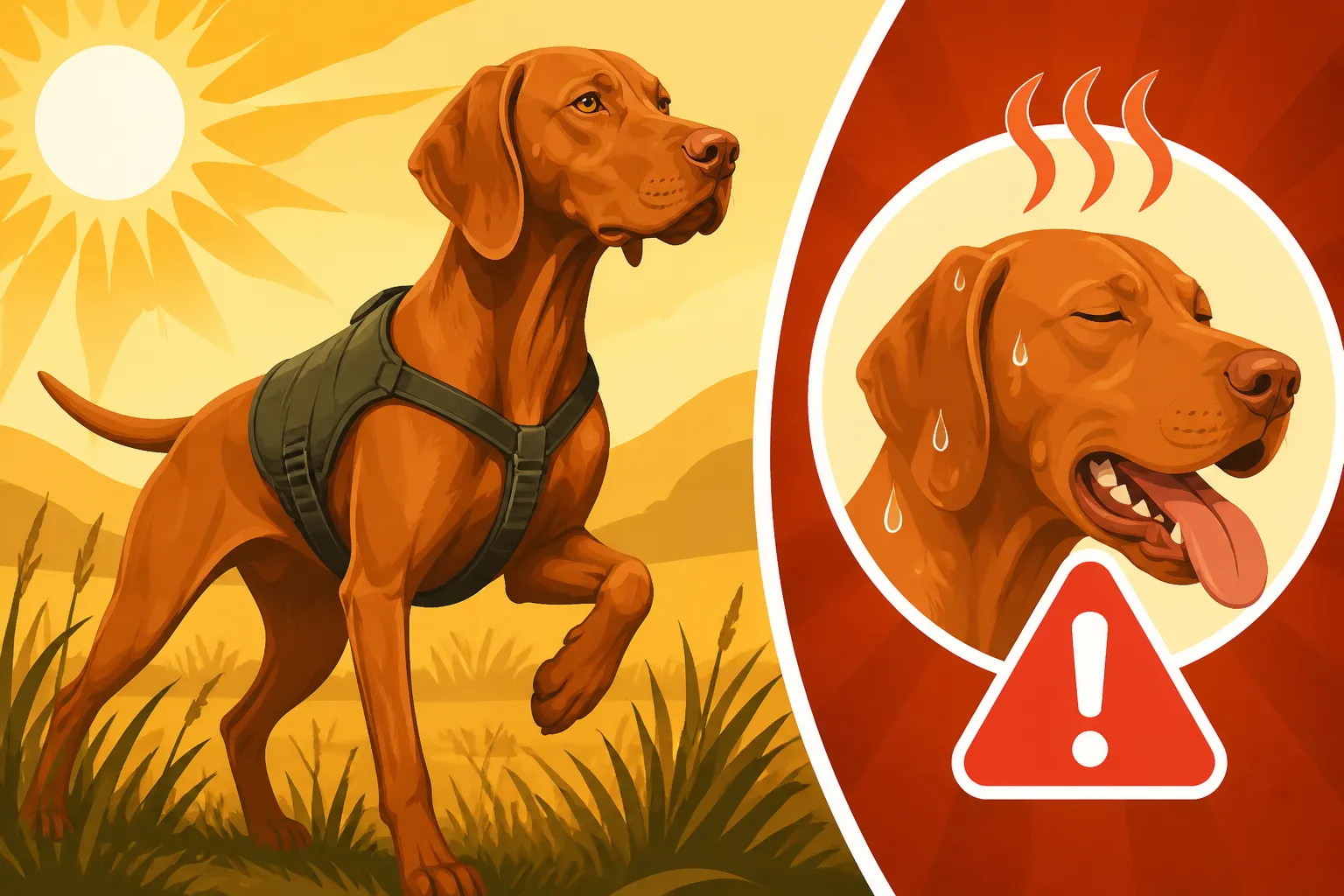
As a Vizsla owner, you know firsthand their boundless energy and unwavering drive. It's one of the things we adore about them, but it can also be a significant risk, especially when working or exercising in warm or hot weather. Many of us have felt that clutch of fear, seeing our beloved companion pushing themselves relentlessly, even as the mercury climbs, and worrying about the invisible threat of overheating. This guide is here to walk you through everything you need to know about why Vizslas are so prone to overheating, how to spot the signs of trouble, and most importantly, how to keep your dedicated hunting partner or energetic family member safe when the temperatures rise.
The Vizsla's Unique Vulnerability to Heat
Vizslas are magnificent athletes, built for endurance and speed in the field. However, these very traits, combined with their specific physical characteristics, make them particularly susceptible to overheating, far more so than some other breeds you might encounter. It's not just about the ambient temperature; it's a combination of factors that demand extra vigilance from us as their caregivers.
Their Single Coat and Lack of Undercoat
One of the defining features of a Vizsla is their striking golden-rust, short, dense coat. It's often described as being like velvet, beautiful to touch, and relatively easy to maintain. But that single layer, without a thick undercoat, means they have fewer layers of insulation to protect them from both cold and excessive heat. While a single coat can seem like a benefit in hot weather compared to a double-coated breed, it doesn't offer the same kind of reflective or insulative properties against direct sun exposure that some other coats might. It means their skin is more directly exposed to ambient heat and UV rays, and they can absorb heat quickly. For more on their unique coat, check out The Single Coat a Vizsla Has and Why It Changes Everything. This thin covering doesn't provide much buffer, making their internal temperature more reactive to external conditions. They don't have that insulating layer to trap cooler air against their skin or to reflect sun, meaning they are more vulnerable to the sun's direct heat.
Unrelenting Drive and the "Go Forever" Mentality
Perhaps the biggest factor contributing to a Vizsla's risk of overheating is their incredible, often seemingly inexhaustible, drive. These dogs were bred to work tirelessly, covering vast amounts of ground for long periods. They are driven by an instinct to hunt, retrieve, and please their owner, and they will often push themselves past the point of exhaustion or even danger without complaint. This "go forever" mentality is what makes them exceptional in the field, but it's also their Achilles' heel in hot conditions. A Vizsla might be showing early signs of heat stress, but their powerful urge to continue working or playing can override their natural inclination to slow down. They might ignore their body's signals, choosing instead to chase one more bird or retrieve one more dummy, until it's too late. This makes us, their owners, solely responsible for recognizing when they need to stop, even if they show no desire to do so. We cannot rely on them to self-regulate when their instincts are so strong.
Metabolism and Body Temperature Regulation
Vizslas are high-energy dogs with a fast metabolism. This means their bodies are constantly generating internal heat, even at rest. When they're actively working, running, and hunting, that metabolic heat production skyrockets. Dogs primarily cool themselves by panting, which allows moisture to evaporate from their respiratory tract, taking heat with it. They also sweat a little through their paw pads, but this is minor compared to panting. In high humidity, the evaporative cooling process becomes far less efficient because the air is already saturated with moisture. This means their core body temperature can rise rapidly, particularly if they are generating a lot of internal heat through strenuous exercise and the external environment doesn't allow for efficient cooling. Their lean build, while great for agility, also means less body mass to dissipate heat gradually, making them quicker to heat up and, unfortunately, quicker to reach dangerous internal temperatures.
Spotting the Danger Signs: From Heat Stress to Heatstroke
Recognizing the subtle, and then not-so-subtle, signs of overheating in your Vizsla is critical. Heat stress can quickly escalate to full-blown heatstroke, a life-threatening condition that requires immediate intervention. Many of us have missed the early cues, thinking our dog is just "tired" or "thirsty," only to realize later how serious the situation was. Don't fall into that trap; knowing what to look for can save your dog's life.
Early Indicators of Heat Stress
Before full-blown heatstroke sets in, your Vizsla will usually exhibit signs of heat stress. These are your red flags, your warning signals to stop activity immediately and begin cooling.
- Excessive Panting: While all dogs pant to cool down, if your Vizsla's panting becomes exaggerated, rapid, and shallow, almost like hyperventilating, it's a key sign. Their breaths might be noticeably labored, and their tongue might be hanging out further than usual, appearing wider and thicker.
- Bright Red Gums or Tongue: Check their gums. In a normal, healthy dog, they're typically a healthy pink. If they become very dark pink or even brick red, it indicates increased blood flow as the body tries to cool itself, and it's a serious warning.
- Seeking Shade or Lagging Behind: Even a driven Vizsla will eventually start trying to find cooler spots if they're overheating. They might slow their pace, drag behind you, or actively seek out patches of shade. This is them trying to tell you they need a break.
- Reduced Coordination or Stumbling: As their body temperature rises, their nervous system can be affected. They might appear clumsy, stumble, or have a wobbly gait. This is a very concerning sign that things are progressing past simple heat stress.
- Glazed Eyes: Their eyes might appear unfocused, glassy, or "glazed over," indicating they're not quite with it.
- Thick, Ropy Saliva: Instead of normal watery drool, their saliva might become thick, sticky, and excessive, indicating dehydration and the body's struggle to produce enough cooling moisture.
If you see any of these signs, even mild ones, stop immediately. Do not push your dog further.
Recognizing Full-Blown Heatstroke
Heatstroke is an emergency. It occurs when a dog's core body temperature rises to a dangerously high level, typically above 104-105°F (40-40.5°C), overwhelming their body's ability to cool itself. This can lead to multi-organ failure, brain damage, and death if not treated quickly. The transition from heat stress to heatstroke can be frighteningly fast in a Vizsla.
- Vomiting and Diarrhea: Often, the first dramatic sign of heatstroke will be vomiting, which may be bloody, and severe diarrhea, sometimes black or tarry, indicating internal damage.
- Collapse or Seizures: Your Vizsla might suddenly collapse, be unable to stand, or experience seizures. This is a critical stage where brain function is severely compromised.
- Unconsciousness: As the body shuts down, they may become unresponsive or lose consciousness.
- Tremors or Muscle Spasms: Involuntary muscle movements can occur as the nervous system is affected.
- Rapid or Irregular Heartbeat: Their heart will be working overtime to try and circulate blood and cool the body.
- Pale or Bluish Gums: In later stages, circulation can fail, leading to pale or even bluish (cyanotic) gums, indicating a lack of oxygen.
Recognizing these signs means you have moments, not hours, to act. Time is of the essence. For more details on what to watch for, see Signs a Vizsla Is Overheating.
Here's a quick comparison of key indicators:
| Symptom | Heat Stress (Early Warning) | Heatstroke (Emergency) |
|---|---|---|
| Panting | Excessive, rapid, deep | Extreme, labored, shallow, possibly gasping |
| Gums | Very red, dark pink | Brick red, pale, or bluish (late stage) |
| Tongue | Wide, extended, dark red | Swollen, dark red to purple |
| Energy/Movement | Seeking shade, lagging, reluctant to move | Stumbling, collapsing, unable to stand, seizures, coma |
| Saliva | Thick, ropy, excessive | Very thick, sticky |
| GI Signs | Thirsty | Vomiting (possibly bloody), diarrhea (possibly bloody/tarry) |
| Mental State | Anxious, restless, uncomfortable | Disoriented, unresponsive, unconscious |
| Other Physical | Warm to touch | Burning hot, tremors |
Why Every Second Counts
The damage caused by heatstroke is progressive and cumulative. Every minute that your Vizsla's core body temperature remains dangerously high, more cellular damage occurs, particularly to vital organs like the brain, kidneys, liver, and heart. The internal processes start to break down, leading to a cascade of complications like disseminated intravascular coagulation (DIC), which affects blood clotting. This is why immediate, effective cooling and veterinary attention are absolutely non-negotiable. Delaying treatment by even a few minutes can significantly worsen the prognosis and increase the likelihood of permanent organ damage or fatality.
Proactive Strategies for Preventing Overheating
Prevention is always better than cure, especially when it comes to something as dangerous as heatstroke. As Vizsla owners, we have a responsibility to be hyper-vigilant and implement smart strategies to keep our dogs safe. Their drive means they often won't tell us they're in trouble until it's critical, so it's up to us to manage their environment and activity levels.
Timing Your Workouts and Hunts Wisely
This is perhaps the most straightforward and effective preventative measure. Avoid the hottest parts of the day like the plague.
- Early Mornings: Get out with your Vizsla at dawn, when the air is coolest and the sun is least intense. This allows for a good, vigorous run or training session before the heat really kicks in.
- Late Evenings: Similarly, wait until the sun has set and the air temperature has significantly dropped. Remember that asphalt and concrete can retain heat for hours after the sun goes down, so check surfaces with the back of your hand. If it's too hot for your hand, it's too hot for their paws.
- Check the Forecast: Always check the weather forecast, paying attention not just to temperature but also to humidity. High humidity dramatically increases the risk of overheating. A 75-degree day with 90% humidity can be far more dangerous than an 85-degree day with dry air. Consider that Whether a Vizsla Should Run at Midday is almost always a "no" in warm climates.
Hydration is Paramount
Water is essential for cooling. Your Vizsla needs access to fresh, cool water constantly, especially before, during, and after any activity in warm weather.
- Pre-Hydration: Ensure your Vizsla drinks plenty of water an hour or two before any planned activity.
- Water Breaks During Activity: Carry ample water with you and offer it frequently. Don't wait for your dog to seem thirsty; proactively offer water every 15-20 minutes during exercise. Collapsible bowls, easily found on Amazon or Chewy, are indispensable.
- Encourage Drinking: Some dogs are too excited to drink. Take a few minutes, find a shady spot, and offer water calmly. You can even add a splash of low-sodium broth to encourage them to drink more.
- Electrolyte Replenishment: For longer, more intense sessions, especially on hot days, consider adding canine-specific electrolyte supplements to their water. These help replace lost salts and minerals, which can be crucial for preventing dehydration. For more on this, look into Whether a Vizsla Needs Electrolytes on a Long Hunt.
Essential Cooling Gear and Accessories
Technology and clever design offer several tools to help keep your Vizsla cool.
- Cooling Vests/Coats: These vests are designed to be soaked in water and then placed on your dog. As the water evaporates, it draws heat away from their body. Brands like Ruffwear or The Chillout come to mind, and you can often find a good selection on Chewy or Amazon. Make sure it fits well and doesn't restrict movement. A good cooling vest can significantly lower core body temperature, especially during rests. A cooling vest is a definite yes for many Vizslas.
- Cooling Mats: For rest periods, a cooling mat can be invaluable. These typically contain a gel that activates with pressure, providing a cool surface for your dog to lie on. Place them in their crate or bed.
- Paw Protection: Hot pavement can cause painful burns and also hinder a dog's ability to cool down through their paw pads. Consider paw wax or even protective boots if you must be on hot surfaces. Brands like Musher's Secret for paw wax are great for overall paw health.
- Portable Fans: Battery-operated fans can be clipped to crates or carried to provide a breeze during breaks or while traveling.
- Shade Structures: If you're out in the field, a small, portable shade tent can offer a crucial respite from direct sun during breaks.
Acclimatization and Conditioning
Don't expect your Vizsla to jump from a cool spring into a hot summer's intense workout. Their bodies need time to adjust.
- Gradual Increase: Slowly increase the duration and intensity of exercise as the weather warms up. Start with shorter sessions and gradually extend them over a period of weeks.
- Build Stamina in Moderate Weather: Focus on building endurance and fitness during milder weather so they are in peak condition before the heat truly arrives. A well-conditioned dog generally handles temperature extremes better than an unfit one, though not without limits.
- Monitor Closely: During the acclimatization period, monitor your Vizsla even more closely for any signs of discomfort or heat stress.
Adjusting Activity Levels
Sometimes, the best prevention is simply to say no to strenuous activity.
- Shorten Sessions: On warm days, even if it's not scorching, cut your exercise sessions shorter. A 30-minute intense run in 80-degree weather is very different from the same run in 50-degree weather.
- Switch to Mental Stimulation: Instead of physical exertion, engage your Vizsla with scent work, puzzle toys, or obedience training indoors or in the coolest part of the day. Mental exercise can be just as tiring for a Vizsla as physical, without the risk of overheating. This is important for their well-being, as The Two Hours a Vizsla Needs Before It Will Settle still holds true, but the type of activity must be adjusted.
- Water Activities: If your Vizsla enjoys swimming, this can be a fantastic way to cool down and get exercise, provided the water is clean and safe, and they are always supervised. Remember to dry their ears thoroughly afterward to prevent infections.
Emergency Response and Post-Incident Care
Despite our best efforts, accidents can happen. If your Vizsla shows signs of heatstroke, knowing exactly what to do in those critical first moments can mean the difference between life and death. Acting swiftly and calmly is paramount.
Immediate First Aid in the Field
If you suspect your Vizsla is experiencing heatstroke, every second counts.
- Stop Activity Immediately: Get your dog out of the sun and away from any strenuous activity. Move them to the coolest, shadiest spot you can find.
- Start Cooling: This is the most crucial step.
- Apply Cool Water: Liberally douse your dog with cool (not ice cold) water. Focus on areas with good blood flow: the head, neck, armpits, and groin. You can use a hose, bottles of water you brought, or even standing water if you're desperate and it's clean enough. Do not use ice water, as this can cause the blood vessels to constrict, trapping heat inside, and can lead to shock.
- Wet Towels: If you have towels, soak them in cool water and place them over your dog's back, neck, and chest. Change them frequently as they warm up.
- Fan: If available, use a portable fan or even fan them manually to aid evaporative cooling.
- Offer Small Amounts of Water: If your dog is conscious and able to swallow, offer small sips of cool water. Do not force them to drink, as they could aspirate it.
- Monitor Temperature (If Possible): If you carry a rectal thermometer and know how to use it safely, take your dog's temperature. Aim to get it down to around 102.5-103°F (39.2-39.4°C). Once it reaches this point, stop active cooling to prevent hypothermia.
- Contact Your Vet: Even as you begin cooling, call your veterinarian or the nearest emergency vet clinic. Inform them of your situation and estimated arrival time. This allows them to prepare for your arrival, potentially saving precious minutes.
- Transport Carefully: Once initial cooling has begun and your dog is somewhat stable, get them to the vet immediately. Continue cooling during transport if possible (e.g., with wet towels and AC in the car). For tips on what to carry, consider What a First Aid Kit for a Hunting Vizsla Holds.
When to Seek Veterinary Care
The answer is simple: always, after any suspected heatstroke incident. Even if your Vizsla appears to recover quickly with your first aid, internal damage may have occurred that isn't immediately visible. Heatstroke can lead to:
- Kidney Failure: Toxins released from damaged tissues can overwhelm the kidneys.
- Liver Damage: The liver is highly susceptible to heat damage.
- Brain Swelling: High temperatures can cause brain cells to swell, leading to neurological issues or permanent damage.
- Blood Clotting Disorders (DIC): A serious complication where the body's clotting mechanisms go haywire, leading to both excessive bleeding and clotting.
- Heart Muscle Damage: The heart works incredibly hard during heatstroke and can sustain damage.
Your vet will perform blood tests to check organ function, administer IV fluids to combat dehydration and flush toxins, and monitor for complications. They may also provide medications to address specific symptoms. Never assume your Vizsla is "fine" just because they seem to have bounced back; a hidden ticking time bomb could be present.
Long-Term Management After an Overheating Incident
A Vizsla that has experienced heatstroke is unfortunately more susceptible to future episodes. It's crucial to adjust your approach moving forward.
- Vet Follow-Up: Adhere strictly to your vet's recommendations for follow-up appointments and ongoing monitoring. This might include repeat blood work to ensure organs have fully recovered.
- Extreme Caution: Become even more conservative about exercising your Vizsla in warm weather. Re-evaluate your previous thresholds for temperature and humidity. Their body's ability to cope with heat may be permanently compromised.
- Permanent Adjustments: You might need to permanently shift your activity schedule, rely more heavily on cooling gear, or even reduce the intensity of their work in certain seasons. It’s about ensuring they live a long, healthy life, which means sometimes protecting them from their own incredible drive. Checking a Vizsla Over After a Hunt should become an even more meticulous routine.
Nutritional and Environmental Considerations for Hot Weather
Beyond direct cooling and avoiding peak heat, there are other aspects of care that can support your Vizsla's ability to handle warmer temperatures. A holistic approach to their well-being ensures they are as resilient as possible against the challenges of heat.
Adjusting Diet for Hot Weather Performance
What and when your Vizsla eats can impact their ability to stay cool and perform safely in the heat. Digestion itself generates heat, so heavy meals before strenuous activity are generally not a good idea.
- Lighter, Smaller Meals: On hot days or before planned activity, consider feeding smaller, more frequent meals rather than one large one. This reduces the digestive load and associated heat production.
- Timing Meals: Feed meals well in advance of exercise (at least 2-3 hours) or after the activity is complete and your dog has cooled down. Whether a Vizsla Should Rest an Hour After Eating is good advice in general, but especially critical in hot weather.
- Hydrating Foods: Some owners opt for wet food or add water to kibble to increase fluid intake, which can be particularly beneficial. Brands like Ollie, which offers fresh, moisture-rich dog food, might be an option if you’re looking to boost hydration through diet, though always check with your vet for suitability for working dogs.
- Performance Formulas: While your Vizsla needs fuel, particularly if they are a working dog, ensure their diet is balanced and easily digestible. A high-quality performance kibble, readily available from retailers like Chewy, can provide the necessary energy without excessive filler, but you might adjust the volume or timing of those meals during hot periods. For more about their diet, see Feeding a Vizsla That Burns Everything It Eats.
Creating a Cool and Safe Environment
When your Vizsla isn't working, their home environment should be a haven from the heat.
- Shaded Rest Spots: Ensure they always have access to ample shade outdoors. This might mean strategically planting trees, using shade cloths, or providing a covered kennel.
- Indoor Access: On truly hot days, your Vizsla should primarily be indoors in an air-conditioned or well-ventilated space. Their short coat offers little protection from the elements, and their sensitive skin can burn. Remember The Cold a Vizsla Genuinely Cannot Handle also implies they don't do well with extremes in either direction.
- Cooling Mats and Elevated Beds: Inside, provide cooling mats or elevated beds that allow air to circulate beneath them. These are especially appreciated by a dog that has just come in from a brief outdoor excursion.
- Ventilation: If you don't have AC, open windows on opposite sides of the house to create a cross-breeze. Use fans to circulate air.
- Avoid Hot Surfaces: Keep your Vizsla off hot asphalt, concrete, or sand. Their paw pads can burn very quickly, and hot surfaces can radiate heat up into their bodies. Test the surface with your hand for five seconds; if it's too hot for you, it's too hot for them.
Monitoring for Sunburn
Vizslas have short, fine hair and often sensitive skin, making them prone to sunburn, especially on lighter-pigmented areas.
- Pale Noses and Bellies: Pay particular attention to their nose (especially if it's a lighter color), the tips of their ears, and their thinly haired belly and inner thighs. These areas can burn quickly. Sunburn and the Pale Vizsla Nose is a real concern.
- Canine Sunscreen: On sunny days, consider applying a veterinarian-approved, non-toxic sunscreen to these vulnerable areas if they will be spending time outdoors. Never use human sunscreen, as many contain ingredients toxic to dogs.
- Clothing Protection: For extended sun exposure, a lightweight, UV-protective dog shirt or vest can provide a physical barrier against the sun's rays. These are often made of technical wicking fabrics and can be helpful during water breaks too.
By being proactive, understanding their unique needs, and being prepared for emergencies, you can ensure your beloved Vizsla remains a happy, healthy companion for many years, even when the temperatures rise.
Disclaimer
This article is for general informational purposes only and does not constitute professional advice. Laws, prices and regulations vary by location and change over time. Consult a qualified professional for guidance on your specific situation.