Whether a Vizsla Suits an Allergy Household
It's a common, heartbreaking scenario: you fall head over heels for the stunning, spirited Vizsla, imagining them as part of your family, only to have a family member’s allergies rear their ugly head. The dream feels crushed, and you start desperately searching for answers, hoping against hope that perhaps this beautiful, sleek breed might somehow be "different." This guide is here to unravel the truth about Vizslas and allergies, offering a realistic perspective and practical advice for navigating this challenging situation.
The Myth of the Truly Hypoallergenic Dog
Let's cut right to the chase: no dog breed, including the Vizsla, is truly 100% hypoallergenic. It’s a term that gets thrown around a lot, often leading to disappointment and sometimes even the rehoming of beloved pets when families realize their allergies persist. The frustration and confusion around this term are completely valid because it creates a false sense of security for allergy sufferers.
The real culprit behind most pet allergies isn't the hair itself, but rather the dander – tiny flakes of skin that all animals shed. These microscopic flakes carry proteins that trigger allergic reactions in sensitive individuals. Dogs also have allergenic proteins in their saliva and urine, which can become airborne when they groom themselves or when dander dries and becomes part of the household dust. So, while a dog might have a short coat or shed less visible hair, they still produce dander, and that dander is the primary issue. The length or amount of hair a dog has simply impacts how much dander is trapped or dispersed.
When people hear "hypoallergenic," they often associate it with breeds that don't shed much, like Poodles or Portuguese Water Dogs. While these breeds might release less dander into the environment because their hair traps it and needs regular grooming, they still produce it. A Vizsla's single, fine coat means that while they might not leave tumbleweeds of fur like some double-coated breeds, their dander is still very much present and can easily become airborne, settling on furniture, carpets, and circulating through the air. The notion that a short-coated dog is inherently better for allergies is unfortunately a widespread misconception that needs to be addressed head-on.
Unpacking the Vizsla Coat and Allergy Triggers
The Vizsla's distinctive golden-rust coat is one of its most striking features, but it's also a significant factor when considering allergies. Unlike many breeds, Vizslas possess a single coat, meaning they lack an insulating undercoat. While this gives them that sleek, almost velvety appearance, it also influences how they shed and how dander is dispersed.
Vizsla Shedding Habits
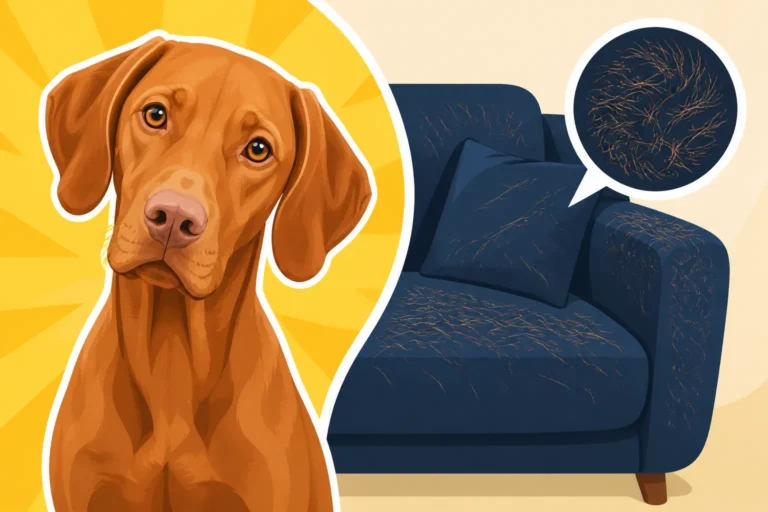
Despite their short hair, Vizslas do shed. They shed all year round, not just seasonally. It’s a common surprise for new Vizsla owners who assumed a short-coated dog meant no shedding. Instead of large clumps of fur, you'll find fine, stiff, golden hairs that seem to weave themselves into upholstery, clothing, and carpets. These hairs, of course, carry dander. Because the hairs are so fine and relatively short, they often don't clump together like the fur from a Labrador or a Golden Retriever, which can make them harder to see but no less pervasive. Think of it as a constant, fine sprinkle rather than a seasonal downpour. This continuous shedding means a continuous release of dander into your home environment. If you're hoping for a completely dander-free experience, a Vizsla won't provide it. You might want to read more about How Much a Vizsla Sheds.
Skin Health and Dander Production
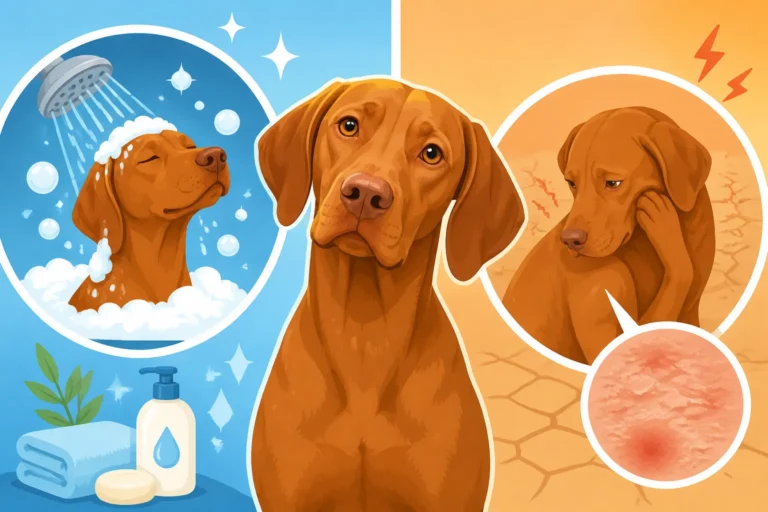
A Vizsla's skin health plays a direct role in dander production. Healthy skin produces fewer flakes. Vizslas, with their thin skin and often active lifestyles, can sometimes be prone to skin irritations, dryness, or even allergies themselves. When a Vizsla's skin is dry, itchy, or irritated, it can lead to increased scratching and flaking, which in turn means more dander released into the environment. Conditions like environmental allergies or food sensitivities can manifest as skin issues, creating a vicious cycle for an allergy-sensitive household. Maintaining optimal skin health through diet and appropriate grooming is crucial, not just for the dog's comfort but also for minimizing allergen load. Our blog also has some detailed information on Managing a Vizsla's Skin for Life.
Environmental Impact of Dander
The way a Vizsla lives also affects dander dispersion. These are "Velcro Vizslas" after all; they want to be right beside you, on the sofa, in your bed, wherever you are. This close contact means dander and saliva proteins are easily transferred to furniture, bedding, and clothing. If your Vizsla curls up under the covers with you, as many do, your sleeping environment becomes a significant allergen reservoir.
Furthermore, their active nature means they're constantly moving, stirring up settled dander, and bringing in outdoor allergens. If they're running through fields or swimming in ponds, they can pick up environmental allergens like pollen, dust, and mold spores, bringing them indoors and exacerbating human allergies, even if the primary trigger is dog dander. It's a multi-faceted problem that requires a multi-pronged approach to manage.
Strategies for Allergy Sufferers Living with a Vizsla
So, you love Vizslas, and someone in your home has allergies. Don't despair entirely, but be prepared for a dedicated management routine. Living with a Vizsla when allergies are present is absolutely possible, but it requires consistent effort and a realistic understanding of what you're up against.
Consistent Grooming Practices
Regular grooming is your first line of defense against dander. This isn't just about making your Vizsla look good; it's about actively removing dander and loose hair before it has a chance to spread widely.
- Frequent Brushing: Daily brushing, even for a short-coated dog, can make a huge difference. Use a rubber curry brush or a grooming mitt, as these are excellent for capturing loose hair and dander from a Vizsla's fine coat. Doing this outside or in a contained area (like a laundry room) where allergens can be easily cleaned is ideal.
- Regular Bathing: Bathing helps wash away dander and other allergens. How often is a bit of a balancing act; too frequently can dry out their skin, leading to more flaking. Aim for every 2-4 weeks with a gentle, hypoallergenic shampoo designed for dogs. You can find excellent options on retailers like Chewy or Amazon. Make sure to rinse thoroughly to avoid skin irritation.
- Wipe Downs: In between baths, consider daily wipe-downs with a damp cloth or pet-friendly grooming wipes to remove surface dander. This is especially helpful after outdoor adventures.
Environmental Control Measures
Your home environment is where allergens accumulate, so controlling them there is paramount. This goes beyond just vacuuming occasionally.
- Dedicated "Dog-Free" Zones: If possible, establish certain areas of your home, especially bedrooms, as pet-free zones. This creates a sanctuary for the allergy sufferer. Invest in high-quality mattress and pillow covers that are allergen-proof.
- High-Efficiency Particulate Air (HEPA) Filters: Install HEPA filters in your HVAC system and use stand-alone HEPA air purifiers in frequently used rooms, particularly the living room and bedrooms. These can significantly reduce airborne dander.
- Frequent Cleaning: Vacuuming with a HEPA-filtered vacuum cleaner at least 2-3 times a week is essential. Wash bedding, including your Vizsla's bed, weekly in hot water. Hard flooring is generally preferable to carpets, as carpets trap dander. If you have carpets, consider professional steam cleaning periodically. Wipe down hard surfaces with a damp cloth to remove settled allergens.
- Wash Hands: Encourage everyone, especially children, to wash their hands immediately after petting or playing with the Vizsla.
Dietary Considerations
What your Vizsla eats can impact their skin and coat health, and by extension, their dander production.
- High-Quality Diet: Feed a premium dog food that supports skin and coat health. Look for formulas rich in Omega-3 and Omega-6 fatty acids. Brands like Ollie often offer fresh, balanced diets that can contribute to overall skin vitality, leading to less dryness and flaking.
- Supplements: Discuss with your vet whether Omega fatty acid supplements (like fish oil) or other skin-supporting supplements could benefit your Vizsla. Healthy skin means less dander.
Personal Management for Allergy Sufferers
For the individual with allergies, a few personal strategies can also help.
- Medication: Over-the-counter antihistamines or prescribed allergy medications can help manage symptoms. Consult with an allergist to determine the best course of action.
- Immunotherapy (Allergy Shots): For severe allergies, an allergist might recommend immunotherapy, which can desensitize a person to specific allergens over time. This is a significant commitment but can offer long-term relief.
- Gloves and Masks: When grooming your Vizsla, the allergy sufferer might find it helpful to wear gloves and even a mask to minimize direct contact with dander.
Making an Informed Decision for Your Allergy Household
Bringing a Vizsla into a home with allergies is a significant decision that shouldn't be taken lightly. It requires a deep commitment from everyone in the household to manage the environment and the dog's care diligently.
Consider a "Trial Run"
If you're seriously considering a Vizsla, try to spend extended time with a Vizsla – perhaps fostering one temporarily through a breed rescue, or housesitting for a friend with a Vizsla. This isn't a perfect test, as every dog produces different levels of dander and every person reacts differently, but it can give you a realistic idea of the impact. Be aware that it often takes time for allergens to build up in a home environment and for a full allergic reaction to manifest. A quick visit might not tell the whole story.
Discuss with Your Allergist
Before making any commitments, have a frank discussion with your allergist. They can offer guidance based on the severity of your allergies and suggest tests to identify specific triggers. They can also advise on the most effective medical management strategies.
The Long-Term Commitment
Remember, a Vizsla is a lifelong commitment. The measures required to manage allergies will also be lifelong. Factor in the potential costs of allergy medications, air purifiers, specialized grooming supplies (many available on Amazon), and potentially vet visits for your dog's skin health when considering What a Vizsla Costs a Year to Keep. The initial allure of a beautiful dog needs to be balanced with the practical realities of daily life for years to come.
While a Vizsla is an amazing companion, bursting with energy and affection, they are not a "hypoallergenic" breed. Managing allergies with a Vizsla in the home is a serious undertaking, but with consistent effort and realistic expectations, it can be a manageable journey for many dedicated families.
Disclaimer
This article is for general informational purposes only and does not constitute professional advice. Laws, prices and regulations vary by location and change over time. Consult a qualified professional for guidance on your specific situation.