Whether a Vizsla’s Nose Turns Pink in Winter
It's always a little startling, isn't it, when you notice a change in your beloved Vizsla? One moment their beautiful, self-colored nose is that perfect golden-rust, matching their coat, and the next, it seems to be fading to a lighter, almost pinkish hue. This can be particularly noticeable during the colder months, leading many Vizsla parents to wonder if something is wrong. Rest assured, while any change warrants attention, a lighter nose in winter is often a very common, and usually harmless, phenomenon. This guide will help you understand why your Vizsla's nose might turn pink in winter, what it means for their health, and when you might need to seek veterinary advice.
Understanding "Snow Nose" in Vizslas and Other Breeds
That striking, perfectly matched nose is one of the Vizsla's signature traits, a beautiful complement to their rich golden-rust coat. So, when that pigment starts to recede, it's natural to feel a pang of worry. But often, what you're seeing is a phenomenon affectionately known as "snow nose" or "winter nose."
What is "Snow Nose" or "Winter Nose"?
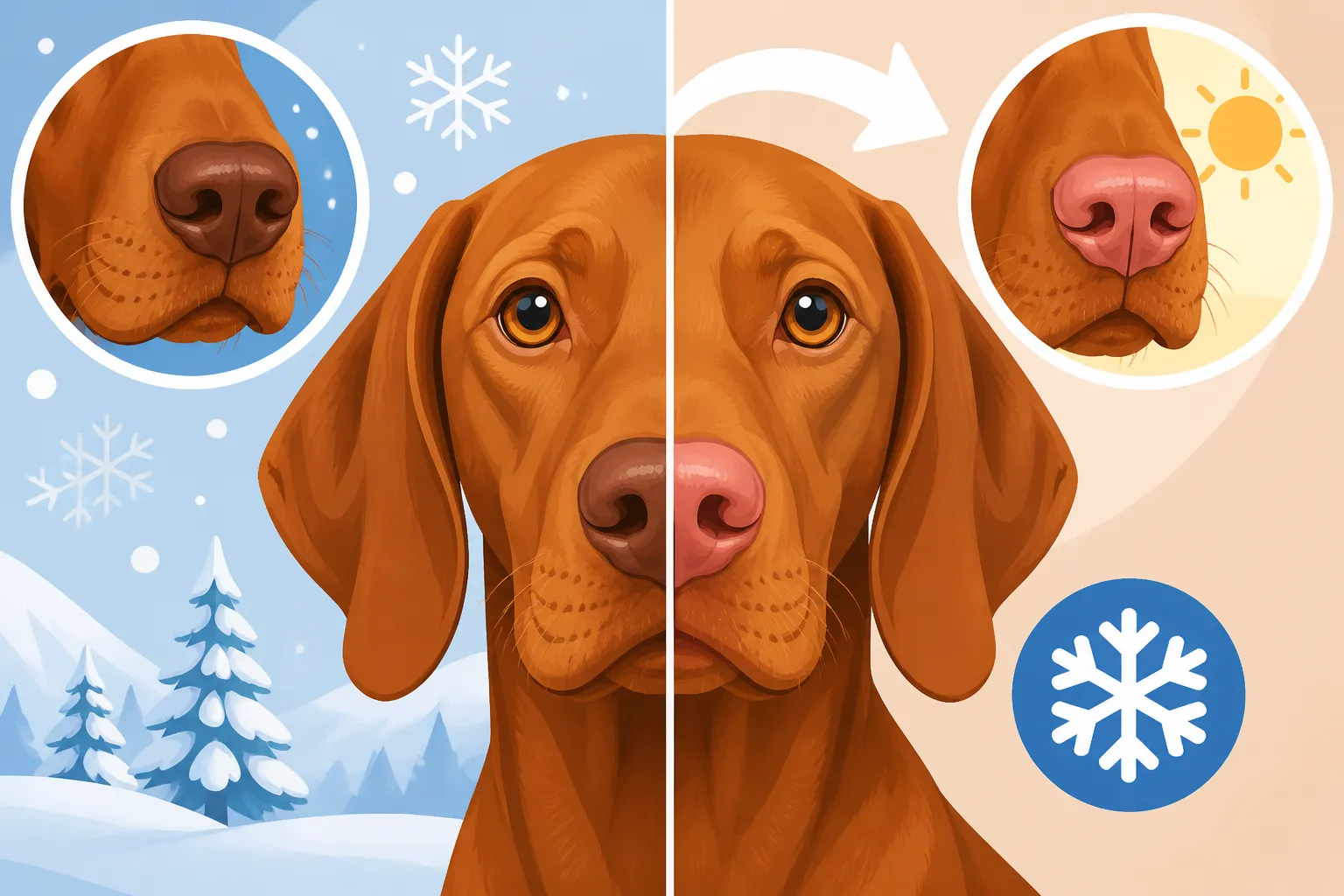
"Snow nose" is essentially a temporary loss of pigment in a dog's nose, most commonly observed during the colder, darker months of the year. Instead of the usual dark brown or black, the nose leather can lighten to a pinkish or liver color. It’s not a disease, but rather a cosmetic change linked to environmental factors. Think of it like a tan fading on your own skin after summer; it's a natural, physiological response, not usually an indicator of illness. The exact mechanism isn't fully understood, but it's strongly believed to be connected to the decreased activity of an enzyme called tyrosinase.
This tyrosinase enzyme plays a crucial role in the production of melanin, the pigment responsible for skin and hair color. In colder temperatures, or with reduced exposure to sunlight, this enzyme's activity can slow down. When tyrosinase isn't as active, less melanin is produced, and the nose loses some of its darker pigment. This change is almost always temporary, and as the days lengthen and warm up in spring, the nose typically darkens again. It's a completely benign condition, meaning it doesn't cause discomfort, pain, or health issues for your dog.
Is it Common in Vizslas?
While "snow nose" is widely recognized in breeds like Siberian Huskies, Golden Retrievers, and Bernese Mountain Dogs, it's also something you might observe in your Vizsla. With their naturally self-colored nose – meaning it's not black, but rather a lighter, liver or reddish-brown that matches their coat – any subtle shift in pigment is going to be far more noticeable than on a dog with a solid black nose.
Because Vizslas already have a genetically determined lighter nose pigment compared to many other breeds, the enzymes responsible for that pigment might be more susceptible to the slight seasonal dips in activity. You might see the color lighten uniformly, or perhaps starting at the edges, slowly creeping inward. It's not necessarily a sign of a fault or a problem with their breeding; it's simply a visible expression of their genetic makeup interacting with their environment. It’s just one of those unique characteristics that can pop up in our wonderful, sensitive Vizslas.
The Science Behind the Winter Nose Color Change
It's fascinating to delve a little deeper into why these changes occur. When you notice your Vizsla's nose looking a bit paler, you're observing a mini-science experiment playing out right on their face! Understanding the biological processes can help alleviate any lingering concerns.
The Role of Melanin and Tyrosinase
At the heart of any pigment change in a dog's skin or hair is melanin. This complex polymer is what gives color to everything from our skin and hair to their beautiful coats and, yes, their noses. The darker the pigment, the more concentrated and active the melanin production. The key player in this production chain is an enzyme called tyrosinase. Think of tyrosinase as the tiny factory worker responsible for building melanin.
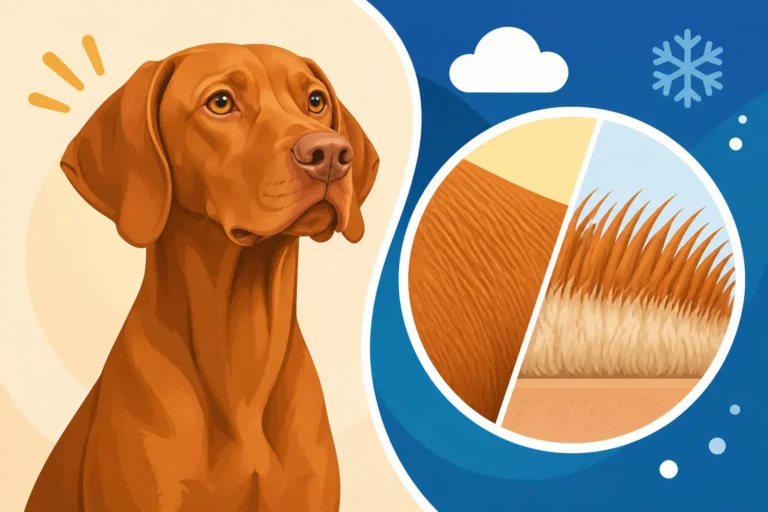
When temperatures drop, particularly during those frosty winter months, the activity of this tyrosinase enzyme can become sluggish. It's like the factory worker gets a bit cold and slows down production. Less active tyrosinase means less melanin is produced, and consequently, the nose leather appears lighter. It's a localized effect; the enzyme in other parts of their body might not be as affected. Additionally, the shorter daylight hours and weaker sunlight in winter mean less UV radiation, which also plays a role in stimulating melanin production. This combination of factors leads to the temporary depigmentation you see. For a Vizsla, whose nose is already a shade of liver or self-colored, this temporary reduction can shift it towards a noticeable pink.
When Does the Color Change Happen and How Long Does It Last?
Typically, you'll start to notice this change as the autumn leaves fall and the temperatures begin their steady decline. It might be a gradual process, almost imperceptible at first, perhaps just a slight lightening around the nostrils or down the bridge of the nose. Then, over a few weeks or months, the pinkish hue becomes more pronounced. It's a very symmetrical change, affecting the entire nose leather relatively evenly, which is a key indicator that it's just "snow nose" and not something more concerning.
The good news is that this change is almost universally temporary. As winter gives way to spring, and the sun's rays grow stronger and the air warms up, that tyrosinase enzyme gets back to work. Melanin production kicks into higher gear, and your Vizsla's nose usually returns to its normal, rich, self-colored shade. It's a cyclical process for many dogs who experience it, faithfully returning each winter and disappearing each spring. So, while it can be striking to see your Vizsla with a "pink nose," it’s generally just a seasonal wardrobe change for their snout.
When to Be Concerned: Differentiating "Snow Nose" from Other Issues
While "snow nose" is almost always a benign, temporary condition, it's vital to be vigilant. Sometimes, a change in nose pigment can signal an underlying health issue. Knowing the difference between a harmless winter fade and a potential problem is crucial for any responsible Vizsla owner.
Other Causes of Nose Depigmentation
It's important to recognize that while "snow nose" is a common culprit for a pinkish snout in winter, other conditions can also cause a Vizsla's nose to lose its pigment. These often present differently and may require veterinary attention.
One possibility is vitiligo, an autoimmune condition where the immune system mistakenly attacks and destroys the pigment-producing cells (melanocytes). This results in patches of white hair and depigmented skin, including the nose. Unlike "snow nose," vitiligo is usually permanent and not seasonal. You might see other white patches on their face or body. Another autoimmune condition is Pemphigus, which can cause crusting, sores, and depigmentation on the nose, usually with discomfort. Similarly, Discoid Lupus Erythematosus (DLE) is an autoimmune skin disease that often affects the nose first, causing pigment loss, scaling, crusting, and sometimes open sores. If you've been reading up on Vizsla health, you might know that autoimmune conditions can be a concern for the breed; you can read more about Whether a Vizsla Gets Lupus to understand these issues better.
Beyond autoimmune conditions, allergies can sometimes cause pigment loss if there's chronic irritation, for instance, from plastic food bowls (though this is less common now with stainless steel being popular). Injuries or trauma to the nose, even minor scrapes, can temporarily or permanently disrupt pigment production in the affected area. Infections, fungal or bacterial, can also lead to changes in skin and pigment, often accompanied by redness, swelling, or discharge. Finally, some dogs experience general pigment lightening as they age, much like humans get gray hair. This age-related change is usually gradual and permanent, not cyclical like "snow nose."
What to Look For and When to See Your Vet
The key to knowing if your Vizsla's pink nose is just "snow nose" or something more serious lies in observation. If the depigmentation is purely cosmetic, symmetrical, and only happens in winter, then it's highly likely to be the benign "snow nose." However, if you notice any other accompanying symptoms, it's time to call your veterinarian.
Here's what to look for that would warrant a vet visit:
- Changes in Texture: Is the nose becoming dry, cracked, scaly, or rough? "Snow nose" doesn't usually affect the texture of the nose leather.
- Pain or Discomfort: Is your Vizsla sensitive when you touch their nose? Are they pawing at it, rubbing it on furniture, or showing signs of irritation?
- Sores, Lesions, or Bleeding: Any open sores, crusts, ulcers, or bleeding on the nose are definitely red flags and need immediate veterinary attention.
- Asymmetrical Changes: If only one side of the nose is affected, or if the pigment loss is patchy and uneven, it’s less likely to be "snow nose."
- Non-Seasonal Depigmentation: If the pigment loss occurs or persists throughout the spring and summer, or if it doesn't seem linked to temperature changes, it points away from "snow nose."
- Other General Symptoms: Are they lethargic, losing appetite, scratching excessively elsewhere, or showing any other signs of illness? These could indicate a systemic issue.
Your vet may perform a physical examination, and if they suspect an autoimmune condition or infection, they might recommend further diagnostics, such as a skin scrape, blood tests, or even a biopsy of the nose tissue. Understanding What a Vizsla's Skin Biopsy Costs can give you an idea of potential expenses if these steps are necessary. Keeping an eye on your Vizsla's overall skin health is a lifelong commitment, and you can learn more about Managing a Vizsla's Skin for Life to stay proactive.
Here's a quick comparison of "Snow Nose" versus other nose issues:
| Feature | "Snow Nose" (Winter Nose) | Other Depigmentation Issues |
|---|---|---|
| Appearance | Symmetrical, uniform fading to pink/liver. | Patchy, uneven, or accompanied by redness/sores. |
| Seasonality | Appears in winter, typically darkens in spring/summer. | Non-seasonal, can occur any time and be permanent. |
| Texture | Smooth, normal nose leather texture. | May be dry, cracked, scaly, crusty, or ulcerated. |
| Comfort | No pain, itching, or discomfort. | Can be painful, itchy, or cause irritation. |
| Overall Health | Dog is otherwise healthy and active. | May be accompanied by other signs of illness or skin problems. |
| Vet Visit? | Generally not needed if no other symptoms. | Strongly recommended to diagnose and treat underlying cause. |
Caring for Your Vizsla's Nose Year-Round
Even if your Vizsla's nose is perfectly healthy, a little proactive care goes a long way. Their unique features, like that delicate self-colored nose, deserve attention and protection, especially when they're out exploring the world with you.
Protecting the Nose from Elements
Your Vizsla's nose, whether it's temporarily pink from "snow nose" or its usual rich liver hue, is exposed to a lot! In winter, even if the sun isn't blazing, reflection off snow can still cause sunburn, especially for lighter-pigmented areas. Just like a fair-skinned person can burn on a snowy mountain, your Vizsla's nose can suffer. Cracked and chapped noses are also a possibility in dry, cold, or windy weather. Imagine your own lips chapping in winter – it's uncomfortable!
To protect your Vizsla's delicate nose, consider using a dog-specific balm or sunscreen, particularly if they spend a lot of time outdoors in bright conditions or freezing winds. These products create a protective barrier and can help prevent dryness and chapping. Look for balms with natural ingredients like shea butter, coconut oil, or beeswax that are safe for dogs if they lick it off. You can often find excellent options on platforms like Amazon or Chewy, which offer a wide variety of pet-safe products. Always opt for formulas specifically designed for pets, as human sunscreens can contain ingredients toxic to dogs. If you're concerned about Sunburn and the Pale Vizsla Nose, applying a quality balm can make a huge difference.
Nutritional Support for Skin and Pigment
A healthy coat and skin, including nose pigment, starts from within. While specific foods won't necessarily prevent "snow nose," a well-balanced, high-quality diet that supports overall skin health can contribute to your Vizsla's natural ability to maintain healthy pigment and resilience. Think of it as providing all the building blocks for their body to do its best work.
Omega-3 fatty acids, for instance, found in fish oil, are renowned for their anti-inflammatory properties and their role in promoting healthy skin and a shiny coat. Many Vizsla owners swear by adding a daily dose of fish oil to their dog's food. You can pick up high-quality omega supplements from online retailers like Chewy, or consider fresh food options from companies like Ollie, which often incorporate beneficial fats into their balanced recipes. These healthy fats help maintain the skin's barrier function, keeping it supple and hydrated, which can indirectly support general pigment health. If you're wondering Whether a Vizsla Needs Fish Oil for Its Skin, the answer is often yes, particularly for their sensitive skin and gorgeous coat. A strong nutritional foundation helps ensure your Vizsla's body has everything it needs to function optimally, from their energetic hunting spirit to the very tip of their nose.
Disclaimer
This article is for general informational purposes only and does not constitute professional advice. Laws, prices and regulations vary by location and change over time. Consult a qualified professional for guidance on your specific situation.