Whether a Vizsla Needs Sunscreen
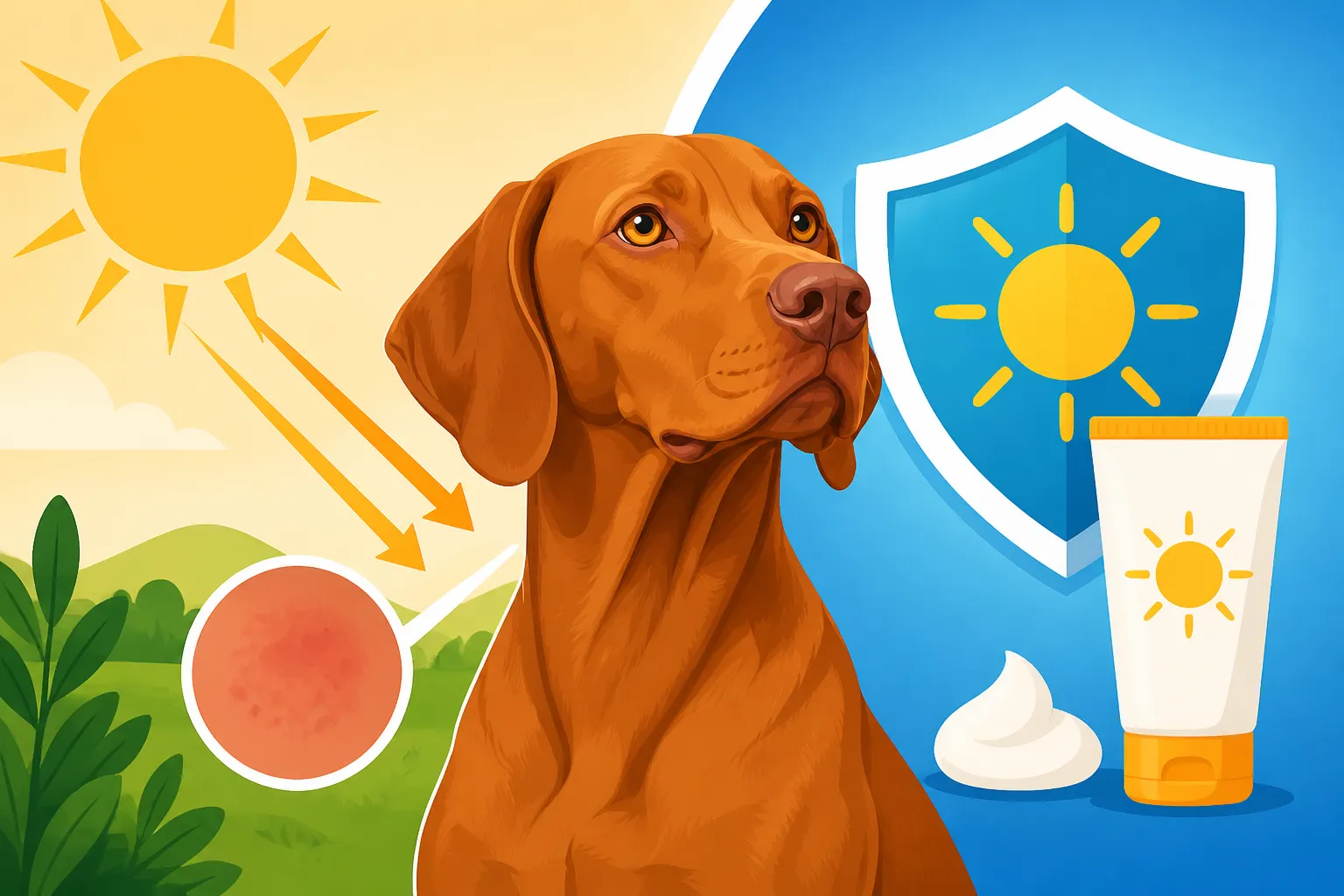
Many Vizsla owners, especially those new to the breed, might look at their dog's sleek, short coat and assume they're naturally protected from the sun. After all, they don't have pink skin everywhere like some breeds, right? But the truth is, our beloved copper companions are actually quite vulnerable to the sun's harsh rays, and neglecting sun protection can lead to painful burns, skin damage, and even long-term health issues. This guide will walk you through why Vizslas need sunscreen, where they are most at risk, and how to keep your active friend safe from the sun.
Why Vizslas Are More Susceptible to Sunburn Than You Think
It's a common misconception that only dogs with white coats or sparse hair need sun protection. While those dogs certainly do, our Vizslas, with their distinctive single coat and fine skin, are also prime candidates for sunburn. Their beautiful golden-rust fur is gorgeous, but it's not a thick, impenetrable barrier against UV radiation.
The Vizsla's Unique Coat and Skin
Unlike many breeds that boast a dense double coat with an insulating underlayer, Vizslas have a The Single Coat a Vizsla Has and Why It Changes Everything. This single layer of short, fine hair offers minimal protection against direct sunlight. Think about how easily you can see their skin through their fur, especially on their belly or inner thighs. That's a clear indicator that the sun's rays can reach their delicate skin without much trouble. Imagine trying to use a sheer scarf as your only sun protection; it just doesn't cut it, and neither does a Vizsla's sleek coat in prolonged sun exposure.
Furthermore, Vizslas tend to have The Thin Skin a Vizsla Takes Into the Field. This isn't just about their overall body; it's particularly noticeable in areas with sparse hair, like their ears, muzzle, and belly. This thin skin makes them prone to irritation, cuts, and, yes, sunburn. When you combine thin skin with a minimal coat, you create a perfect storm for sun damage. Even on a slightly overcast day, UV rays can penetrate the cloud cover and still cause damage.
Lifestyle Factors for the Active Vizsla
Vizslas are not couch potatoes; they are energetic, intelligent, and highly driven dogs built for work and activity. Whether they are tearing through fields in pursuit of game, hiking trails with their human, or simply lounging in the backyard, they spend a significant amount of time outdoors. This active lifestyle, while essential for their well-being, naturally increases their sun exposure.
Consider a typical weekend: a long morning hike, an afternoon spent fetching in the park, and then maybe an hour or two napping in a sunny spot on the patio. Each of these activities, especially during peak sun hours (10 AM to 4 PM), contributes to their overall UV exposure. Unlike us, they don't always seek shade proactively until they are already feeling the heat, and by then, their skin might have already begun to suffer. As a Vizsla owner, you're constantly balancing their need for exercise with their physical vulnerabilities, and sun protection is a crucial part of that equation, right up there with ensuring they don't Whether a Vizsla Overheats Working in Heat.
Where Your Vizsla Is Most Vulnerable to Sunburn
Knowing that your Vizsla is susceptible is one thing, but understanding where they're most likely to burn is key to targeted protection. It's not always the obvious spots.
The Exposed Nose and Muzzle
One of the most commonly overlooked areas for sunburn on a Vizsla is their nose and muzzle. Many Vizslas have a beautiful, often liver-colored nose that perfectly matches their coat. However, some Vizslas, particularly as they age or if they have a paler pigment, can develop what's sometimes called a "snow nose" or just have naturally lighter pigment. Even without a pale nose, the delicate skin on and around the nose, where hair is very sparse or non-existent, is extremely vulnerable.
Imagine your Vizsla sniffing around, nose to the ground, then lifting their head to survey the horizon. Their nose is almost always exposed, directly facing the sun's rays. This constant exposure can lead to a dry, cracked, painful nose, and in severe cases, even peeling. This is exactly why Sunburn and the Pale Vizsla Nose is a specific concern. The bridge of the muzzle, where the hair is also quite fine, is another hotspot for burning. If you've ever seen a human get a sunburn on their nose, you know how sensitive and painful that area can be, and it's no different for our dogs.
Ears, Belly, and Inner Thighs
Beyond the nose, several other areas on a Vizsla are prime targets for sun damage. Their ears, with their fine hair and often thin skin, can burn easily. If your Vizsla loves to flop down on their side for a nap in the sun, those floppy ears are lying flat, exposing a larger surface area to direct UV rays. I've seen more than one Vizsla come in from a sunny afternoon with bright red ear tips, looking quite uncomfortable.
The belly and inner thighs are also highly susceptible. When a Vizsla lies on its back, soaking up the sun, their thin belly fur offers practically no protection. This area, often pale and lightly pigmented, can burn rapidly, leading to discomfort and redness. Similarly, the inner thighs, especially in a dog that frequently "frogs" out with its legs splayed in the sun, are often exposed. It's easy to miss these spots during a quick glance, but they are just as vulnerable as any other.
Areas of Sparse or Thinning Hair
Beyond the typical high-exposure areas, any spot on your Vizsla where the hair is thinner than usual, perhaps due to rubbing, allergies, or other skin conditions, becomes an immediate sunburn risk. For instance, if your Vizsla has a hot spot that they've licked or chewed, exposing the underlying skin, that area will burn much faster than healthy, fur-covered skin.
Even areas where their beautiful coat naturally thins, like around their eyes or in their armpits, can be vulnerable. It's all about being observant. After a long day out, if you're checking them over for ticks or grass seeds, make a habit of visually inspecting these key areas for any redness or tenderness. That quick check can make all the difference in catching a burn early.
Recognizing the Signs of Sunburn in Your Vizsla
Spotting sunburn on a Vizsla isn't always as obvious as it is on fair human skin, but knowing what to look for can help you intervene quickly and prevent further discomfort.
Visible Redness and Inflammation
The most common and earliest sign of sunburn in a Vizsla is visible redness on the skin. This can be challenging to spot under their golden-rust coat, but it's often noticeable on areas with sparse hair, like the belly, inner thighs, ears, or around the muzzle. The skin might look pinker or redder than usual, almost inflamed.
If you gently touch the affected area, your Vizsla might flinch, indicating tenderness or pain. The skin may also feel unusually warm to the touch, and in more severe cases, it can appear swollen or puffy. This isn't just cosmetic; it's a genuine injury to the skin's protective barrier. Much like our own sunburns, the discomfort can range from a mild itch to a searing pain that makes them restless and irritable. Observing these changes quickly is important, as untreated sunburn can escalate to more serious issues.
Peeling, Blistering, and Crusting
Just as with human sunburn, prolonged or severe sun exposure can lead to more advanced signs of skin damage in dogs. After the initial redness, you might notice the affected skin starting to peel. This is the body's way of shedding damaged cells and can look like small flakes or larger patches of skin lifting away. It's often accompanied by itching, and your Vizsla might try to rub or scratch the area, potentially exacerbating the problem.
In very severe cases, you might even see blistering, where small fluid-filled sacs form on the skin. These are extremely painful and prone to infection if they burst. Crusting can also occur, particularly on the nose or ear edges, where the skin dries out and forms a hard, rough layer. These more serious signs indicate significant sun damage and warrant a trip to your veterinarian. They can assess the severity, treat the pain, and help prevent secondary infections, especially important if the burn occurred on The Thin Skin a Vizsla Takes Into the Field.
Behavioral Changes and Discomfort
Sometimes, your Vizsla might not show obvious physical signs of sunburn immediately, but their behavior will tell you something is wrong. A dog with a painful sunburn might become lethargic, less interested in playing, or simply seem "off." They might be restless, constantly shifting their position, or seeking out cool, dark places to lie down.
You might notice them licking or scratching at a particular area more than usual, even if you can't see the redness yet. They might also react negatively to being petted or touched in sensitive areas. For example, if their ears are burned, they might pull away when you try to scratch behind them. These subtle behavioral cues are just as important as visible redness, especially for a breed known for its stoic nature when it comes to pain. If your active Vizsla is suddenly reluctant to go outside or seems generally miserable, considering sunburn as a possibility, especially after a long day in the sun, is a good idea.
| Sunburn Risk Area | Description of Vulnerability | Common Symptoms |
|---|---|---|
| Nose/Muzzle | Sparse hair, direct sun exposure during sniffing/tracking, pale pigment risk | Redness, dryness, cracking, peeling, tenderness to touch |
| Ears | Fine hair, thin skin, often flat against the head exposing wider surface when lying down | Redness, warmth, tenderness, edge crusting, refusal to have ears touched |
| Belly/Groin | Very sparse hair, pale skin, highly exposed when lying on back in sun | Pink or red skin, warmth, discomfort when touched, reluctance to lie on stomach |
| Inner Thighs | Sparse hair, delicate skin, exposed when legs are splayed | Redness, irritation, sensitivity, visible inflammation |
| Around Eyes | Fine hair, delicate skin, direct exposure during outdoor activities | Redness, squinting, excessive blinking, discomfort |
| Areas of Thinning Hair | Any patch of skin where fur is absent or sparse due to medical conditions, rubbing, or wounds | Exaggerated redness and pain, peeling, blistering in severe cases, increased risk of infection |
Choosing and Applying Dog-Safe Sunscreen
Once you understand the risk, the next step is proactive protection. This means finding the right product and knowing how to use it effectively.
What to Look For in a Dog Sunscreen
Not all sunscreens are created equal, and definitely not all human sunscreens are safe for dogs. This is a critical point: never use human sunscreen on your Vizsla without first checking with your vet, as many contain ingredients toxic to dogs if ingested. Dogs tend to lick themselves, and whatever you put on them will likely end up in their mouth.
When shopping for dog-specific sunscreen, look for products that are:
- Non-toxic and Lick-Safe: This is paramount. The packaging should clearly state it's safe for pets.
- Fragrance-Free and Hypoallergenic: Many dogs have sensitive skin, and added fragrances or harsh chemicals can cause irritation. This is especially true for Vizslas, who can be prone to skin sensitivities.
- Broad-Spectrum: Just like with human sunscreen, you want protection against both UVA and UVB rays.
- SPF Rated: While SPF ratings aren't standardized for dogs in the same way they are for humans, a higher number generally indicates better protection. Look for products with an SPF of 15 or higher.
- Easy to Apply: Sprays, sticks, or creams can all work. Consider what's easiest for you and most tolerable for your Vizsla. A stick might be great for the nose, while a spray could work for larger, less sensitive areas.
You can often find reputable dog-specific sunscreens on sites like Chewy or Amazon, or at your local pet supply store. Always read reviews and product descriptions carefully.
Proper Application Techniques
Applying sunscreen to an eager-to-run Vizsla can be a bit of an art form. Here’s how to make it effective:
- Start Early: Begin applying sunscreen about 15-20 minutes before heading outdoors to allow it to absorb properly. This is especially important if you're going for a long walk or a day out in the field.
- Target High-Risk Areas: Focus on the nose, muzzle, ear tips, belly, and inner thighs. Don't forget any areas with thinning hair. If your Vizsla tends to lie on their back a lot, be very generous with the belly application.
- Use a Gentle Touch: Apply sunscreen gently, rubbing it in thoroughly. For sensitive areas like the nose, you might apply a small amount to your fingers first, then dab it on.
- Avoid Eyes and Mouth: Be extremely careful to avoid getting sunscreen in your Vizsla's eyes or directly into their mouth. If using a spray, you can spray it onto your hand and then rub it onto the dog's face.
- Reapply Frequently: Sunscreen isn't a one-and-done solution. Reapply every 2-4 hours, or more frequently if your Vizsla has been swimming or is sweating a lot (yes, dogs can sweat a little through their paw pads and nose, and active Vizslas can get quite warm!). If you're out hunting all day, this becomes a vital part of your routine, as important as giving them water.
- Make it Positive: Introduce sunscreen application slowly and with lots of praise and treats. You want your Vizsla to associate it with a positive experience, not a wrestling match. This might take a few sessions.
Beyond Sunscreen: Other Sun Protection Strategies
Sunscreen is a powerful tool, but it's just one piece of the puzzle. A multi-pronged approach offers the best protection for your sun-loving Vizsla.
Seeking Shade and Avoiding Peak Hours
This is perhaps the simplest and most effective strategy, yet often overlooked. The sun's UV rays are strongest between 10 AM and 4 PM. If possible, plan your Vizsla's outdoor activities, especially vigorous ones, for early mornings or late afternoons.
When you are outdoors during peak hours, actively seek out shade. Whether it's the shade of a tree, a building, or a portable pop-up canopy, giving your Vizsla a break from direct sun exposure is crucial. If your Vizsla loves to sunbathe in the yard, encourage them to move to a shady spot after a certain amount of time. You might even need to block off sunny spots on your patio or deck during certain hours. This simple habit can significantly reduce their overall sun exposure and prevent overheating, which is another concern for this active breed. Whether a Vizsla Handles a Hot Summer explains more about managing heat.
Protective Clothing and Gear
Yes, dog clothing isn't just for fashion! For Vizslas, especially those with very sensitive skin or during long days in intense sun, protective gear can be a game-changer.
- UV Protective Vests/Shirts: Lightweight, breathable shirts designed with UPF (Ultraviolet Protection Factor) fabric can cover large areas of your Vizsla's body, particularly their back and sides. These are excellent for long hikes, beach days, or extended periods outdoors.
- Hats/Visors: While some dogs tolerate hats better than others, a dog-specific hat can protect the sensitive nose and eyes from direct overhead sun. This might take some training and getting used to, but for a Vizsla with a very pale nose, it could be worth the effort.
- Cooling Vests: While primarily designed to prevent overheating, some cooling vests also offer a degree of sun protection through their fabric coverage. They might not be specifically UPF rated, but any physical barrier helps.
When choosing gear, prioritize comfort, breathability, and proper fit. You don't want anything that restricts their movement or causes chafing, especially if you're hunting or running. You can often find a good selection of these items on platforms like Amazon or at specialty pet stores.
Regular Vet Check-ups and Skin Monitoring
Routine veterinary check-ups are always important, but they become even more critical when managing sun exposure. Your vet can provide tailored advice on sunscreen products, discuss your Vizsla's individual skin sensitivity, and check for any existing sun damage.
It's also essential to make regular skin monitoring a part of your grooming routine. During your daily brush or cuddle, gently part their fur and check their skin. Look for any new spots, changes in existing moles, unusual redness, or crusting. Pay particular attention to the areas we discussed earlier. Early detection of suspicious Lumps Worth Checking on a Vizsla or other skin abnormalities is key, as chronic sun exposure can increase the risk of skin cancers in dogs, just as it does in humans. If you notice anything concerning, don't hesitate to consult your vet.
By combining dog-safe sunscreen with smart shade seeking, protective clothing, and vigilant skin monitoring, you can ensure your beloved Vizsla enjoys their active, outdoor lifestyle safely and comfortably, without the painful consequences of sunburn.
Disclaimer
This article is for general informational purposes only and does not constitute professional advice. Laws, prices and regulations vary by location and change over time. Consult a qualified professional for guidance on your specific situation.