Whether a Vizsla Cuts Its Chest on Wire
One of the ongoing worries for any Vizsla owner, especially those who take their active companions into the field, is the potential for injury. These dogs are built for speed and agility, but their lean, finely-tuned bodies and notably thin skin can sometimes be a liability when navigating dense cover or unfamiliar terrain. A common, and often painful, concern that many Vizsla enthusiasts face is the possibility of their dog sustaining cuts, particularly to the chest, from hidden hazards like wire. This guide will delve into why Vizslas are susceptible to such injuries, how to identify and mitigate risks, and what steps to take should your beloved canine friend encounter sharp obstacles.
Understanding the Vizsla's Delicate Skin and Coat
Vizslas are truly unique, from their striking golden-rust coats to their energetic, affectionate personalities. However, their physical attributes, while beautiful and functional for hunting, also present specific vulnerabilities that owners need to be aware of. The breed's distinctive coat and skin structure play a significant role in their susceptibility to cuts and scrapes from things like wire.
The Vizsla's Single Coat Explained
Unlike many other sporting breeds, such as Labrador Retrievers or German Shorthaired Pointers, Vizslas possess a single, short, dense coat without a thick insulating undercoat. This single layer lies close to the body, offering excellent protection against light rain and helping them regulate temperature during strenuous activity, but it provides minimal buffering against sharp objects. Imagine wearing a thin t-shirt versus a heavy winter jacket; the t-shirt offers little resistance to a snag, much like a Vizsla's coat. This lack of a plush underlayer means that thorns, sharp branches, and indeed, wire, can more easily penetrate the hair and reach the skin underneath. It’s not just the hair that's sparse; the skin itself on a Vizsla is generally finer and less resilient than that of a thicker-skinned breed. This combination means that what might be a minor brush for another dog could result in a significant laceration for a Vizsla.
This fine skin and close-lying coat are part of what makes the Vizsla so elegant and contributes to their minimal "doggy odor," but it also means they require extra consideration when heading into rough environments. We often talk about The Thin Skin a Vizsla Takes Into the Field and it’s a crucial characteristic to remember. Owners must be vigilant and proactive in protecting their dogs, recognizing that their natural beauty comes with a practical trade-off in terms of physical hardiness.
Common Vulnerable Areas Beyond the Chest
While the chest is a primary concern due to the dog's forward motion through brush, it's certainly not the only area susceptible to injury. Vizslas are athletic and will push through all kinds of cover, which means other body parts are equally at risk. The belly, for instance, especially the soft tissue between the front and hind legs, is incredibly vulnerable. When a Vizsla crouches or pushes through dense undergrowth, its belly can easily scrape against low-lying branches or hidden wire.
The inner legs and flanks also bear the brunt of contact with obstacles. A dog’s legs are constantly moving, brushing past whatever is in their path, and a quick turn or misstep can bring the delicate inner thigh or flank against something sharp. Even the face and ears, while not typically in the path of a chest-height wire, can be scraped by thorns or thin, whipping branches. The general rule is that any area not heavily muscled or bony, and that lacks thick fur, is a potential target for injury. This awareness extends to Whether a Vizsla Cuts Itself Hunting in general, highlighting the need for a full body check after every outing.
Identifying Wire Hazards and Prevention Strategies
Knowing your Vizsla's physical vulnerabilities is the first step; the next is understanding the environment they navigate and how to best prepare them. The world, especially rural or wilderness areas, is full of hidden dangers that aren't always immediately obvious to the human eye, but which a fast-moving Vizsla can encounter in an instant.
Types of Wire Encountered in the Field
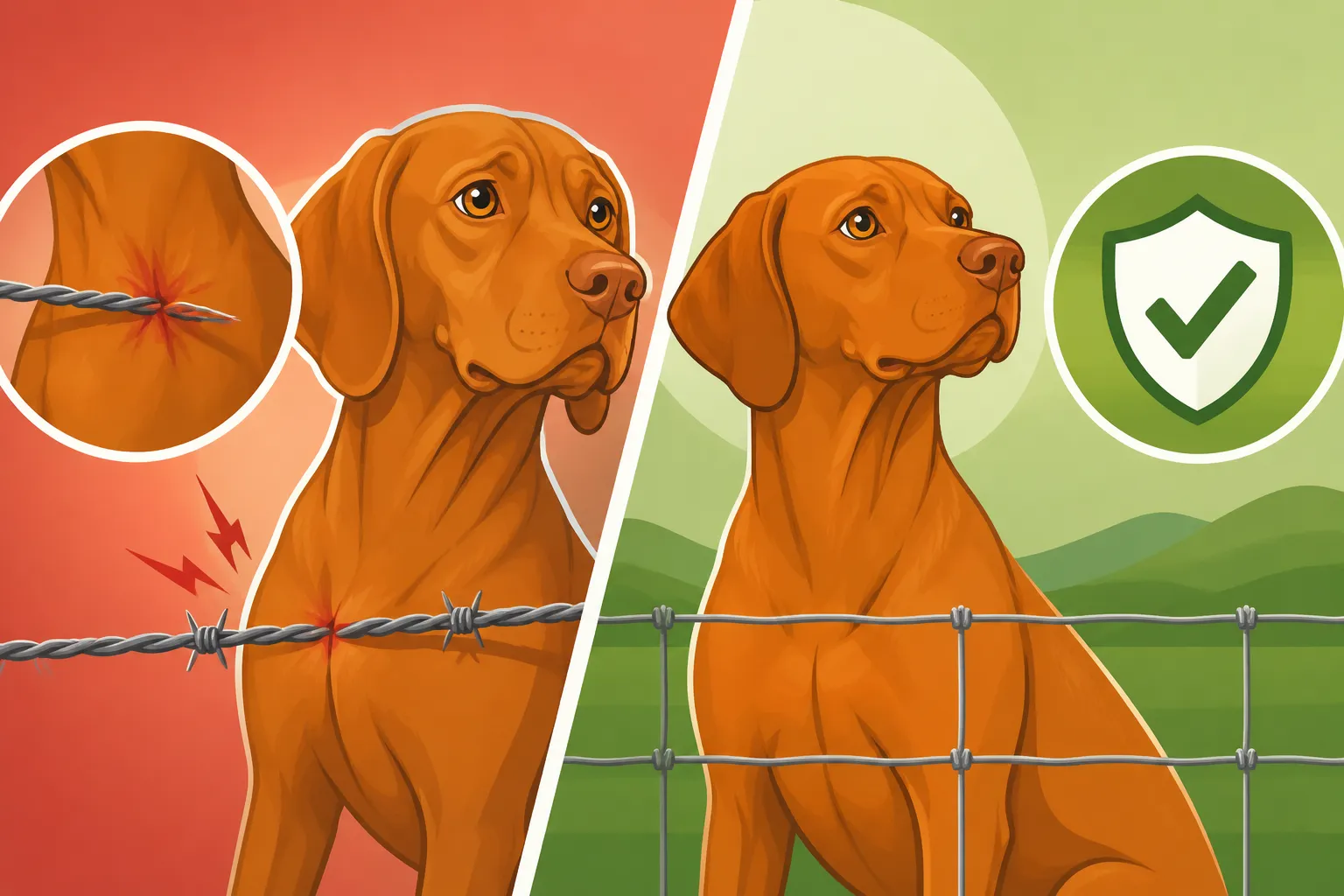
The term "wire" might conjure up images of neatly strung barbed wire fences, and indeed, those are a significant hazard. However, the threats are often more insidious. Old, fallen fencing, half-buried and rusted, can be nearly invisible in tall grass or brush. Twisted strands of wire from old farm equipment, discarded materials, or even natural debris like thorny vines can act just like wire, causing deep, jagged cuts. Woven wire fencing, while seemingly less dangerous than barbed wire, can also cause severe abrasions or snag a fast-moving dog, leading to tears.
Consider a scenario: you're walking your Vizsla along the edge of an old field, thinking it's clear. Suddenly, your dog, catching a scent, bolts into what looks like a patch of overgrown weeds. Unbeknownst to you, an ancient, dilapidated fence line runs through that very spot, its rusted strands obscured by the vegetation. Your Vizsla, focused entirely on the scent, might not even register the danger until it's too late. These aren't always perfectly visible barriers; sometimes, it's just a single strand sticking out, easily capable of inflicting a nasty wound.
Proactive Measures to Protect Your Vizsla
Given these risks, prevention becomes paramount. The goal is to minimize your Vizsla's exposure to hazards or to add a layer of protection when exposure is unavoidable. One of the most effective measures is simply being observant. When entering a new area, take a moment to scan for visible hazards like old fences, broken machinery, or dense, thorny patches. If you can see it, you can direct your dog around it or choose a different path entirely.
For situations where your Vizsla will be working in dense cover or areas known for thorny brush or potential wire, protective gear is invaluable. A well-fitting protective vest or chest protector can literally be a lifesaver. These vests are typically made from tough, puncture-resistant materials and are designed to shield the chest and belly, which are often the most vulnerable areas. While they might not prevent every single scratch, they significantly reduce the risk of serious cuts. When looking for such gear, you can find a wide range of options on platforms like Amazon or specialized pet supply retailers like Chewy. Always ensure the vest fits properly, allowing for full range of motion without chafing. Think about whether What a Blaze Orange Vest Costs for a Vizsla is a worthwhile investment, not just for visibility but for protection too. For some dogs and terrains, a muzzle guard might even be considered to protect the face, though that's usually for different types of cover as discussed in Whether a Vizsla Needs a Muzzle Guard in Thick Cover.
What to Do If Your Vizsla Gets a Chest Cut
Even with the best preventative measures, accidents can happen. When your Vizsla is out exploring, particularly in hunting or hiking scenarios, a sudden yelp or a tell-tale limping can send a jolt of fear through any owner. Knowing how to react quickly and effectively if your Vizsla sustains a chest cut from wire is crucial for their immediate well-being and long-term recovery.
Immediate First Aid in the Field
The moment you suspect an injury, stop and assess the situation calmly. First, get your dog to a safe, stable location if possible. Use your leash to keep them still and prevent them from exacerbating the injury. For a chest wound, examine the cut carefully. Is it a superficial scratch, or a deeper laceration? Is it bleeding heavily?
Your field first aid kit is your best friend in these moments. Every Vizsla owner, especially those who spend time outdoors, should have a comprehensive one. This kit, which you might have assembled from supplies from Chewy or a local pet store, should contain items like sterile gauze pads, antiseptic wipes or spray (like Vetericyn), vet wrap or self-adhering bandage, medical tape, blunt-tipped scissors, and possibly a small bottle of saline solution for flushing.
For a bleeding wound, apply direct pressure with a clean gauze pad. If the cut is deep, you might need to hold pressure for several minutes. Once the bleeding is controlled, gently clean the wound with saline or antiseptic. Remove any visible debris like dirt, grass, or small bits of wire, being careful not to push anything deeper. After cleaning, apply a fresh sterile pad and secure it with vet wrap or tape. The goal here is to stop bleeding, prevent infection, and protect the wound until you can get professional veterinary help. For a deeper dive into essentials, refer to What a First Aid Kit for a Hunting Vizsla Holds.
When to Seek Veterinary Attention
It's tempting to think a small cut can be handled at home, but with Vizslas and their thin skin, what seems minor can sometimes be more serious. Any cut from wire should ideally be examined by a veterinarian, especially if it's deep, wide, or bleeding profusely. Wounds from wire are often jagged and prone to infection because they can carry rust, dirt, and bacteria deep into the tissue.
You should always seek veterinary attention immediately if:
- The cut is deep, extending through layers of skin.
- The wound won't stop bleeding after 5-10 minutes of direct pressure.
- You see muscle, fat, or bone exposed.
- There's a foreign object embedded in the wound that you can't easily remove.
- The cut is near a joint, eye, or other sensitive area.
- Your dog shows signs of severe pain, lethargy, or shock.
Even if the cut appears superficial, a vet visit is recommended to ensure proper cleaning, check for embedded debris, and determine if antibiotics or pain medication are needed. Sometimes, a seemingly small puncture can be deep, and these types of wounds are notorious for harboring bacteria and developing abscesses if not treated correctly. Your vet might decide the wound needs stitches or surgical cleaning to prevent infection and promote healing.
Long-Term Care and Healing
Once the initial veterinary assessment and treatment are complete, the long-term care at home focuses on promoting healing and preventing complications. This usually involves:
- Wound Cleaning: Following your vet's instructions, you'll likely need to clean the wound regularly with an antiseptic solution.
- Bandage Changes: Keeping the wound covered and clean is vital. Regular bandage changes, as advised by your vet, will be necessary.
- Medication: If prescribed, administer antibiotics to prevent infection and pain medication to keep your Vizsla comfortable.
- E-Collar/Cone: To prevent your dog from licking or chewing at the wound, an Elizabethan collar (cone) is often essential. Licking can introduce bacteria and delay healing.
- Restricted Activity: Even a small cut can be irritated by vigorous movement. Keep your Vizsla on limited activity, especially avoiding running, jumping, or rough play, until the vet gives the all-clear. This can be challenging for an energetic breed like a Vizsla, so creative mental stimulation and short, leashed walks might be necessary.
- Nutrition: Good nutrition supports the body's healing processes. Ensure your Vizsla is eating a high-quality, balanced diet. Brands like Ollie, which offer fresh, human-grade ingredients, can provide excellent nutritional support during recovery, or ensure your regular kibble, perhaps from Chewy, is a premium performance formula. Remember that What a Vizsla Needs Every Day includes not just activity but also top-notch fuel.
Throughout the healing process, diligently monitor the wound for any signs of infection, such as increased redness, swelling, pus, foul odor, or fever. If you notice any of these, contact your vet immediately. Diligent care will help ensure a smooth recovery and get your Vizsla back to its energetic self as quickly and safely as possible.
Training and Management for a Safer Vizsla
Beyond physical protection and immediate first aid, incorporating smart training and ongoing management strategies is vital to minimize the risks of injuries, including those from wire. A well-trained Vizsla is a safer Vizsla, capable of responding to commands even in exciting or distracting environments.
Teaching Field Awareness and Control
The Vizsla's instinct is to hunt, to range, and to follow its nose, often at lightning speed. While we cherish this drive, it also means they can quickly put themselves in harm's way. This is where solid obedience training, particularly off-leash control, becomes a critical safety tool. A bomb-proof recall is paramount. If your Vizsla is heading toward a known hazard, being able to call them back instantly can prevent an injury. Work on Building a Recall on a Vizsla That Ranges from a young age, starting in low-distraction environments and gradually increasing the challenge. This isn't just about coming back; it's about checking in with you regularly, even when scenting game.
Beyond recall, commands like "whoa" or "stop" can halt your dog in its tracks, giving you time to identify and avoid a hazard. Training your Vizsla to quarter a field effectively, working within a reasonable range and checking in, also means they are less likely to blindly plow into unfamiliar cover. This controlled exploration helps them navigate the terrain more mindfully. It's about teaching them to be partners in the hunt, not just independent agents. Regular training sessions, even short ones, reinforce these vital behaviors.
Conditioning and Environmental Familiarization
Another aspect of prevention is gradually conditioning your Vizsla to various terrains and types of cover. A dog that is used to navigating different environments will often be more careful and observant than one suddenly thrown into thick, thorny brush. Start with easier fields and gradually introduce them to more challenging environments. This allows them to build experience and confidence, learning to pick their way through obstacles rather than crashing through them.
After every outing, no matter how brief, make it a habit to perform a thorough "once-over" check of your Vizsla. This means running your hands over their entire body, paying close attention to the chest, belly, legs, and paws. Look for any scratches, punctures, swelling, or embedded debris. This routine inspection, as detailed in Checking a Vizsla Over After a Hunt, is crucial for catching minor injuries before they become major problems. It's also an excellent time to check for ticks or grass seeds, which are other common field hazards. Early detection allows for immediate treatment and prevents potential infections or complications.
By combining an understanding of your Vizsla's physical characteristics with diligent training and proactive management, you can significantly reduce the risk of chest cuts from wire and other field injuries, allowing your intrepid companion to enjoy their adventures safely.
| Protective Gear Type | Primary Benefit | Typical Materials | Key Considerations | Where to Find Examples |
|---|---|---|---|---|
| Puncture-Resistant Vest | Chest/belly protection | Cordura, ballistic nylon, Kevlar | Fit, flexibility, breathability, visibility | Amazon, Chewy, Specialized Hunting Stores |
| Skid Plate/Chest Guard | Underbelly abrasion/puncture | Neoprene, heavy-duty fabric | Secure attachment, doesn't impede movement | Amazon, Chewy, Hunting Gear Retailers |
| Leg Guards/Gaiters | Protection for legs | Durable fabric, sometimes padded | Doesn't restrict joint movement, secure fit | Hunting Gear Retailers, Amazon |
| Boots/Paw Protectors | Paw pad protection | Rubber, durable fabric | Fit (critical), breathability, traction, stays on | Chewy, Amazon, Pet Specialty Stores |
| Blaze Orange Vest | High visibility | Bright orange fabric, reflective tape | Doesn't offer much puncture protection, mainly for visibility | Amazon, Chewy, Hunting Gear Retailers |
Disclaimer
This article is for general informational purposes only and does not constitute professional advice. Laws, prices and regulations vary by location and change over time. Consult a qualified professional for guidance on your specific situation.