Whether a Vizsla Will Walk in Snow
As a Vizsla owner, you know their boundless energy doesn't stop for a little thing like winter. But when the snow starts falling, a common question pops up: "Will my Vizsla actually enjoy walking in this?" Many of us worry about our thin-skinned, single-coated companions, wondering if those eager leaps into fresh powder are truly comfortable or just pure, unadulterated Vizsla enthusiasm. This guide dives deep into what to expect when your Vizsla encounters snow, how to keep them safe and warm, and how to tell if they're truly having a good time or just tolerating the cold.
The Vizsla's Unique Coat and Cold Sensitivity
Vizslas, with their stunning golden-rust coats, are built for speed and stamina, not necessarily for extreme cold. Unlike many northern breeds, or even other sporting dogs like Labrador Retrievers, Vizslas possess a single, short, dense coat without an insulating undercoat. This fundamental difference means their natural protection against frigid temperatures is quite limited. While they might tolerate a quick dash through a dusting of snow on a crisp autumn morning, prolonged exposure to genuinely cold, wet, or windy winter conditions can quickly lead to discomfort or even danger.
Think about how you feel wearing only a light jacket in freezing rain versus a heavy parka. Your Vizsla is experiencing something similar. Their skin is relatively thin, and that short, sleek coat simply isn't designed to trap warmth efficiently when the mercury really drops. This becomes particularly evident if your Vizsla is standing still, perhaps waiting for you during a training session or if they've been exerting themselves and then cool down quickly. Without that thick undercoat to provide a buffer against the biting wind and cold, their body temperature can drop quite rapidly. This isn't just about being a bit chilly; it's about a physiological difference that makes them inherently more susceptible to the cold than many other breeds. Understanding The Single Coat a Vizsla Has and Why It Changes Everything is crucial for proper winter care.
The lack of an insulating layer also means that wet snow can be a particular problem. When snowflakes melt against their skin, the water conducts heat away from their body much faster than dry air. This is why a short walk in slush or wet snow can feel much colder to them than a longer run in dry, powdery snow, even at the same ambient temperature. Owners often notice their Vizsla shivering noticeably after coming in from such conditions, even if they seemed enthusiastic during the outing. Their desire to please and their high energy levels can sometimes mask their true discomfort, making it even more important for us, as their guardians, to be vigilant.
Factors Influencing Your Vizsla's Snow Comfort
While a Vizsla's coat is a major factor, several other elements play a significant role in how well they handle snow and cold. It's not a one-size-fits-all answer, and understanding these nuances will help you make better decisions for your individual dog.
The Type and Depth of Snow
Not all snow is created equal when it comes to Vizsla enjoyment. A light, fluffy powder is often less problematic than heavy, wet, or icy snow. Fresh, dry powder, especially if it's not too deep, might be a delightful novelty for a Vizsla. They can bound through it, kick it up, and generally have a grand time without getting thoroughly soaked or chilled to the bone. This kind of snow usually presents less risk of ice balls forming between their paw pads or causing deep chilling.
However, deep, wet, or slushy snow is a different story entirely. If the snow is deep enough to cover their chest or belly, they're not just getting their legs wet – their entire core is being exposed to cold, melting snow. This can rapidly drop their body temperature and lead to discomfort. Slush, in particular, is an awful combination of wet and cold, and can quickly make their feet and belly extremely cold. Icy snow or snow with a crust can also be a hazard, not just for the cold, but because it can cut their thin paw pads. Imagine walking barefoot on broken ice, and you get a sense of what your Vizsla might be experiencing.
Activity Level and Duration of Exposure
A Vizsla's activity level during a snowy outing is perhaps the biggest determinant of their comfort. A highly active Vizsla, running, hunting, or playing vigorously, generates a lot of internal heat. This self-generated warmth can help them tolerate colder temperatures for a surprisingly long time. They'll be moving, keeping their circulation flowing, and burning calories, which all contributes to staying warm. This is why you might see a Vizsla out for an hour-long winter hunt, seemingly unfazed, only to shiver uncontrollably the moment they stop moving. Their internal furnace is roaring while they're working.
Conversely, a Vizsla that's standing still, sniffing around a snowdrift, or waiting patiently while you chat with a neighbor will feel the cold much more acutely. The moment they stop moving, that internal heat generation drops, and the ambient cold starts to win. Short, intense bursts of activity followed by periods of rest in the cold are often worse than sustained moderate activity, as their body temperature fluctuates dramatically. For a Vizsla accustomed to The Two Hours a Vizsla Needs Before It Will Settle, stopping abruptly in the cold can be quite a shock to their system. Always consider the duration; even a very active dog will eventually get too cold if out for too long.
Individual Vizsla Differences
Just like people, not all Vizslas are exactly alike in their cold tolerance. Some might be naturally more robust, with a slightly thicker coat or a higher metabolic rate that helps them stay warmer. Others might be more sensitive, shivering at the slightest chill. Puppies and senior Vizslas are generally more vulnerable to cold. A young puppy's thermoregulation isn't fully developed, and an older Vizsla, especially one dealing with Arthritis in a Vizsla at Ten or other age-related issues, may have a harder time maintaining body heat. Whether an Old Vizsla Feels the Cold More is a very real concern.
A Vizsla's overall health and body condition also play a role. A lean, fit working Vizsla might have good circulation and muscle mass to generate heat, but they might also have less body fat for insulation. A slightly heavier, well-conditioned pet Vizsla might have a bit more natural insulation, provided it's healthy weight and not overweight. Always observe your specific Vizsla for cues, rather than assuming they'll react the same way another Vizsla might.
Essential Gear for Snowy Vizsla Adventures
Preparing your Vizsla for snow is less about bundling them up for a fashion show and more about providing practical protection against the elements. Their short coats and thin skin make thoughtful gear choices essential for their comfort and safety.
Protective Outerwear
A good quality dog coat or jacket is not a luxury for a Vizsla in true winter conditions; it's a necessity. Look for coats that cover their chest and belly, as these areas are particularly exposed and can get wet and cold quickly. Water-resistant or waterproof materials are ideal, especially for wet snow or slush, and fleece or insulated linings provide crucial warmth. When choosing, think about how well it fits – it shouldn't restrict their movement, especially if they're running or hunting. A coat that's too loose will let in cold air and snow, while one that's too tight can chafe. You can find a great selection of durable dog coats and insulated jackets on Amazon or Chewy.
Consider the conditions you'll be facing. For light, dry snow and quick outings, a simple fleece-lined jacket might suffice. For longer adventures in deep, wet snow or freezing temperatures, a more heavy-duty, insulated, and waterproof coat is a must. Remember that even with a coat, parts of your Vizsla, like their legs and face, will still be exposed. Whether a Vizsla Needs a Winter Jacket is almost always answered with a resounding "yes" for genuine winter weather.
Paw Protection: Boots and Wax
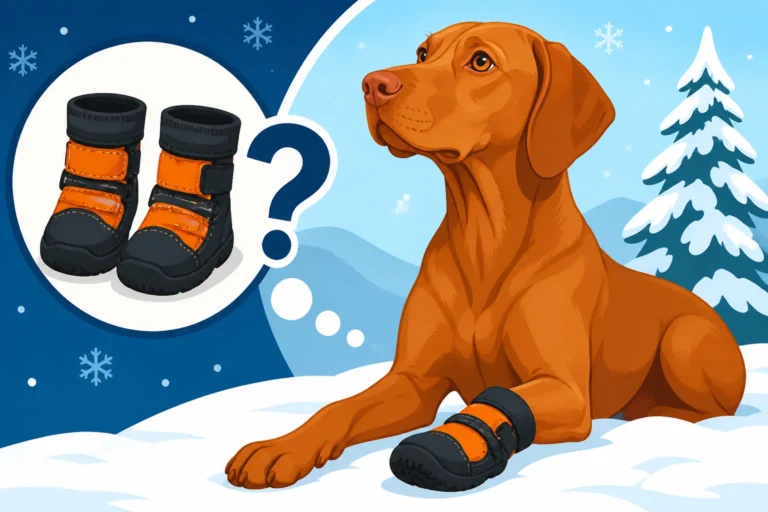
A Vizsla's paw pads are tough, but they're not invincible against snow, ice, and especially road salt or de-icers. Dog boots are highly recommended for snowy walks, particularly if you're on paved surfaces where chemicals are used, or in areas with icy crusts or sharp ice. Boots protect against cuts, frostbite, and chemical burns, and also prevent snow and ice from balling up between their toes, which can be incredibly painful.
Introducing boots takes patience. Start with short periods indoors, making it a positive experience with treats and praise. Gradually increase wear time and introduce them to outdoor surfaces before hitting the snow. Not every Vizsla will tolerate boots, but it's worth the effort to try. Look for boots with good grip and adjustable straps to ensure a snug fit that won't fall off during vigorous play. Many brands available on Chewy or Amazon offer various styles.
If boots are truly a no-go for your Vizsla, or for shorter excursions in less harsh conditions, paw wax can offer some protection. Products like Musher's Secret create a barrier on the pads, protecting them from salt, ice, and abrasions, and helping to prevent snow from clumping. While not as comprehensive as boots, it's a good alternative for some dogs and conditions. Whether a Vizsla Needs Paw Wax is a common question, and for snowy walks, it's a good preventative measure.
Staying Fueled and Hydrated
Cold weather activity burns more calories. Your Vizsla is working harder to stay warm and move through snow, so their energy needs will increase. Ensure they are getting adequate nutrition, especially if they are frequently active outdoors in the cold. For those high-energy days, some owners look to performance-oriented foods, like those offered by Ollie or other reputable brands, to ensure their Vizsla has enough fuel. Monitor their weight and adjust their food intake accordingly. How Much a Working Vizsla Eats can vary significantly in winter.
Hydration is also critical, even in cold weather. Dogs can still get dehydrated in winter, especially if they're eating snow as a water source, which can actually lower their body temperature. Always carry fresh water for your Vizsla, even on snowy walks, and offer it frequently. Consider using an insulated water bottle to prevent it from freezing.
Here's a quick comparison of cold weather gear options:
| Gear Type | Primary Benefit | Best For | Considerations |
|---|---|---|---|
| Insulated Coat | Core warmth, protection from wind/wet snow | All cold weather, wet snow, prolonged exposure | Fit, waterproof material, belly coverage |
| Dog Boots | Paw protection from ice, salt, cuts, frostbite | Icy conditions, road salt, deep/crusty snow | Training for acceptance, good grip, snug fit |
| Paw Wax | Barrier against chemicals, mild abrasion | Short walks, mild snow, if boots are refused | Less comprehensive than boots, needs reapplication |
| Fleece Vest | Light warmth, extra layer, good for layering | Cool, dry days, layering under a coat | Not waterproof, less protection for legs/belly |
Reading Your Vizsla's Cues in Cold Weather
Your Vizsla might be eager to please and have an abundance of energy, but it's vital to learn their signs of discomfort or cold stress. They can't tell you in words that their feet are freezing or their belly is chilled, so you need to be their advocate.
Signs of Discomfort and Cold
The most obvious sign of cold is shivering. While a little shiver after a quick outdoor dash might be normal as they transition indoors, sustained or intense shivering outdoors is a clear indicator that they are too cold and need to warm up. They might also hunch their back, tuck their tail, or try to huddle close to you for warmth. Some Vizslas will lift their paws repeatedly, indicating that their feet are uncomfortably cold or being irritated by snow/ice.
Another common sign is reluctance to move. If your usually energetic Vizsla starts to slow down, becomes sluggish, or simply stops and looks miserable, it’s time to head indoors. They might even whine or bark in distress. Watch for their ears and tail; if they're drooping or tucked, it often signals discomfort. In more severe cases, their gums might appear pale or bluish, and they might become lethargic or unresponsive – these are signs of hypothermia and require immediate veterinary attention. Understanding Whether a Vizsla Gets Hypothermia is vital for any winter excursions.
Balancing Enthusiasm with Safety
Vizslas are often incredibly enthusiastic, and their drive can sometimes override their instinct for self-preservation. They might happily bound into deep snow, pointedly ignoring the fact that they're getting thoroughly soaked and chilled. This is where your judgment comes in. Just because they want to keep playing doesn't mean it's safe for them to do so. You need to be proactive in managing their exposure, rather than waiting for them to tell you they've had enough.
Set time limits for snowy outings, especially if it's very cold, windy, or wet. For instance, a quick 15-20 minute run in dry powder might be fine, but an hour of standing around in wet snow is not. Even during active play, take short breaks to check their paws, rub them down, and give them a chance to warm up slightly. Keep an eye on the weather forecast, including wind chill, which can make a significant difference to how cold your Vizsla feels. If you're cold, chances are your Vizsla is even colder without their specialized winter gear.
After the Snow Frolic: Post-Walk Care
The care you provide after a snowy walk is just as important as the preparation. Ensuring your Vizsla warms up safely and their paws are cared for will prevent discomfort and potential health issues.
Warming Up and Drying Off
As soon as you come indoors, the first priority is to get your Vizsla warm and dry. Have a dedicated towel, perhaps one specifically for muddy or wet paws and bellies, ready at the door. Vigorously towel-dry their entire body, paying special attention to their belly, chest, and between their toes where snow can collect and melt. If they’re particularly wet, a dog-specific drying coat or even a hairdryer on a low, cool setting (held at a safe distance and never directed at one spot for too long) can help speed up the process.
Provide a warm, comfortable place for them to rest. A soft bed, perhaps near a gentle heat source but not directly under one, is ideal. If you notice persistent shivering even after drying, you can cover them with a blanket to help them retain body heat. A heated dog bed can also be a wonderful asset for a cold Vizsla, providing a consistent source of comforting warmth. Whether a Vizsla needs a heated bed is often a yes for winter, especially for older or more sensitive dogs.
Paw and Coat Inspection
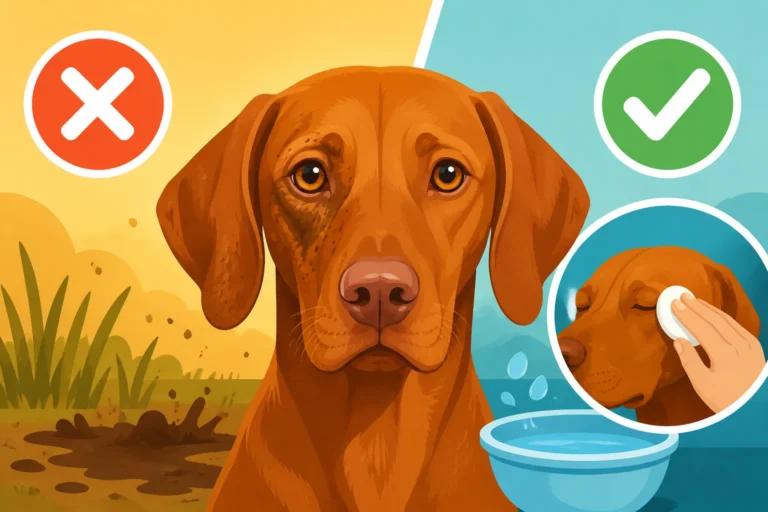
After every snowy outing, a thorough inspection of your Vizsla's paws is crucial. Check between each toe for ice balls, packed snow, or any debris that might have gotten stuck. These can be painful and lead to cuts or sores. Also, look for any redness, cracking, or irritation on their paw pads, especially if they weren't wearing boots. If they walked on salted roads, wipe their paws thoroughly with a warm, damp cloth to remove any chemical residue, which can be irritating or even toxic if ingested when they lick their paws.
Give their whole coat a quick once-over too. Check for any cuts or scrapes they might have picked up from icy branches or rough terrain. Their thin skin can be surprisingly vulnerable. While a Vizsla generally has a "self-cleaning" coat in many ways, snow can carry dirt, salt, and other grime that needs to be removed. Brushing them once dry can help remove any lingering loose hair or dirt. This regular post-outing check is part of keeping The Thin Skin a Vizsla Takes Into the Field healthy and protected.
Hydration and Rest
Even though they might seem tired, ensure your Vizsla has access to fresh water after coming in from the cold. They've been exerting themselves, and hydration is key for recovery. Offer a small, easily digestible treat to replenish some of the calories they've burned. Then, allow them to rest and recover in a warm, quiet spot. Adequate rest after strenuous cold-weather activity is important for their muscles and overall well-being.
Disclaimer
This article is for general informational purposes only and does not constitute professional advice. Laws, prices and regulations vary by location and change over time. Consult a qualified professional for guidance on your specific situation.