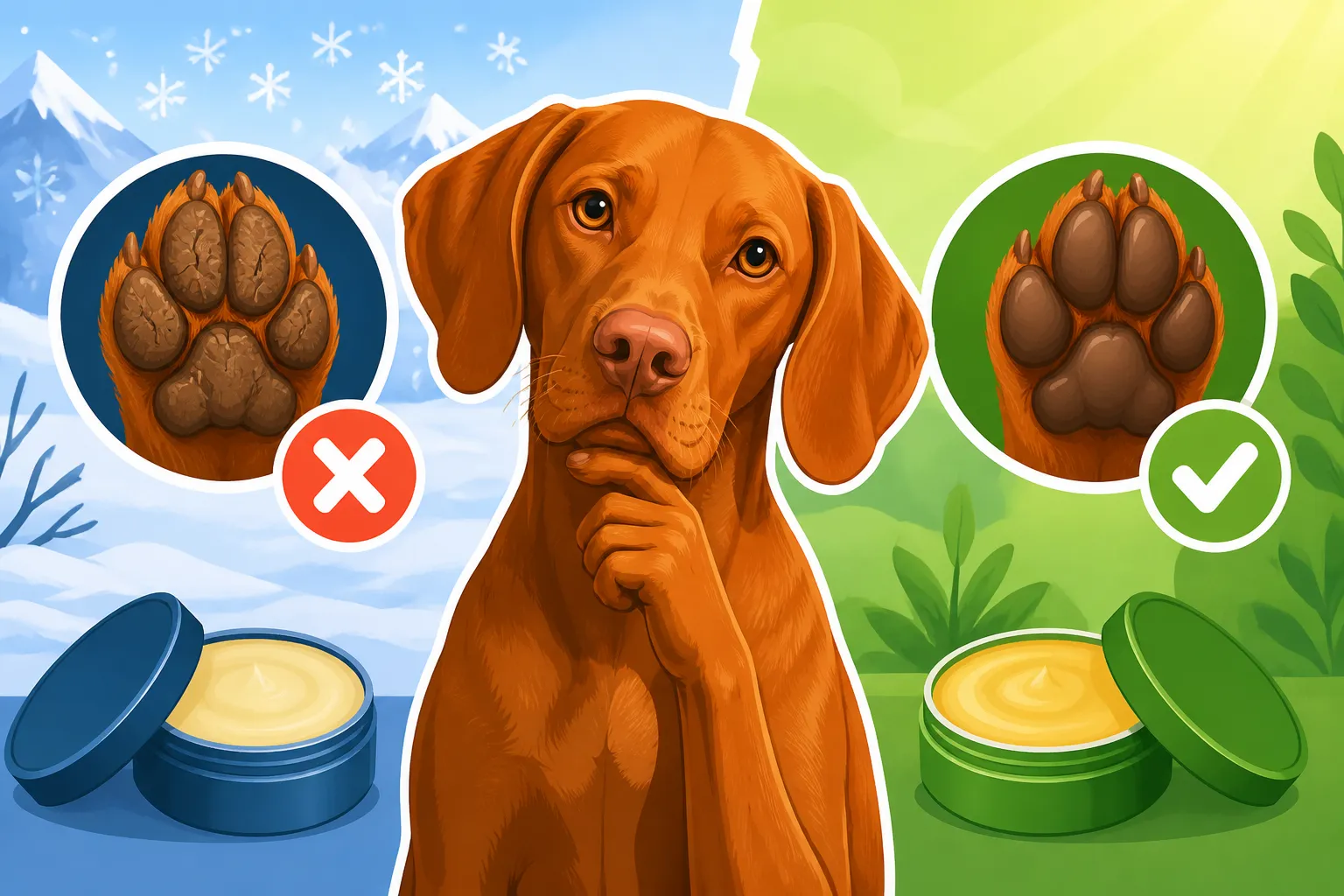
Whether a Vizsla Needs Paw Wax
One of the challenges of living with an active, energetic Vizsla is making sure every part of their body is ready for adventure, and that includes their hardworking paw pads. It’s easy to overlook these tough but sensitive areas until a problem arises, and trust me, dealing with cracked, sore, or injured paws can bring your Vizsla's beloved activities to a screeching halt, along with a hefty vet bill. This guide will dive deep into whether paw wax is a useful tool for protecting your Vizsla's feet, how it works, and when it truly becomes an essential part of their care routine.
Understanding Your Vizsla's Paw Pads – Why They're So Important and Vulnerable
Those magnificent amber eyes and sleek, golden-rust coat often steal the show, but a Vizsla's paws are their primary interface with the world. They’re built for speed, agility, and endurance, carrying your dog through thick and thin, literally. Neglecting their care can quickly lead to discomfort or worse, serious injury, impacting their quality of life and your shared adventures.
The Natural Design of a Vizsla's Paws
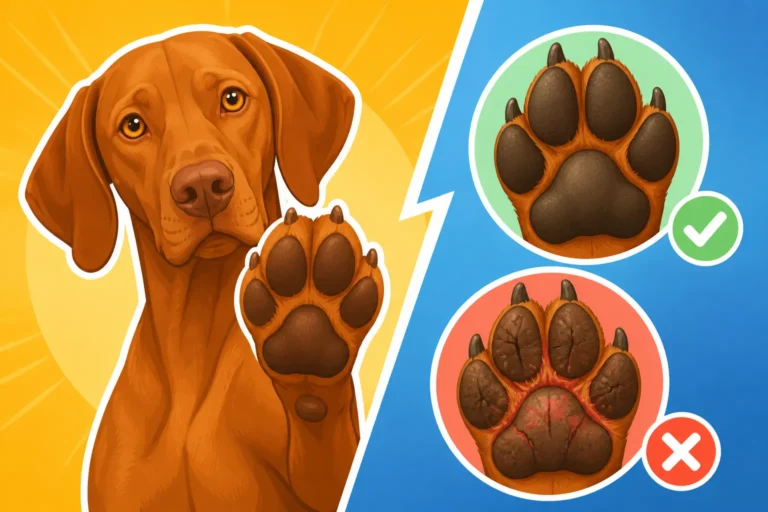
Think of your Vizsla's paw pads as nature's all-terrain tires. They are wonderfully designed with a thick layer of fatty tissue and elastic fibers, covered by tough, keratinized skin. This structure provides crucial cushioning against impact, protects underlying bones and joints, and offers grip on various surfaces. They’re also packed with nerve endings, making them surprisingly sensitive to pressure, temperature, and texture. While robust, they aren't invincible. Unlike us, your Vizsla isn't lacing up hiking boots before hitting the trails or donning flip-flops for a walk on scorching pavement. They rely solely on the integrity of those pads to navigate whatever terrain you throw at them, day in and day out. Their active lifestyle, by its very nature, means those pads are put through their paces constantly.
Common Threats to Vizsla Paw Health
Despite their innate toughness, paw pads face a relentless barrage of environmental assaults. As a Vizsla owner, you're likely familiar with how much these dogs love to run, explore, and simply be outdoors. That enthusiasm, unfortunately, often puts their paws at risk.
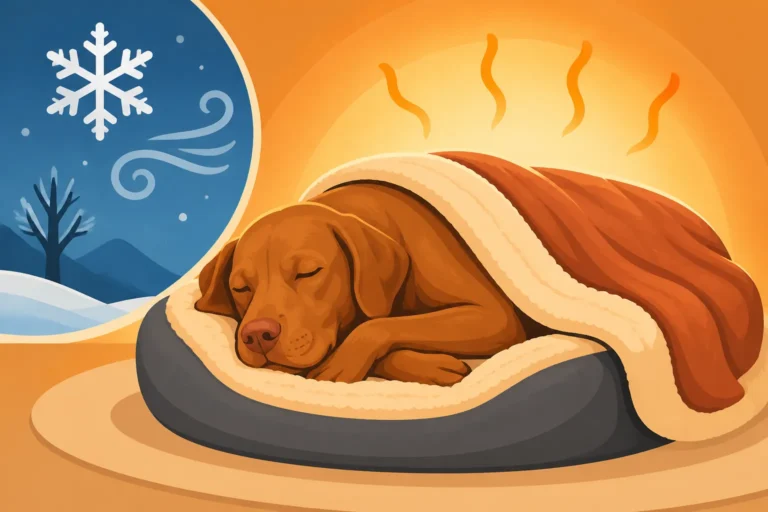
In the summer, imagine walking barefoot on asphalt that's been baking in the sun for hours. That's what your Vizsla's pads endure on hot pavements, leading to painful burns that can blister and peel. The heat can be intense, causing real damage before you even realize it. Conversely, winter brings its own set of challenges. Ice, snow, and the dreaded road salt are notorious for chapping and cracking delicate paw skin, much like our hands get dry in cold weather. Road salt, in particular, isn't just irritating; it can cause chemical burns, and if ingested when your Vizsla licks their paws, it can lead to upset stomachs. Protecting those paws becomes critical when they are Whether a Vizsla Hunts Late Season Birds or just enjoying a winter walk.
Beyond temperature extremes, the very terrain our Vizslas love to traverse poses threats. Gravel paths, sharp rocks, stubble in harvested fields, or even stray thorns can cause cuts, abrasions, and embedded splinters. Even seemingly innocuous surfaces, if abrasive enough, can wear down the pads over time, making them tender and prone to injury. Think about the rough ground they cover when you're out for The Two Hours a Vizsla Needs Before It Will Settle or How Far a Vizsla Should Run Daily. Lastly, dryness and cracking can occur simply from a lack of moisture or certain underlying skin conditions. Once a crack forms, it can deepen, become painful, and even open the door for bacterial infections, making paw care a year-round commitment. It's a key part of the broader effort of Managing a Vizsla's Skin for Life.
What Exactly Is Paw Wax and How Does It Work?
Given the myriad of threats, it’s no wonder many Vizsla owners look for ways to give their dog's paws a little extra help. That’s where paw wax comes in. It’s not just a fancy cosmetic; it’s a functional product designed specifically for canine paw protection and conditioning.
The Composition and Purpose of Paw Wax
At its heart, paw wax is typically a blend of natural, semi-solid ingredients. Common components often include various waxes like beeswax or carnauba wax, combined with moisturizing oils and butters such as coconut oil, shea butter, vitamin E, and sometimes essential oils known for their skin-healing properties. The beauty of these ingredients is that they are generally non-toxic and lick-safe, which is paramount since dogs inevitably lick their paws.
The primary purpose of paw wax is twofold: to create a protective barrier and to moisturize. Think of it like a natural shield for their feet. It forms a breathable layer over the paw pads that acts as a buffer against environmental stressors. But it’s not just for extreme winter conditions, as many assume; its benefits extend to year-round use, from scorching summer trails to everyday walks on abrasive city sidewalks. It’s about being proactive in preventing damage rather than reactive once problems arise.
How Paw Wax Protects and Conditions
Paw wax works its magic in several key ways, offering both immediate protection and long-term conditioning benefits for your Vizsla's paws.
Firstly, as a protective barrier, it’s incredibly effective. When applied to the pads, the wax creates a semi-permeable film that shields them from extreme temperatures. This means less burning on hot asphalt during summer runs and reduced risk of frostbite or painful chapping on ice and snow when you're out for those brisk winter romps. This barrier also protects against irritants like road salt, de-icing chemicals, and even allergens in the environment. It acts as a physical buffer, reducing direct contact with harsh elements. This is especially helpful if your Vizsla has The Thin Skin a Vizsla Takes Into the Field.
Secondly, the moisturizing and conditioning properties are invaluable. The oils and butters in the wax deeply penetrate the pad skin, preventing dryness and cracking. Supple, well-hydrated paw pads are more resilient and less prone to injury. If your Vizsla already has minor chapping or rough pads, regular application of paw wax can help to soothe and heal them, restoring their natural elasticity. This isn't just about comfort; healthy pads are less likely to tear or suffer from deeper fissures.
Finally, a less commonly known but significant benefit of some paw waxes is enhanced grip. The waxy texture can actually provide better traction on slippery indoor surfaces like hardwood floors, tile, or laminate. For an energetic Vizsla, who loves to dash through the house, this can prevent slips and falls, which can be particularly beneficial for older dogs or those dealing with conditions like Arthritis in a Vizsla at Ten where a sudden slip could cause serious injury. This extra grip can truly make a difference in their confidence and stability, whether they are navigating the kitchen floor or a wet hiking trail.
When Your Vizsla Definitely Needs Paw Wax (and When It's Optional)
While paw wax is a beneficial product, understanding when it shifts from a "nice-to-have" to a "must-have" is key to providing optimal care for your Vizsla. These dogs are athletes at heart, and their paw care should reflect that.
Scenarios Where Paw Wax Is Highly Recommended
There are specific situations where paw wax moves beyond a simple luxury and becomes a highly recommended, if not essential, part of your Vizsla's routine.
Firstly, extreme weather conditions are a major indicator. If you're planning to take your Vizsla hunting in snow or ice, or for long walks on salted roads in winter, paw wax is crucial. The combination of freezing temperatures and abrasive ice can quickly lead to chapped, cracked pads and even frostbite. Road salt is corrosive and can cause chemical burns, and the wax provides a vital protective layer against this. Similarly, in summer, if your Vizsla will be running or walking on scorching hot pavement, concrete, or sand, a protective layer of wax can help mitigate the risk of severe burns. Remember, their pads might be tough, but they aren't impervious to extreme temperatures. It's a critical tool for any Vizsla owner living in an area with pronounced seasons, especially when considering The Cold a Vizsla Genuinely Cannot Handle.
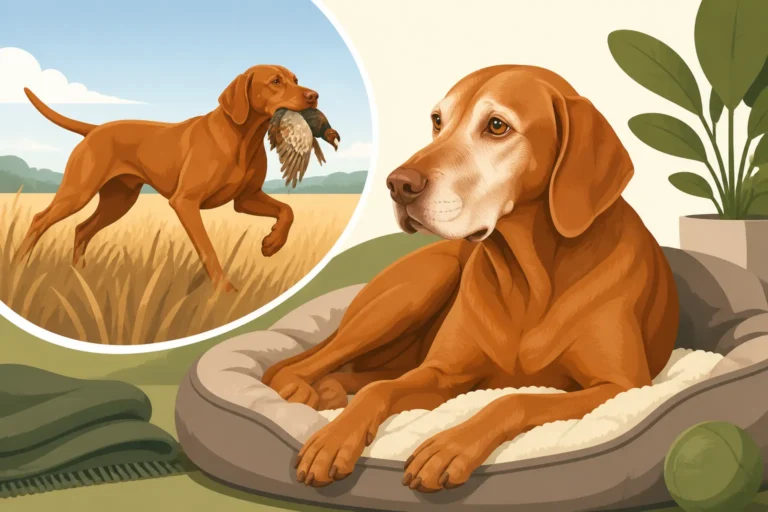
Secondly, for demanding activities, paw wax is a game-changer. Vizslas are built for endurance, and if your dog regularly participates in long hikes, trail running, extensive field work, or any activity involving rough, abrasive, or challenging terrain, their pads are taking a constant beating. Think of hunting over stubble fields, running through dense underbrush, or climbing rocky inclines. These activities put immense stress on the paw pads, leading to wear, tear, and potential injury. A good paw wax can reduce friction, provide a protective barrier against cuts and abrasions, and keep the pads conditioned to withstand the rigors of their work. This applies whether your Vizsla is a seasoned field dog or an enthusiastic weekend warrior exploring new trails. Regularly Checking a Vizsla Over After a Hunt should include a paw inspection and potential wax application.
Thirdly, if your Vizsla already has sensitive or damaged pads, paw wax can be a therapeutic aid. Dogs with naturally dry, cracked, or easily irritated paw pads will benefit immensely from the moisturizing and protective properties of the wax. It helps to heal existing minor cracks and prevent new ones from forming, improving their comfort and reducing the risk of infection. If your Vizsla often develops small nicks or tenderness after walks, consistent paw wax use can build up their resilience.
Lastly, for indoor traction, particularly for older Vizslas or those with developing joint issues, paw wax can be a blessing. As Vizslas age, they might become less steady on slippery indoor surfaces, and the improved grip from paw wax can help prevent dangerous falls. This seemingly small benefit can significantly enhance their quality of life and confidence in their own home.
When It Might Be Less Critical But Still Beneficial
While there are clear instances where paw wax is highly recommended, it’s important to note that not every Vizsla in every situation absolutely requires it. However, even in less critical scenarios, its use can still offer benefits.
If your Vizsla’s daily routine primarily consists of casual walks on soft grass, groomed trails, or well-maintained sidewalks in temperate weather, and they have naturally robust, problem-free paw pads, you might find that paw wax isn't a strict necessity. Similarly, a Vizsla that spends most of its time indoors with minimal outdoor exposure might not face the same level of paw challenges as a working dog or an avid adventure companion. In these cases, their pads may naturally maintain good condition.
However, even in these situations, paw wax can still be a beneficial preventative measure and a great conditioning treatment. Using it periodically, perhaps weekly or bi-weekly, can help keep pads supple and prevent potential dryness before it becomes an issue. It's a "better safe than sorry" approach that invests in their long-term paw health. It’s also worth considering if you're taking your Vizsla on a longer-than-usual walk or to a new, unfamiliar environment with potentially rougher surfaces. Think of it like taking a multivitamin – not always strictly necessary for daily survival, but certainly helpful for overall well-being. Keeping those pads healthy contributes to their overall ability to do what they love, like hunting, which is often tied to What a Vizsla Needs Every Day.
Choosing and Applying Paw Wax for Your Vizsla
Deciding to use paw wax is the first step; the next is knowing how to choose the right product and apply it effectively. It's not complicated, but a little knowledge goes a long way in ensuring you get the best results for your Vizsla.
Key Considerations When Selecting a Paw Wax
When you're standing in front of the myriad of options, it can feel a bit overwhelming. The most crucial factor when selecting a paw wax for your Vizsla is the ingredients. Always prioritize natural, non-toxic, and lick-safe components. Remember, your dog will inevitably lick their paws, so anything you put on them will likely end up in their system. Look for waxes like beeswax, carnauba wax, or candelilla wax, combined with nourishing oils and butters such as shea butter, coconut oil, and vitamin E. Avoid petroleum-based products, artificial fragrances, or harsh chemicals that could be irritating or harmful if ingested. You want something that will soothe and protect, not add to potential problems.
Consider the consistency and application method. Paw waxes typically come in two main forms: solid sticks or softer balms in tubs. Sticks are often more convenient for quick, mess-free application directly to the paw pads, especially when you're on the go. Balms in tubs usually require you to scoop out the product with your fingers, which can be a bit messier but allows for a more thorough massage into the pads and between the toes. Your personal preference and how your Vizsla tolerates having their paws handled will dictate which format works best for you both.
Finally, consider brand reputation and reviews. Brands like Musher's Secret have been around for a long time and are widely trusted by working dog owners. However, there are many excellent options available. Reading reviews from other active dog owners can provide valuable insights. You can easily find a good selection of quality paw waxes on sites like Chewy or Amazon, allowing you to compare ingredients and read customer feedback before making a purchase. Many of these products are designed specifically for dogs engaged in strenuous activities, making them ideal for a Vizsla.
Step-by-Step Application Guide
Applying paw wax is a straightforward process, but doing it correctly ensures maximum benefit and a positive experience for your Vizsla.
-
Start with Clean Paws: Before applying wax, make sure your Vizsla's paws are clean and dry. Dirt, mud, or debris on the pads can prevent the wax from adhering properly and might trap irritants. A quick wipe down with a damp cloth and thorough drying is usually sufficient. This is a great habit to incorporate into your post-activity routine, alongside Checking a Vizsla Over After a Hunt.
-
Apply a Thin Layer: Whether you're using a stick or a balm, gently rub a thin, even layer of the wax onto each paw pad. Don't forget to get in between the toes where cracks and irritation can often start. You don't need a thick coating; a little goes a long way. The idea is to create a protective, moisturizing film, not to make their paws greasy or slippery.
-
Allow to Absorb: After application, let the wax absorb for a few minutes. If you're indoors, you might want to keep your Vizsla distracted with a favorite toy or a quick cuddle to prevent them from immediately licking it off. Most natural waxes absorb fairly quickly, leaving a protective, non-greasy finish.
-
Frequency is Key: For active dogs, or during periods of extreme weather, daily application before outdoor activity is ideal for maximum protection. For general conditioning and maintenance, applying it a few times a week or as needed can be sufficient. Pay attention to the condition of your Vizsla's pads – if they're starting to look dry or rough, increase the frequency. Consistency is more important than heavy, infrequent applications.
-
Make It a Positive Experience: Many Vizslas love attention, so turn paw wax application into a positive bonding moment. Use a calm, reassuring tone, and offer praise and perhaps a small, high-value treat during or immediately after the process. This helps them associate paw care with good things, making future applications much easier.
Paw Wax vs. Other Paw Protection Options
Paw wax is a fantastic tool, but it's not the only option for paw protection. Understanding its place alongside other methods, especially dog boots, helps you make the best choices for your Vizsla's specific needs.
The Role of Dog Boots
Dog boots represent another layer of paw protection, offering a physical barrier that paw wax, by its nature, cannot replicate. There are times when boots are unequivocally the better choice, or even essential. For instance, if your Vizsla has a pre-existing paw injury, a cut, or a blister, a boot can protect the wound from further irritation or infection while it heals. In extremely deep snow or ice, boots offer superior protection against snow accumulation between toes, severe frostbite, and sustained exposure to harsh de-icing chemicals. If your Vizsla is working or hiking in terrain with truly sharp rocks, broken glass, or dense thorns that could easily puncture their pads, boots provide a more robust physical shield. It's an important consideration when thinking about Whether a Vizsla Needs Boots in Winter.
However, boots also come with their own set of drawbacks. Finding a pair that fits a Vizsla's sleek paws perfectly can be a challenge; ill-fitting boots can rub, cause blisters, or even alter their gait, leading to discomfort or injury. Many dogs find them awkward and uncomfortable at first, requiring a period of adjustment and training. They can also retain heat in warmer weather, which can be counterproductive, and they may limit the natural tactile feedback your Vizsla gets from the ground, which is important for their balance and agility.
Often, paw wax and boots are best used in a complementary fashion. Paw wax can be applied as a base layer even when using boots, offering conditioning and an extra layer of protection. For general outdoor activities and conditioning, paw wax is often sufficient and more comfortable. For extreme conditions or specific injury protection, boots step up to the plate.
Other Moisturizers and Home Remedies
Beyond dedicated paw waxes and boots, many Vizsla owners also explore other moisturizing options and home remedies. Products like pure coconut oil or shea butter are excellent for conditioning and soothing dry, chapped paw pads. They are natural, generally safe if licked, and can provide wonderful hydration. The advantage is their natural composition, making them a gentle option for regular moisturizing. Many people source these easily from grocery stores or online platforms like Amazon.
However, these pure oils and butters primarily offer moisturizing benefits and often lack the robust protective barrier that a well-formulated paw wax provides. While they can help prevent dryness, they typically won't create the same level of shield against hot pavement, cold ice, or chemical irritants. They might not have the same staying power or water resistance as a dedicated wax product. So, while they are fantastic for conditioning and minor dryness, they shouldn't be considered a direct substitute for paw wax in scenarios requiring significant environmental protection.
It’s always important to remember that for any serious paw issues – deep cuts, persistent limping, swelling, or signs of infection – a veterinary consultation is paramount. Home remedies and over-the-counter products are for preventative care and minor issues, not for diagnosing or treating serious medical conditions. Sometimes a problem that looks like simple dryness could be indicative of a broader issue that impacts Why a Vizsla's Immune System Is the Breed's Weak Point.
Table: Paw Wax vs. Dog Boots
To help you decide which protection is right for your Vizsla in any given situation, here's a quick comparison:
| Feature | Paw Wax | Dog Boots |
|---|---|---|
| Primary Function | Protects & conditions, forms a breathable barrier | Physical shield, heavy-duty barrier |
| Coverage | Pads and in between toes | Entire paw (sometimes extends up the leg) |
| Comfort | Generally well-tolerated, natural feel | Can be awkward, requires adaptation, may cause rubbing |
| Protection Type | Barrier against heat, cold, irritants, mild abrasions | Physical shield against sharp objects, deep snow, severe chemicals |
| Ease of Use | Quick rub-on, usually dries fast | Can be tricky to put on, may need adjusting, can fall off |
| Moisturizing | Yes, conditions and softens pads | No, can sometimes trap moisture/sweat |
| Visibility | Invisible once absorbed | Visible, can alter gait and appearance |
| When to Use | Daily outdoor activity, mild-moderate conditions, conditioning, indoor traction, general field work | Extreme conditions (temp/terrain), severe injuries, deep snow/ice, heavy salt/chemicals, prolonged exposure to hazardous surfaces |
Paw wax is a wonderfully versatile tool for the Vizsla owner. It offers practical, everyday protection and conditioning that supports your active companion's overall health and well-being. By incorporating it into your routine, you're not just protecting their paws; you're helping ensure they can continue to live their lives to the fullest, exploring every field, trail, and cozy spot in your home with comfort and confidence.
Disclaimer
This article is for general informational purposes only and does not constitute professional advice. Laws, prices and regulations vary by location and change over time. Consult a qualified professional for guidance on your specific situation.