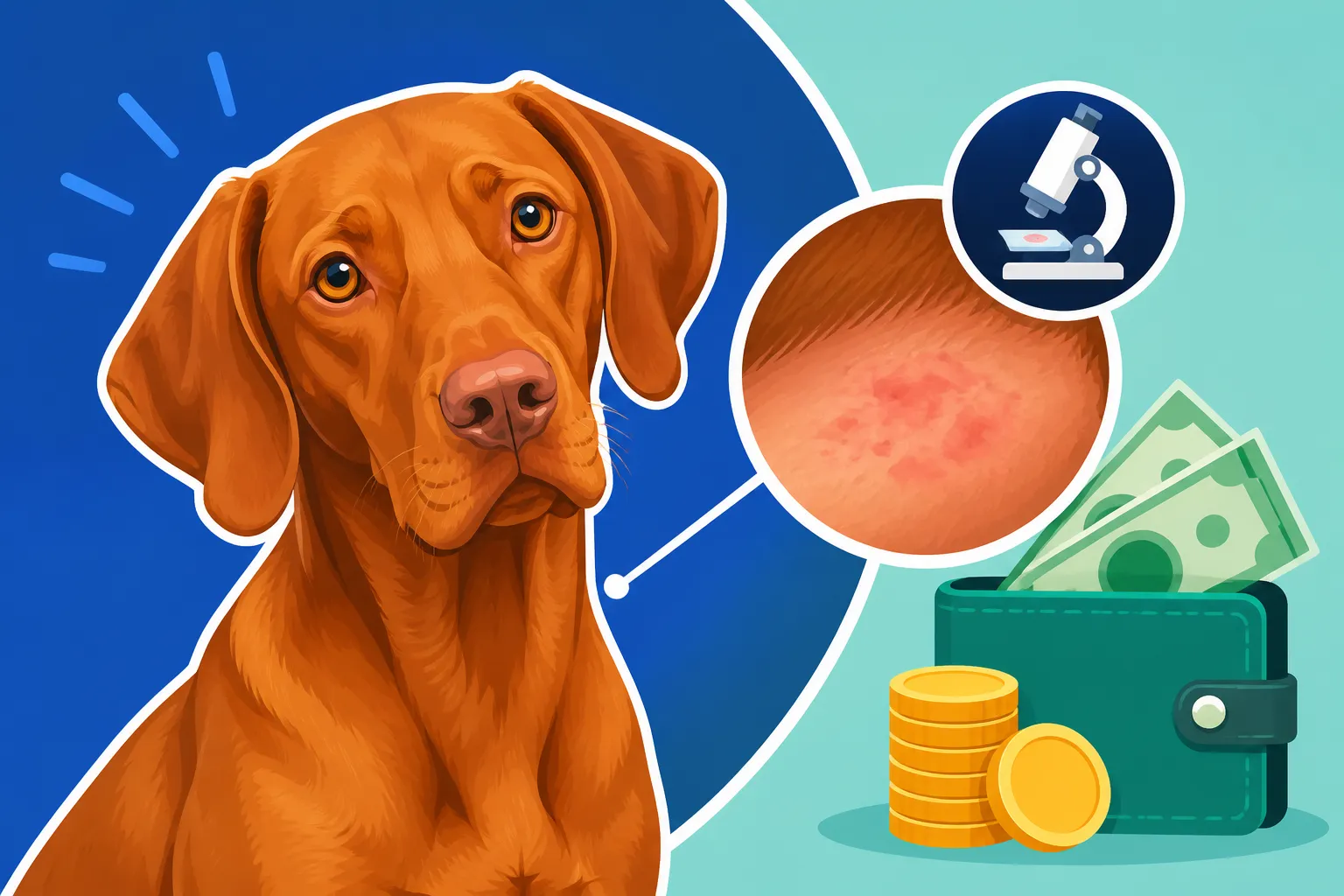
What a Vizsla’s Skin Biopsy Costs
It's incredibly frustrating when your beloved Vizsla starts showing skin issues. You try every shampoo, every dietary tweak, you search online forums for hours, but sometimes those persistent rashes, bald patches, or scabs just don't go away, and you're left feeling helpless, wondering what in the world is truly going on underneath that beautiful golden-rust coat. This guide aims to demystify the process and associated costs of a Vizsla skin biopsy, giving you a clear understanding of what to expect when your vet recommends this diagnostic step.
Why Your Vizsla Might Need a Skin Biopsy in the First Place
When your Vizsla's skin isn't right, it's not just a cosmetic issue; it's often a sign of discomfort, pain, or an underlying health problem. We all want quick answers, especially when our active, sensitive Vizslas are itching incessantly or developing strange lesions. But sometimes, surface-level diagnostics just don't cut it.
When Other Diagnostics Aren't Enough
You've probably already been down the road of basic diagnostics. This often starts with a trip to the vet where they might do skin scrapes to look for mites, impression smears to check for yeast or bacterial overgrowth, or even start a course of antibiotics or antifungals. They might recommend special diets or topical treatments. And for many common issues, these steps are absolutely effective.
However, there are times when these initial efforts don't yield a clear diagnosis or don't resolve the problem. This is when your vet, armed with a deep understanding of stubborn dermatological conditions, might suggest a skin biopsy. It means they're looking for answers at a cellular level, beyond what a microscope can show from a superficial sample. It's not a decision taken lightly, as it involves a minor surgical procedure, but it's often the only way to get a definitive diagnosis for complex or unusual skin diseases that have been unresponsive to standard treatments.
Common Vizsla Skin Conditions Requiring Deeper Investigation
Vizslas, unfortunately, can be prone to certain skin conditions that sometimes necessitate a biopsy for accurate identification and effective management. Conditions like autoimmune diseases, specific types of skin cancers, or rare inflammatory conditions often look similar on the surface but require vastly different treatment protocols.
For instance, if your Vizsla is experiencing symmetrical hair loss, especially along the back or sides, with a dull, dry, and flaky coat, and no obvious itching, your vet might suspect something like Sebaceous Adenitis. This is a condition where the sebaceous glands, responsible for producing skin oils, become inflamed and eventually destroyed. A biopsy is often the only way to confirm this tricky diagnosis. You might have noticed your Vizsla's skin flaking badly, which is a key indicator. What Sebaceous Adenitis Does to a Vizsla is a truly challenging condition to manage without a clear diagnosis.
Another concern could be persistent nodules, bumps, or ulcerations that don't heal. While many lumps are benign, some can be cancerous, and knowing the specific type of cancer (e.g., mast cell tumor, squamous cell carcinoma) is crucial for determining the best course of action. Inflammatory conditions that cause recurring sores, excessive scaling, or pigment changes, which might mimic allergies or infections, also frequently require a biopsy to differentiate them and guide appropriate, targeted therapy. This is particularly true if you’ve already been down the allergy rabbit hole with your vet, and nothing has stuck. Sometimes you just need to know if Whether a Vizsla Gets Atopic Dermatitis or something more systemic is at play.
Breaking Down the Costs: What Goes Into a Vizsla Skin Biopsy
The phrase "skin biopsy" can sound intimidating, and the cost can be a real concern for any Vizsla owner. It's not just a single fee; it's usually a combination of several services and procedures that all contribute to the final bill. Understanding these components can help you prepare financially and discuss options with your veterinarian.
Initial Consultations and Pre-Biopsy Work-Up
Before any biopsy even happens, there's usually a series of consultations and preliminary tests. Your vet will want to thoroughly examine your Vizsla again, review their medical history, and discuss all the treatments you've tried so far. This initial re-evaluation is crucial for pinpointing the best biopsy sites and deciding on the most appropriate diagnostic approach.
Often, pre-anesthetic blood work is required to ensure your Vizsla is healthy enough for sedation or general anesthesia. This blood panel checks organ function and blood cell counts, which are vital for assessing anesthetic risk. While a Whether a Vizsla Needs a Yearly Blood Panel is generally a good idea, this specific pre-surgical panel is targeted and might be additional if it hasn't been done recently or if there are specific concerns. These tests are paramount for your Vizsla's safety, and while they add to the cost, they are non-negotiable for responsible veterinary care. This stage can also include repeat skin scrapes or cultures if the vet wants to rule out any last-minute superficial issues before proceeding with an invasive procedure.
The Biopsy Procedure Itself
The actual biopsy involves collecting a small tissue sample from the affected skin. Depending on the location and nature of the lesion, this might be done using a punch biopsy tool (which takes a small circular core of tissue) or an excisional biopsy (where a larger piece of tissue, or even the entire lesion, is surgically removed). Most Vizslas will require some form of sedation or general anesthesia for this procedure to ensure they remain still and comfortable, and to minimize stress.
The cost of the procedure will include the anesthetic drugs, the time of the veterinary staff (vet and technician), sterile supplies, the biopsy tools themselves, and any sutures or dressings needed. If multiple sites need to be biopsied, which is often the case with generalized skin conditions, the cost will naturally increase due to more supplies and longer anesthetic time. Your vet will usually aim for the fewest, most representative samples possible to get the best diagnostic yield while minimizing invasiveness.
Laboratory Analysis and Pathology Reports
Once the tissue samples are collected, they don't just stay at your vet's office. They are carefully preserved and sent to a specialized veterinary pathology laboratory. Here, a veterinary dermatopathologist – a vet who specializes in diagnosing skin diseases from tissue samples – will process the samples, embed them in wax, slice them thinly, stain them, and examine them under a powerful microscope.
This lab analysis is a critical component of the cost. It includes the expertise of the specialized pathologist, the lab's equipment and overhead, and the generation of a detailed report. This report describes the microscopic changes in the tissue, offers a definitive diagnosis (if one can be reached), and often provides recommendations for treatment. The turnaround time for these reports can vary, but generally, you can expect to wait anywhere from a few days to a couple of weeks for the results. The insights gained from this report are invaluable, as they guide the long-term management strategy for your Vizsla's skin.
Factors That Influence the Final Bill
The cost of a Vizsla skin biopsy isn't set in stone; it's a dynamic figure that can fluctuate based on several variables. Understanding these can help you anticipate the potential financial outlay and make informed decisions with your vet.
Geographic Location and Veterinary Clinic Differences
Just like with human medical procedures, veterinary costs can vary significantly based on where you live. A biopsy in a major metropolitan area, where rents and staff salaries are higher, will generally cost more than in a rural clinic. Similarly, a specialist veterinary dermatologist might charge more than a general practice veterinarian, though their expertise can be invaluable for complex cases. The facility itself also plays a role; a state-of-the-art animal hospital with advanced diagnostic equipment and 24/7 staffing will typically have higher fees than a smaller, independent clinic.
For example, a clinic in a bustling city like San Francisco or New York will likely have higher operating costs, and thus higher procedure fees, than one in a smaller town in, say, Nebraska. It’s always a good idea to call around for estimates if you have multiple veterinary options in your area, though for something as specific as a biopsy, you’ll want to trust your primary vet’s recommendation on who is best equipped to perform it and interpret the results effectively.
Type of Biopsy and Anesthesia Needs
The specific method used for the biopsy will also impact the cost. A simple punch biopsy, where a small circular piece of skin is removed, is generally less expensive and requires less extensive sedation than an excisional biopsy, which involves surgically removing a larger or deeper section of tissue, or even an entire mass. If your Vizsla has multiple affected areas that need sampling, or if the lesions are in sensitive or difficult-to-access locations, the complexity and duration of the procedure will increase, thus raising the cost.
Furthermore, the type and duration of anesthesia are significant cost factors. While some very minor biopsies might be performed with local anesthetic and light sedation, most Vizslas will require general anesthesia, which involves careful monitoring of vital signs, intubation, and sometimes intravenous fluids. Vizslas are known for being quite lean and can be more sensitive to anesthesia, requiring careful monitoring. Whether a Lean Vizsla Is Harder to Anesthetize is a valid concern for many owners, and the veterinary team will account for this with appropriate protocols, which means specialized equipment and dedicated staff for monitoring, adding to the overall expense. Any pre-existing health conditions your Vizsla might have could also complicate anesthesia and lead to a higher cost for risk management.
Potential Complications or Additional Tests
While most skin biopsies are straightforward, complications can arise, which will naturally add to the cost. These might include unexpected bleeding, infection at the biopsy site, or a delayed healing process. If your Vizsla is particularly prone to licking or chewing at sutures, an Elizabethan collar might be needed, and possibly even additional pain medication or antibiotics.
Sometimes, the initial biopsy results aren't entirely conclusive, or they point to a very rare condition that requires further, more specialized testing on the tissue samples. This could involve immunohistochemistry or genetic testing, which are performed at specialized labs and carry their own separate fees. It’s important to understand that while the biopsy is meant to be definitive, sometimes the answers lead to more questions, and therefore, more diagnostic steps. This is why having an emergency fund or robust pet insurance is so important, especially for a breed like the Vizsla, where unexpected health issues like What Vizslas Are Most Often Treated For can pop up.
Navigating the Costs: Budgeting and Financial Support
The thought of an unexpected vet bill for a skin biopsy can be daunting, but there are ways to prepare and manage the financial aspect. Being proactive and understanding your options can alleviate some of the stress when your Vizsla needs this important diagnostic step.
Understanding Your Options and Getting Estimates
The very first step after your vet recommends a skin biopsy is to have an open and honest conversation about the costs involved. Ask for a detailed, itemized estimate that breaks down all the components: the consultation, pre-anesthetic blood work, anesthesia, the biopsy procedure itself, and the pathology lab fees. Don't be shy about asking questions if something isn't clear.
It's also perfectly acceptable to ask if there are different ways the procedure can be approached that might affect the cost, or if your vet is aware of any payment plans. While your priority is your Vizsla's health, financial transparency is key. Sometimes, your vet might be able to offer a range of prices depending on the complexity, or even recommend trusted specialists if your case is particularly challenging. If you’re a long-time client, don’t hesitate to discuss your financial situation with your vet’s office—they often have resources or recommendations you might not be aware of.
The Role of Pet Insurance
Pet insurance can be a lifesaver when unexpected health issues arise, and a skin biopsy is certainly one of those instances where it can make a significant difference. Policies vary widely, but many comprehensive plans will cover a portion of diagnostic tests, including biopsies, as long as the condition isn't pre-existing before you enrolled.
When considering pet insurance, look at plans from providers like Healthy Paws. They are often highly rated for their comprehensive coverage and straightforward claims process, which can provide immense peace of mind. It’s worth checking your specific policy or contacting your provider to understand what percentage they cover, what your deductible is, and if there are any limitations on diagnostic procedures. Some policies may have specific exclusions, so it's vital to read the fine print, especially regarding chronic conditions. Insuring a Vizsla Against Immune Disease is a smart move for many owners, given the breed's predispositions, and skin issues can certainly fall under that umbrella.
Here's a simplified example of how pet insurance might factor into a biopsy cost:
| Cost Component | Estimated Range (Vet Dependent) | Your Out-of-Pocket with 80% Reimbursement (after deductible) |
|---|---|---|
| Initial Consult | $75 – $150 | Covered by deductible |
| Pre-Anesthetic Bloods | $100 – $250 | Covered by deductible |
| Anesthesia | $300 – $700 | 20% of cost + deductible |
| Biopsy Procedure | $200 – $500 | 20% of cost + deductible |
| Pathology Lab Fees | $150 – $350 | 20% of cost + deductible |
| Total Estimated | $825 – $1950+ | Significant Savings |
Note: These are illustrative figures. Actual costs vary greatly by location, clinic, and case complexity. Your deductible and reimbursement rate will determine your exact out-of-pocket expense.
Managing Ongoing Skin Health Post-Diagnosis
Once you have a diagnosis from the biopsy, the next phase is treatment and long-term management of your Vizsla’s skin. The cost of the biopsy is just the first step in what could be an ongoing journey. Depending on the diagnosis, your Vizsla might need specialized medications, medicated shampoos, dietary changes, or supplements for the rest of their life.
For instance, if the biopsy reveals a condition that requires regular medication, you might find yourself ordering these through online pharmacies like Chewy to manage costs, as they often have competitive pricing and auto-ship options. If a dietary component is suspected, or if your vet recommends a highly digestible diet to support overall health and potentially reduce inflammation, you might explore options like Ollie for fresh, customized meal plans. While these might seem like additional costs, they are an investment in your Vizsla's comfort and long-term well-being. Managing a Vizsla's Skin for Life often involves a multi-faceted approach, and a biopsy provides the crucial roadmap. Setting aside money specifically for vet bills, as discussed in Setting Money Aside for a Vizsla's Vet Bills, is a wise strategy for any Vizsla owner.
Remember, a skin biopsy, while an investment, provides answers that can prevent prolonged suffering and costly, ineffective treatments down the line. It's about getting to the root of the problem so your beloved Vizsla can get back to being their happy, active self.
Disclaimer
This article is for general informational purposes only and does not constitute professional advice. Laws, prices and regulations vary by location and change over time. Consult a qualified professional for guidance on your specific situation.