Whether a Vizsla Should Rest an Hour After Eating
It’s a scenario many Vizsla owners know all too well: you’ve just fed your energetic dog, and now they’re staring at you with those soulful eyes, practically vibrating with the desire to play. But in the back of your mind, a little voice whispers, "What about bloat?" This deep-seated worry about Gastric Dilatation and Volvulus (GDV) often leaves us wondering exactly how long our beloved Vizsla needs to rest after eating. This guide aims to clear up the confusion and give you practical, realistic strategies to keep your Vizsla safe and happy.
The Bloat Risk for Vizslas and Why It Matters So Much
Let's face it, owning a Vizsla means you've probably heard the dreaded "B-word" more times than you can count. It's a terrifying reality for owners of deep-chested breeds, and Vizslas, with their unique build and high-energy disposition, are unfortunately among those at higher risk. Understanding why this risk is so prevalent helps us take the necessary precautions.
Understanding Gastric Dilatation and Volvulus (GDV)
Gastric Dilatation and Volvulus, commonly known as bloat, is not just an upset stomach; it's a life-threatening emergency. It happens in two stages:
- Dilatation: The stomach fills with gas, food, or fluid, causing it to distend. This alone is painful and puts pressure on other organs.
- Volvulus: The distended stomach then twists on its axis, cutting off blood supply to the stomach and spleen. This twisting also prevents gas and food from leaving the stomach, and blood from returning to the heart.
The onset is alarmingly rapid, and without immediate veterinary intervention, it's almost always fatal. The pain is excruciating, and the dog can go into shock very quickly. It's truly one of the scariest things a dog owner can experience, and for Vizsla guardians, it's a constant concern.
Breed-Specific Susceptibility
So, why are Vizslas so prone to this horrifying condition? It boils down to a few key factors inherent to the breed:
- Deep Chests: Vizslas possess that classic athletic, deep-chested build. This anatomical feature means their stomach has more room to swing and twist within the abdominal cavity, especially when it's full and heavy. It's a cruel irony that the very conformation that makes them such magnificent athletes also puts them at risk. This is why you'll often hear discussions about Whether a Deep Chested Vizsla Bloats specifically.
- High Energy Levels: Our Vizslas are perpetual motion machines, aren't they? They're always ready for action, always keen to run, jump, and play. This high level of activity, particularly immediately before or after eating, is a significant risk factor. A full stomach, jostling around during vigorous exercise, can be the catalyst for a twist.
- Fast Eaters: Many Vizslas are notorious "gulpers." They often eat their meals at warp speed, inhaling their kibble in minutes. This rapid ingestion can lead to swallowing a lot of air along with their food, contributing to gas buildup in the stomach – a precursor to bloat.
- Stress and Anxiety: Some studies suggest that anxious or stressed dogs may be more prone to bloat. Given how sensitive and Velcro-like Vizslas can be, managing their emotional well-being also plays a role in their overall health. A dog eating in a stressful environment might be more likely to gulp food and air.
The combination of these traits makes the question of "rest after eating" particularly pertinent for Vizsla owners. It's not just an old wives' tale; it's a genuine concern rooted in veterinary understanding of this devastating condition.
The "Rest After Eating" Rule: Fact, Fiction, or Nuance?
When it comes to the advice about resting a Vizsla after eating, it's less about it being pure fact or pure fiction and more about understanding the nuance. It's a crucial guideline, but sometimes misinterpreted, leading to unnecessary anxiety or, worse, insufficient precautions.
The Rationale Behind the Recommendation
The core idea behind advising rest after eating is solid: you want to minimize any activity that could cause a full, heavy stomach to slosh around or move excessively, thereby reducing the chance of it twisting. Imagine trying to run a marathon right after Thanksgiving dinner – your stomach wouldn't appreciate it! For a Vizsla, with its anatomical predispositions, that jostling can be far more dangerous than just a bad case of indigestion.
Here’s why it’s so important:
- Mechanical Stress: A stomach full of food and water is heavier and more cumbersome. When a dog runs, jumps, or rolls around, especially vigorously, the stomach can swing. This motion, combined with possible gas buildup, can create the perfect storm for a torsion.
- Gas Accumulation: Exercise immediately after a meal can exacerbate gas production or entrapment within the stomach. When the stomach is distended with gas, it becomes more unstable and much more likely to twist.
- Blood Flow: Digestion requires significant blood flow to the stomach and intestines. Intense exercise diverts blood flow to the muscles, potentially slowing digestion and leaving the stomach in a vulnerable state for longer.
So, the recommendation to rest is not about making your Vizsla lazy; it's about respecting their physiology and reducing a known, preventable risk factor for a deadly condition. Many Vizsla owners also consider proactive measures like a gastropexy, a surgical procedure that tacks the stomach to the abdominal wall, to permanently reduce the risk of volvulus, especially if their dog is in a high-risk category or has a family history of bloat. This is a big decision, and certainly one to discuss with your vet, especially if you're worried about Whether a Vizsla Needs a Gastropexy.
What Constitutes "Rest" for an Energetic Vizsla?
This is where the nuance really comes into play. For an energetic breed like a Vizsla, "rest" doesn't mean your dog has to be in a coma-like state for an hour. It means calm activity and avoiding anything that involves high-impact movement, sudden stops and starts, or significant jostling of the abdomen.
Here's a breakdown of what "rest" generally looks like:
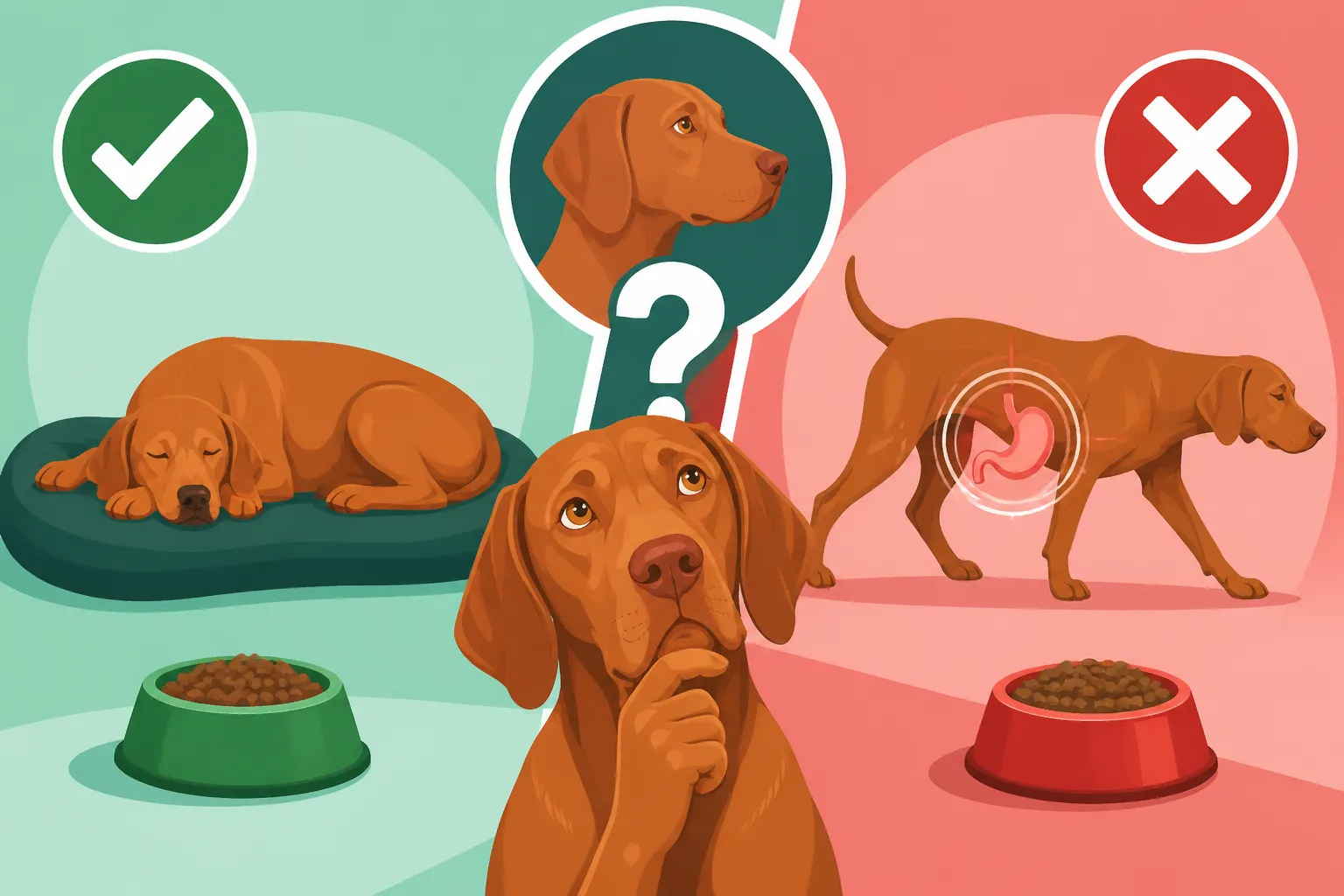
- Good Activities (Calm):
- Napping/Sleeping: Ideal, of course! A sleepy Vizsla after a meal is a happy, safe Vizsla.
- Quiet Chewing: A chew toy (not one that induces frantic chewing, but a gentle gnaw) can be a good, calming distraction.
- Snuggling on the Sofa: Many Vizslas excel at this, embracing their "Velcro" nature.
- Potty Break on a Leash: A gentle walk on a leash to relieve themselves, without any running or playing, is usually fine.
- Light Grooming: A calm brush out or a little ear cleaning could be a relaxing post-meal activity.
- Bad Activities (High-Risk):
- Running/Sprinting: Absolutely no zooming around the yard or going for a run.
- Jumping: No jumping on furniture, jumping for toys, or agility practice.
- Roughhousing/Play Fights: Avoid any wrestling with other dogs or people.
- Intense Training Sessions: While mental stimulation is good, an intense obedience or retrieve training session should be avoided.
- Swimming: The combination of a full stomach and the specific movements of swimming can be particularly risky.
The general recommendation is to allow at least 60 minutes of calm rest after a meal. For some dogs, or after a particularly large meal, extending this to 90 minutes or even two hours might be a safer bet. You know your Vizsla best; if they're particularly prone to gulping or seem more restless, err on the side of caution. Remember, the goal is to let their stomach begin the digestion process undisturbed.
Practical Feeding Strategies for Your Vizsla
Beyond the post-meal rest, there are several practical strategies you can implement into your daily routine to further minimize the risk of bloat for your beloved Vizsla. These aren't just about managing the hour after eating, but about a holistic approach to their feeding habits.
Timing Meals Around Activity
One of the easiest yet most effective ways to manage bloat risk is by strategically scheduling your Vizsla's meals. Think about when your dog is naturally less active, or when you can ensure a period of calm afterward.
- Before Sleep or Quiet Time: A common and excellent strategy is to feed your Vizsla right before their longest period of rest, such as in the evening before bedtime. This ensures they're naturally winding down and less likely to engage in vigorous activity. Similarly, if your Vizsla typically naps in the afternoon, feeding them before that nap can work well.
- After Major Exercise: If your Vizsla thrives on a big morning run or a long training session, wait until they've had their major burst of activity, have calmed down, and have been allowed to fully cool off before offering food. Give them at least an hour to truly relax before mealtime. This prevents them from immediately jumping into high-energy play with a full stomach. Our Vizslas need The Two Hours a Vizsla Needs Before It Will Settle after intense exercise anyway, so coordinating meals with this natural cool-down period makes perfect sense.
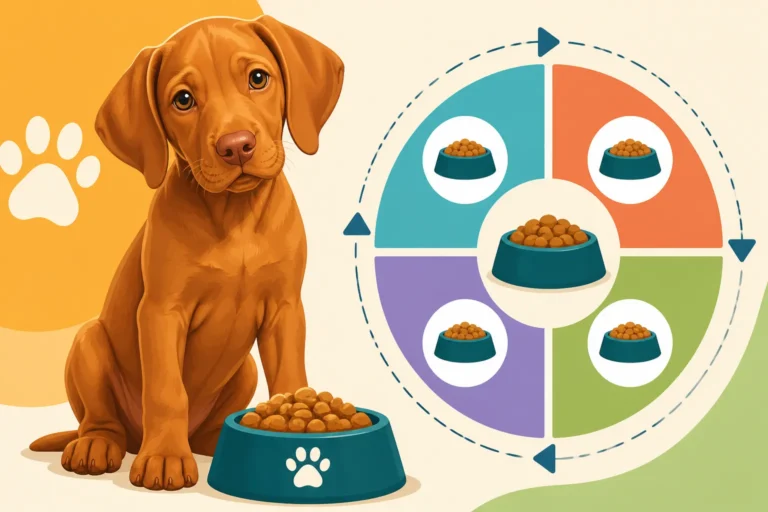
- Multiple Smaller Meals: Instead of one or two large meals a day, consider breaking your Vizsla's daily food allowance into three or even four smaller portions. This reduces the sheer volume of food in the stomach at any one time, making it less likely to distend excessively and twist. This can also help with maintaining consistent energy levels throughout the day for a working dog. Remember to adjust the total How Much an Adult Vizsla Eats Daily to ensure they still get all their necessary calories.
Slowing Down a Bolting Eater
As mentioned, many Vizslas are champion gulpers. They can finish a bowl of kibble in what feels like seconds, ingesting a lot of air in the process, which increases bloat risk. Thankfully, there are many tools and techniques to slow them down.
- Slow Feeder Bowls: These bowls have ridges, mazes, or pillars inside that force your dog to eat around obstacles, significantly extending mealtime. They come in various designs and materials. You can easily find a wide selection of these on sites like Chewy or Amazon, offering options to suit any dog's eating style.
- Puzzle Feeders: Similar to slow feeders but often more interactive, puzzle feeders make your dog "work" for their food by manipulating parts of the feeder to release kibble. This not only slows them down but also provides valuable mental stimulation, which is crucial for intelligent breeds like Vizslas.
- Spreading Food Out: A simple, low-tech solution is to spread your Vizsla's meal across a large baking sheet or even directly on a clean, tiled floor. This forces them to take individual pieces of kibble, slowing down the ingestion considerably.
- Hand Feeding or Training: Incorporate mealtime into a training session. Use portions of their meal as rewards for commands or tricks. This turns eating into an activity that builds your bond and makes them think, rather than just gulp. If your Vizsla is a notorious fast eater, this is a topic worth exploring further, especially if you're concerned about Whether a Vizsla Bolts Its Food.
Hydration and Its Role
Proper hydration is vital, but how your Vizsla drinks can also play a role in bloat prevention.
- Consistent Access to Fresh Water: Always ensure your Vizsla has access to clean, fresh water. Dehydration can cause problems, and restricting water can lead to a dog gulping too much at once when finally given access.
- Avoid Gulping Large Amounts Immediately Before/After Meals: While access should be consistent, try to prevent your Vizsla from rapidly consuming huge quantities of water immediately before or after a meal. A full stomach combined with a rapid influx of water can increase the volume and weight, making it more prone to twisting. Offer smaller, frequent drinks or slightly moisten their kibble to add hydration gradually.
Beyond the Meal: Holistic Bloat Prevention
While managing mealtime and post-eating rest is paramount, preventing bloat in Vizslas is a more comprehensive endeavor. It involves looking at their diet, environment, and overall health to create the safest possible routine for them.
Diet Quality and Ingredients
The type of food your Vizsla eats can also play a role in bloat susceptibility. While there's no single "anti-bloat" diet, certain considerations are worth discussing with your veterinarian.
- Avoid Highly Fermentable Ingredients: Some diets, particularly those high in certain carbohydrates or ingredients that produce a lot of gas during digestion, might contribute to bloat. Discuss your dog's diet with your vet to ensure it's appropriate for a high-energy, deep-chested breed.
- Consider Fat Content: Some research suggests diets higher in fat might be associated with a lower risk, but this is not universally agreed upon and should be balanced with your Vizsla's overall nutritional needs. For a working Vizsla, maintaining a healthy weight and energy level is critical, so ensuring they have enough calories and appropriate nutrients is key. Whether a Vizsla Needs a Performance Formula might be a question you've considered, and it's worth exploring how different formulations impact digestion.
- Food Formulations: Some owners wonder about the impact of kibble size or shape, or if wet food is safer. Again, research is inconclusive, but ensuring your dog isn't inhaling tiny pieces too quickly is a good general rule. For those exploring alternative diets, perhaps looking into fresh food services like Ollie could be a conversation starter with your vet, especially if you have concerns about Whether a Vizsla Has a Sensitive Gut or specific ingredient sensitivities.
Ultimately, choosing a high-quality, easily digestible diet that suits your individual Vizsla is important. Always make changes gradually to avoid upsetting their stomach.
Managing Stress and Anxiety
A calm environment contributes significantly to a dog's well-being, including their digestive health.
- Calm Eating Environment: Ensure your Vizsla eats in a quiet, undisturbed place where they feel safe and relaxed. Avoid feeding them immediately after a stressful event or in an area with a lot of noise or activity. If you have multiple dogs, feed them separately to prevent competition and anxiety.
- Routine and Predictability: Dogs thrive on routine. Consistent meal times and predictable daily schedules can reduce overall stress levels for sensitive Vizslas. If your Vizsla experiences separation anxiety or gets easily stressed, addressing those underlying issues can have a positive impact on their physical health. For some Vizslas, the thought of being left alone, even for a short while, can be stressful, which is why Why a Vizsla Cannot Be a Kennel Dog is a common topic among owners. A less anxious dog is generally a healthier dog.
Recognizing the Signs of Bloat
This is perhaps the most critical piece of information for any Vizsla owner. Early recognition and immediate action are the only things that save a dog from bloat. Time is absolutely of the essence. You need to know what to look for so you can act quickly.
Here are the key signs of bloat (GDV):
- Restlessness and Pacing: Your dog can't get comfortable, constantly shifting position, pacing, and looking agitated.
- Non-Productive Retching: This is a hallmark sign. Your dog will try to vomit repeatedly, but nothing comes up, or only foamy saliva.
- Distended Abdomen: The belly will appear visibly swollen, tight, and drum-like to the touch. This can develop very rapidly.
- Pain: Whining, groaning, hunching, and guarding their abdomen if you try to touch it.
- Excessive Drooling: Due to nausea and discomfort.
- Short, Shallow Breaths: Difficulty breathing as the distended stomach presses on the diaphragm.
- Pale Gums and Weak Pulse: Signs of shock developing.
- Collapse: In advanced stages, the dog may collapse.
If you suspect bloat, even for a second, do not wait. Get your Vizsla to an emergency veterinary clinic immediately. This is not a condition you can "wait and see" with. Every minute counts.
To help differentiate bloat from a milder tummy ache, consider this table:
| Sign/Symptom | Possible Bloat (GDV) | Typical Upset Stomach (e.g., indigestion) |
|---|---|---|
| Abdominal Swelling | Rapidly distending, hard, drum-like belly | Mild distension, usually softer, may come and go |
| Retching/Vomiting | Persistent, non-productive retching (nothing comes up or only foam) | Actual vomiting of food or bile, often brings relief |
| Pain Level | Severe pain, hunching, whining, guarding abdomen | Mild discomfort, possibly licking lips, may be restless |
| Behavioral Changes | Pacing, inability to settle, distressed, frequently looking at abdomen, weakness | Mild restlessness, may seem "off," reduced appetite |
| Drooling | Excessive drooling due to intense nausea and discomfort | Mild drooling, usually associated with immediate nausea |
| Gum Color/Breathing | Pale gums, rapid shallow breathing, weak pulse, collapse | Normal gum color and breathing, no signs of shock |
| Urgency | EMERGENCY! IMMEDIATE VETERINARY CARE REQUIRED. | Monitor, contact vet if symptoms worsen or persist for hours |
Caring for a Vizsla comes with its unique set of responsibilities, and bloat prevention is definitely high on that list. By understanding the risks, implementing smart feeding strategies, and staying vigilant for any signs, you're doing your absolute best to keep your wonderful companion healthy and safe.
Disclaimer
This article is for general informational purposes only and does not constitute professional advice. Laws, prices and regulations vary by location and change over time. Consult a qualified professional for guidance on your specific situation.