Whether a Vizsla Shivers Indoors
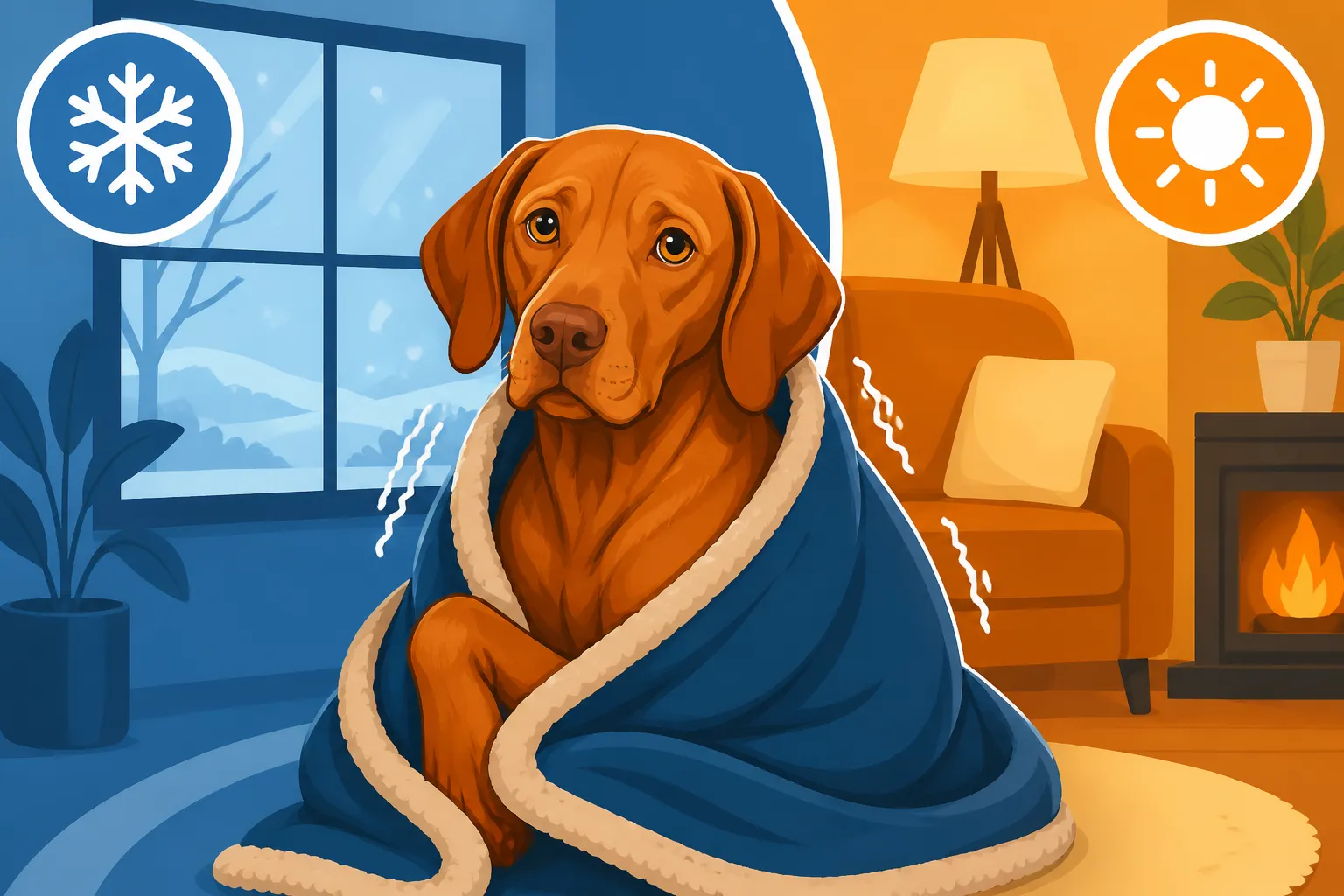
One common frustration many Vizsla owners face, even when their beloved companions are tucked safely inside, is seeing them shiver. It’s puzzling, isn’t it? You’ve got the heating on, perhaps a fire going, and yet your lean, athletic Vizsla is trembling like a leaf. This guide is here to unravel the mystery of why your Vizsla might be shivering indoors and offer practical, empathetic solutions to keep them comfortable and warm, both physically and emotionally.
Understanding the Vizsla's Unique Coat
The first step to understanding why your Vizsla shivers indoors is to appreciate the unique characteristics of their coat and body type. These aren't just cosmetic traits; they're fundamental to how your Vizsla interacts with temperature, and frankly, why they're often a lot colder than they look.
The Single-Layered Truth
Unlike many other breeds, particularly those developed for colder climates or diverse outdoor work, the Vizsla possesses a single-layer coat. There’s no fluffy, insulating undercoat hiding beneath that sleek, golden-rust fur. Imagine wearing a single thin long-sleeved shirt in winter versus a thick fleece – that’s the difference. This fine, short, dense coat is incredibly efficient for shedding water and drying quickly, which is fantastic when they’re working birds in a damp field or taking a quick dip. However, it offers very little in the way of thermal insulation against sustained cold, whether it’s outdoors or a drafty corner indoors.
This means that while they might look robust and warm, their body heat can dissipate very quickly. They don't have that extra buffer that breeds like Labradors or German Shepherds do. This single-layered coat is a key reason why they are often sensitive to even moderate drops in temperature, making them prone to shivering even when you, their human, feel perfectly comfortable. It’s not just a quirk; it's a design feature that has implications for their daily comfort, both inside and out. The Single Coat a Vizsla Has and Why It Changes Everything delves deeper into this fascinating aspect of their physiology.
The Lack of Insulating Fat
Beyond their single coat, Vizslas are built for speed and endurance, not for storing fat. They are incredibly lean, athletic dogs with very little body fat. Think of them as canine athletes, finely tuned machines with a high metabolism. While this leanness is ideal for their working purpose – allowing them to be agile, swift, and tireless in the field – it means they lack the natural, insulating layer of fat that chunkier breeds possess. This absence of a subcutaneous fat layer further exacerbates their susceptibility to cold.
Their bodies are constantly burning calories to maintain their high energy levels, generating internal heat. However, without a thick coat or a significant fat layer to trap that heat, it escapes easily into the environment. This combination of a thin, single coat and minimal body fat means that when the ambient temperature drops, their core temperature can fall quickly, triggering the natural physiological response of shivering to generate warmth. It’s their body’s way of saying, “Hey, I’m getting cold over here, let’s make some heat!”
Environmental Factors That Make Them Shiver
While their unique physiology is a primary driver, the environment they’re in also plays a huge role in why your Vizsla might be shivering indoors. Sometimes, it’s not just the overall temperature, but specific conditions that make all the difference.
Room Temperature and Drafts
What feels like a pleasant, cozy room temperature to you might be quite chilly for a Vizsla. Remember, their baseline for comfort is often higher due to their lean build and single coat. A house set at 68-70°F (20-21°C) might be perfectly fine for most humans, but for a Vizsla who has been curled up still for a while, it can feel too cool, especially if they’re lying directly on a cold floor or near a window.
Drafts are another silent culprit. A small draft from under a door, around a window frame, or even from a poorly insulated wall can be enough to cause localized chilling, leading to shivering. Because they love to sprawl out and seek out interesting spots, a Vizsla might unknowingly choose a drafty place to rest. Their low body profile also means they are closer to the floor where colder air tends to settle. If you notice your Vizsla frequently relocating or burrowing deeply into blankets, it might be a subtle sign they’re trying to escape a chilly spot. Why a Vizsla Needs Somewhere Warm to Sleep elaborates on the importance of providing insulated resting areas.
Post-Exercise or Bath Chill
Vizslas are high-energy dogs, and a good run or an intense training session can raise their body temperature considerably. Once they come indoors and their activity ceases, their body temperature can drop rapidly. This is especially true if they're a bit damp from a run in misty weather or after a bath. The evaporation of moisture from their short coat acts like a super-efficient cooling system, and without that insulating undercoat, there's nothing to slow down the chill.
Many owners notice their Vizsla shiver after coming inside from a brisk walk or an outing, even if the indoor temperature is moderate. Their muscles, which were working hard to generate heat, now need to recover, and their metabolism is still trying to regulate. If they're wet, this effect is amplified. It’s crucial to ensure they are thoroughly dried off and have a warm, draft-free place to settle after any physical exertion or a bath. A soft towel rub or even a dedicated dog drying coat can make a big difference in preventing these post-activity shivers.
Physiological Reasons for Shivering Beyond Cold
While cold is a common reason for shivering, it's certainly not the only one. Vizslas are incredibly sensitive dogs, and their shivering can often be a tell-tale sign of deeper emotional or physical states. It’s important to learn to read these cues, as they communicate a lot about your dog’s inner world.
Stress, Anxiety, and Excitement
Vizslas are famously dubbed "Velcro dogs" for a reason – they are highly bonded to their people and are incredibly attuned to their environment and emotions. This sensitivity, while endearing, also makes them prone to experiencing strong emotional responses, which can manifest as shivering.
Think about a time your Vizsla has been overly excited, perhaps when you grab their leash for a walk or when a beloved family member arrives home after a long absence. That rapid, full-body tremor, often accompanied by happy panting and frantic tail wags, is pure excitement. Their nervous system is simply buzzing with anticipation.
On the flip side, stress and anxiety can also trigger shivering. A new environment, loud noises like thunderstorms or fireworks, a visit to the vet, or even separation anxiety can cause a Vizsla to tremble uncontrollably. They might not be cold at all, but their body is reacting to an internal state of unease or fear. This type of shivering is often accompanied by other signs of stress, such as tucking their tail, panting, yawning excessively, licking their lips, or seeking comfort. Understanding Signs a Vizsla Is Suffering Alone can help you identify if separation anxiety is contributing to their indoor shivering.
Pain or Illness
While less common for everyday indoor shivering, it's vital to recognize that shivering can also be a symptom of pain or illness. If your Vizsla is shivering persistently, without an obvious cause like cold or excitement, and especially if it's accompanied by other unusual symptoms, it's time to pay close attention.
Underlying medical conditions can cause shivering. This might include anything from a fever due to an infection, to discomfort from an injury, or even a reaction to certain medications. If your Vizsla seems lethargic, isn't eating, has diarrhea or vomiting, is limping, or generally seems "off" in addition to shivering, don't dismiss it as just being cold. Conditions like certain autoimmune diseases, thyroid issues, or even neurological problems can sometimes present with shivering as a symptom. While they are known for their stoicism, a persistent shiver can be a subtle cry for help. It’s a good idea to monitor their behavior closely and, when in doubt, consult your veterinarian.
Practical Solutions to Keep Your Vizsla Warm Indoors
Seeing your Vizsla shiver, regardless of the reason, can be concerning. Fortunately, for most cases of indoor shivering related to temperature or mild anxiety, there are plenty of practical and comforting solutions you can implement right away.
Providing Cozy Resting Spots
This is perhaps the most fundamental and effective step. Since Vizslas lack natural insulation, they need artificial warmth and softness. Investing in high-quality, insulated bedding is crucial. Think about:
- Elevated Beds: These get them off cold floors and away from drafts. Many come with memory foam or orthopedic support, which is a bonus for their joints, especially as they age.
- Deep, Bolstered Beds: Beds with raised sides provide a sense of security and allow them to curl up, trapping their body heat. They love to burrow!
- Plenty of Blankets: Vizslas adore blankets. They will expertly nose their way under them, creating their own little warm cocoon. Have several soft, warm blankets readily available on their bed, on the sofa, and anywhere else they like to nap. You can find a huge selection of cozy dog beds and blankets on Chewy or Amazon. Whether a Vizsla Burrows Under Blankets for Warmth is definitely a common trait you'll see.
- Heated Beds: For particularly chilly homes, older dogs, or those recovering from illness, a low-wattage heated dog bed can be a game-changer. These provide consistent, gentle warmth that can soothe aching joints and prevent shivering. Whether a Vizsla needs a heated bed is a question many owners ask, and for many, the answer is a resounding yes!
Strategically place these cozy spots in warmer areas of your home, away from exterior doors and windows, and consider adding rugs to bare floors in their favorite areas.
Strategic Layering and Apparel
Don't underestimate the power of dog apparel, even indoors! Just as you might throw on a sweater when you're a bit chilly inside, your Vizsla can benefit from a lightweight shirt or sweater.
- Indoor Sweaters/Fleece: A soft fleece or knit sweater can provide that crucial extra layer of insulation that their single coat lacks. This is especially helpful for puppies, senior Vizslas who might feel the cold more acutely, or simply on cooler days indoors.
- Dog Pajamas: Believe it or not, dog pajamas are a real thing and can be wonderful for Vizslas, particularly overnight. They keep their core warm and can also help with mild skin sensitivities by preventing them from scratching.
- Warm Coats for Coming Indoors: If your Vizsla has been out in the cold, even for a short time, putting a warm, dry coat on them immediately upon coming inside can help them regulate their temperature faster and prevent shivering. Whether a Vizsla Needs a Winter Jacket is a common consideration for outdoor activities, but indoor use is also valid.
When choosing apparel, always prioritize comfort and fit, ensuring it doesn't restrict their movement. Look for breathable fabrics that are easy to wash.
Diet and Metabolism Support
A healthy, well-fed Vizsla is better equipped to manage its body temperature. Their high metabolism means they burn through calories quickly, and if they're not getting adequate nutrition, their body might struggle to generate sufficient internal heat.
- High-Quality Food: Ensure your Vizsla is on a high-quality, nutrient-dense diet appropriate for their age and activity level. For working Vizslas, this often means a performance-oriented kibble with higher fat and protein content. Brands like Ollie offer fresh, balanced meals that can be great for overall health, and many premium kibbles available on Chewy or Amazon are formulated for active breeds. Keeping Weight on a Vizsla That Burns Everything is a constant challenge for many owners, and a good diet is foundational.
- Consistent Feeding Schedule: Feeding them regularly throughout the day can help maintain a steady metabolic rate, providing a continuous source of energy for heat production.
- Supplements: While not a substitute for a good diet, some owners find omega-3 fatty acid supplements beneficial for overall skin and coat health, which indirectly contributes to better insulation. Always discuss supplements with your vet.
- Consider Calorie Needs: If your Vizsla is very active or prone to losing weight easily, you might need to slightly increase their caloric intake, especially during colder months, to support their metabolism and help them stay warm. How Much a Working Vizsla Eats can be surprising to new owners!
Remember, a lean Vizsla is a healthy Vizsla, but "lean" doesn't mean underweight. You should be able to feel their ribs easily, but not see them prominently. If you’re unsure about their ideal weight or diet, consult your vet.
When to Be Concerned: Recognizing Other Causes
While many instances of indoor shivering are benign – simply a cold Vizsla or an excited one – it’s crucial for owners to differentiate these from shivering that might indicate a more serious underlying issue. Your Vizsla can't tell you what's wrong, so learning to interpret their body language and symptoms is paramount.
Observing Accompanying Symptoms
The key to knowing when to be concerned lies in observing what else is happening when your Vizsla shivers. Is the shivering isolated, or are there other signs that something isn't right?
Consider these questions:
- Does the shivering stop when they warm up? If a cozy blanket or moving to a warmer spot immediately alleviates the shivering, it’s most likely temperature-related.
- Is it accompanied by fear or anxiety signals? Look for a tucked tail, panting, lip licking, yawning, restlessness, dilated pupils, or trying to hide. If so, emotional distress is a likely cause.
- Are there signs of pain or discomfort? Is your Vizsla vocalizing, limping, reluctant to move, guarding a particular body part, or showing aggression when touched?
- What about general health indicators? Is their appetite normal? Are they drinking water as usual? Are their bowel movements and urination regular? Any changes here, combined with shivering, should raise a red flag.
- Is there lethargy or weakness? A Vizsla that is shivering and unusually tired, weak, or unresponsive needs immediate attention.
- Are they running a fever? While harder to tell without a thermometer, signs like hot ears, red gums, or general malaise can suggest a fever.
A table can help visualize the difference:
| Symptom Category | Benign Shivering (Cold/Excitement) | Concerning Shivering (Pain/Illness/Severe Anxiety) |
|---|---|---|
| Cessation | Stops quickly with warmth or reduction of stimulant. | Persistent, doesn't stop with warmth or comfort. |
| Behavior | Alert, happy, seeking interaction (excitement); normal otherwise. | Lethargic, withdrawn, restless, anxious, seeking solitude, aggressive. |
| Appetite | Normal or increased (excitement). | Reduced or absent. |
| Other Physical | Normal gait, clear eyes, no vomiting/diarrhea. | Limping, vomiting, diarrhea, labored breathing, visible pain, fever, swelling. |
| Duration | Intermittent, short-lived. | Constant, prolonged, or worsening. |
| Trigger | Obvious (cold draft, arrival of person, treat time). | No clear external trigger, or reaction is disproportionate. |
If you're seeing multiple signs from the "Concerning Shivering" column, it's time to act.
Consulting Your Veterinarian
When in doubt, always err on the side of caution and consult your veterinarian. They are the best resource to help determine if your Vizsla's shivering is harmless or indicative of a medical issue. Don't hesitate to reach out if:
- The shivering is persistent and unexplained: You’ve addressed all the environmental and emotional factors, and your Vizsla is still shivering.
- New or unusual symptoms appear: Any of the "Concerning Shivering" symptoms listed above are present alongside the shivering.
- Your Vizsla seems to be in pain: They are crying out, limping, guarding, or reluctant to move.
- There's a sudden change in behavior: They are unusually withdrawn, aggressive, or lethargic.
- You suspect a fever or illness: They feel hot, are vomiting, have diarrhea, or simply seem unwell.
- The shivering is accompanied by a collapse or loss of consciousness: This is an emergency and requires immediate veterinary attention.
Your vet can perform a physical examination, potentially run blood tests, or conduct other diagnostics to pinpoint the cause of the shivering and recommend the appropriate treatment. Early intervention can often prevent more serious complications. Remember, you know your Vizsla best, and if your gut tells you something isn't right, trust that instinct. What Vizslas Are Most Often Treated For can give you an idea of common health issues, but never self-diagnose.
Disclaimer
This article is for general informational purposes only and does not constitute professional advice. Laws, prices and regulations vary by location and change over time. Consult a qualified professional for guidance on your specific situation.