The Temperature a Vizsla Needs a Coat At
If you're a Vizsla owner, you've probably noticed it: that tell-tale shiver even on a brisk autumn day, or the way your dog seeks out the warmest spot in the house, burrowing under blankets like a canine mole. It can be a real head-scratcher, especially for a breed known for its boundless energy and working drive. Many people wonder at what specific temperature their active, lean Vizsla truly needs a protective coat, and this guide is here to shed some light on why these otherwise hardy dogs can be so sensitive to the cold and how to keep them comfortable and safe.
Understanding the Vizsla's Unique Coat
The first step to understanding your Vizsla's relationship with cold weather is to really look at their coat. Unlike many other breeds built for outdoor work, Vizslas have a very distinct coat type that offers less natural protection than you might expect. It's truly a case of form following function, but sometimes that function doesn't include staying toasty in chilly conditions.
The Single Layer Dilemma
Vizslas possess what is known as a single coat. This means they don't have the dense, insulating undercoat that breeds like Labradors, German Shepherds, or Siberian Huskies boast. That plush, woolly layer is what traps air close to the skin, creating a barrier against the cold. Your Vizsla, however, lacks this natural "thermal underwear." Their short, sleek, golden-rust fur is designed for other purposes entirely: it's excellent for shedding water quickly, reducing drag when moving through dense cover, and allowing them to feel the faintest air currents to scent game.
This single layer, while beautiful and functional for hunting, simply doesn't provide much in the way of insulation when temperatures drop. Think of it like wearing a t-shirt in winter – it might cover you, but it won't keep you warm. Owners often feel a pang of guilt watching their otherwise robust dog start to shiver, and it's important to understand this isn't a sign of weakness; it's just the reality of The Single Coat a Vizsla Has and Why It Changes Everything. Their streamlined physique, while perfect for speed and agility in the field, doesn't come with a built-in winter wardrobe.
Thin Skin and Lack of Body Fat
Beyond the single coat, Vizslas are also characterized by their famously thin skin. If you've ever gently run your hand over your Vizsla, you can feel how close their skin is to their muscle and bone. There isn't a thick layer of subcutaneous fat acting as an additional insulator, which many other breeds possess. This thin skin, combined with their lean, athletic build, means they have very little natural padding to protect them from the cold.
Their high metabolism, which fuels their incredible energy and drive, also means they burn through calories quickly. While this helps them stay warm during intense activity, it also means that when they're still, their body temperature can drop quite rapidly. They are built like finely tuned athletes, designed for bursts of speed and endurance, not for static warmth retention. This lean body composition, while desirable for their working role, makes them inherently less tolerant of cold temperatures compared to stockier, fatter breeds. It's a key reason why Whether a Vizsla Feels the Cold is such a common question among owners.
How Vizslas React to Cold Temperatures
Understanding why your Vizsla feels the cold is one thing, but recognizing how they express it is crucial for their well-being. These aren't dogs that will necessarily complain loudly; sometimes, their signals can be subtle, especially if they're focused on a task or eager to please.
Shivering and Seeking Warmth
The most obvious sign that your Vizsla is feeling chilly is shivering. It might start as a subtle tremor, then progress to full-body shakes. This is your dog's involuntary way of trying to generate heat through muscle contractions. You might also notice them tucking their tail between their legs, hunching their back, or lifting paws off the cold ground. They'll actively seek out warmer spots, whether it's a sunny patch of grass, a cozy bed, or, most commonly, pressing themselves against you for body heat.
Indoors, a Vizsla that's too cold might curl into a tight ball on the sofa, trying to minimize their exposed surface area, or burrow deeply under blankets or pillows. If you observe them engaging in these behaviors even when the house temperature seems comfortable to you, it's a strong indicator that they are experiencing cold stress. The Temperature a Vizsla Starts Shivering At can be higher than you'd imagine for a dog, demonstrating their sensitivity.
The Dangers of Prolonged Exposure
Beyond discomfort, prolonged exposure to cold temperatures can pose serious health risks for a Vizsla. Hypothermia, a dangerously low body temperature, is a genuine concern, particularly if they are wet or exposed to wind. Symptoms can include persistent shivering (which might eventually stop as their body struggles to conserve energy), lethargy, weakness, shallow breathing, and stiff muscles. In severe cases, hypothermia can be life-threatening.
Even less extreme cold can have negative impacts. Joint stiffness and muscle discomfort can become more pronounced, especially in older Vizslas or those with pre-existing orthopedic conditions. Just like us, cold can make their muscles tight and achy, making movement less comfortable and potentially exacerbating any underlying issues. For a breed that thrives on movement, this can significantly impact their quality of life. Furthermore, cold, wet conditions can make them more susceptible to respiratory infections, highlighting why proactive protection is so important.
Determining When Your Vizsla Needs a Coat
There's no single "magic number" that applies to every Vizsla, but there are clear guidelines and factors to consider when deciding if it's coat weather for your best friend. It's about being observant and understanding your individual dog's needs.
The "Rule of Thumb" Temperature Guidelines
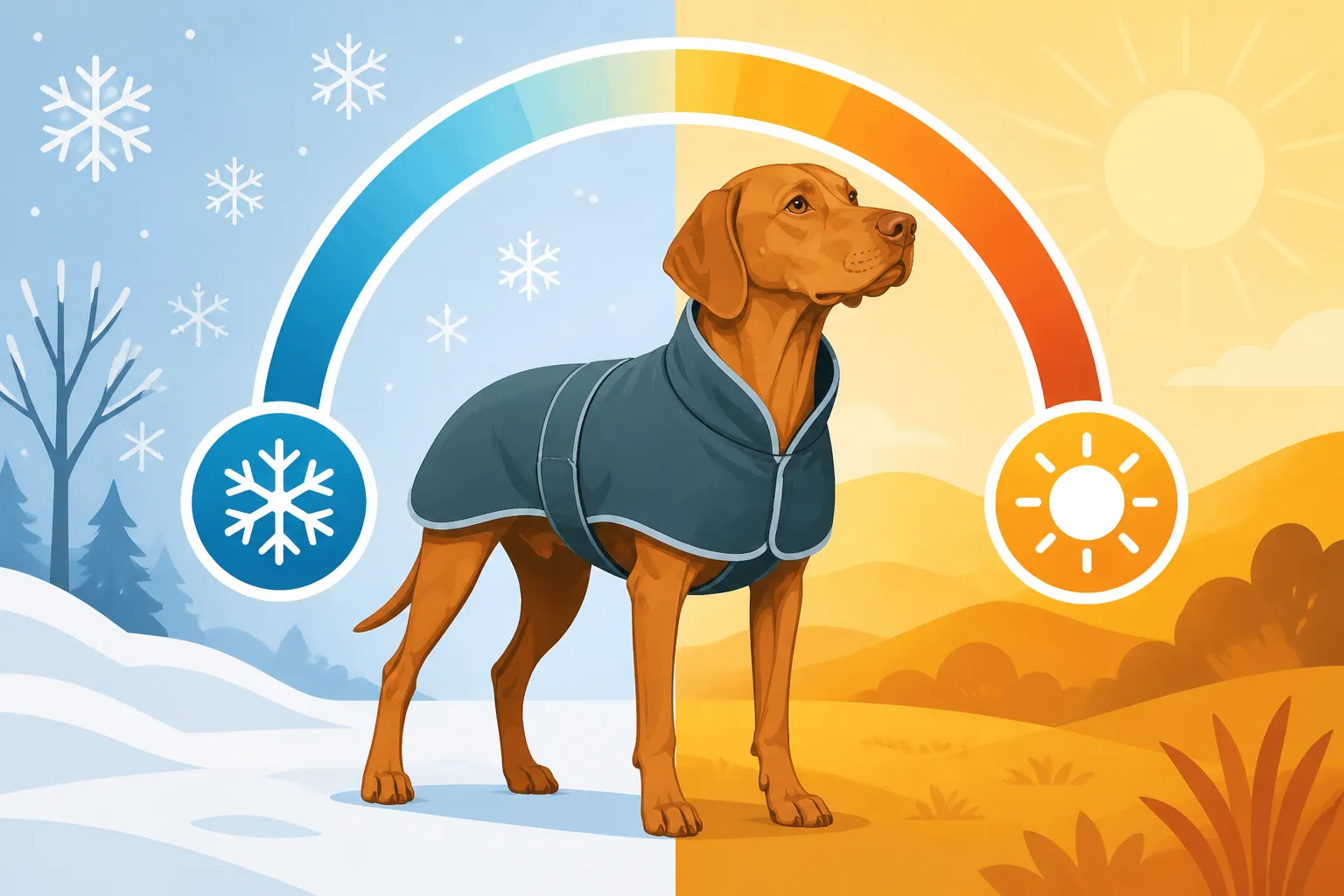
Generally speaking, for a healthy adult Vizsla, when temperatures drop below 45-50°F (7-10°C), it's time to start thinking about a coat, especially if you're going to be outside for an extended period or if there's any wind or dampness. Below 32°F (0°C), a coat is almost always a good idea for any outdoor activity, even a quick walk. If the temperature dips below 20°F (-6°C), outdoor time should be very limited, and a well-insulated, waterproof coat is essential.
However, these are just starting points. A sunny, still 45°F day can feel very different from a damp, windy 45°F day. Pay close attention to your dog's cues – if they are shivering, walking stiffly, or reluctant to be outside, they are telling you they are cold, regardless of what the thermometer says. Remember that Whether a Vizsla Shivers Indoors is a sign that even inside, they might be chilly, hinting at their overall sensitivity.
Factors Beyond Just Temperature
Temperature alone doesn't tell the whole story. Several other factors play a significant role in your Vizsla's cold tolerance:
- Wind Chill: Wind dramatically increases how quickly heat is lost from the body. A 40°F day with a strong wind can feel like a much colder temperature to your dog.
- Wetness: If your Vizsla gets wet, either from rain, snow, or swimming, their ability to retain body heat plummets. Evaporation causes rapid cooling, making a coat crucial. This is particularly true for a working Vizsla. Whether a Vizsla Needs Two Coats for Wet Cold is a question many serious hunters grapple with, often opting for a waterproof outer shell over an insulating layer.
- Activity Level: A Vizsla vigorously running and hunting will generate more body heat than one standing still or walking slowly. If they're actively working in the field, they might tolerate cooler temperatures without a coat for a while, but once they stop, their body temperature can drop quickly. If they're just on a leash walk, they'll need that protection sooner.
- Age and Health: Puppies and senior Vizslas are more susceptible to cold. Puppies have less body fat and a less developed thermoregulatory system, while older dogs might have health conditions like arthritis or Thyroid Failure in a Vizsla that make them less able to cope with cold. Whether an Old Vizsla Feels the Cold More is a definite yes, and they often need extra layers.
- Individual Variation: Just like people, some Vizslas are more tolerant of cold than others. Observe your dog's individual response. One might start shivering at 50°F, while another might be comfortable a little longer.
Consider scenarios like waiting in a cold car before a hunt, or standing still during training – these are times when a coat is particularly beneficial. Even indoor drafts can make a Vizsla uncomfortable, leading them to Whether a Vizsla Curls Up Tight to Stay Warm or seek out heated areas.
Choosing the Right Coat for Your Vizsla
Once you've determined your Vizsla needs a coat, the next challenge is selecting the right one. With so many options available, it can feel overwhelming, but focusing on function and fit will guide you.
Materials and Insulation
A good Vizsla coat needs to provide warmth without restricting movement. Here’s what to look for:
- Insulation: Fleece-lined coats are excellent for dry, cool weather, providing a soft, warm layer. For colder temperatures, look for coats with synthetic insulation, similar to what you'd find in human winter jackets. Brands often use materials like Thinsulate or proprietary blends that offer warmth without bulk.
- Waterproof/Water-Resistant Outer Shell: This is non-negotiable for wet conditions, especially if your Vizsla is active outdoors or Whether a Vizsla Hunts in Freezing Weather. A waterproof outer layer prevents rain or melting snow from soaking through to the insulating layer, which would render it useless and make your dog even colder. Many top brands offer durable, breathable waterproof fabrics.
- Windproof: Even if it's not raining, a strong wind can cut right through a non-windproof coat. A wind-resistant outer shell is crucial for those blustery days, keeping the chill at bay.
When you're browsing sites like Chewy or Amazon, you'll find a vast selection. Pay close attention to the material descriptions. A simple "raincoat" might protect from wetness but offer no warmth, whereas a "winter dog jacket" should provide both.
Practical Features for Active Vizslas
A Vizsla's coat isn't just about looking stylish; it needs to be functional for their active lifestyle:
- Fit and Coverage: The coat should cover your Vizsla's back, sides, and ideally, a good portion of their chest and belly. This is where a lot of heat loss occurs. Look for adjustable straps to ensure a snug, yet comfortable fit that doesn't chafe or restrict their natural running gait. It shouldn't impede their shoulder movement, which is critical for their hunting stride.
- Freedom of Movement: Your Vizsla needs to run, jump, and point without feeling constricted. Avoid overly bulky coats that might hinder their agility or get caught on brush. Many good hunting-specific dog coats are designed with this in mind, often featuring stretch panels or articulated designs.
- Visibility: If you're out in low light, fog, or hunting, reflective strips or bright colors (like blaze orange) are vital for safety. Many active dog coats incorporate these features.
- Leash Attachment: A harness or collar opening on the back of the coat is a practical feature, allowing you to easily attach a leash without the coat getting in the way.
- Ease of Use: You want a coat that's easy to put on and take off, especially with an eager or squirmy Vizsla. Simple buckles, Velcro, or zippers that are easy to manipulate with cold fingers are a plus.
Consider What a Coat for a Vizsla Costs and invest in quality. A well-made coat will last longer and provide better protection, making it a worthwhile investment for your dog's comfort and health.
Acclimating Your Vizsla to Wearing a Coat
Some Vizslas take to wearing a coat immediately, while others might view it as a strange, restrictive garment. Patience and positive reinforcement are key to making it a comfortable experience for them.
Positive Reinforcement and Gradual Introduction
Don't just spring the coat on your Vizsla and expect them to love it. Start by letting them sniff and investigate the coat. Associate it with positive things like treats and praise. Hold the coat out, give a treat. Lay it on their back for a second, give a treat.
Once they're comfortable with its presence, try putting it on for very short durations inside the house. Engage them in a favorite activity, like a quick game of fetch, or offer a puzzle toy while they're wearing it. This distracts them and helps them associate the coat with enjoyable things. Gradually increase the time they wear it. If they seem uncomfortable or try to paw at it, take it off calmly, take a break, and try again later. Never force it, as this can create a negative association. This process is similar to introducing them to any new gear, be it a harness or new boots.
Monitoring for Comfort and Fit
Even with a gradual introduction, it's vital to continuously monitor your Vizsla for signs of discomfort or an improper fit. A coat that chafes or restricts movement is worse than no coat at all, as it can cause skin irritation or even affect their gait and balance.
After they've worn it for a bit, check for red spots or rubbed areas, especially around the armpits, chest, and neck. The coat should be snug enough not to shift or get caught on things, but loose enough that you can easily slide two fingers under any strap. Observe your Vizsla walking and running while wearing the coat; do they move naturally, or do they seem stiff or awkward? Are there any areas where the coat bunches or pulls? If a coat doesn't fit well, don't hesitate to try a different size or style. There are many options out there, including those with athletic cuts designed specifically for active breeds available on platforms like Chewy and Amazon, which can make a big difference for your lean Vizsla.
Seasonal Considerations and Cold Weather Care
Protecting your Vizsla from the cold isn't just about throwing on a coat; it's part of a holistic approach to their care, especially as the seasons change and they age.
Winter Hunting and Outdoor Activities
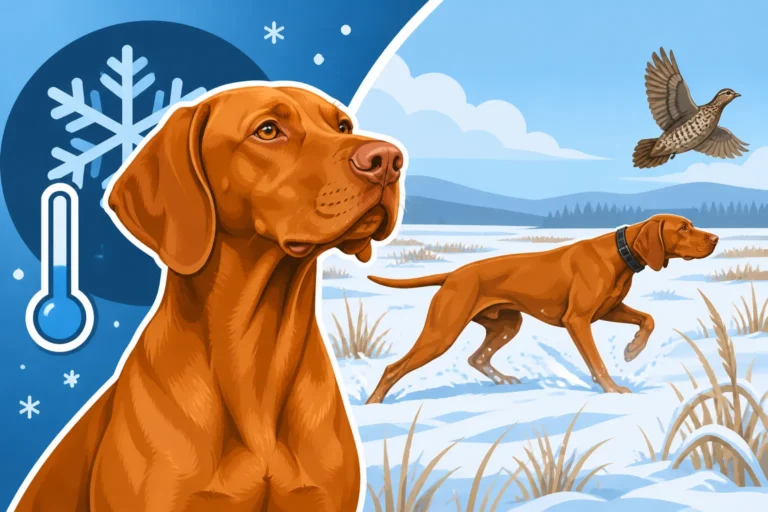
For the working Vizsla, winter hunting presents unique challenges. Even with a coat, careful monitoring is essential. Short hair and lean bodies mean they will chill faster than a double-coated retriever, especially during periods of inactivity like waiting for the flush or retrieving from cold water. Whether a Vizsla Hunts in Freezing Weather depends heavily on proper preparation.
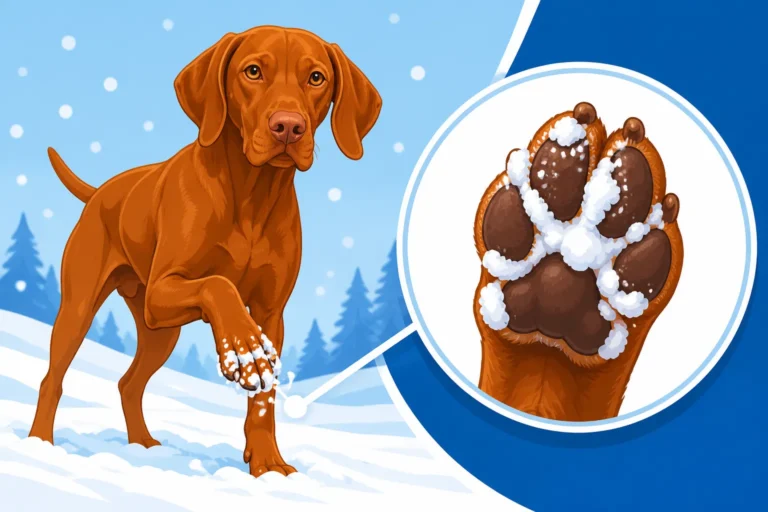
Always have a warm, dry coat ready to put on your Vizsla during breaks or while traveling between hunting spots. If they get wet, towel them off thoroughly before putting on a dry coat. Consider paw protection, such as balm or even boots, to prevent ice, snow, and de-icing chemicals from irritating their pads. Ensure they stay well-hydrated, as dogs can still get dehydrated in cold weather, and adjust their diet to include more calories if they are working hard in the cold. A higher-fat performance kibble or even fresh food options like Ollie might be beneficial to help them maintain condition and generate internal warmth.
Indoor Warmth and Comfort
When the outdoor adventures are done, ensuring your Vizsla has a warm and comfortable indoor environment is just as important. Given their sensitivity, they truly appreciate a cozy spot.
- Warm Beds: Provide soft, insulated bedding, preferably elevated off the cold floor. Orthopedic beds are excellent for older Vizslas with stiff joints. Many dogs also enjoy self-warming beds that reflect their body heat back to them. You can find a wide variety of comfortable beds on Amazon or Chewy.
- Blankets: Vizslas are champion burrowers! Offer plenty of soft blankets for them to tunnel into. This is where Whether a Vizsla Should Wear a Fleece Indoors becomes relevant – a lightweight fleece can be a comfortable extra layer inside if your dog tends to shiver even in a heated home. This can be especially true if they are less active due to age or injury.
- Draft-Free Zones: Pay attention to where your Vizsla chooses to sleep. Is it away from drafty windows or doors? Sometimes simply moving their bed can make a big difference. An old Vizsla, in particular, will seek out warmth and will absolutely appreciate a soft, insulated bed away from drafts. The Old Vizsla That Still Wants to Hunt may still have the heart for the field, but their body often needs more consideration for warmth and recovery afterward.
By being mindful of both their outdoor gear and indoor comfort, you can ensure your beloved Vizsla stays happy, healthy, and warm, regardless of the chill in the air.
| Temperature Range | Vizsla Comfort Level & Action Needed | Recommended Coat Type | Other Considerations |
|---|---|---|---|
| 50-60°F (10-15°C) | Mildly cool. Monitor for shivering, especially if sedentary or breezy. | Lightweight fleece, thin rain shell for dampness. | Good for brisk walks. Limit standing still. |
| 40-50°F (4-10°C) | Cool. Coat generally recommended for outdoor activity, especially prolonged. | Fleece-lined, water-resistant. | Watch for wind chill. Active dogs might be okay for short bursts. |
| 32-40°F (0-4°C) | Chilly. Coat highly recommended for any outdoor exposure. | Insulated (e.g., synthetic fill), waterproof/windproof. | Limit time outdoors. Monitor paw pads. |
| 20-32°F (-6-0°C) | Cold. Coat essential. Short outings only. | Heavily insulated, fully waterproof and windproof. | Paw protection (boots/balm) vital. Avoid prolonged stillness. |
| Below 20°F (Below -6°C) | Dangerously cold. Very limited outdoor exposure, only for potty breaks. | Maximum insulation, full coverage, possibly layered. | Hypothermia risk. Paw and ear protection. Senior/puppies should stay indoors. |
This article is for general informational purposes only and does not constitute professional advice. Laws, prices and regulations vary by location and change over time. Consult a qualified professional for guidance on your specific situation.