Whether a Vizsla Should Wear a Fleece Indoors
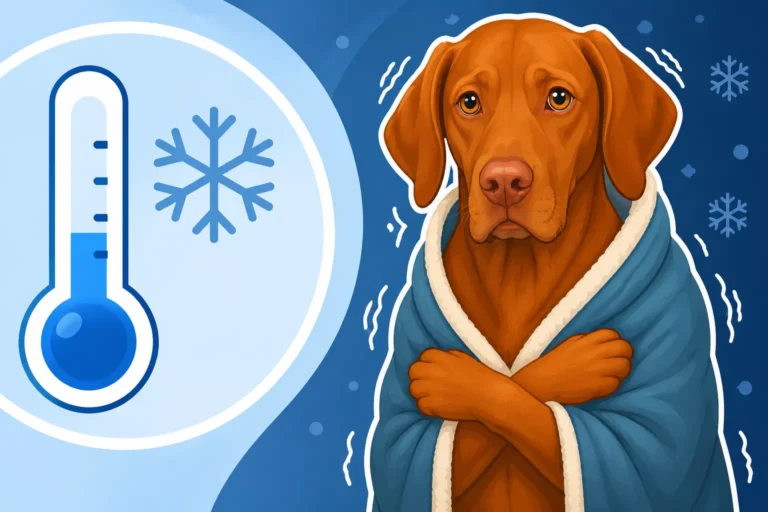
It's a common sight for us Vizsla owners: that elegant, lean frame, suddenly trembling like a leaf even when the thermostat says a perfectly comfortable 70 degrees Fahrenheit indoors. You look at your beautiful, deep-chested companion, curled up tightly in a ball, nose tucked under a paw, and can't help but wonder if they're truly warm enough. This guide is all about understanding why your Vizsla might shiver when you're feeling fine, whether an indoor fleece is truly necessary for your companion, and how to tell if that extra layer could provide them with much-needed comfort.
The Naked Truth: Why Vizslas Get Chilly Even Indoors
Vizslas are incredibly unique dogs, known for their striking good looks and athletic prowess, but also for a certain delicate nature when it comes to temperature. Unlike many other breeds, their physical characteristics make them particularly susceptible to the cold, even within the confines of a warm home. It's not just in your head or your Vizsla being dramatic; there are genuine physiological reasons behind their shivers.
The Single Coat that Offers Little Protection
One of the most defining features of a Vizsla is their beautiful, short, dense "golden rust" coat. While stunning, it's a single coat, meaning it lacks the insulating undercoat that breeds like Labradors, German Shorthaired Pointers, or even many mixed breeds possess. This undercoat acts like a built-in down jacket, trapping warm air close to the body and providing a crucial barrier against cold temperatures. Without it, your Vizsla's fur offers minimal thermal protection, making them quite vulnerable to drafts and lower ambient temperatures. Think of it like wearing a single thin t-shirt in cool weather – it's better than nothing, but it won't keep you truly warm. This is a topic we delve into more deeply in The Single Coat a Vizsla Has and Why It Changes Everything.
When you run your hand over your Vizsla's coat, you can feel how fine and sleek it is. This is fantastic for their speed and agility in the field, as it doesn't snag on brush or weigh them down. However, it’s a double-edged sword indoors. Even if your home feels perfectly warm to you, a slight drop in temperature or a draft from a window or door can penetrate that thin coat almost instantly. They simply don't have the natural buffer that other dogs do, making the sensation of cold much more pronounced for them than for a dog with a thick, plush double coat. It's a key part of The Cold a Vizsla Genuinely Cannot Handle.
Low Body Fat and High Metabolism
Beyond their lack of an undercoat, Vizslas also typically carry very little body fat. They are built for speed and endurance, with lean, muscular physiques that burn calories at an incredibly efficient rate. While this is great for their athletic performance, it means they have less natural insulation to rely on when the temperature drops. Fat stores not only provide energy but also act as a crucial layer of warmth beneath the skin. When you combine a low body fat percentage with a high metabolism, it creates a dog that generates a lot of heat when active but can lose that heat rapidly when at rest.
Consider a Vizsla after a long run or a stimulating play session. They might be panting and warm to the touch. But once they settle down on the couch or in their bed, their metabolism slows, and without that insulating layer of fat or a thick coat, their body temperature can drop quite quickly. This is often why you’ll see them shiver seemingly out of nowhere, even if they were just fine moments before. They're not being fussy; their body is simply reacting to the environment and struggling to maintain its core temperature.
Sensitive Skin and Nervous Disposition
Vizslas are often described as "Velcro dogs" due to their intense need for human companionship and their tendency to stick close to their people. This sensitivity extends to their physical comfort as well. Their skin is quite thin and can be more sensitive to environmental changes than that of a thicker-skinned breed. This means they might feel the cold more acutely than a dog with a coarser, tougher hide.
Beyond the physical, there's also the mental aspect. Vizslas are known for their sensitive, sometimes anxious, dispositions. While shivering is primarily a physical response to cold, anxiety or stress can also manifest as trembling. A Vizsla who is already prone to a bit of nervousness might find the sensation of cold more unsettling, potentially exacerbating their physical shivers. It’s a complex interplay of physical and emotional comfort that makes their warmth so important.
Reading the Cues: When an Indoor Fleece Becomes a Necessity
It’s one thing to understand why your Vizsla might get cold, but another to discern when an indoor fleece actually becomes a beneficial addition to their daily life. Not every shiver necessarily demands a sweater, but certain signs and situations definitely point towards your Vizsla needing that extra layer of warmth. Learning to read your dog’s body language and considering their specific circumstances is key.
Behavioral Indicators of Cold
Your Vizsla will tell you, in their own silent way, when they're feeling a chill. The most obvious sign is, of course, shivering or trembling. This isn't just a slight tremor; it can be a visible shaking of their body, even when they're lying still. They might also curl up tightly, trying to make themselves as small as possible to conserve body heat, often tucking their paws and nose under their body or into their flank. Many Vizslas love to burrow under blankets or blankets and pillows when they’re cold, seeking out any available source of warmth. This instinct to create a cozy, enclosed space is a strong indicator. You can explore this further in Whether a Vizsla Curls Up Tight to Stay Warm.
Beyond shivering and curling, pay attention to their demeanor. A cold Vizsla might seem restless, constantly shifting positions, unable to get comfortable. They might seek out warm spots in the house, like sunbeams on the floor, near a heating vent, or, most commonly, right next to or on top of you. They might also have cold ears or paws to the touch, though this isn't always definitive. If your Vizsla is persistently seeking warmth, refusing to settle, or actively trying to get under your covers, it’s a pretty clear signal that they’re not as toasty as they’d like to be. Whether a Vizsla Shivers Indoors offers more insights into this common behavior.
Life Stages and Health Considerations
While any Vizsla can feel the cold, certain life stages and health conditions make them even more susceptible and thus, more likely to benefit from an indoor fleece. Puppies, for instance, have less body mass and underdeveloped thermoregulation systems. They lose heat faster and can struggle to maintain their body temperature, especially in cooler rooms or during the night. A light fleece can provide crucial warmth for a young pup as they grow.
On the other end of the spectrum, senior Vizslas often experience a thinning of their coat, a decrease in muscle mass, and a slowing metabolism. This combination means they generate and retain less body heat. Older dogs, particularly those with arthritis or other joint pain, can also find that cold exacerbates their discomfort. A fleece can make a world of difference in their comfort, especially during quiet evenings or overnight. Whether an Old Vizsla Feels the Cold More details why older Vizslas need extra consideration for warmth. Furthermore, dogs recovering from illness, surgery, or those with certain medical conditions (like hypothyroidism, which can thin their coat even further) may also struggle with temperature regulation. A soft, warm fleece can be a simple, effective tool to aid their recovery and comfort.
Your Home Environment Matters
The type of home you live in also plays a significant role in whether an indoor fleece is needed. If you live in an older home with drafts, poor insulation, or large, open spaces that are difficult to heat uniformly, your Vizsla is much more likely to feel the chill. Homes with tiled or hardwood floors, especially in cooler climates, can also draw heat away from a dog lying directly on them. Even if your thermostat is set to what you consider warm, the floor level can be several degrees cooler, which is precisely where your Vizsla spends most of their time.
Consider also your lifestyle. If you keep your home cooler at night or when you're out, a fleece can provide continuous warmth. For those living in climates with significant seasonal temperature fluctuations, having a fleece on hand for unexpected cold snaps or transitional periods can be invaluable. It's about providing consistent comfort, preventing those sudden shivers that indicate their body is working harder than it should to stay warm. Sometimes, even adding a heated bed or a soft, plush dog bed to their sleeping area, especially for those Beds That Suit an Arthritic Vizsla, can work wonders in conjunction with or instead of a fleece.
Selecting the Snuggle: What to Look for in a Vizsla's Indoor Fleece
Once you’ve determined that an indoor fleece could be a great asset for your Vizsla, the next step is choosing the right one. It’s not just about picking something cute; fit, material, and design all play a crucial role in ensuring maximum comfort and effectiveness. Just like finding the perfect human sweater, there are a few key considerations to keep in mind to make sure your Vizsla loves their new warm layer.
Material Matters for Comfort and Warmth
When it comes to indoor fleeces for Vizslas, the material is paramount. You want something soft, breathable, and effectively insulating without being bulky. High-quality polyester fleece is often the best choice. It’s lightweight, dries quickly, and provides excellent warmth-to-weight ratio. Look for microfleece or polar fleece, which are known for their softness and thermal properties. Avoid anything that feels scratchy or stiff, as your Vizsla’s sensitive skin will appreciate a gentle touch.
Natural fibers like wool blends can also work, but pure wool can sometimes be too warm indoors and might be more difficult to clean. The beauty of a good synthetic fleece is its ease of care – most are machine washable and dry relatively quickly, which is a huge plus for active dogs. Some fleeces even incorporate anti-pill or anti-static properties, ensuring they look good and remain comfortable after many washes. Brands available on platforms like Amazon or Chewy often have detailed descriptions of their materials, so you can make an informed choice.
The Perfect Fit: Avoiding Restriction and Gaps
A well-fitting fleece is crucial for both comfort and efficacy. A fleece that’s too tight will restrict movement and could cause chafing, especially around the legs, chest, and armpits. One that’s too loose won’t provide adequate warmth and can get caught on things or trip your dog. Vizslas have a distinctive athletic build: deep chests, lean waists, and long legs. This means a generic sizing chart might not always be perfect. You'll want to measure your Vizsla's back length (from the base of the neck to the base of the tail), chest girth (around the widest part of their chest), and neck circumference.
Look for designs that accommodate their deep chest without gapping too much around the belly. Many brands offer specific sizing for athletic breeds or "deep-chested" dogs, which can be a good starting point. A fleece with some stretch will offer more flexibility and comfort during movement. Ideally, the fleece should cover their back and extend down towards their tail, providing ample coverage without hindering their ability to relieve themselves. If you're browsing online, reading customer reviews, especially from other Vizsla owners, can be incredibly helpful for finding a brand that consistently fits well.
Design Features for Practicality and Safety
Beyond material and fit, consider practical design features. Many indoor fleeces are pullover styles, which are generally simple and effective. Look for ones with elasticated leg openings or cuffs that prevent cold air from seeping in and help keep the fleece in place. Some designs include a higher collar or even a hood, which can provide extra warmth for the neck, though a hood might be more for aesthetics than practical indoor warmth for many dogs.
For safety, ensure there are no loose embellishments, buttons, or zippers that your Vizsla might chew off and ingest. The fleece should be easy to put on and take off, minimizing stress for both you and your dog. If your Vizsla wears a harness indoors, look for a fleece that has a leash port or an opening that allows the harness ring to pass through, or simply put the harness over the fleece. Companies like Ruffwear or Hurtta (often found on Chewy) are well-regarded for their thoughtful designs that combine durability, comfort, and safety. Remember, the goal is enhanced comfort, not an impediment to their natural movements or safety.
| Factor | Why it Matters for a Vizsla | What to Look For |
|---|---|---|
| Coat Type | Single coat offers minimal insulation | Soft, dense fleece (microfleece, polar fleece) |
| Body Fat/Metabolism | Lean build, burns heat quickly | Lightweight but effective insulator |
| Chest Depth | Deep chest requires specific cut | Designs catering to athletic/deep-chested breeds |
| Movement | Highly active, even indoors | Stretchy material, non-restrictive fit |
| Skin Sensitivity | Thin skin can be prone to irritation | Smooth, non-chafing fabrics |
| Cleaning | Fleeces will need regular washing | Machine washable, quick-drying |
| Safety | Avoid choking hazards | No loose parts, secure fastenings, no ingestible bits |
Beyond the Wardrobe: Holistic Approaches to Vizsla Warmth
While an indoor fleece can be a fantastic tool for keeping your Vizsla snug, it's just one piece of the puzzle. There are many other complementary strategies you can employ to ensure your lean, elegant companion stays warm and comfortable, especially as they get older or if your home runs on the cooler side. Thinking holistically about their environment and daily routine can make a significant difference.
Cozy Comfort Zones and Strategic Bedding
One of the most effective ways to combat an indoor chill is to provide your Vizsla with designated warm and comfortable sleeping areas. Think about where your Vizsla naturally gravitates when they're cold – usually right next to a heating vent, in a patch of sunlight, or buried under blankets on the sofa. We can capitalize on these instincts. Investing in high-quality, orthopedic dog beds with thick cushioning and raised sides can create a microclimate of warmth. Many senior Vizslas, or those with Arthritis in a Vizsla at Ten, benefit immensely from a bed that cradles their joints and retains body heat.
For extra warmth, consider adding extra blankets to their favorite resting spots. Vizslas love to burrow, so providing soft, plush blankets gives them the opportunity to create their own cozy den. In particularly cold rooms or during winter nights, a self-warming pet mat or even a low-wattage heated dog bed (always with safety in mind and following manufacturer instructions) can be a game-changer. These beds provide gentle, consistent heat that can prevent shivering and promote deeper, more restorative sleep. For more ideas on creating warm spaces, see Why a Vizsla Needs Somewhere Warm to Sleep.
Environmental Adjustments and Home Heating
Sometimes, the simplest solution is to make small adjustments to your home environment. If certain rooms are perpetually colder, consider limiting your Vizsla's access to them during the coldest parts of the day or night. Draft stoppers for doors and windows can prevent cold air from seeping in at floor level, where your Vizsla spends their time. If you have hard, cold floors, strategically placed rugs or carpeting can provide insulation and a warmer surface for them to lie on.
During colder months, don't be afraid to adjust your thermostat a degree or two higher if you notice your Vizsla consistently shivering or seeking warmth. It's a small change for your utility bill but can make a huge difference in their comfort. If you have zoned heating, focus on keeping the main living areas and your Vizsla’s sleeping space particularly warm. Remember, your comfort zone isn't necessarily theirs, especially given their lean build and single coat.
Nutrition and Hydration for Internal Warmth
A well-fed Vizsla is generally better equipped to regulate its body temperature. Providing a high-quality diet, especially if your Vizsla is very active or prone to being lean, ensures they have the energy reserves needed to generate body heat. While you don't necessarily need to overfeed them, ensuring their caloric intake matches their energy output is important. For a very active dog, particularly during colder months, a slight increase in nutrient-dense food might be beneficial, after consulting with your veterinarian.
Adequate hydration is also key for overall health and metabolic function, which contributes to maintaining body temperature. Always ensure fresh water is available. While food won't instantly warm them up like a fleece, consistent, proper nutrition supports their body's natural ability to cope with environmental temperatures. Many Vizsla owners swear by supplementing with fish oil, which can also contribute to overall skin and coat health, indirectly aiding in insulation. Companies like Ollie, known for fresh dog food, emphasize balanced nutrition, which is foundational to a healthy, well-regulated body temperature.
Ultimately, whether your Vizsla should wear a fleece indoors comes down to their individual needs, your home environment, and your ability to observe their comfort levels. Providing options for warmth, whether through a stylish fleece, a cozy bed, or thoughtful home adjustments, ensures your beloved companion stays happy, healthy, and comfortably snug.
Disclaimer
This article is for general informational purposes only and does not constitute professional advice. Laws, prices and regulations vary by location and change over time. Consult a qualified professional for guidance on your specific situation.