Feeding an Old Vizsla
As our beloved Vizslas journey through life, there comes a point where their needs subtly shift, particularly when it comes to what’s in their food bowl. That boundless energy might begin to mellow, and with it, their nutritional requirements change too. This guide will walk you through understanding these shifts and how to adjust your golden companion's diet to keep them healthy, happy, and thriving well into their golden years.
The Shifting Nutritional Landscape for Senior Vizslas
It's a bittersweet reality that our Vizslas, once whirlwinds of energy, eventually slow down. You might notice their daily zoomies become less frequent, or they're not quite as eager to chase that ball for an hour straight. These changes aren't just outward expressions; they signify fundamental shifts happening inside their bodies, which directly impact their dietary needs. Ignoring these changes can lead to either unwanted weight gain or, just as critically, muscle loss and nutritional deficiencies.
Why a Vizsla's Metabolism Changes with Age
The most obvious change in an aging Vizsla is a reduction in activity level. Even if your senior Vizsla still enjoys a good hunt or a long walk, the intensity and duration are likely less than in their prime. This decreased activity directly translates to a lower energy expenditure. Their metabolism naturally slows down, meaning they don't burn calories with the same efficiency they once did. This isn't a flaw; it's just the natural progression of aging. If their diet isn't adjusted to match this reduced need, those extra calories quickly turn into unwanted weight, putting undue stress on already aging joints. It can be incredibly frustrating to see a dog that was once so lean and athletic start to carry extra pounds, especially when you feel like you're still doing all the right things.
Beyond the energy equation, their bodies become less efficient at processing and utilizing nutrients. Organ function, such as kidney and liver efficiency, might subtly decline. Cellular regeneration slows, and their immune system might not be as robust. All these internal shifts mean that the food they eat needs to be precisely formulated to support these changing functions, rather than simply providing raw energy. Think of it as needing a more finely tuned engine rather than just more fuel.
Combating Muscle Loss: The Protein Imperative
One of the most insidious changes in an aging Vizsla, and often overlooked, is sarcopenia – the age-related loss of muscle mass. Even if your Vizsla maintains a healthy weight, you might notice they look a bit bonier or their topline isn't as strong as it used to be. This isn't just an aesthetic concern; muscle loss directly impacts their mobility, balance, strength, and overall quality of life. Without sufficient muscle, they are more prone to falls, struggle to get up from a lying position, and find activities like navigating stairs more challenging. For a breed known for its athleticism and desire to work, like The Old Vizsla That Still Wants to Hunt, maintaining muscle is paramount.
To combat this, high-quality, easily digestible protein becomes incredibly important in their diet. While often associated with puppy growth or working dog diets, protein is critical for maintaining existing muscle mass in seniors. The protein in their food needs to be readily available for their bodies to use, which is why sources like lean meats (chicken, turkey, fish, beef) and eggs are excellent. It’s not just about the amount of protein, but the quality and bioavailability of it. Aim for a diet where protein is a significant component, helping your Vizsla hold onto as much of that vital muscle as possible. This directly ties into Keeping an Old Vizsla's Muscle On, ensuring they remain strong and able for as long as possible. Many owners express concern about protein and kidney disease, but current veterinary consensus suggests that moderate to high protein, especially from high-quality sources, is beneficial for healthy senior dogs and only needs to be restricted if kidney disease is already diagnosed and progressing.
Digestive Sensitivities and Nutrient Absorption
Another common frustration for owners of aging Vizslas is the emergence of digestive sensitivities. A gut that once handled anything you threw at it might suddenly become finicky, leading to loose stools, constipation, or increased flatulence. This is because the aging gastrointestinal tract often becomes less efficient at digesting food and absorbing crucial nutrients. The gut microbiome, the complex community of bacteria living in their intestines, can also change with age, potentially leading to imbalances that affect overall gut health.
This reduced efficiency in nutrient absorption means that even if you're feeding a seemingly good quality food, your Vizsla might not be getting everything they need. Ingredients like prebiotics (fiber that feeds beneficial gut bacteria) and probiotics (beneficial live bacteria) can become more important in supporting a healthy gut environment. Additionally, a diet that is highly digestible means less strain on their aging digestive system and more nutrients actually getting into their body where they're needed. Keeping an eye on their stool quality is essential here; any persistent changes should prompt a conversation with your vet. For Vizslas already known to have a delicate digestive system, like those often discussed in Whether a Vizsla Has a Sensitive Gut, these age-related changes can be even more pronounced and require careful dietary management.
Decoding the Best Senior Dog Food for Your Vizsla
With so many options on the market, choosing the right food for your aging Vizsla can feel overwhelming. It’s not just about picking a bag labeled "senior formula"; it's about understanding what those formulas should provide and how to evaluate whether they truly meet your dog's changing needs.
What to Look for in a Commercial Senior Diet
Thankfully, many reputable pet food companies recognize the unique needs of older dogs and formulate diets specifically for them. These senior-specific formulas are designed to be a balancing act: lower in calories to prevent obesity, yet often higher in protein to combat muscle loss. They generally aim to support overall health rather than just maintenance.
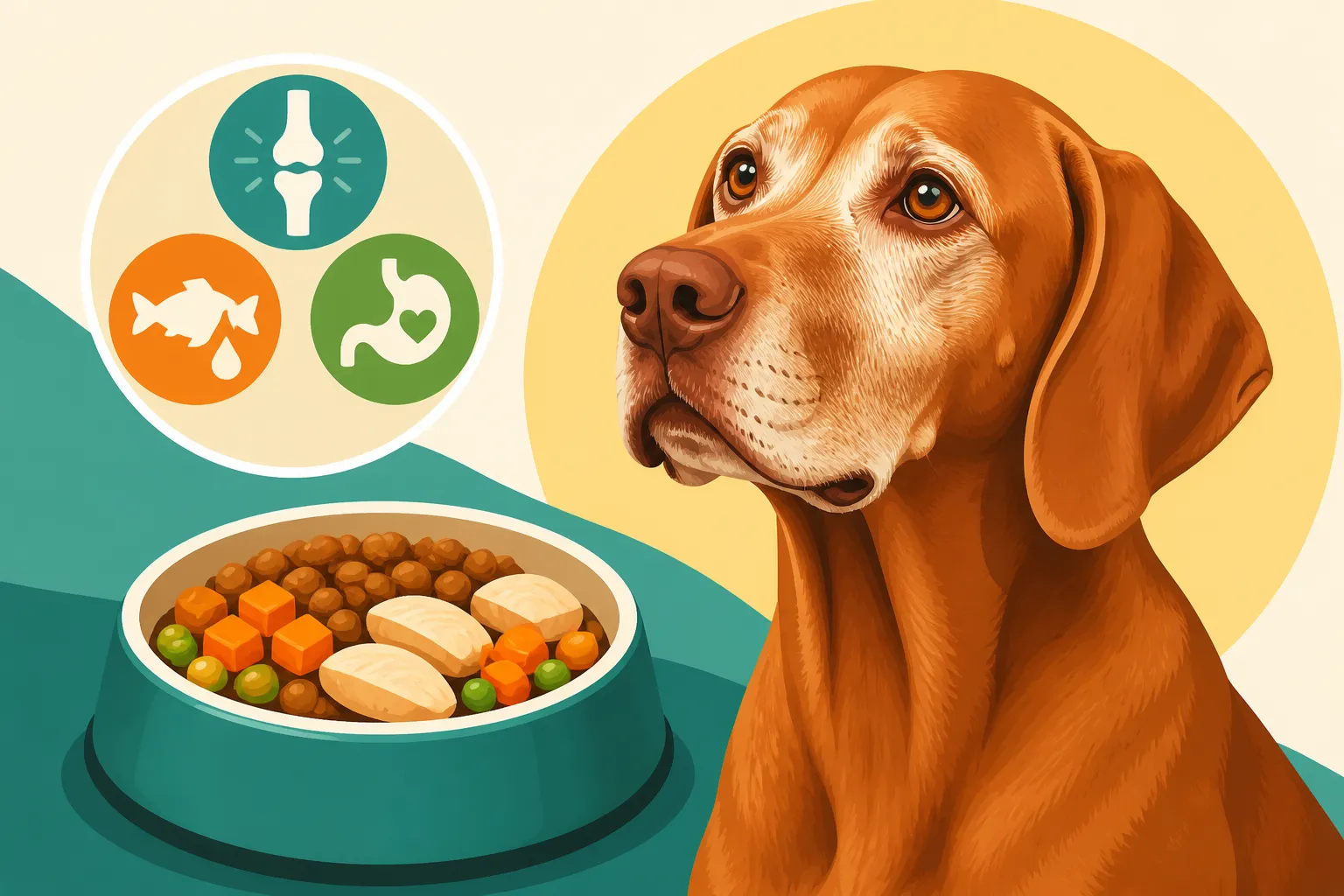
When you're scanning the ingredient list, you'll want to see whole, identifiable protein sources listed among the first few ingredients – think chicken, beef, lamb, fish, or turkey. Avoid foods where "meat meal" is the primary protein source without further specification, or where corn and wheat fillers dominate the top of the list. These ingredients can be harder for an aging digestive system to process efficiently. You should also look for balanced fat content, usually lower than adult formulas but still providing essential fatty acids for skin and coat health. Fiber content is often increased in senior diets to aid digestion and promote satiety, which can be helpful if your Vizsla is prone to weight gain. Many senior formulas are also fortified with joint support ingredients like glucosamine and chondroitin, which are a huge plus for active breeds like Vizslas as they age.
A quick browse on Chewy will show you a wide range of senior-specific kibbles and wet foods from various brands. It’s worth taking the time to compare ingredients and guaranteed analysis to make an informed choice. Remember, not all "senior" foods are created equal, so a little detective work on your part can go a long way in ensuring your Vizsla gets the best.
The Role of Protein and Fat in the Senior Bowl
We've already touched on protein, but it bears repeating: it's critical for maintaining muscle mass in senior Vizslas. While some older theories suggested reducing protein for aging kidneys, modern veterinary science largely contradicts this for healthy seniors. High-quality, digestible protein helps slow down the natural process of muscle wasting, keeping your Vizsla stronger and more mobile. Look for protein levels that are at least comparable to, or even slightly higher than, an adult maintenance diet, generally in the 25-30% range or higher for dry food. This helps with Keeping an Old Vizsla's Muscle On, which is essential for their quality of life.
When it comes to fat, the goal isn't necessarily to cut it out entirely, but to adjust it. Less active senior Vizslas typically need fewer overall calories, and fat is a dense source of calories. Therefore, senior diets often have a slightly lower fat percentage than adult formulas. However, healthy fats, particularly omega-3 fatty acids (like EPA and DHA from fish oil), are incredibly beneficial. They support joint health by reducing inflammation, promote cognitive function, and keep their skin and coat healthy. So, while the total fat might be reduced, ensure the quality of fats, especially the essential fatty acids, remains high. Avoid diets that are extremely low in fat unless specifically recommended by your veterinarian for a medical condition like pancreatitis.
Joint and Cognitive Support Nutrients
One of the most significant challenges for an active breed like a Vizsla as they age is the wear and tear on their joints. Years of running, jumping, and field work can take their toll, leading to conditions like Arthritis in a Vizsla at Ten. This is where specific nutrients designed to support joint health really shine. Key players include glucosamine and chondroitin, which are natural components of cartilage and help to maintain its structure and elasticity. Omega-3 fatty acids, particularly EPA and DHA, also play a crucial role due to their powerful anti-inflammatory properties, helping to soothe sore joints and improve mobility. Many senior dog foods will include these ingredients, but you might also consider adding them as a separate supplement if your chosen food doesn't have sufficient levels.
Beyond physical comfort, supporting cognitive function is also increasingly important. Just like humans, dogs can experience cognitive decline as they age, sometimes manifesting as disorientation, altered interactions, sleep-wake cycle disturbances, or house-soiling. Ingredients like antioxidants (vitamins E and C), B vitamins, and medium-chain triglycerides (MCTs) can help support brain health. Some specialized senior diets will incorporate these, aiming to keep your Vizsla mentally sharp and engaged for longer. When evaluating foods or supplements, look for these ingredients to provide comprehensive support for your aging companion.
Navigating Common Senior Feeding Challenges
Even with the best senior diet, you might encounter some common challenges unique to feeding an older dog. Their appetite can wax and wane, dental issues can make eating painful, and maintaining proper hydration becomes even more crucial. Being prepared for these hurdles will help you keep your Vizsla comfortable and well-nourished.
Tempting a Fading Appetite
It's disheartening when your once food-motivated Vizsla starts to turn their nose up at mealtime. A fading appetite is a common, and often frustrating, issue in senior dogs. It can be caused by a variety of factors: dental pain, decreased sense of smell and taste, underlying medical conditions, medications, or even just a general slowdown in metabolism. The first step is always to rule out medical issues with your vet, especially if the change is sudden or dramatic. This can be one of The Signs a Vizsla Is Getting Old that indicates a deeper problem.
Once medical causes are addressed, there are several strategies you can employ to tempt their palate. Warming food slightly can enhance its aroma and make it more appealing. Adding a little low-sodium chicken or beef broth, goat's milk, or even a small amount of plain cooked chicken or salmon can act as a delicious topper. For some dogs, switching to a high-quality wet food or a fresh food diet can make a huge difference in palatability. Services like Ollie offer gently cooked, human-grade food that can be incredibly appetizing for picky seniors, often making mealtime exciting again. Just remember to introduce any new food slowly to avoid digestive upset.
Prioritizing Dental Health
Dental disease is incredibly common in older dogs, and it's a silent saboteur of appetite. Imagine trying to eat with a painful tooth infection or exposed roots – it's no wonder your Vizsla might be reluctant to chew their kibble. Many owners don't realize how much dental pain can impact their dog's willingness to eat until the issue is addressed. Regular dental check-ups are paramount, and your vet might recommend professional dental cleanings if there's significant plaque, tartar, or gum disease. This links directly to Whether a Vizsla Needs Its Teeth Brushed, highlighting that routine care is critical throughout their lives.
If your senior Vizsla has dental issues that can't be immediately resolved, adjusting their food consistency is key. Soaking kibble in warm water or broth until it softens can make it easier to eat. Switching to a high-quality wet food is another excellent option. There are also dental chews specifically designed for older dogs that are softer and gentler on sensitive teeth while still providing some cleaning action. Never force your dog to eat food that causes them pain; always seek veterinary advice for persistent dental problems.
The Critical Role of Hydration
As dogs age, their thirst response can sometimes diminish, and they become more prone to dehydration. Adequate hydration is absolutely vital for every bodily function, especially for kidney health, which can become a concern in senior dogs. Dehydration can exacerbate existing health issues and lead to lethargy, constipation, and a general feeling of unwellness.
Encouraging your senior Vizsla to drink more water might take a bit of creativity. Ensure they always have access to fresh, clean water in multiple locations around the house. Consider adding extra water to their meals, particularly if you're feeding dry kibble. Some dogs are enticed by pet water fountains, which keep the water circulating and fresh; you can find many options on Amazon or Chewy. Offering ice cubes as treats can also be a fun way to increase their water intake. Watch for signs of dehydration, such as dry gums, sunken eyes, or reduced skin elasticity, and contact your vet if you're concerned.
Practical Feeding Strategies for Your Golden Vizsla
Beyond what you feed, how you feed your senior Vizsla can make a significant difference in their digestion, weight management, and overall comfort. Adjusting feeding schedules, closely monitoring their body condition, and making gradual changes are all part of a successful senior feeding plan.
Optimal Feeding Schedules and Portion Control
Many adult Vizslas thrive on one or two meals a day, but for seniors, breaking their daily food allowance into smaller, more frequent meals can be beneficial. Think three or even four smaller meals throughout the day. This reduces the burden on their aging digestive system, potentially preventing issues like indigestion or bloating, which Vizslas can be prone to, as discussed in Whether a Vizsla Bloats. Smaller meals are also easier for their bodies to process and absorb nutrients from, and they can help maintain more consistent blood sugar levels, which is good for overall energy.
Portion control is absolutely critical for senior Vizslas. With their slowing metabolism and decreased activity, it's very easy for them to gain weight. You might need to significantly reduce the amount of food you've been feeding for years. Start by following the guidelines on your senior dog food bag for your dog's ideal weight, not their current weight if they're overweight. Then, adjust based on their actual body condition. Every dog is an individual, and the bag recommendations are just a starting point. Consistency in feeding times also helps establish a routine, which can be comforting for older dogs and aid in their digestive regularity.
Monitoring Weight and Body Condition Score
Regularly monitoring your Vizsla's weight and body condition score is one of the most important things you can do to ensure their diet is appropriate. You should be able to easily feel your Vizsla's ribs without seeing them protrude sharply. There should be a noticeable waist when viewed from above, and an abdominal tuck when viewed from the side. If their ribs are difficult to feel, or you don't see a waist, they might be overweight. Conversely, if ribs, hip bones, or vertebrae are prominent, they might be underweight, which is also a concern for seniors who need to maintain muscle.
The dangers of both obesity and being underweight are amplified in senior dogs. Obesity places extra stress on joints already prone to arthritis, exacerbates breathing difficulties, and can contribute to other health problems. Being underweight can indicate muscle wasting, poor nutrient absorption, or underlying illness, making them more vulnerable to infection and less resilient. Weigh your Vizsla regularly, perhaps monthly, and use a body condition chart (easily found online or provided by your vet) to assess their score. Don't hesitate to consult your veterinarian if you're unsure about their ideal weight or if you notice significant changes, especially in their muscle mass as highlighted in Whether an Old Vizsla Loses Muscle.
Seamless Food Transitions
When you decide to switch your senior Vizsla to a new food – whether it’s a senior formula, a different brand, or a fresh food diet – the key is to do it slowly and gradually. An abrupt change can easily upset an aging, potentially sensitive digestive system, leading to diarrhea, vomiting, or a complete refusal to eat. This is especially true for a breed like the Vizsla, which can have sensitive guts.
A good rule of thumb is to transition over 7 to 10 days, sometimes even longer if your dog has a particularly sensitive stomach. Start by mixing about 25% new food with 75% old food for the first 2-3 days. If all goes well, move to a 50/50 mix for another 2-3 days, then 75% new food with 25% old food. Finally, you can transition to 100% new food. Watch closely for any signs of digestive upset like loose stools, gas, or vomiting. If these occur, slow down the transition, or revert to the previous ratio for a few extra days. Patience here will save you and your Vizsla a lot of discomfort. For further insights into managing sensitive digestion, you might find useful information in Whether a Vizsla Has a Sensitive Gut.
Exploring Dietary Alternatives and Supplements
While commercial senior diets provide a convenient and generally balanced option, some owners explore other avenues, like homemade meals or additional supplements. These can be valuable tools but require careful consideration to ensure they are truly beneficial and not inadvertently harmful.
When to Consider Fresh or Homemade Diets
The appeal of fresh or homemade diets for senior Vizslas is undeniable. For dogs with finicky appetites, chronic health issues, or specific allergies, a diet that allows for complete control over ingredients can seem like a godsend. Owners often report increased palatability, better digestion, and improved coat quality. Services like Ollie, which deliver pre-portioned, gently cooked meals, make this option far more accessible and reduce the labor involved in preparing meals from scratch while also ensuring they are nutritionally balanced.
However, embarking on a homemade diet, especially without professional guidance, carries significant risks. It is incredibly challenging to formulate a diet that is truly complete and balanced with all the necessary vitamins, minerals, and macronutrients in the correct ratios for a senior dog. Deficiencies or excesses can arise quickly and lead to serious health problems over time. If you're considering a homemade diet, it is absolutely crucial to work with a board-certified veterinary nutritionist. They can help you create a recipe that meets all your Vizsla's specific needs, taking into account their age, health status, and any existing conditions. Without this expert guidance, you risk doing more harm than good, even with the best intentions.
The Role of Supplements in Senior Nutrition
Many Vizsla owners want to give their aging dogs every advantage, and supplements often come to mind. While a well-balanced senior diet should ideally provide most of what your Vizsla needs, specific supplements can play a supporting role, particularly for common age-related concerns. Omega-3 fatty acids (fish oil) are popular for their anti-inflammatory properties, benefiting joints, skin, and even cognitive function. Probiotics can support a healthy gut microbiome, which is particularly useful for seniors with digestive sensitivities. Joint supplements containing glucosamine, chondroitin, and MSM can offer additional support beyond what's found in food, especially for those experiencing Arthritis in a Vizsla at Ten.
It's vital to remember that supplements are just that – supplements. They should complement a balanced diet, not replace it. Always discuss any supplements you're considering with your veterinarian before introducing them. They can advise you on appropriate dosages, potential interactions with medications, and whether a particular supplement is genuinely necessary for your Vizsla's individual health profile. More isn't always better; over-supplementation can be just as harmful as deficiencies. Reputable brands of supplements can be found at pet supply stores or online through Chewy or Amazon, but always check for third-party quality assurance seals.
Understanding Potential Food Sensitivities and Allergies
While dogs can develop food allergies at any age, sometimes sensitivities can become more pronounced or even appear for the first time as a Vizsla ages. Their immune system and digestive tract might not be as resilient, leading to adverse reactions to ingredients they once tolerated. These sensitivities can manifest as digestive upset (vomiting, diarrhea, chronic soft stools), skin issues (itching, redness, recurrent infections), or even chronic ear problems.
If you suspect your senior Vizsla is developing a food sensitivity, the first step is always to consult your veterinarian. They can help rule out other causes for the symptoms. If a food sensitivity is suspected, your vet might recommend an elimination diet. This involves feeding a novel protein and carbohydrate source (one your dog has never eaten before) for several weeks, then gradually reintroducing old ingredients to identify the culprit. This process requires strict adherence and patience but can be incredibly effective in pinpointing the problematic ingredients. Once identified, you can then choose a commercial diet (many limited ingredient options are available) or a homemade diet that carefully avoids those triggers, leading to much greater comfort and health for your aging Vizsla.
Comparing Senior Vizsla Food Options
To help you visualize the differences and benefits of various food types for your senior Vizsla, here's a handy comparison table:
| Food Type | Key Benefits | Potential Drawbacks | Considerations for Senior Vizslas |
|---|---|---|---|
| Dry Kibble (Senior Formula) | Specifically balanced for older dogs, often fortified with joint support and adjusted calories, generally cost-effective and convenient. | Can be less palatable for some, lower moisture content, may be harder for sensitive or missing teeth. | Look for high-quality, digestible protein, moderate fat, and added joint & cognitive support. Can be softened with water or broth. |
| Wet Food (Senior Formula) | Highly palatable, high moisture content aids hydration, easier to eat for dogs with dental issues or poor appetite. | More expensive per serving, can lead to faster dental plaque buildup if not addressed, typically lower calorie density requiring larger portions. | Excellent for picky eaters, those needing extra hydration, or with significant dental pain. Ensure it's nutritionally complete and balanced. |
| Fresh/Gently Cooked (e.g., Ollie) | Very palatable and appealing, often human-grade ingredients, high moisture, can be easier to digest for sensitive stomachs. | Higher cost, requires careful storage and handling, need to ensure balanced nutrition if not a commercially prepared formula. | Great for boosting appetite and managing specific sensitivities. Offers convenience of delivery but is a premium option. |
| Homemade Diet | Full control over ingredients, highly customizable for specific health needs, allergies, or extreme pickiness. | Very time-consuming to prepare, extremely difficult to ensure complete and balanced nutrition without expert guidance from a vet nutritionist. | Only recommended with direct and ongoing consultation from a board-certified veterinary nutritionist to avoid dangerous deficiencies or excesses. |
Disclaimer
This article is for general informational purposes only and does not constitute professional advice. Laws, prices and regulations vary by location and change over time. Consult a qualified professional for guidance on your specific situation.