Whether a Vizsla’s Coat Dulls With Age
It’s a heart-wrenching moment for any Vizsla owner: you look at your beloved russet companion, and you notice their once gleaming, vibrant coat seems… dull. That characteristic golden-rust sheen, the hallmark of our breed, can start to look a little faded, a little flat, losing that undeniable luster we all adore. You start to wonder if it's just a normal part of aging, or if it's a sign that something deeper is going on. This guide will explore why a Vizsla's coat might lose its shine as they get older, what factors contribute to it, and how you can help keep that beautiful copper coat as radiant as possible for as long as possible.
Understanding the Vizsla Coat: A Lifetime of Luster?
Vizslas are renowned for their striking, short, smooth, dense coat, often described as a "golden-rust" color. It's a single coat, meaning they lack the insulating undercoat found on many breeds, which is why The Single Coat a Vizsla Has and Why It Changes Everything. This unique coat isn't just beautiful; it's functional, designed to be protective yet allow for agility and quick drying in the field. When a Vizsla is in its prime, healthy and well-fed, that coat gleams like polished copper in the sun, reflecting light with an almost metallic quality. It’s a sign of vitality and good health.
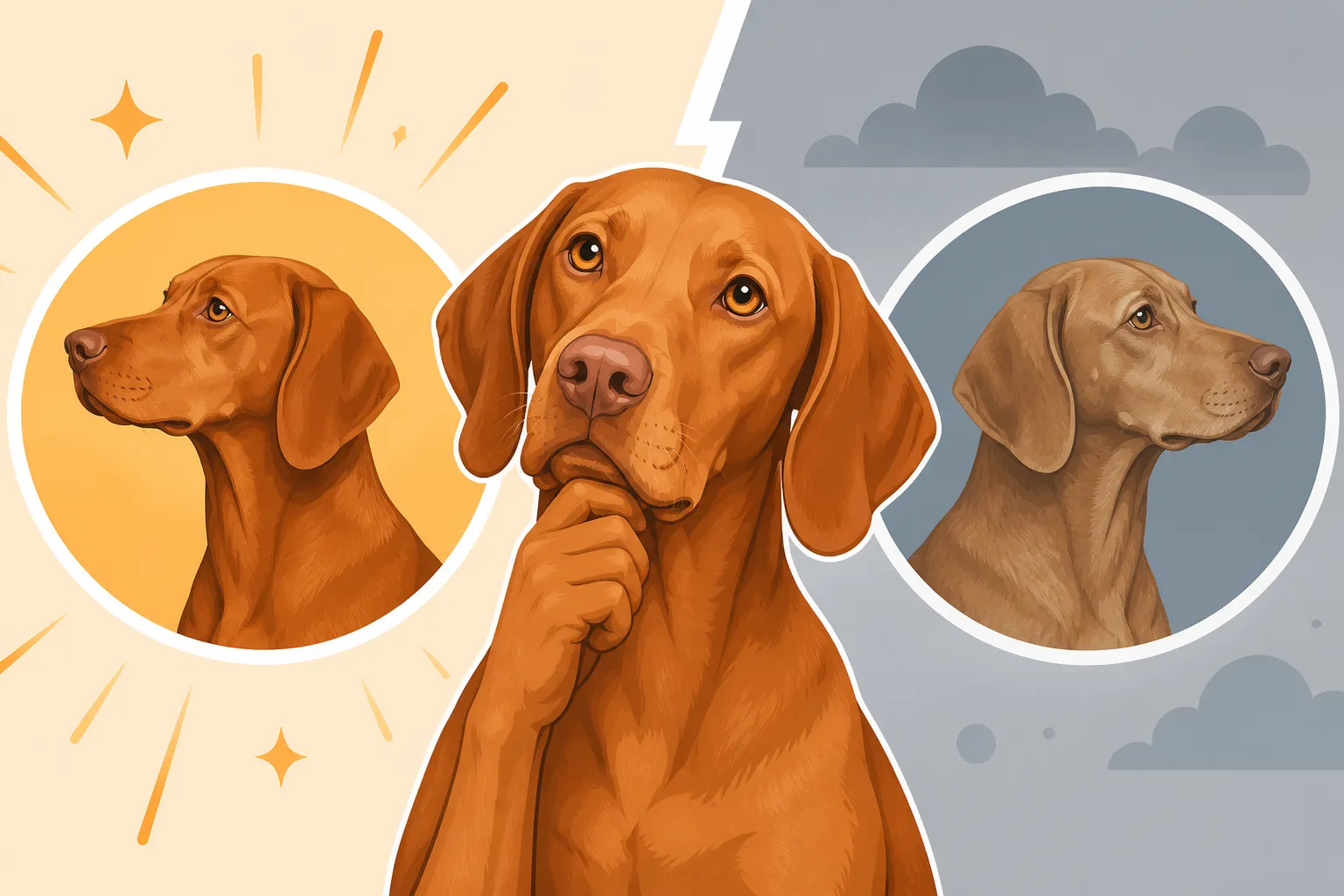
But as our Vizslas age, just like us, things can start to change. You might look at an old photo and compare it to your senior dog, and the difference can be stark. The vivid, warm glow might be replaced by a muted tone, perhaps even with some gray hairs peppering the muzzle and around the eyes. While some fading and graying are natural rites of passage, a truly dull coat – one that lacks its characteristic shine and appears lifeless – is often more than just age. It suggests that something might be amiss with their overall health, nutrition, or even their environment. It’s not just about aesthetics; it’s often a subtle indicator that your cherished hunting dog needs a little extra attention and care.
The Ideal Vizsla Coat Characteristics
When your Vizsla is young and thriving, their coat should feel silky smooth to the touch. The color should be uniform, a rich golden rust that can range from a lighter sandy hue to a deeper, almost red tone. When they move, the light should catch their fur, making it seem almost alive. You wouldn't expect it to shed excessively, given it's a single coat, though How Much a Vizsla Sheds is still a question many owners ponder. This natural vibrancy is a testament to strong genetics, excellent nutrition, and a robust immune system. It’s the coat that turns heads and makes our Vizslas so distinctive.
A healthy coat also means healthy skin beneath it. You should be able to run your hands over your Vizsla and feel no flakiness, excessive oiliness, or irritation. The skin should be supple and clear, matching the overall healthy appearance of the coat. Any deviation from this, especially as they get older, is a signal to pay closer attention.
What "Dull" Really Means for a Vizsla
When we talk about a dull coat, we're not just referring to the natural graying that happens with age, especially around the muzzle and eyes. That's usually genetic and a beloved sign of a dog's journey through life. A truly dull coat looks lackluster, flat, and doesn't reflect light well. It might feel coarser or even brittle, rather than smooth and soft. The color might appear washed out, losing its depth and richness. Sometimes, it's accompanied by increased shedding, dry skin, or even subtle changes in texture. This dullness is often a sign of underlying systemic issues, rather than just a cosmetic concern. It's your Vizsla's way of whispering that something isn't quite right, and it's our job as responsible owners to listen.
Factors That Contribute to Coat Dullness in Aging Vizslas
A dull coat in an aging Vizsla isn't usually due to just one thing. More often, it's a confluence of factors, working together to rob their beautiful fur of its characteristic luster. Understanding these elements can help us pinpoint potential causes and address them effectively. From what they eat to how their internal systems are functioning, everything plays a part in that magnificent golden-rust shine.
Nutritional Deficiencies and Absorption Issues
This is perhaps the biggest culprit when it comes to a dull coat in an older dog. As Vizslas age, their metabolism changes, and their ability to absorb nutrients from their food can diminish. Even if they're eating the same high-quality food they've always had, their body might not be extracting all the vital fats, proteins, vitamins, and minerals needed for skin and coat health.
- Lack of Essential Fatty Acids: Omega-3 and Omega-6 fatty acids are absolutely crucial for a healthy, shiny coat. They help maintain skin hydration, reduce inflammation, and promote cell turnover. If your aging Vizsla isn't getting enough, or isn't absorbing them properly, their coat can quickly become dry, brittle, and dull. You might notice their skin becoming flaky as well. Many senior dog foods might have these, but sometimes a concentrated supplement is necessary. Brands like Chewy offer a wide range of fish oil supplements specifically formulated for dogs.
- Protein Quality and Quantity: Hair is primarily made of protein. If your senior Vizsla isn't consuming enough high-quality protein, or if their body struggles to process it, their hair follicles won't have the building blocks they need to produce strong, shiny strands. This can be a particular concern for Feeding an Old Vizsla, as their muscle mass can decrease with age, sometimes leading to a lower overall protein intake if not carefully managed.
- Vitamin and Mineral Deficiencies: Vitamins like E and A, and minerals like zinc and copper, also play roles in skin and coat health. A deficiency in any of these can contribute to dullness. Ensuring your Vizsla is on a complete and balanced senior diet, perhaps even one of the fresh food options like Ollie, can make a significant difference.
Health Conditions Affecting Coat Quality
A dull coat can often be a canary in the coal mine, signaling underlying health issues that need attention. It's not just a cosmetic problem, but a potential symptom.
- Thyroid Dysfunction: Hypothyroidism, a common condition in Vizslas, is notorious for causing a dry, brittle, and dull coat, often accompanied by hair loss, especially on the flanks and tail. Thyroid Failure in a Vizsla is something all owners of the breed should be aware of. If you notice Signs a Vizsla's Thyroid Has Failed, such as lethargy, weight gain, and coat changes, a vet visit for a thyroid panel is essential. Early diagnosis and medication can dramatically improve coat quality and overall well-being.
- Skin Conditions: Chronic skin issues, even mild ones, can impact coat health. Allergies (environmental or food-related), bacterial or yeast infections, or even conditions like What Sebaceous Adenitis Does to a Vizsla can lead to inflammation and damage to hair follicles, resulting in a dull, poor-quality coat. Constant scratching or licking can also damage the hair shaft.
- Internal Parasites: Worms can rob your Vizsla of essential nutrients, leading to a host of health problems, including a dull coat. Regular deworming, even for indoor dogs, is crucial.
- Other Chronic Illnesses: Any chronic disease that stresses the body, such as kidney disease, liver disease, or even dental problems, can divert resources away from "non-essential" functions like maintaining a shiny coat. If your Vizsla isn't feeling well internally, it will often show on the outside. This is why Whether a Vizsla Needs a Yearly Blood Panel becomes even more important as they age.
Environmental Stressors and Grooming Practices
Beyond internal factors, what your Vizsla encounters daily and how you care for their coat can also play a role.
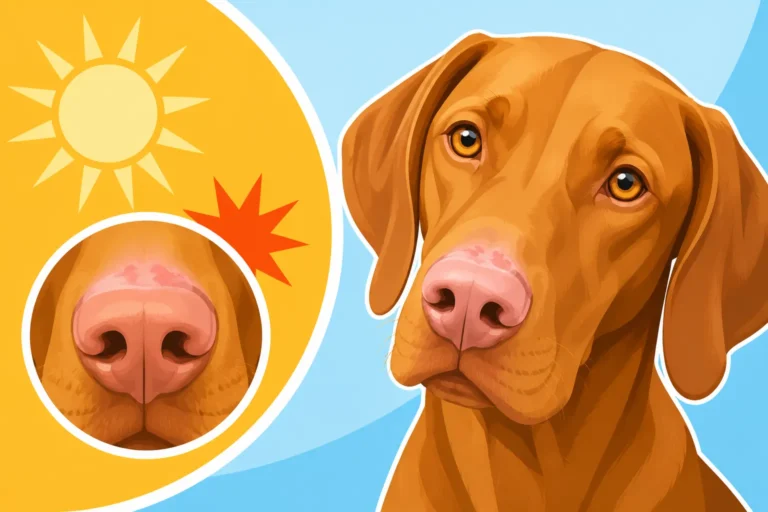
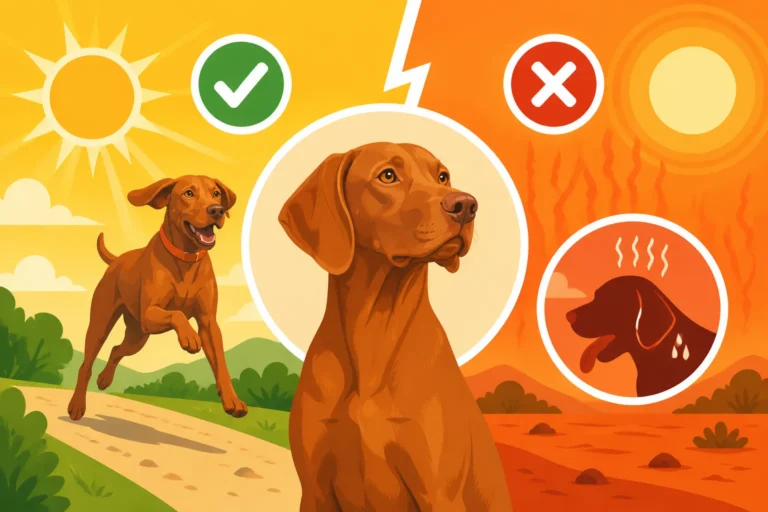
- Sun Exposure: While Vizslas love to bask, excessive sun exposure can actually fade and dull their coat, especially for those with lighter golden-rust shades. Just like human hair, UV rays can break down the pigments and proteins in their fur. If your Vizsla spends a lot of time outdoors, especially in strong sunlight, you might notice Whether a Vizsla's Coat Fades in the Sun.
- Harsh Shampoos and Over-Bathing: Using shampoos with strong chemicals or bathing your Vizsla too frequently can strip the natural oils from their skin and coat, leading to dryness and dullness. Because they have a single coat and often "self-clean" to a degree, they generally don't need frequent bathing. When you do bathe them, use a gentle, moisturizing dog-specific shampoo.
- Lack of Regular Grooming: Even with a short coat, regular brushing is important. It helps distribute natural skin oils, removes loose hair, and stimulates blood circulation to the skin. If your senior Vizsla isn't being brushed regularly, these oils can build up or not spread effectively, leading to a dull appearance. How Often a Vizsla Needs Brushing is a common question, and for an aging Vizsla, consistency is key.
Strategies to Maintain Coat Health and Luster as Your Vizsla Ages
Seeing your beloved Vizsla's coat lose its luster can be worrying, but the good news is that there are many proactive steps you can take to support their coat health as they age. Often, these strategies don't just improve their coat, but their overall well-being too! It's all about providing the right building blocks and protecting what's already there.
Optimizing Their Diet and Supplements
Nutrition is, without a doubt, the foundation of a healthy coat. For an aging Vizsla, reviewing their diet is often the first and most impactful step.
- High-Quality Senior Dog Food: Transitioning to a high-quality senior formula food designed for older dogs can be beneficial. These foods are typically formulated with appropriate protein levels to support muscle mass, reduced calories to prevent weight gain (a common issue as activity slows down), and often include added joint supplements and higher levels of essential fatty acids. Look for foods with real meat as the first ingredient and a good balance of omega-3 and omega-6 fatty acids. If you're considering a fresh food option, services like Ollie deliver tailored, human-grade meals that can significantly boost nutrient intake and absorption.
- Essential Fatty Acid Supplements: This is almost universally beneficial for an aging Vizsla's coat. Fish oil (sardine, anchovy, salmon) is a fantastic source of EPA and DHA, crucial for skin and coat health, as well as joint and cognitive function. Flaxseed oil is another option, though the conversion of plant-based omegas to usable forms is less efficient. You can find high-quality fish oil supplements on platforms like Chewy or Amazon. Make sure to choose one specifically for dogs and follow the dosing instructions carefully. Whether a Vizsla Needs Fish Oil is often a resounding "yes" for senior dogs.
- Vitamin E and Biotin: Sometimes, additional Vitamin E, an antioxidant, can help protect skin cells and improve coat quality. Biotin is another B vitamin often associated with hair and nail health. Discuss these with your vet before adding them, as too much of some vitamins can be detrimental.
- Hydration: Ensure your Vizsla always has access to fresh, clean water. Good hydration is vital for skin elasticity and overall health, which indirectly contributes to coat luster.
Consistent and Gentle Grooming Practices
Grooming isn't just about looking good; it's about stimulating skin health and distributing natural oils.
- Regular Brushing: Even though Vizslas have short coats, consistent brushing is key. Aim for 2-3 times a week, or even daily if your dog enjoys it. A rubber curry brush or a soft bristle brush works wonderfully. This routine not only removes loose hair and stimulates blood flow to the skin, but it also helps distribute the natural oils across the coat, enhancing its shine. How Often a Vizsla Needs Brushing is really about finding a rhythm that works for both of you.
- Appropriate Bathing: Don't overdo it. Vizslas are generally quite clean. When you do bathe your senior Vizsla, use a mild, moisturizing, pH-balanced dog shampoo. Look for ingredients like oatmeal or aloe vera. Follow up with a good conditioner to lock in moisture. Avoid harsh detergents or human shampoos, which can strip their skin's natural oils. Gently towel dry, and if necessary, a low-heat hairdryer can be used, but avoid excessive heat.
- Nail Trims and Ear Cleaning: While not directly related to coat luster, maintaining overall hygiene, including keeping nails trimmed and ears clean, contributes to their comfort and overall health, which in turn reflects in their appearance. Keeping a Vizsla's Ears Clear After Water Work is particularly important if your Vizsla still enjoys a good swim.
Regular Veterinary Check-ups and Early Intervention
Your veterinarian is your best partner in maintaining your aging Vizsla's health, including their coat.
- Annual (or Bi-Annual) Health Checks: As Vizslas get older, annual vet visits should ideally become semi-annual. These check-ups allow your vet to catch potential health issues early, such as Thyroid Failure in a Vizsla or other metabolic diseases, before they significantly impact coat quality or overall health. A thorough physical exam, including palpation of the skin and coat, can reveal subtle changes.
- Blood Work: Routine blood work, including a full thyroid panel, is highly recommended for senior Vizslas. This can detect underlying issues like hypothyroidism or organ dysfunction that might be contributing to a dull coat. Whether a Vizsla's Thyroid Should Be Tested Yearly is a question with a clear answer for our aging dogs.
- Addressing Skin Issues Promptly: If you notice any flakiness, redness, itching, or unusual odor on your Vizsla's skin, don't wait. Promptly addressing any skin infections, allergies, or other dermatological problems will prevent further damage to the coat and discomfort for your dog.
- Dental Health: Surprisingly, poor dental health can affect overall health and nutrient absorption, which can indirectly impact coat quality. Regular dental check-ups and cleanings as recommended by your vet are important.
By combining an optimized diet, consistent and gentle grooming, and vigilant veterinary care, you can help your aging Vizsla retain much of that iconic golden-rust luster, ensuring they not only look fantastic but feel great too.
When to Worry: Dulling as a Symptom of Underlying Issues
While some subtle changes in coat texture or color are a normal part of the aging process, a significant, sudden, or persistent dullness in your Vizsla's coat should never be ignored. It's often one of the first visible signs that something isn't quite right internally, serving as a valuable alert that your dog needs professional attention. Ignoring these signs can delay the diagnosis and treatment of conditions that could seriously impact your Vizsla's quality of life.
Identifying Concerning Coat Changes
It’s important to distinguish between natural age-related changes and signs of trouble.
- Beyond Normal Graying: While graying around the muzzle and eyes is normal, widespread graying or a drastic loss of pigment across the body is less common and can sometimes point to nutritional deficiencies or specific health issues.
- Texture Changes: Does the coat feel suddenly coarse, brittle, or greasy? A healthy Vizsla coat should remain smooth and relatively soft. A change in texture could indicate a problem with oil production (too little or too much), inflammation, or nutrient deficiencies.
- Excessive Shedding or Patchy Hair Loss: While Vizslas do shed, sudden, excessive shedding, or developing bald patches (alopecia) alongside dullness, is a strong indicator of a problem. This is a classic symptom of conditions like hypothyroidism or What Sebaceous Adenitis Does to a Vizsla, both of which are unfortunately seen in our breed.
- Skin Issues: Accompanying symptoms like flaky skin, redness, sores, scabs, strong odor, or persistent itching always warrant a vet visit. These suggest primary skin disease that is damaging the hair follicles and affecting overall coat health.
Common Health Conditions Linked to Dull Coats in Seniors
Many health problems can manifest as a dull coat, especially in older dogs. Being aware of the possibilities can help you advocate for your Vizsla with your vet.
- Hypothyroidism: As mentioned earlier, this is a prime suspect. The thyroid gland regulates metabolism, and when it's underactive, every bodily process slows down, including hair growth and skin cell turnover. Signs a Vizsla's Thyroid Has Failed often include a dull, dry coat, increased shedding, weight gain despite no change in diet, lethargy, and an intolerance to cold. It's crucial to get a full thyroid panel done if these symptoms appear.
- Kidney or Liver Disease: These vital organs play a huge role in filtering toxins and metabolizing nutrients. When they aren't functioning optimally, toxins can build up in the body, and nutrient absorption can suffer, both of which can lead to a poor coat. Other signs might include increased thirst, changes in urination, vomiting, or loss of appetite.
- Diabetes: Uncontrolled diabetes can affect skin health and immune function, making a dog more prone to skin infections and a dull coat.
- Cancer: Sadly, cancer can also impact coat quality due to the body's resources being diverted or the overall systemic stress. While a dull coat is rarely the only sign of cancer, it can be one piece of a larger puzzle, especially if accompanied by weight loss, lumps, or changes in behavior. The Cancers That Take a Vizsla Early are a constant worry for us Vizsla parents.
- Chronic Pain or Stress: Dogs in chronic pain, perhaps from Arthritis in a Vizsla at Ten or other joint issues, or those experiencing chronic stress, can also develop a dull, unkempt coat. The body prioritizes dealing with the pain or stress, and grooming habits might decrease, or physiological changes might impact coat quality.
Actionable Steps When You're Concerned
If you notice a significant or concerning change in your aging Vizsla's coat, here's what to do:
- Schedule a Vet Visit: Don't delay. Explain all your observations to your vet. They will perform a thorough physical examination.
- Be Prepared to Discuss Diet and Supplements: Your vet will want to know exactly what your Vizsla eats, including all treats and supplements. Bring labels or ingredient lists if possible.
- Provide a Full History: Mention any other changes, however minor, in your dog's behavior, appetite, thirst, energy levels, or bathroom habits. Even seemingly unrelated symptoms can be clues.
- Diagnostic Tests: Your vet will likely recommend diagnostic tests, such as blood work (including a complete blood count, biochemistry panel, and thyroid panel), urinalysis, and possibly skin scrapes or biopsies if skin issues are present.
- Follow Treatment Plans Diligently: If an underlying condition is diagnosed, adhere strictly to the vet's treatment plan, whether it involves medication, dietary changes, or specific therapies.
A dull coat isn't just a sign of fading beauty; it's a vital communication from your aging Vizsla about their internal health. By being observant and proactive, you can ensure your loyal companion receives the care they need to continue shining, inside and out, through their golden years.
Comparing Healthy vs. Dull Vizsla Coats
To help visualize the difference and understand what you should be looking for, here's a quick comparison of characteristics you might observe in a healthy, vibrant Vizsla coat versus one that is showing signs of dullness, especially as they age. This isn't exhaustive, but it highlights key indicators.
| Characteristic | Healthy, Vibrant Vizsla Coat (All Ages) | Dull, Potentially Problematic Vizsla Coat (Aging) |
|---|---|---|
| Appearance | Rich, deep golden-rust color, reflective, looks "alive." Minimal, natural graying with age. | Washed out, faded, flat color. Lacks shine, looks lifeless. May have widespread or patchy graying. |
| Texture | Silky smooth, soft, pliable. | Coarse, rough, dry, brittle, or greasy to the touch. |
| Feel | Hair shafts are strong but flexible. | Hair shafts may feel fragile, break easily. |
| Shedding | Moderate, consistent shedding. | Excessive or sudden increase in shedding; patchy hair loss (alopecia). |
| Skin Underneath | Clean, supple, pink, no flakes or redness. | Dry, flaky, oily, red, irritated, sometimes with scabs or odor. |
| Odor | Minimal "doggy" smell, generally clean. | Stronger, sometimes yeasty or unpleasant odor. |
| Growth | Full, uniform coverage. | Thinning, slow regrowth, or uneven coat. |
This table serves as a general guide. Remember, every Vizsla is an individual, and a dull coat is just one piece of the puzzle. Always consult your veterinarian if you have concerns about your dog's health or coat condition. They can provide an accurate diagnosis and recommend the best course of action to restore your Vizsla's health and the luster of their beautiful coat.
Disclaimer
This article is for general informational purposes only and does not constitute professional advice. Laws, prices and regulations vary by location and change over time. Consult a qualified professional for guidance on your specific situation.