Whether a Vizsla’s Skin Flakes Badly
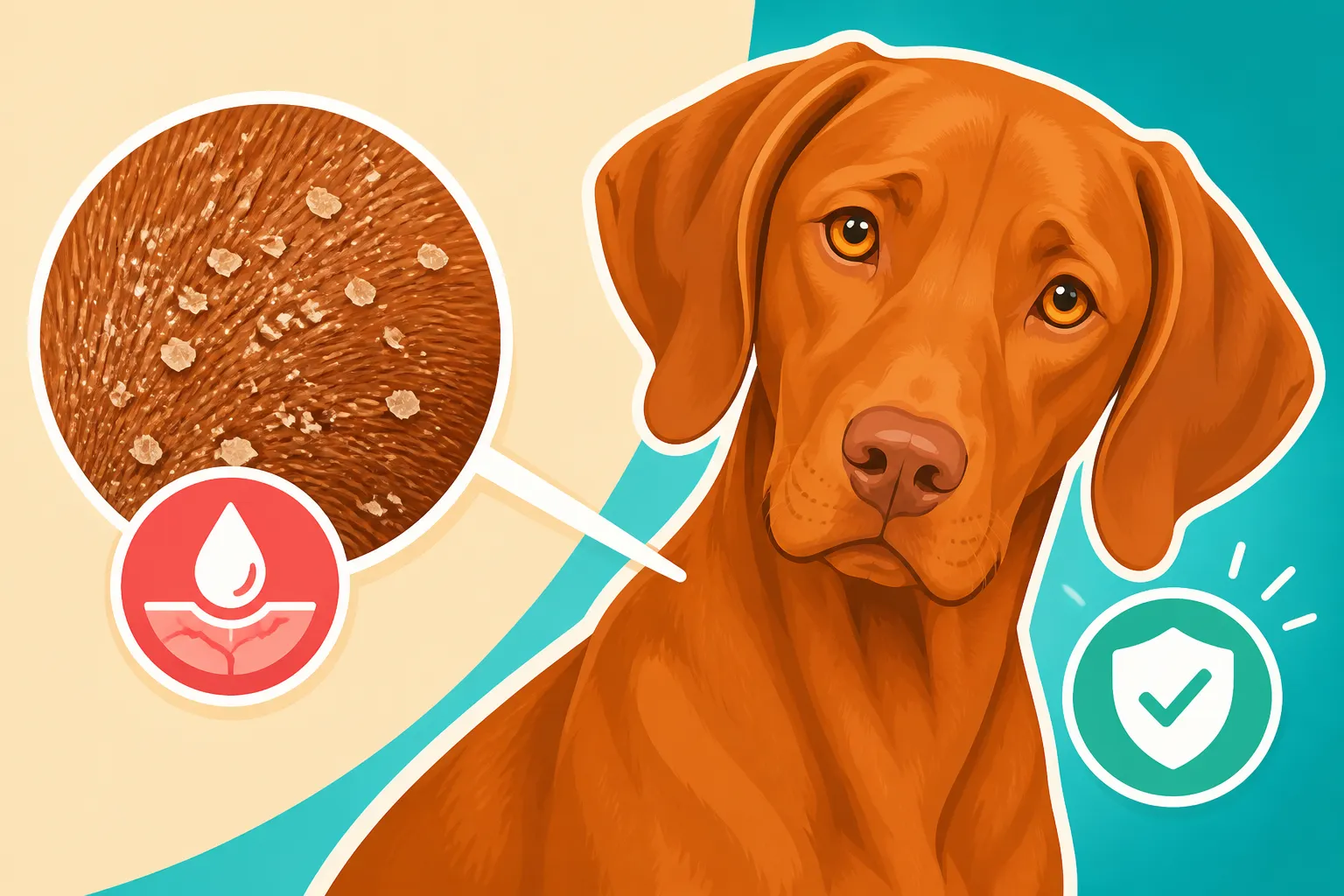
It's incredibly disheartening when you look at your beloved Vizsla and notice their beautiful, sleek coat is marred by flakes. That powdery white dandruff, especially noticeable against their signature golden-rust fur, can be alarming and frustrating. You might wonder if it's just dry skin, a reaction to something, or something more serious, and the truth is, a Vizsla's delicate skin can indeed be prone to flakiness for a variety of reasons. This comprehensive guide is here to help you understand why your Vizsla's skin might be flaking and what steps you can take to bring them relief and restore their skin health.
Understanding Your Vizsla's Unique Skin
Vizslas are known for their distinctive, short, sleek, and almost velvety coats. While stunning, this single-layer coat, without a thick undercoat, means their skin is more exposed and can react differently to environmental factors and health challenges compared to breeds with denser, double coats.
The Vizsla's Fine, Single Coat
Our Vizslas have a remarkable coat, often described as "fine" or "silky." It's truly one of their distinguishing features. However, unlike many other breeds that boast a thick, insulating undercoat, the Vizsla’s coat is a single layer. This means there's less natural protection for their skin from the elements, as well as less oil production to keep flakes at bay. Think of it this way: a dog with a thick undercoat has a built-in barrier that helps regulate skin moisture and protects against irritants. Your Vizsla doesn't have that luxury, which means their skin barrier is working harder. If you’ve ever wondered about the nuances of their fur, you might find more insight into The Single Coat a Vizsla Has and Why It Changes Everything.
This lack of an undercoat also means that any skin issue, including flaking, is often much more visible and can appear quite dramatic against their short, uniform hair. You won't have layers of fur hiding the problem. It's right there, plain as day, which naturally makes us, as their guardians, more acutely aware and concerned. It's not just cosmetic; it's a sign that their skin's delicate balance is off.
Why Vizsla Skin Can Be So Sensitive
Beyond just the single coat, Vizslas are generally known for having more sensitive skin than some other breeds. This sensitivity can manifest in various ways, from allergic reactions to irritation from common household products. Their genetic predisposition, along with their active, outdoor lifestyles, often sets the stage for potential skin issues.
Many Vizsla owners report that their dogs are reactive to certain shampoos, detergents used on their bedding, or even specific types of grooming tools. This isn't just anecdotal; it's a common trait of the breed. Their skin barrier, while effective, can be easily compromised by harsh chemicals or environmental stressors. When this barrier is disrupted, moisture can escape, leading to dryness, and irritants can penetrate more easily, causing inflammation and, you guessed it, flakiness. So, that seemingly innocuous new dog shampoo might actually be the culprit behind those pesky flakes.
Furthermore, their active nature often means they're exposed to more potential allergens and irritants in the environment – from pollen and grasses in the field to various flora during a hike. All of these factors contribute to why a Vizsla’s skin needs a little extra attention and a thoughtful approach to care.
Common Reasons for Flaky Skin in Vizslas
When you spot those tell-tale flakes, it’s natural to jump to conclusions, but flaky skin in Vizslas can stem from a surprisingly wide array of causes. Pinpointing the exact reason is often the first, and most challenging, step toward finding relief for your furry friend.
Dry Skin from Environmental Factors
One of the most straightforward explanations for flaky skin is simply dryness, often exacerbated by environmental conditions. Just like human skin, a Vizsla's skin can become parched, especially during certain times of the year or in specific living conditions.
Consider the winter months. If you live in a climate where indoor heating is constantly running, the air inside your home can become incredibly dry. This low humidity literally pulls moisture from your Vizsla's skin, leading to a dull coat and visible flaking. Similarly, in arid regions, the natural environment can contribute to chronic dryness. You might notice the flakes are more prevalent along their back, flanks, and around the tail base. Sometimes, even bathing too frequently with harsh, stripping shampoos can remove natural oils, leaving the skin vulnerable to dehydration. This isn't just about discomfort; persistent dryness can weaken the skin barrier, making it more susceptible to other issues down the line.
Allergic Reactions and Irritations
Allergies are a frustratingly common cause of skin problems in Vizslas, often manifesting as intense itching, redness, and, yes, flaking. When a Vizsla’s immune system overreacts to a harmless substance, the skin often bears the brunt of the response.
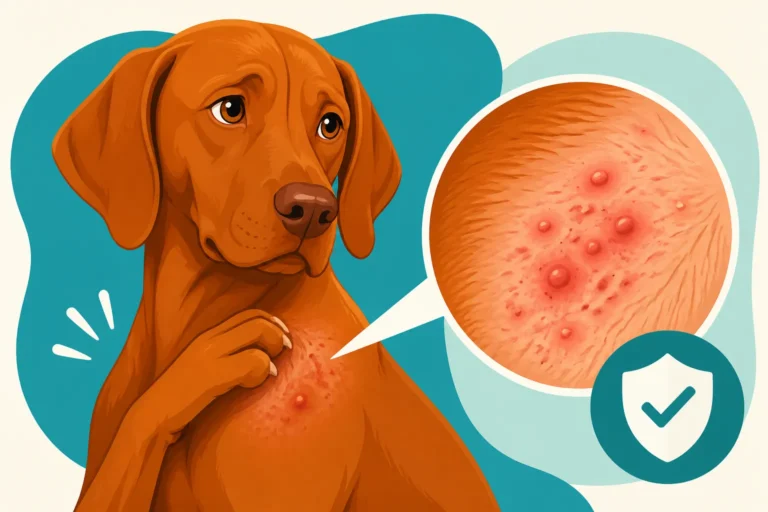
Environmental allergens like pollen, dust mites, or certain grasses can trigger atopic dermatitis. You might notice your Vizsla scratching excessively, licking their paws, or rubbing their face, which can lead to secondary skin infections and more flaking. If you’re concerned about environmental allergies, you might want to look into Whether a Vizsla Gets Atopic Dermatitis. Beyond airborne allergens, food allergies or sensitivities are another significant factor. Ingredients like specific proteins (chicken, beef, dairy) or even grains can cause an allergic reaction that shows up on the skin. You might observe a correlation between diet changes and the onset of flakes or itching. This is why many owners eventually ask Whether a Vizsla Reacts to Its Food. Contact dermatitis, although less common, can also occur if your Vizsla comes into direct contact with an irritating substance, such as certain cleaning products, fertilizers, or even some dog beds made with synthetic materials. The irritation leads to inflammation, which then causes the skin cells to shed rapidly, appearing as flakes.
Nutritional Deficiencies and Poor Diet
What goes into your Vizsla's bowl can have a profound impact on the health of their skin and coat. A diet lacking in essential nutrients, particularly specific fatty acids, can directly contribute to dry, flaky skin.
Omega-3 and omega-6 fatty acids are crucial for maintaining skin integrity and a healthy, lustrous coat. These "good fats" help to reduce inflammation, keep skin cells hydrated, and promote the production of healthy skin oils. If your Vizsla's diet is low in these vital fatty acids, their skin can become dry, leading to a dull coat and increased flaking. Similarly, deficiencies in certain vitamins (like Vitamin A or E) or minerals (like zinc) can also impair skin health. While rare with a high-quality, balanced commercial diet, it’s more common with homemade diets that aren't carefully formulated or with generic, lower-quality kibbles. Many owners consider if Whether a Vizsla Needs Fish Oil for Its Skin when they notice these problems. A healthy skin barrier relies on a steady supply of these building blocks, and without them, the skin's natural protective mechanisms can fail, resulting in visible dryness and peeling.
Underlying Health Conditions Affecting Skin
Sometimes, flaky skin isn't just an environmental or dietary issue but a symptom of a more serious, underlying health condition. These conditions often require veterinary diagnosis and specific medical treatment.
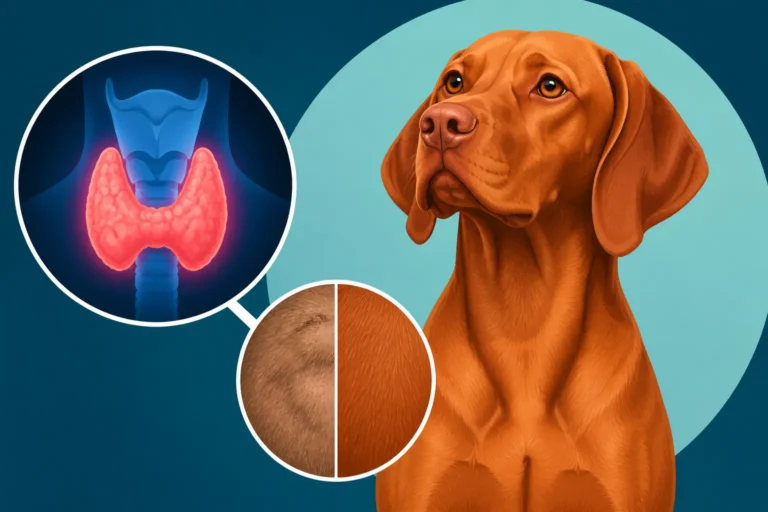
One of the more well-known culprits in Vizslas is Sebaceous Adenitis (SA). This autoimmune disease specifically targets and destroys the sebaceous glands, which are responsible for producing the natural oils that moisturize the skin and coat. Without these oils, the skin becomes incredibly dry, scaly, and flaky, often accompanied by hair loss. If you notice large, silvery scales and thinning hair, especially on the back, neck, and head, SA could be a possibility. You can delve deeper into What Sebaceous Adenitis Does to a Vizsla for more information. Similarly, hypothyroidism, a condition where the thyroid gland doesn't produce enough hormones, can lead to a variety of skin and coat issues, including dryness, thinning hair, and flakiness. Other, less common conditions like fungal infections (ringworm), bacterial skin infections (pyoderma), or even parasites like mites (sarcoptic or demodectic mange) can also cause irritation, flaking, and itching. This is why, if flakes persist despite home care, a veterinary visit is absolutely essential to rule out these serious conditions.
Practical Steps to Combat Flaky Skin
When you're faced with your Vizsla's flaky skin, you want actionable steps that actually make a difference. The good news is that many common causes can be addressed effectively with a combination of proper care, dietary adjustments, and environmental management.
Establishing a Gentle Grooming Routine
A thoughtful grooming routine is paramount for a Vizsla with sensitive skin. Their short coats might seem low-maintenance, but they still require attention to keep the skin healthy and free from flakes.
First and foremost, revisit your bathing habits. While it might seem counterintuitive, bathing too often or using harsh shampoos can strip essential oils from your Vizsla's skin, leading to dryness and more flaking. Aim for bathing only when truly necessary, perhaps every 4-6 weeks, unless they've rolled in something truly offensive. When you do bathe them, use a high-quality, moisturizing, and hypoallergenic shampoo specifically formulated for sensitive skin. Look for ingredients like colloidal oatmeal, aloe vera, or ceramides that help to soothe and hydrate. Avoid shampoos with strong fragrances, dyes, or harsh detergents. After bathing, make sure to rinse thoroughly – any shampoo residue left on the skin can cause irritation. Gently towel dry, and if your Vizsla tolerates it, a cool setting on a blow dryer can ensure they're completely dry, preventing skin issues like hot spots. For daily care, a soft rubber curry brush can help distribute natural oils and gently exfoliate dead skin, reducing the appearance of flakes. Remember that Vizslas generally don't need intense grooming, but a regular, gentle approach can make a world of difference.
Optimizing Your Vizsla's Diet
Nutrition plays a pivotal role in skin health, and optimizing your Vizsla's diet can often be one of the most effective ways to combat flakiness. It's about feeding their skin from the inside out.
Start by evaluating the quality of your current dog food. A premium-quality dog food with easily digestible proteins and a balanced array of vitamins and minerals is the foundation of good skin health. Look for foods that list meat as the first ingredient and avoid excessive fillers, artificial colors, or preservatives. Beyond the basic kibble, consider supplementing with omega fatty acids. Fish oil, rich in EPA and DHA, is particularly beneficial for reducing inflammation and supporting skin barrier function. You can typically find liquid fish oil supplements specifically for dogs that can be added to their food daily. Always check with your vet for appropriate dosing, as too much can cause digestive upset. Some Vizsla owners also see improvement with specific "skin and coat" formulas from reputable brands, which are often fortified with extra omegas, zinc, and biotin. If you suspect food allergies are at play, your vet might recommend a limited ingredient diet or a novel protein diet for a trial period to identify and eliminate potential triggers. The goal is to provide all the necessary building blocks for healthy, resilient skin.
Environmental Management and Hydration
Your Vizsla's immediate environment significantly impacts their skin's moisture levels. Making a few adjustments around the house can go a long way in preventing and alleviating dry, flaky skin.
During colder months or in naturally dry climates, consider investing in a humidifier for the rooms where your Vizsla spends the most time. Increasing the ambient humidity can help prevent their skin from drying out. Regularly clean their bedding, using a mild, unscented detergent to avoid contact irritations. Many Vizslas love to burrow, so ensuring their sleeping areas are clean and comfortable is important. Pay attention to what your Vizsla encounters outdoors. If they are prone to allergies, try to avoid long walks in fields during high pollen seasons or rinse their paws and belly after outdoor excursions to remove irritants. Of course, consistent access to fresh, clean water is also crucial for overall hydration, which extends to skin health. While water intake mostly affects internal hydration, severe dehydration can impact skin elasticity and moisture. By creating a skin-friendly environment both indoors and out, you’re actively reducing stressors that contribute to flaking.
When to Seek Veterinary Advice
While many cases of flaky skin can be managed at home, there are definite signs that it's time to consult your veterinarian. Delaying professional help can allow underlying conditions to worsen or secondary infections to take hold.
You should make an appointment with your vet if:
- The flaking is accompanied by intense itching, redness, inflammation, or sores.
- There's noticeable hair loss in conjunction with the flakes.
- You observe any foul odor coming from the skin.
- Your Vizsla seems lethargic, has a reduced appetite, or exhibits other systemic symptoms.
- Home remedies and dietary changes haven't improved the condition after a few weeks.
- You suspect a serious condition like Sebaceous Adenitis or hypothyroidism.
Your veterinarian will be able to perform a thorough physical examination, and potentially recommend diagnostic tests such as skin scrapings to check for parasites, fungal cultures to rule out ringworm, blood tests to check thyroid function, or even a skin biopsy to confirm autoimmune conditions. For a deeper understanding of the diagnostic process, especially for complex skin issues, it's worth knowing What a Vizsla's Skin Biopsy Costs. Early diagnosis is key to effective treatment, particularly for chronic conditions. Having pet insurance, like a plan from Healthy Paws, can provide immense peace of mind when facing diagnostic tests and ongoing treatments for complex skin issues. It's always best to be proactive when it comes to your Vizsla's health.
Long-Term Skin Health and Prevention
Managing a Vizsla's sensitive skin is often an ongoing journey, not a one-time fix. Focusing on preventative care and understanding how to recognize and address recurring issues will ensure your dog enjoys a lifetime of comfort and a healthy, beautiful coat.
The Role of Supplements and Preventative Care
Supplements can play a significant role in maintaining long-term skin health, especially for Vizslas predisposed to skin sensitivities or dry skin. These aren't just quick fixes but rather ongoing support for the skin's natural functions.
As we discussed, Omega-3 fatty acids are superstars for skin health. Regular supplementation with high-quality fish oil (EPA and DHA) can help reduce inflammation, improve the skin barrier, and promote a shinier coat. Many owners integrate this into their Vizsla's daily routine, much like we take our own daily vitamins. Beyond fish oil, other supplements like flaxseed oil, evening primrose oil, or even certain probiotics can be beneficial. Probiotics support gut health, and a healthy gut can indirectly impact skin health by improving nutrient absorption and immune function. Consider adding a daily skin and coat chew or supplement that combines several of these beneficial ingredients. However, remember to always consult your veterinarian before introducing any new supplements to ensure they are appropriate for your individual Vizsla and won't interact with any existing medications or conditions. This proactive approach to nutrition can often prevent dryness and flaking before it even starts.
Choosing the Right Products for Your Vizsla
The products you use on and around your Vizsla can significantly impact their skin health. Making informed choices is crucial for managing and preventing flaky skin in the long run.
When selecting shampoos, always opt for hypoallergenic, pH-balanced formulas designed for sensitive skin. Look for products that are fragrance-free and dye-free, as these are common irritants. Brands like Earthbath, TropiClean, and Burt's Bees often have gentle options. If your Vizsla is prone to yeast or bacterial overgrowth that contributes to flaking, your vet might prescribe specific medicated shampoos. If you find your Vizsla has chronic skin issues, understanding Whether a Vizsla Needs Medicated Baths for Life might be a useful read. For bedding and laundry, switch to detergents that are "free and clear" of perfumes and dyes. Even the type of collar or harness can matter; some materials can rub and irritate sensitive skin. Consider natural fiber beds or covers that are breathable and easy to wash. The goal is to minimize exposure to potential irritants wherever possible, creating a "skin-safe" environment. This diligence helps to support a strong skin barrier and reduce the likelihood of irritation-induced flaking.
Recognizing Recurring Issues
Despite your best efforts, some Vizslas will have recurring bouts of flaky skin, especially if they have underlying conditions like allergies or Sebaceous Adenitis. Learning to recognize the early signs of a flare-up is key to managing these issues effectively.
For instance, if your Vizsla has environmental allergies, you might notice increased paw licking, ear scratching, or subtle redness before the flaking becomes severe. If it’s a food sensitivity, the flaking might coincide with a new treat or food introduction. For conditions like SA, regular skin checks are vital. Look for subtle changes in coat texture, early signs of scaling, or any unusual bumps or patches. Consistent monitoring allows you to intervene early, often with the guidance of your vet, before the problem escalates. This might involve a targeted medicated bath, a temporary change in diet, or a short course of medication. Remember, managing chronic conditions is a marathon, not a sprint. Maintaining a close relationship with your veterinarian and being vigilant about your Vizsla's skin health is part of Managing a Vizsla's Skin for Life. Considering pet insurance from providers like Healthy Paws can also offer valuable financial protection for these ongoing, often costly, treatments, allowing you to focus on your Vizsla’s well-being without undue financial stress.
Disclaimer
This article is intended for informational purposes only and does not constitute veterinary advice. Always consult with a qualified veterinarian for any health concerns or before making any decisions about your Vizsla's medical care or treatment.