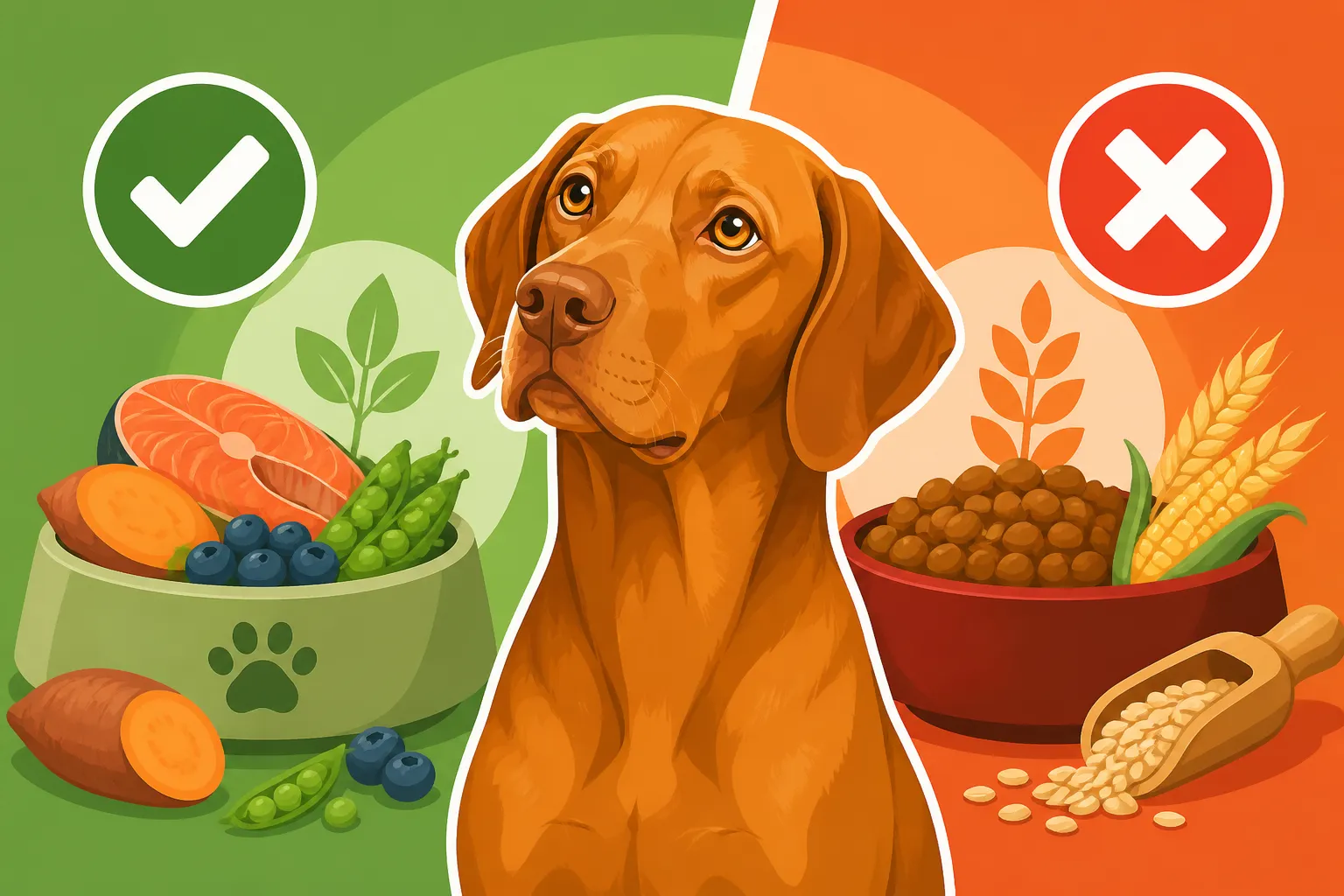
Whether Grain Free Food Suits a Vizsla
Navigating the myriad of dog food options can feel like a full-time job, especially when you're trying to do the very best for your active, sensitive Vizsla. Many of us have wondered if going grain-free is the magic bullet for everything from itchy skin to digestive upset, a belief fueled by a lot of clever marketing. This guide aims to cut through the noise and provide clear, empathetic insights into whether a grain-free diet truly suits your beloved Velcro Vizsla.
The Grain-Free Trend and Its Appeal for Vizsla Owners
It wasn't that long ago that "grain-free" dog food burst onto the scene, promising a more "natural" or "ancestral" diet for our canine companions. For many Vizsla owners, who often grapple with a breed known for its delicate constitution, this trend seemed like a beacon of hope. We're always looking for ways to keep our active, loving dogs in peak condition, and anything that suggests an improvement in health is bound to catch our attention.
Why Grain-Free Became Popular
The rise of grain-free pet food in the mainstream was heavily influenced by human diet trends. As more people adopted gluten-free or low-carb lifestyles, the idea that dogs might benefit from similar diets gained traction. Marketing campaigns often highlighted the perceived benefits, suggesting that grains were mere "fillers" or common allergens. Images of wolves hunting in the wild, implying a grain-free, meat-heavy diet, further cemented this narrative in many owners' minds. It felt like a return to what dogs "should" be eating, free from modern agricultural products.
For a long time, if your dog had any sort of health issue – whether it was dry, flaky skin, loose stools, or persistent itching – the first suggestion from well-meaning friends or even some internet forums would often be to "try grain-free." It became a default recommendation, a panacea for a wide range of ailments, without necessarily having the scientific backing to support such broad claims for most dogs.
Initial Hopes for Vizsla Health
Vizslas, as wonderful as they are, can sometimes be prone to certain sensitivities that make owners seek out specialized diets. Many Vizsla parents have experienced the frustration of trying to pinpoint the cause of a finicky stomach or an unexplained skin irritation. You want your dog to be comfortable, happy, and thriving, and when they’re not, you start scrutinizing every aspect of their care, particularly their food. Whether a Vizsla Has a Sensitive Stomach is a common question, and digestive issues can manifest in various ways, from occasional soft stools to full-blown gastrointestinal upset.
The promise of grain-free food, therefore, held a particular allure. If grains were indeed common allergens or difficult to digest, then removing them seemed like a logical step toward alleviating these problems for our sensitive Vizslas. Owners hoped that a grain-free diet would lead to shinier coats, fewer skin issues, and more consistent digestion, ultimately contributing to a healthier and more comfortable life for their energetic companions. It's a natural instinct to want to resolve our dog's discomfort, and if a change in diet offers that possibility, we're certainly going to explore it.
The Scientific Perspective on Grain-Free Diets for Vizslas
While the marketing around grain-free diets was compelling, the scientific community began to raise concerns. What started as a popular trend based on anecdotal evidence and perceived human dietary benefits soon became a topic of serious discussion among veterinary cardiologists and nutritionists. It turned out that removing grains wasn't always a benign dietary choice, and in some cases, it could have unintended consequences for our dogs' health.
The DCM Connection
One of the most significant concerns that emerged regarding grain-free diets was a potential link to Dilated Cardiomyopathy (DCM). DCM is a serious heart condition where the heart muscle becomes thin and weak, leading to an enlarged heart that struggles to pump blood effectively. While some breeds, like Doberman Pinschers and Great Danes, are genetically predisposed to DCM, veterinarians started noticing an increase in atypical DCM cases in breeds not typically affected, and these cases were often associated with dogs on certain "boutique," "exotic ingredient," or "grain-free" (BEG) diets.
The exact mechanism is still being researched, but one theory points to a possible link between these diets and taurine deficiency. Taurine is an amino acid critical for heart health, and while dogs can synthesize it from other amino acids, some ingredients commonly found in grain-free foods, such as certain legumes, might interfere with taurine absorption or metabolism. This doesn't mean all grain-free foods cause DCM, or that all dogs on them will develop it, but it certainly cast a shadow of doubt over the blanket recommendation of grain-free diets and spurred pet food manufacturers and researchers to investigate further.
Grains vs. Legumes and Potatoes
When a dog food formulation removes grains like corn, wheat, or rice, those carbohydrates and calories need to be replaced by something else to maintain proper nutrition and kibble structure. Often, the replacements are ingredients such as peas, lentils, chickpeas, and potatoes. These are not inherently "bad" ingredients; in fact, they can provide fiber and nutrients. However, their high inclusion rates in some grain-free formulations, particularly when they are among the first few ingredients, became a point of concern in the DCM debate.
The issue isn't simply "grains are bad" or "legumes are bad." It's about the overall nutritional balance and how different ingredients interact within the diet, especially concerning taurine levels and other critical nutrients. Dogs are omnivores, capable of digesting and utilizing nutrients from both animal and plant sources, including quality grains. Whole grains can be excellent sources of fiber, B vitamins, and essential fatty acids, contributing positively to a dog's overall health and energy levels, especially for an active breed like a Vizsla that burns a lot of calories. Keeping Weight On a Working Vizsla is a constant consideration, and complex carbohydrates from grains can be a stable energy source.
The Role of a Balanced Diet
Ultimately, what matters most for your Vizsla's health is a complete and balanced diet, formulated to meet their specific life stage and activity level. This means a diet that provides adequate protein, fats, carbohydrates, vitamins, and minerals in the correct proportions. Grains are not inherently problematic for most dogs; indeed, they can be a highly digestible and valuable source of energy. The notion that dogs need a grain-free diet purely because their wolf ancestors ate meat is a simplification that ignores thousands of years of canine domestication and dietary adaptation.
A truly balanced diet considers the bioavailability of nutrients from all ingredients, whether they are grains, legumes, or animal proteins. Rather than focusing solely on the presence or absence of grains, it's more crucial to look at the overall nutritional profile, the quality of the ingredients, and the reputation of the manufacturer. For our active, lean Vizslas, consistent energy and robust health stem from a carefully formulated diet that supports their high metabolism and provides all the building blocks for a long, healthy life. The Twelve to Fourteen Years a Vizsla Lives are years we want them to be full of vitality.
When a Grain-Free Diet Might (or Might Not) Be Necessary for Your Vizsla
The information surrounding grain-free diets can be confusing, leaving many Vizsla owners feeling uncertain about the best choice for their dog. It's easy to get swept up in popular trends, but when it comes to your Vizsla's health, making informed decisions based on science and professional advice is paramount.
Diagnosing Grain Allergies
It's a common misconception that grain allergies are widespread in dogs. In reality, true grain allergies are quite rare. When a dog does experience a food allergy, it's far more likely to be to a common protein source like beef, chicken, dairy, or egg, rather than to grains like corn or wheat. Symptoms of a food allergy in dogs typically manifest as itchy skin (often around the ears, paws, and anal area), chronic ear infections, or gastrointestinal issues like vomiting or diarrhea. Whether a Vizsla Reacts to Its Food is an important question, but the culprit is usually protein, not grain.
If you suspect your Vizsla has a food allergy, simply switching to a "grain-free" food without professional guidance might not resolve the issue, and could even introduce new problems. The gold standard for diagnosing a food allergy is a strict elimination diet, performed under veterinary supervision. This involves feeding a novel protein and carbohydrate source (ingredients your dog has never eaten before) for several weeks, then reintroducing previous ingredients one by one to identify the specific allergen. This process can be tedious, but it's the most accurate way to get to the bottom of the problem and ensure your Vizsla gets the targeted diet they need.
Consulting Your Veterinarian
Before making any significant changes to your Vizsla's diet, especially considering the potential link between certain grain-free diets and heart issues, it is absolutely essential to consult your veterinarian. They can assess your individual dog's health, lifestyle, and any specific sensitivities they might have. Your vet has access to the most up-to-date research and can help you make an informed decision that prioritizes your Vizsla's long-term health. They can discuss the risks and benefits, recommend specific brands or formulations, or guide you through a proper diagnostic process if an allergy is suspected.
Remember, a sudden switch to a new diet can sometimes cause digestive upset, even if the new food is ultimately a good choice. Your vet can advise on how to transition your Vizsla's food slowly, minimizing any potential stomach issues. They might also suggest specific health checks, like a yearly blood panel for example, to monitor their overall well-being. Whether a Vizsla Needs a Yearly Blood Panel is a relevant question that your vet can answer, and this can include checking for any signs of nutritional deficiencies.
Choosing the Right Food for Your Vizsla
When it comes down to it, the "best" food for your Vizsla isn't necessarily grain-free, or even grain-inclusive, but rather one that provides complete, balanced nutrition, is highly digestible, and is appropriate for their age, activity level, and any individual health concerns. With their high energy and often sensitive systems, Vizslas thrive on quality fuel.
Prioritizing Quality Ingredients
Instead of fixating on whether a food contains grains, focus on the overall quality of the ingredients. Look for dog foods that list a named meat source (e.g., "chicken meal" or "deboned lamb," not just "meat by-products") as the first one or two ingredients. These foods are generally richer in the protein your Vizsla needs to maintain their lean muscle mass and support their active lifestyle. Quality fats, like those from chicken fat or fish oil, are also crucial for energy, skin health, and coat shine. Whether a Vizsla Needs Fish Oil for Its Skin is a common question, and good quality food will often incorporate it.
A balanced blend of carbohydrates, whether from quality grains or digestible starches like sweet potatoes, provides sustained energy. Avoid foods with excessive artificial colors, flavors, or preservatives. Many reputable brands offer formulas designed with sensitive stomachs in mind, which can be a good starting point for Vizslas. Take the time to read ingredient labels and understand what you're feeding. Don't be afraid to reach out to the pet food company directly if you have questions about their sourcing or nutritional analysis.
Considering Performance Needs
Vizslas are not couch potatoes; they are high-energy, athletic dogs often involved in hunting, dog sports, or long daily runs. This means their caloric and nutritional demands are significantly higher than many other breeds. How Much an Adult Vizsla Eats Daily can be surprising to new owners, and a working Vizsla might eat even more. A diet designed for an active breed will typically have a higher protein and fat content to fuel their muscles and replenish their energy stores.
If your Vizsla is a working dog or engages in intense exercise regularly, you might need a performance-specific formula. These foods are often more calorie-dense, helping to maintain their ideal lean body condition without having to feed excessive volumes of food. During hunting season, for instance, your Vizsla's energy output dramatically increases, and their food needs to match that intensity to prevent weight loss and maintain stamina. Whether a Working Vizsla Loses Weight in Season is a common concern for owners. Discussing your Vizsla's activity level with your veterinarian or a canine nutritionist can help you fine-tune their diet to meet these demanding needs.
Exploring Reputable Brands and Retailers
Once you understand what constitutes a high-quality diet for your Vizsla, you'll find that many reputable brands offer excellent options, some with grains and some without. The key is to look for foods that have undergone feeding trials and meet the AAFCO (Association of American Feed Control Officials) nutritional adequacy statements. These statements ensure the food is formulated to meet the nutritional levels established by the AAFCO Dog Food Nutrient Profiles for a specific life stage.
You can find a wide variety of these high-quality foods from major retailers. Online stores like Chewy offer an extensive selection, often with detailed ingredient lists and customer reviews that can help you compare options. Subscriptions for fresh-food services, such as Ollie, have also gained popularity, offering human-grade ingredients and customized meal plans which some Vizsla owners find beneficial, especially for dogs with sensitivities. For those who prefer to browse in person or need something quickly, Amazon also carries many well-known and respected dog food brands. The important thing is to do your homework, look past the marketing buzzwords, and choose a food that genuinely supports your Vizsla's health and vitality.
Grain-Free vs. Grain-Inclusive: A Quick Look
Here’s a simplified comparison of some common ingredients and perceived attributes between grain-free and grain-inclusive dog foods.
| Feature | Grain-Free Dog Food (Typical) | Grain-Inclusive Dog Food (Typical) |
|---|---|---|
| Primary Carbs | Peas, lentils, chickpeas, potatoes, sweet potatoes | Rice, oats, barley, corn, wheat, quinoa |
| Perceived Benefits | Better for allergies, more "natural," less filler | Easier digestion, balanced nutrients, sustained energy |
| Concerns | Potential DCM link (BEG diets), taurine deficiency | Potential for common protein allergies (less common) |
| Vetting Approach | Vet consultation, ingredient quality, AAFCO stmt. | Vet consultation, ingredient quality, AAFCO stmt. |
In summary, while the grain-free movement had its moment in the spotlight, and still offers options for specific, diagnosed dietary needs, it's not universally superior for all Vizslas. The most crucial factor remains a well-balanced diet formulated by veterinary nutritionists, providing optimal nutrients for your dog's unique requirements.
Disclaimer
This article is for general informational purposes only and does not constitute professional advice. Laws, prices and regulations vary by location and change over time. Consult a qualified professional for guidance on your specific situation.