Whether a Skin Biopsy Confirms It in a Vizsla
Few things are more disheartening than watching your beloved Vizsla struggle with persistent, mysterious skin problems. The endless scratching, the patchy coat, the constant flaking – it’s a frustrating journey of trying different shampoos, foods, and even medications, often with little to no lasting relief. When you've exhausted other avenues and your vet suggests a skin biopsy, it's natural to wonder if this procedure will finally provide the definitive answer you're so desperately seeking, especially for conditions like sebaceous adenitis. This guide will walk you through what a skin biopsy entails and how conclusive it truly is for diagnosing such complex skin conditions in your Vizsla.
The Challenge of Diagnosing Vizsla Skin Issues
Vizslas, with their striking golden-rust coats and sensitive dispositions, are unfortunately no strangers to various health challenges, and skin conditions are certainly high on that list. Their unique physiology and genetic predispositions can make diagnosing skin issues a particularly tricky and often heartbreaking endeavor for owners.
Why Vizsla Skin Conditions Are So Frustrating
One of the biggest frustrations with Vizsla skin conditions is just how many different things can cause similar symptoms. You might notice your Vizsla scratching incessantly, developing dry, scaly patches, or even losing hair. These signs could point to anything from simple environmental allergies or a dietary sensitivity to more serious underlying health issues. It's not uncommon for owners to go through a long and expensive process of elimination, trying different foods, anti-itch medications, and specialized baths, only to see temporary improvement or none at all. This trial-and-error approach can be incredibly taxing, both emotionally and financially, leaving you feeling helpless as your loyal companion continues to suffer. Conditions like Whether a Vizsla Gets Atopic Dermatitis can mimic other issues, making differentiation difficult without advanced diagnostics. The delicate nature of their skin, often described as thin, also means even minor irritations can escalate quickly.
When a Skin Biopsy Becomes Necessary
A skin biopsy isn't usually the first step your veterinarian will recommend. Typically, it comes into play after initial, less invasive diagnostic attempts, such as skin scrapings for parasites, fungal cultures, allergy tests, and various dietary changes, have failed to yield a clear diagnosis or provide effective treatment. Your vet might suggest a biopsy if the skin condition is chronic and unresponsive to conventional treatments, if the symptoms are particularly severe or unusual, or if they suspect a specific breed-predisposed immune-mediated disease, like sebaceous adenitis. For a Vizsla, given their genetic propensity for certain skin ailments, a biopsy can be a crucial step in moving beyond symptom management to a targeted diagnosis and treatment plan. It’s about getting past the guesswork and into a definitive understanding of what’s truly happening beneath the surface.
Understanding the Skin Biopsy Process for Your Vizsla
The thought of any surgical procedure for your beloved Vizsla can be daunting, but a skin biopsy is generally a minor procedure designed to gather the most accurate information possible. Knowing what to expect can help ease your concerns.
What Happens During a Skin Biopsy
A skin biopsy involves taking small tissue samples from the affected areas of your Vizsla's skin for microscopic examination by a veterinary pathologist. Before the procedure, your Vizsla will typically undergo a thorough physical exam and possibly some blood work to ensure they are healthy enough for sedation or general anesthesia. This is important because the dog needs to remain perfectly still to allow for precise sampling.
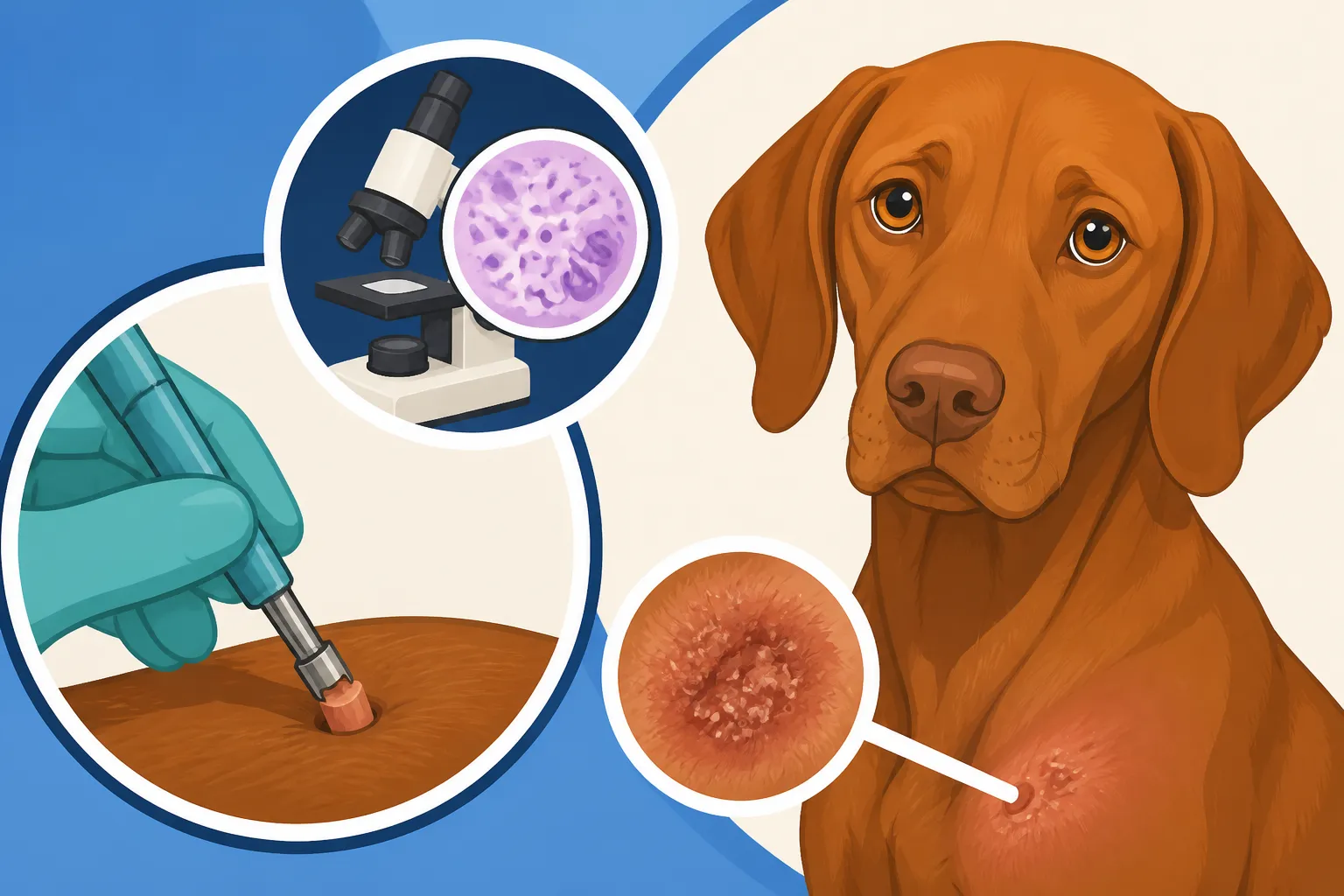
Once sedated or under anesthesia, the vet will carefully select a few representative areas of the skin, often targeting both the active lesions and areas showing early changes. They'll clip the hair and clean the skin, but unlike other surgeries, they usually won't aggressively scrub the area, as this could alter the very cells they need to examine. The most common method is a punch biopsy, where a small circular tool (like a cookie cutter) is used to take a full-thickness plug of skin. In some cases, a wedge biopsy (removing a small sliver) or an excisional biopsy (removing an entire lesion) might be performed. The small biopsy sites are then closed with a stitch or two. Your Vizsla will likely go home the same day with instructions for keeping the biopsy sites clean and preventing them from being licked or chewed, often with the help of an Elizabethan collar. The samples are then placed in a preservative solution and sent to a specialized veterinary pathology laboratory for analysis.
What the Biopsy Lab Looks For
When your Vizsla's skin samples arrive at the pathology lab, they undergo a meticulous process. A veterinary pathologist, who is essentially a detective of diseases, will prepare the tissue samples by thinly slicing them and staining them with special dyes. Under the microscope, they will then examine the cellular architecture and look for specific changes.
For sebaceous adenitis, the pathologist will be specifically looking for inflammation and destruction of the sebaceous glands – the tiny glands in the skin responsible for producing sebum, the natural oil that keeps the skin and coat healthy. They'll assess the type of inflammatory cells present, the extent of glandular damage, and the overall pattern of the skin changes. Other conditions, like allergies, infections, or hormonal imbalances, will present with different microscopic features. For example, a thyroid issue might show specific hair follicle abnormalities. This detailed microscopic examination is what makes a biopsy such a powerful diagnostic tool, as it can pinpoint the exact nature of the disease at a cellular level, often providing a definitive answer that superficial examinations cannot.
Can a Skin Biopsy Definitely Confirm Sebaceous Adenitis in a Vizsla?
This is the million-dollar question for many Vizsla owners facing chronic skin woes. The good news is, for sebaceous adenitis, a skin biopsy is generally considered the gold standard for diagnosis.
The Diagnostic Power of a Biopsy for Sebaceous Adenitis
Yes, a skin biopsy is the most definitive way to confirm sebaceous adenitis (SA) in a Vizsla. When the pathologist examines the tissue samples, they are specifically looking for a characteristic pattern: inflammation centered on, and eventually leading to the destruction of, the sebaceous glands. These glands are located near hair follicles and produce sebum, which lubricates the skin and coat. In SA, these glands become inflamed and are gradually destroyed, leading to the hallmark symptoms of dry, scaly skin, hair loss, and sometimes secondary infections.
A clear biopsy report will describe these specific findings, confirming the diagnosis. This definitive answer is incredibly valuable because it allows you and your vet to move forward with a targeted treatment plan rather than continuing with generalized remedies that may or may not be effective. Knowing "What Sebaceous Adenitis Does to a Vizsla" at a cellular level is key to effective management. This confirmation can also help you understand the long-term prognosis and management commitment needed, which can be significant, considering What Lifelong Skin Treatment Costs a Vizsla Owner.
Limitations and Nuances of Biopsy Results
While a skin biopsy is highly diagnostic for sebaceous adenitis, it's not without its nuances and potential limitations. One challenge can be timing. If the biopsy is performed very early in the disease progression, before significant glandular destruction has occurred, the changes might be subtle, making a definitive diagnosis harder. In such cases, the pathologist might report "suggestive of sebaceous adenitis" rather than a full confirmation, or they might identify a non-specific inflammation that warrants further investigation.
Another factor is sampling error. The pathologist relies on the samples provided, so if the most affected areas aren't sampled, the results might not be representative. For this reason, veterinarians often take multiple samples from different areas of the body to increase the chance of capturing the characteristic lesions. It's also possible for a Vizsla to have more than one skin condition concurrently, which could complicate interpretation. For example, a secondary bacterial infection could mask some of the classic SA features. In rare instances, if the initial biopsy is inconclusive but the clinical signs are strongly indicative of SA, your vet might recommend a repeat biopsy. This highlights why good communication between your vet and the veterinary pathologist is essential for accurate diagnosis. Remember, How Common Sebaceous Adenitis Is in Vizslas varies, but for Vizslas, it's a concern that makes definitive testing even more important.
What Comes Next After a Diagnosis of Sebaceous Adenitis?
Receiving a diagnosis of sebaceous adenitis can be a mix of relief and apprehension. Relief, because you finally have an answer, but apprehension about what managing this lifelong condition will entail. The good news is that with dedicated care, many Vizslas with SA can live comfortable, happy lives.
Managing Your Vizsla's Sebaceous Adenitis
Sebaceous adenitis is an immune-mediated disease, meaning your Vizsla's immune system is mistakenly attacking its own sebaceous glands. Therefore, treatment often focuses on modulating the immune response and providing supportive care to the skin. Lifelong management is generally required.
Common treatments include:
- Topical Therapy: This is often the cornerstone of management. Regular Whether a Vizsla Needs Medicated Baths for Life using special shampoos designed to remove scales and moisturize the skin are crucial. "Oil soaks," where a therapeutic oil is massaged into the coat and left on for a period before bathing, are particularly effective. These treatments help to soften scales, reduce itching, and replenish lost skin oils. You may also need to consider Whether a Vizsla's Skin Flakes Badly and adjust bathing frequency accordingly.
- Oral Medications: For more severe cases, or when topical treatments aren't enough, oral medications may be prescribed. Cyclosporine (e.g., Atopica) is frequently used because it helps suppress the immune system and reduce the destructive inflammation of the sebaceous glands. While effective, it's important to understand Whether Cyclosporine Helps a Vizsla and its potential side effects. Other immune-modulating drugs might also be considered.
- Antibiotics/Antifungals: Secondary bacterial or yeast infections are common in Vizslas with SA due to compromised skin barriers. Your vet may prescribe antibiotics or antifungals to clear these up, often in conjunction with other SA treatments.
- Supplements: Omega-3 fatty acids, often in the form of fish oil, can help reduce inflammation and improve skin barrier function.
The goal of treatment is to control the symptoms, prevent secondary infections, and improve your Vizsla's quality of life. This requires commitment and consistency, as outlined in Managing a Vizsla's Skin for Life.
Supporting Your Vizsla's Overall Health
Beyond specific treatments for sebaceous adenitis, a holistic approach to your Vizsla's well-being is vital. Their diet should be of high quality, providing all the necessary nutrients to support skin and coat health. Some owners find that diets rich in specific fatty acids can be beneficial, but always discuss dietary changes with your vet. Environmental management, like avoiding harsh weather conditions that can exacerbate dry skin, and providing a warm, comfortable resting place, can also make a big difference.
Regular veterinary check-ups are essential to monitor your Vizsla's response to treatment, adjust medications if needed, and catch any potential complications early. It's also important to remember that chronic conditions can be emotionally draining for both pet and owner, so maintaining a positive outlook and seeking support from your vet or Vizsla-specific communities can be very helpful.
Financially, managing a chronic condition like sebaceous adenitis can be a long-term commitment. The costs of specialized shampoos, medications like cyclosporine, and frequent vet visits can add up. This is where pet insurance can be a huge help. Companies like Healthy Paws offer coverage for chronic conditions, which can significantly alleviate the financial burden over your Vizsla's lifetime, allowing you to focus on their care without constant worry about bills. It's worth investigating Insuring a Vizsla Against Immune Disease to understand your options. While sebaceous adenitis is a serious condition, Whether a Vizsla's Skin Disease Shortens Its Life is generally not the case with proper management, ensuring your Vizsla can enjoy a full lifespan.
| Feature / Condition | Sebaceous Adenitis (SA) | Allergic Dermatitis (Environmental/Food) | Hypothyroidism |
|---|---|---|---|
| Primary Symptoms | Symmetrical hair loss, scaling, dull coat, oily/waxy smell (secondary infection), dry skin, follicular casts | Itching, redness, recurrent ear infections, paw licking, secondary skin infections, patchy hair loss | Hair loss (often symmetrical, non-itchy initially), lethargy, weight gain, dull coat, cold intolerance |
| Typical Location | Head, neck, back, tail | Paws, ears, belly, armpits, groin | Flanks, tail, bridge of nose |
| Itch Level | Moderate to severe (often due to secondary infection) | Severe | Variable, often mild or absent |
| Diagnostic Test | Skin Biopsy (definitive), skin scrapings for secondary issues | Allergy testing (serum/intradermal), elimination diet trials, skin cytology | Blood test (thyroid panel) |
| Biopsy Findings for SA | Inflammation & destruction of sebaceous glands | Superficial perivascular dermatitis, eosinophils | Hair follicle atrophy, hyperkeratosis, often non-specific |
| Management Focus | Immune modulation, topical oil soaks, medicated baths, cyclosporine | Allergen avoidance, antihistamines, steroids, immune-modulators, specialty diets | Thyroid hormone replacement medication |
Disclaimer
The information provided in this article is for educational purposes only and is not intended as a substitute for professional veterinary advice. Always consult with a qualified veterinarian for any health concerns or before making any decisions about your Vizsla's care, diagnosis, or treatment.