Whether a Vizsla Breeder Should Show a CHIC Number
Navigating the world of Vizsla breeders can feel like deciphering a secret code, especially when it comes to understanding health claims. It’s a common frustration to hear breeders talk about "vet checked" parents, only to wonder if that truly covers the comprehensive health screenings crucial for the breed. This guide is designed to cut through the confusion, explaining exactly what a CHIC number is, why it matters for Vizsla breeders, and how you can use this information to make the best decision for your future companion.
Understanding CHIC Numbers and Their Importance
When you're looking for a Vizsla puppy, you're not just looking for a cute face; you're looking for a healthy, well-adjusted companion who will be with your family for many years. One of the most significant indicators of a responsible breeder's commitment to health is their participation in the Canine Health Information Center (CHIC) program. But what exactly is a CHIC number, and why is it so important for a Vizsla?
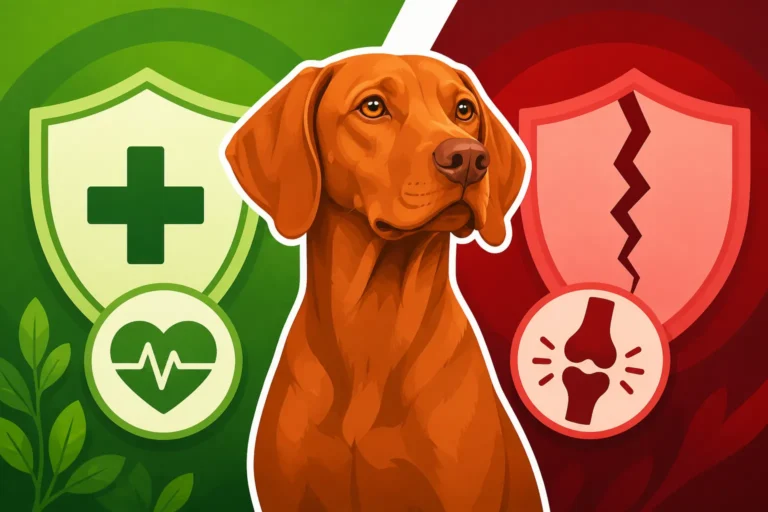
A CHIC number is not just a random sequence of digits; it’s a certification issued by the Orthopedic Foundation for Animals (OFA) that signifies a dog has undergone a specific set of health screenings recommended by its parent breed club. For Vizslas, this means the Vizsla Club of America (VCA) has worked with the OFA to determine which genetic and inherited diseases are most prevalent and impactful within the breed. They then establish a protocol of health tests that breeding dogs should pass to earn a CHIC number. Think of it as a comprehensive health dossier for a breeding dog, publicly accessible and transparent. This transparency is crucial because it allows prospective puppy buyers to verify a breeder's claims independently, rather than just taking their word for it. It helps ensure that breeders are actively working to reduce the incidence of debilitating conditions within the Vizsla population, contributing to the overall health and longevity of the breed. It's about responsible breeding practices that prioritize the future of these wonderful dogs over quick sales.
What the CHIC Program Represents
The CHIC program is a voluntary but highly recommended health database that works in cooperation with parent clubs like the Vizsla Club of America. The OFA acts as the central repository for these health test results. For a dog to receive a CHIC number, its test results must be publicly available in the OFA database, regardless of whether the results are "pass" or "fail." This might sound counterintuitive, but the philosophy behind it is total transparency. Even if a dog doesn’t get perfect scores on every test, the fact that the results are submitted and accessible provides valuable data for researchers and helps inform breeding decisions. It signals a breeder’s commitment to honesty and continuous improvement of breed health, rather than just hiding any less-than-perfect results. This program exists to help breeders make informed decisions that reduce the likelihood of passing on genetic diseases to future generations, giving you a better chance at a healthy puppy.
The Value of Transparency in Breeding
In an ideal world, every Vizsla breeder would be entirely transparent about their dogs' health history. The CHIC program helps make this ideal a reality by providing a standardized, verifiable system. The frustrations often arise when breeders are vague about health testing, perhaps saying their dogs are "vet checked" or "cleared by our vet." While a general vet check is always good, it doesn't replace the specialized, breed-specific health screenings required for a CHIC number. These specific tests often involve specialists (like veterinary ophthalmologists) and specific imaging (like hip and elbow X-rays evaluated by multiple veterinary radiologists). Without a CHIC number, or at least public OFA records for all the required tests, you simply don't have the same level of assurance that a breeder is truly addressing the breed's known health concerns. This verifiable transparency is a cornerstone of ethical breeding, allowing you to trace the health lineage and make a more confident choice.
What Health Tests Are Required for a Vizsla CHIC Number
The beauty of the CHIC program is its breed-specific nature. For Vizslas, the Vizsla Club of America has identified a core set of health issues that breeders should screen for before breeding their dogs. These tests are not arbitrary; they target conditions known to affect the Vizsla breed and can significantly impact a dog's quality of life and lifespan. Understanding these specific requirements is key to appreciating why a CHIC number holds so much weight.
Essential Orthopedic Screenings: Hips and Elbows
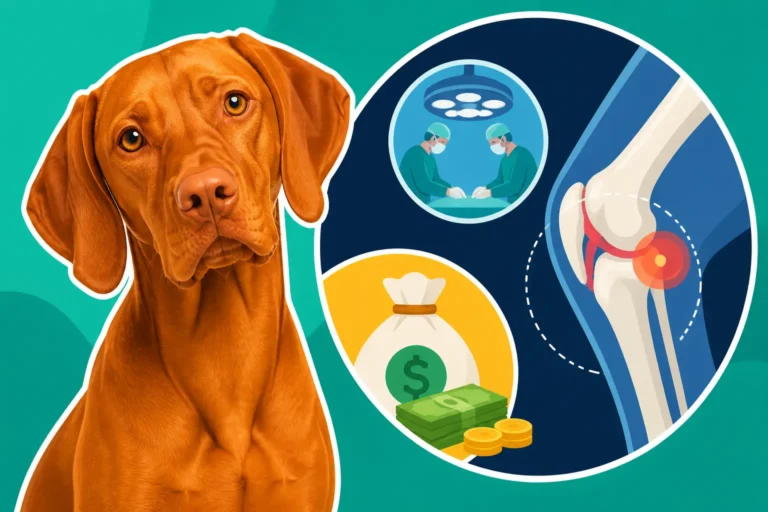
Perhaps the most recognized health tests are for hip and elbow dysplasia. These are conditions where the hip or elbow joints don't form correctly, leading to arthritis, pain, and lameness. For a Vizsla, a breed known for its incredible athleticism and boundless energy, healthy joints are paramount. Imagine a Vizsla that loves to run all day, only to be sidelined by debilitating joint pain at a young age. That's a heartache no owner wants to experience.
The CHIC program requires OFA certifications for both hips and elbows. This involves X-rays being taken by your veterinarian and then submitted to the OFA, where a panel of three veterinary radiologists evaluates them and assigns a grade. For hips, grades range from Excellent to Dysplastic; for elbows, they are graded Normal or Dysplastic (Grade I, II, or III). Responsible breeders aim for Normal or better results to reduce the risk of passing on these structural issues. You can learn more about these specific issues in depth by reading about Hips and Elbows on a Vizsla That Runs All Day. These screenings are a foundational step in ensuring your future Vizsla has the best chance at a pain-free, active life.
Eye Health and Thyroid Function
Beyond orthopedic health, Vizslas also have specific requirements for eye and thyroid health.
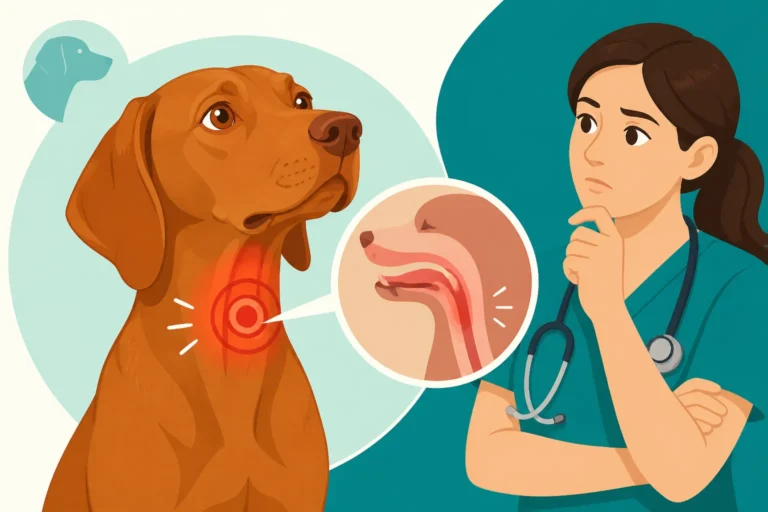
- Eye Examination (CERF/OFA Eye Certification): Vizslas are susceptible to various inherited eye conditions, some of which can lead to vision impairment or blindness. The CHIC requirement is a yearly eye examination by a board-certified veterinary ophthalmologist (ACVO). This specialist will check for conditions like entropion (inward-rolling eyelids), cataracts, and progressive retinal atrophy. While many breeders test for Whether a Vizsla Gets Progressive Retinal Atrophy, a full examination looks for a broader spectrum of potential issues. The results are submitted to the OFA, and a clear examination is necessary. This regular screening helps catch issues early and prevents affected dogs from being bred, protecting future generations.
- Thyroid Evaluation: Hypothyroidism, an underactive thyroid gland, is another condition that can affect Vizslas. It can lead to a range of symptoms, including lethargy, weight gain, and coat problems. You might notice your Vizsla's coat thinning or becoming dry, or they might seem unusually tired even after adequate rest. The CHIC program mandates thyroid testing through the OFA using a specific panel of tests (e.g., T4, Free T4, TAA, TgAA). These tests help identify dogs with autoimmune thyroiditis, which is an inherited form of hypothyroidism. Early detection and responsible breeding decisions can help mitigate the prevalence of Thyroid Failure in a Vizsla. Some breeders even go further, ensuring Whether a Vizsla Breeder Screens for Thyroid rigorously, even beyond the basic CHIC requirements, recognizing the prevalence of autoimmune issues in the breed.
It's important to remember that these are the minimum requirements for a Vizsla CHIC number. Some truly dedicated breeders might perform additional tests, such as for cardiac health or certain genetic diseases if they have concerns specific to their lines. However, the CHIC tests represent a solid, recognized baseline for responsible breeding in the Vizsla community.
Interpreting a Breeder's CHIC Number Disclosure
So, you're talking to a breeder, and the topic of health testing comes up. They might proudly state that their dogs have CHIC numbers, or they might offer different explanations for why they don't. How do you interpret this information, and what steps should you take to verify their claims? This is where your role as an educated puppy buyer becomes paramount.
If a breeder confidently provides you with CHIC numbers for their breeding dogs, that's an excellent sign. It indicates they’ve committed to the recommended health screenings and, crucially, that those results are publicly verifiable. A CHIC number means that all the required tests – hips, elbows, eyes, and thyroid – have been submitted to the OFA and are available for anyone to see.
Verifying a CHIC Number
The best part about the CHIC program is its transparency. You don't just have to take a breeder's word for it. You can and should verify the CHIC numbers yourself. Here's how:
- Ask for the Dog's Registered Name or OFA ID: A responsible breeder will readily provide this.
- Visit the OFA Website: Go to www.ofa.org.
- Search the Database: Use the dog's registered name or OFA ID to search the public database.
- Review the Results: The dog's OFA page will show all submitted health test results, including the CHIC number if earned. You'll see individual results for hips (e.g., "Good"), elbows ("Normal"), eyes ("Clear"), and thyroid ("Normal").
This simple verification process empowers you to confirm the breeder's claims and see the actual results of the tests. It’s a vital step in making an informed decision and can help you avoid potential heartache and significant veterinary expenses down the line. Unexpected health issues can be incredibly costly, even with excellent pet insurance like Healthy Paws. While insurance can cover future unforeseen accidents or illnesses, proper health screening before breeding helps reduce the likelihood of inherited conditions in the first place.
When a CHIC Number Isn't Shown: Red Flags vs. Nuance
What if a breeder doesn't show CHIC numbers? This isn't always an immediate deal-breaker, but it warrants thorough investigation and careful consideration.
Potential Red Flags:
- Vague Statements: If a breeder only says "our vet checked them" or "they're healthy," and can't provide specific OFA results or explain why they don't participate in CHIC, that's a significant red flag. It suggests they might not be performing the recommended breed-specific screenings, or they might be hiding unfavorable results.
- Lack of Public Records: Even if a dog doesn't have a CHIC number, the individual health test results should still be publicly available on the OFA website if the tests were performed correctly and submitted. If you can't find any public records, be very cautious. This might be a sign that Whether an Untested Vizsla Litter Is Worth Buying is a question you need to seriously consider.
Legitimate Reasons (with caveats):
- Young Dogs: Puppies cannot undergo all CHIC tests. Hips and elbows typically require dogs to be at least 24 months old. A breeder might be showing a younger dog that is a few months shy of completing all required tests, but they should be able to show results for the tests completed so far (e.g., preliminary hip/elbows, eye exams) and explain their plan for completing the rest.
- Imported Dogs/Foreign Certifications: Sometimes, breeders import dogs from other countries with different, but equally rigorous, health certification programs (e.g., FCI or BVA schemes). In such cases, the breeder should be able to provide documentation for those certifications and ideally, explain how they correlate with OFA/CHIC standards. It's still ideal for these results to be submitted to OFA for consistency.
- Dogs in a New Breeding Program: A newer breeder might be building their program and is in the process of getting all certifications. They should be transparent about this and eager to show any completed tests.
Here's a quick comparison table to help organize your thoughts:
| Aspect | Breeder Shows CHIC Number | Breeder Doesn't Show CHIC Number |
|---|---|---|
| Transparency | High – public records verify claims | Low – requires more digging, claims may be unverifiable |
| Commitment to Breed Health | Strong indicator of adherence to breed club standards | Questionable – may indicate lack of awareness or avoidance |
| Verification | Easy and direct via OFA website | Difficult to impossible; relies solely on breeder's word |
| Potential Puppy Health | Higher likelihood of reduced incidence of screened conditions | Higher risk for inherited conditions due to lack of screening |
| Action for Buyer | Verify on OFA website, then inquire about other factors | Ask for specific test results (with OFA numbers), inquire about reasons, proceed with caution, or seek another breeder |
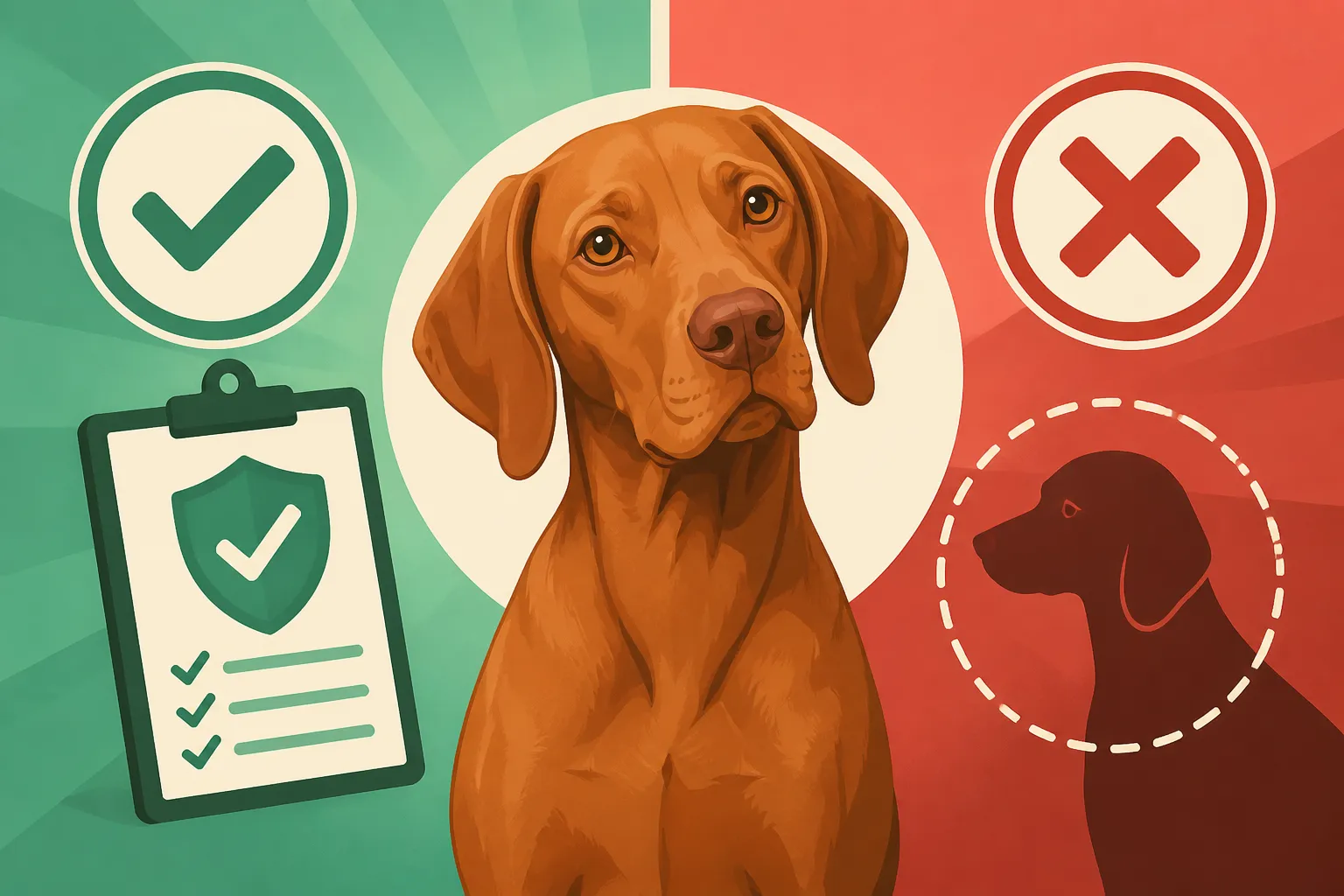
Ultimately, a breeder who proudly displays CHIC numbers for their Vizslas demonstrates a dedication to responsible breeding and a commitment to the long-term health of the breed. This practice significantly reduces the risk of you ending up with a Vizsla suffering from preventable genetic conditions, saving you potential emotional and financial strain. Knowing What Health Testing Costs a Vizsla Breeder helps you understand the investment they make.
Beyond the CHIC Number: What Else to Look For
While a CHIC number is an excellent indicator of a breeder's commitment to health, it's crucial to understand that it's a baseline, not a complete guarantee. No health test can predict every single health issue a dog might face, and the CHIC panel doesn't cover every single potential health problem in the Vizsla breed. It's an important piece of the puzzle, but not the whole picture.
The Limitations of CHIC Testing
The mandatory CHIC tests for Vizslas cover major orthopedic, eye, and thyroid issues. However, Vizslas, like many purebred dogs, can be prone to other conditions that aren't part of the standard CHIC panel. For example, some Vizslas can develop Epilepsy in a Vizsla, a neurological disorder that can manifest as seizures. There are also various immune-mediated diseases, which are a known weak point for the breed, as discussed in Why a Vizsla's Immune System Is the Breed's Weak Point. These can include things like polymyopathy, which affects the muscles, or certain cancers. The CHIC program is constantly evolving, and parent clubs may add new recommended tests as scientific understanding advances, but it won't ever cover everything.
This is why, even with a CHIC-certified parent, careful research and ongoing communication with your breeder are vital. While pet insurance companies like Healthy Paws can be a lifesaver for unexpected health challenges, even with the best breeding, responsible ownership also involves understanding broader breed health. Knowing that a Vizsla has a predisposition for certain conditions, even if not directly covered by CHIC, prepares you to be a more vigilant and proactive owner.
Broader Health Considerations and Longevity
When you're evaluating a potential Vizsla puppy, think beyond just the parents' CHIC numbers. Consider the health and longevity of the entire lineage.
- Pedigree Analysis: Ask the breeder about the health history of grandparents, great-grandparents, and siblings from previous litters. Are there any known issues that crop up consistently? A good breeder will be open about health concerns in their lines, discussing how they manage them and what steps they take to avoid perpetuating them.
- Longevity in the Lines: While not a formal "test," knowing how long dogs in a particular line tend to live can offer valuable insights. A breeder who tracks the lifespan of their dogs and their relatives shows a deep commitment to the breed's future.
- Temperament and Socialization: While not directly health-related, a well-adjusted temperament is crucial for a happy life. A Vizsla’s notorious "velcro" nature means they thrive on human companionship. A puppy from a responsible breeder will have been raised in an enriching environment, exposed to various sights, sounds, and people, laying the groundwork for good behavior.
- Genetic Diversity: In some breeds, a very narrow gene pool can increase the risk of certain recessive genetic diseases or reduce overall immune system robustness. While not directly something you can test for on your own, a responsible breeder will be aware of the importance of genetic diversity within their breeding program and will make efforts to bring in new lines if necessary.
The decision to bring a Vizsla into your home is a huge one, both emotionally and financially. Knowing What a Vizsla Costs Before It Ever Hunts or even just before its first birthday is substantial. While health testing might seem like just another checkbox, it's a profound investment in the future health and happiness of your beloved companion. A CHIC number provides a solid foundation of reassurance, but diligent inquiry into the broader health of a breeder's lines will truly set you up for success.
Final Thoughts on CHIC Numbers and Vizsla Breeders
Ultimately, a breeder who chooses to put their breeding dogs through the rigorous CHIC program and publicly shares those results demonstrates a significant commitment to ethical breeding and the long-term health of the Vizsla breed. This level of transparency speaks volumes about their dedication, allowing you as a prospective puppy owner to make a truly informed decision. While no health guarantee is absolute, choosing a puppy from CHIC-certified parents dramatically increases the likelihood that you'll bring home a healthy companion, setting both you and your future Vizsla up for a lifetime of joy and fewer unexpected veterinary surprises. Always combine this verification with a thorough interview process, asking detailed questions about the parents' temperaments, the living conditions of the puppies, and the breeder's ongoing support.
Disclaimer
Please note that this article is for informational purposes only and does not constitute veterinary advice. Always consult with a qualified veterinarian for any health concerns or before making any decisions about your dog's care. Breed health recommendations can evolve, so always refer to the latest guidelines from the Vizsla Club of America and the Orthopedic Foundation for Animals (OFA).