Whether a Vizsla Gets Hives
It’s truly disheartening to see your active, vibrant Vizsla suddenly break out in an angry rash, wondering if those sudden bumps and swelling mean something serious. Many Vizsla owners know the panic of their dog's otherwise sleek, short coat developing unexpected lumps and bumps, often accompanied by intense itching. This guide is here to shed light on hives in Vizslas, detailing what they look like, why our sensitive ginger companions get them, and crucially, what you can do to bring your furry friend relief and prevent future outbreaks.
Do Vizslas Get Hives? Understanding the Sudden Skin Reaction
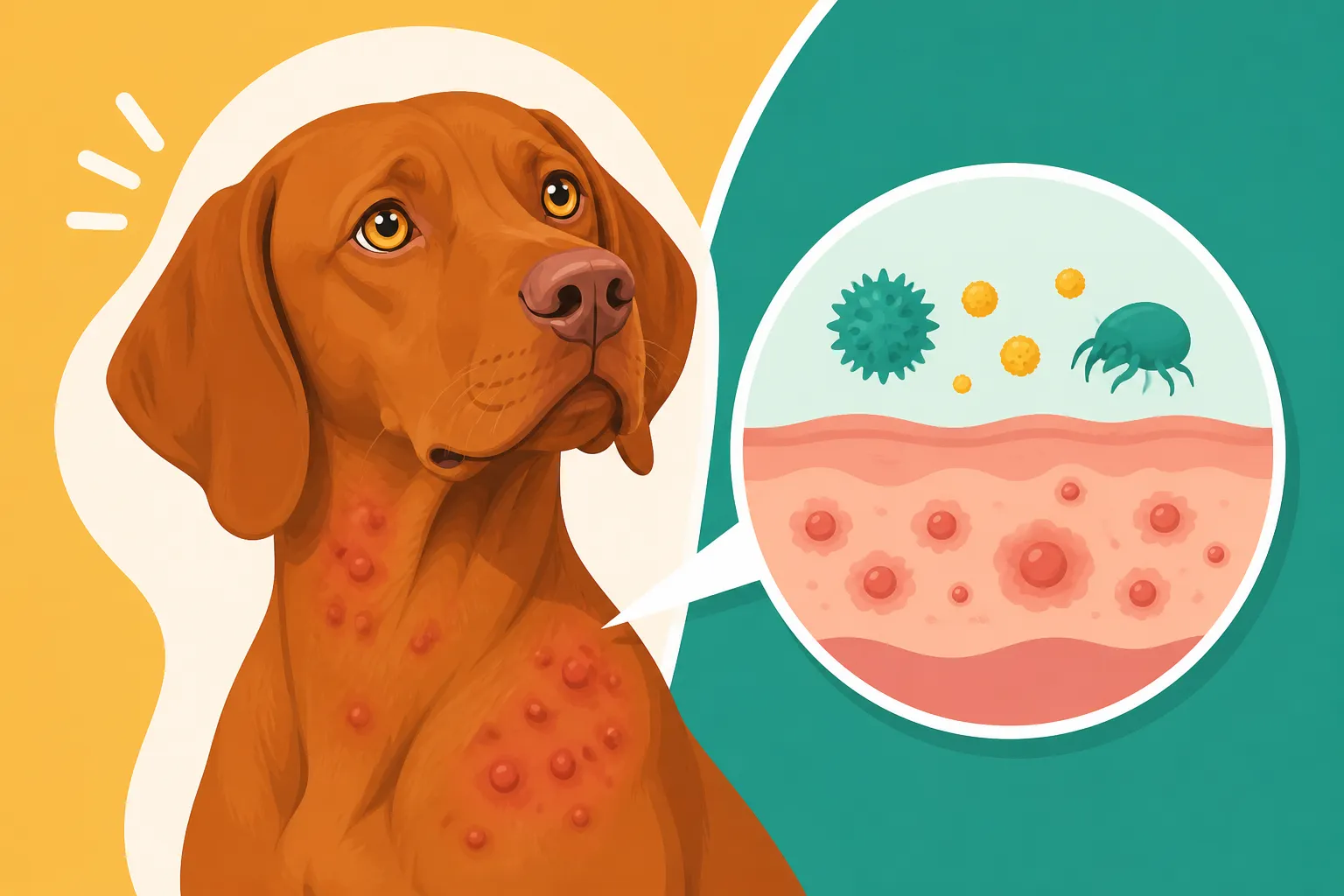
Yes, absolutely, Vizslas can and do get hives, just like humans and other dog breeds. In fact, due to their often sensitive skin and propensity for various allergic and immune-mediated conditions, they might even be considered somewhat more susceptible than some other breeds. Hives, medically known as urticaria, are essentially an acute allergic reaction that manifests as sudden, localized swelling in the skin. This swelling occurs when histamine and other inflammatory chemicals are released into the skin, causing small blood vessels to leak fluid. For a Vizsla owner, it can be quite alarming to discover these bumps seemingly out of nowhere.
The reason Vizslas might seem more prone often circles back to their unique physiology. They have that beautiful, fine single coat and relatively thin skin, which offers less protection against environmental irritants compared to dogs with thicker, denser coats. Their active, inquisitive nature means they're constantly exploring, nose to the ground, potentially coming into contact with a myriad of allergens, from plants and insects to chemicals. When their immune system overreacts to these triggers, hives are often the immediate visual symptom.
What Hives Look Like on a Vizsla
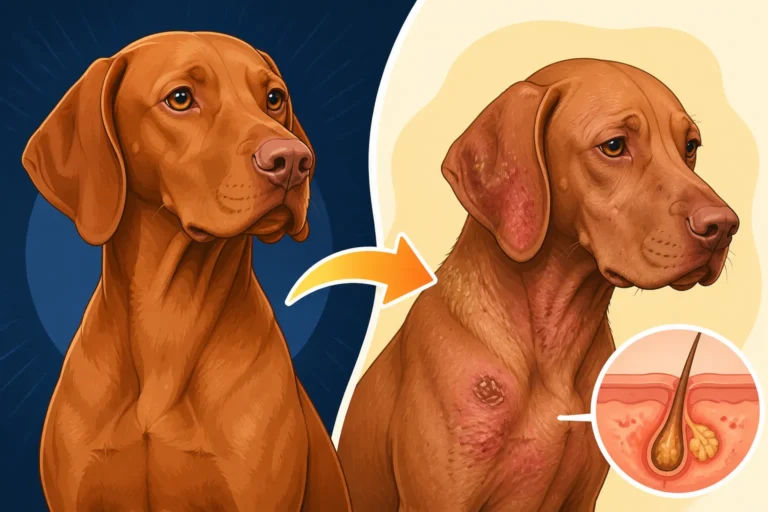
Spotting hives on a Vizsla is usually pretty straightforward, although it can vary in severity. Typically, you'll see raised, often circular or irregular bumps on the skin. These bumps, or wheals, can range in size from tiny mosquito-bite-like lumps to large, merged patches of swelling. On a Vizsla’s short, fine coat, these bumps are particularly noticeable, often causing the hair to stand up or become distorted over the affected areas.
The most common places to find hives on a Vizsla are the head, neck, flanks, and inner thighs, but they can appear anywhere on the body. Sometimes, the swelling can be more generalized, making large areas of the body feel puffy and warm to the touch. Beyond the visual bumps, your Vizsla will likely be intensely itchy. You might see them scratching, rubbing against furniture, licking at the affected areas, or even trying to chew at their skin. In severe cases, swelling can extend to the face, causing puffiness around the eyes and muzzle, which can be quite concerning.
Common Triggers for Hives in Vizslas
Identifying the specific trigger for hives can sometimes feel like detective work, as there are so many possibilities. However, certain categories of allergens are more commonly implicated in causing urticaria in Vizslas. Understanding these can help you narrow down the culprit and take steps to prevent future episodes.
One of the most frequent offenders is insect stings or bites. Bees, wasps, spiders, ants, or even fleas can inject venom or saliva that triggers an immediate hypersensitive reaction in a susceptible Vizsla. Contact allergens are another big one – think about plants like poison ivy (though dogs are less susceptible than humans, some can react), certain grasses, cleaning products, or even new bedding materials. It's often the immediate contact with something novel or irritating during their outdoor adventures that sets off a reaction.
Dietary allergens, while usually manifesting as more chronic skin issues like Whether a Vizsla Reacts to Its Food or gastrointestinal upset, can sometimes cause acute hives, particularly if it's a new ingredient or a severe intolerance. Medications, especially certain antibiotics or vaccines, are also known triggers. While less common, some Vizslas can even develop hives due to extreme temperature changes or stress, although these are usually secondary factors amplifying an underlying sensitivity.
Understanding the Vizsla's Unique Skin and Immune System
Vizslas are renowned for their striking appearance, characterized by that sleek, rust-colored coat and noble stature. However, this same physical makeup, particularly their skin and immune system, also contributes to their predisposition to certain health challenges, including acute allergic reactions like hives. It's not just a superficial issue; their internal workings play a significant role.
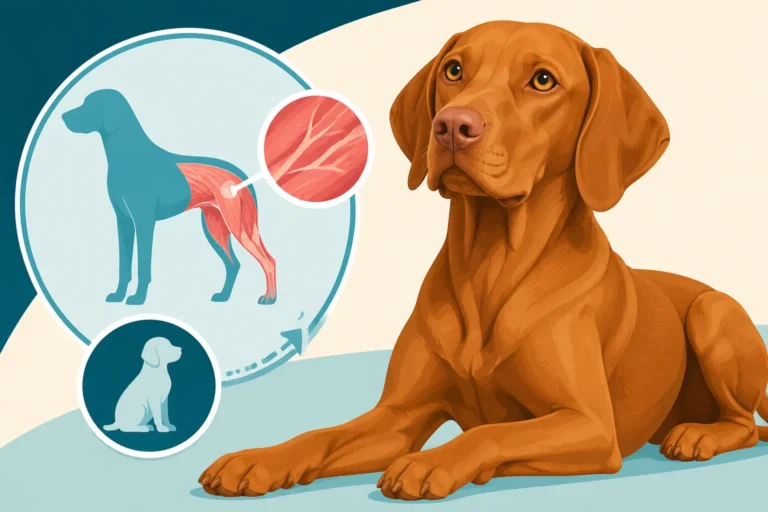
Our beloved Vizslas are known for having a rather unique immune system profile, which makes them prone to a range of immune-mediated conditions. This includes everything from specific muscle diseases like What Vizsla Inflammatory Polymyopathy Does to more generalized autoimmune disorders. When a dog has an immune system that tends to be on 'high alert' or misfires, it's more likely to overreact to otherwise harmless substances, leading to allergic responses like hives. This underlying sensitivity is a critical factor to consider when a Vizsla develops unexplained skin issues.
The Vizsla's Fine Coat and Delicate Skin
That beautiful, smooth coat of a Vizsla is a marvel, but it's also a double-edged sword when it comes to skin health. Unlike many breeds with thick undercoats, the Vizsla has a single, fine coat that lies close to their body. This means their skin is far more exposed to environmental elements, irritants, and allergens. There's less protective barrier to shield them from things they brush against during their enthusiastic runs through fields or explorations in the woods.
This delicate skin also tends to be quite sensitive. It doesn't take much for it to become irritated, inflamed, or to react adversely to contact with various substances. Whether it’s a new shampoo, a particular plant, or even excessive sun exposure on their belly (yes, Whether a Vizsla Sunburns is a real concern!), their skin can quickly show signs of distress. This inherent sensitivity, combined with their active lifestyle that puts them in constant contact with potential triggers, makes them prime candidates for developing hives. Owners often find themselves learning to manage a Vizsla's skin for life, a journey that can include addressing issues like Whether a Vizsla's Skin Flakes Badly.
Immune System Predisposition to Skin Issues
Beyond the physical characteristics of their skin and coat, the Vizsla's immune system itself plays a crucial role in their susceptibility to hives and other skin ailments. Vizslas are, unfortunately, a breed known for having a higher incidence of various immune-mediated diseases. It's a topic explored in depth in discussions like Why Vizslas Carry So Much Immune Disease. This genetic predisposition means their immune system can sometimes be a bit overzealous or misdirected.
When the immune system is hyper-responsive, it can launch an exaggerated attack against perceived threats, even when those threats are benign allergens. This 'overreaction' is what defines an allergic response. So, while any dog can get hives, a Vizsla's genetically wired, often reactive immune system can make them more prone to developing these sudden, itchy skin bumps compared to breeds with more robust or less reactive immune responses. This can lead to a whole host of skin issues beyond just hives, making it vital for owners to be vigilant about their dog’s overall health and any changes in their skin or coat.
Actionable Steps for Managing Hives in Your Vizsla
Finding your Vizsla covered in hives can be alarming, but the good news is that most cases are mild and respond well to prompt intervention. Knowing what to do in the immediate aftermath, and how to work with your vet for both acute and preventative care, is key to helping your Vizsla feel comfortable again.
First Aid for Acute Hives
When you first notice hives on your Vizsla, the initial steps you take at home can make a big difference in their comfort and the severity of the reaction. The very first thing is to try and identify, and then remove, your Vizsla from whatever might be causing the reaction. If you suspect a plant, an insect, or a new product, get them away from it immediately. If the reaction seems to be localized, say from an insect bite, you can try gently washing the area with cool water and a mild, pet-safe shampoo to remove any residual irritant.
For general relief, a cool compress applied to particularly itchy or swollen areas can provide some comfort. Many vets also recommend a dose of an oral antihistamine like diphenhydramine (Benadryl) for mild to moderate cases, but it is absolutely crucial to contact your veterinarian first for the correct dosage based on your Vizsla's weight. Over-the-counter human medications can be dangerous if given incorrectly. Never guess at the dosage. Observe your dog closely for any worsening symptoms, especially swelling around the face or difficulty breathing, which would indicate a more severe allergic reaction requiring immediate veterinary attention.
When to Seek Veterinary Care
While mild hives often resolve with supportive care and a veterinarian-approved antihistamine, there are definite signs that warrant an immediate trip to the vet. If your Vizsla's hives are accompanied by any swelling of the face, especially around the eyes, lips, or muzzle, this is a red flag. Significant facial swelling can indicate a more severe systemic reaction. Even more critically, if you notice any difficulty breathing, labored respiration, blue-tinged gums, persistent vomiting, diarrhea, or profound weakness, these are signs of a potentially life-threatening anaphylactic reaction. In these instances, do not wait – get to an emergency veterinary clinic right away.
Additionally, if the hives don't improve within a few hours of giving the prescribed antihistamine, or if they worsen, it's time to call your vet. They may need stronger medication, such as corticosteroids, to bring the reaction under control. A vet visit is also important to help accurately diagnose the cause and rule out other, more serious skin conditions. Don't hesitate to seek professional help; it’s better to be safe than sorry when your beloved Vizsla's health is on the line. Navigating vet bills can be stressful, but pet insurance from providers like Healthy Paws can often help cover these unexpected emergency visits.
Long-Term Management and Prevention
Once an episode of hives has occurred, the goal shifts to preventing future occurrences. This often starts with trying to pinpoint the specific allergen. Your vet might suggest an "elimination strategy" for food, where you feed a novel protein or hydrolyzed diet for a period to see if food is the culprit. For environmental allergies, it might involve paying close attention to where your Vizsla plays, what plants they come into contact with, and even the products you use in your home or on their coat. Discussions around Managing a Vizsla's Skin for Life often begin after such acute episodes.
Regular bathing with a hypoallergenic, moisturizing shampoo can help remove environmental allergens from their coat. Some owners find that adding omega-3 fatty acids, like fish oil, to their Vizsla's diet can improve skin barrier health and reduce overall inflammatory responses, a common topic when discussing Whether a Vizsla Needs Fish Oil for Its Skin. In cases of persistent or severe allergies, your veterinarian might recommend allergy testing (blood tests or intradermal skin tests) to identify specific triggers, or even long-term immunotherapy (allergy shots). Always discuss these options with your vet to create a tailored prevention plan that suits your Vizsla's individual needs and lifestyle.
Distinguishing Hives from Other Skin Conditions
It’s easy to panic when you see any unusual lumps or changes on your Vizsla's skin, especially given their thin coat. While hives are quite distinct, they can sometimes be confused with other skin conditions that might look similar at first glance. Knowing the differences can help you respond appropriately and communicate effectively with your vet.
Hives vs. Allergic Reactions Beyond Just Skin
Hives are indeed a form of allergic reaction, but it's important to understand that allergic reactions can manifest in various ways, not just as skin bumps. For instance, a dog might experience a severe systemic allergic reaction, known as anaphylaxis, where hives are just one symptom among many. In anaphylaxis, you might also see severe facial swelling, difficulty breathing, vomiting, diarrhea, collapse, or even shock. This is a life-threatening emergency and requires immediate veterinary intervention.
Other allergic reactions might present as Whether a Vizsla Gets Atopic Dermatitis, which is a chronic inflammatory skin disease often triggered by environmental allergens like pollen, dust mites, or molds. Atopic dermatitis typically causes generalized itching, redness, skin thickening, and secondary infections, but usually without the sudden, raised wheals characteristic of acute hives. Food allergies, too, can cause chronic itching, ear infections, and gastrointestinal upset, rather than just the sudden emergence of distinct bumps. While all stem from an allergic response, the specific presentation guides the diagnosis and treatment.
Hives vs. Hot Spots or Other Lumps
Distinguishing hives from other common skin lumps or lesions is crucial. Hot spots, officially known as acute moist dermatitis, are another frequent skin complaint in Vizslas and can sometimes be mistaken for hives, or even develop as a consequence of intense itching from hives. Hot spots are typically red, oozing, painful, and rapidly growing skin infections that dogs create by excessive licking, chewing, or scratching a localized area. They don't typically appear as multiple, distinct raised bumps like hives; instead, they are raw, open sores.
Other lumps you might find on your Vizsla could be insect bites (which can look like a single hive, but usually not multiple), benign fatty tumors (lipomas), skin cysts, or even more concerning, mast cell tumors. Lipomas and cysts are usually soft, movable, and non-painful lumps that develop slowly, quite different from the sudden, itchy onset of hives. Mast cell tumors, while they can mimic other lumps, require veterinary diagnosis. If you’re ever unsure about a new lump or bump on your Vizsla, especially if it's persistent, growing, or causing discomfort, it's always best to have your veterinarian examine it. Proactive checks and understanding what Lumps Worth Checking on a Vizsla are can save you worry and ensure prompt treatment.
| Feature | Hives (Urticaria) | Hot Spot (Acute Moist Dermatitis) | Other Lumps (e.g., Lipoma, Cyst) |
|---|---|---|---|
| Appearance | Raised, red, often circular wheals/bumps; hair stands up | Red, moist, oozing, raw sore; matted hair | Firm or soft lump, under or within skin; no fur change initially |
| Onset | Sudden, acute, appears quickly | Develops rapidly from scratching/licking | Gradual, slow growth |
| Primary Sensation | Intense itching, sometimes tenderness | Painful, very itchy | Usually no pain or itchiness (unless infected) |
| Cause | Allergic reaction (insect bite, contact, food, drug) | Self-trauma (licking/chewing) due to underlying itch | Benign fatty deposit, blocked gland, etc. |
| Distribution | Can be generalized or localized; multiple bumps | Localized to one area, often near tail, hip, neck | Single or multiple, scattered randomly |
| Resolution | Often resolves quickly with antihistamines/steroids | Requires cleaning, drying, antibiotics; longer to heal | May require surgical removal, or no treatment if benign |
Understanding these distinctions can help you describe your Vizsla's symptoms accurately to your vet, ensuring they receive the most appropriate and timely care. Having pet insurance, like a plan from Healthy Paws, can certainly alleviate some of the financial worry when these unexpected skin issues pop up, allowing you to focus on getting your Vizsla the help they need without delay.
Disclaimer
Please note that this article is intended for informational purposes only and is not a substitute for professional veterinary advice. Always consult with a qualified veterinarian for any health concerns or before making any decisions related to your Vizsla's health and treatment.