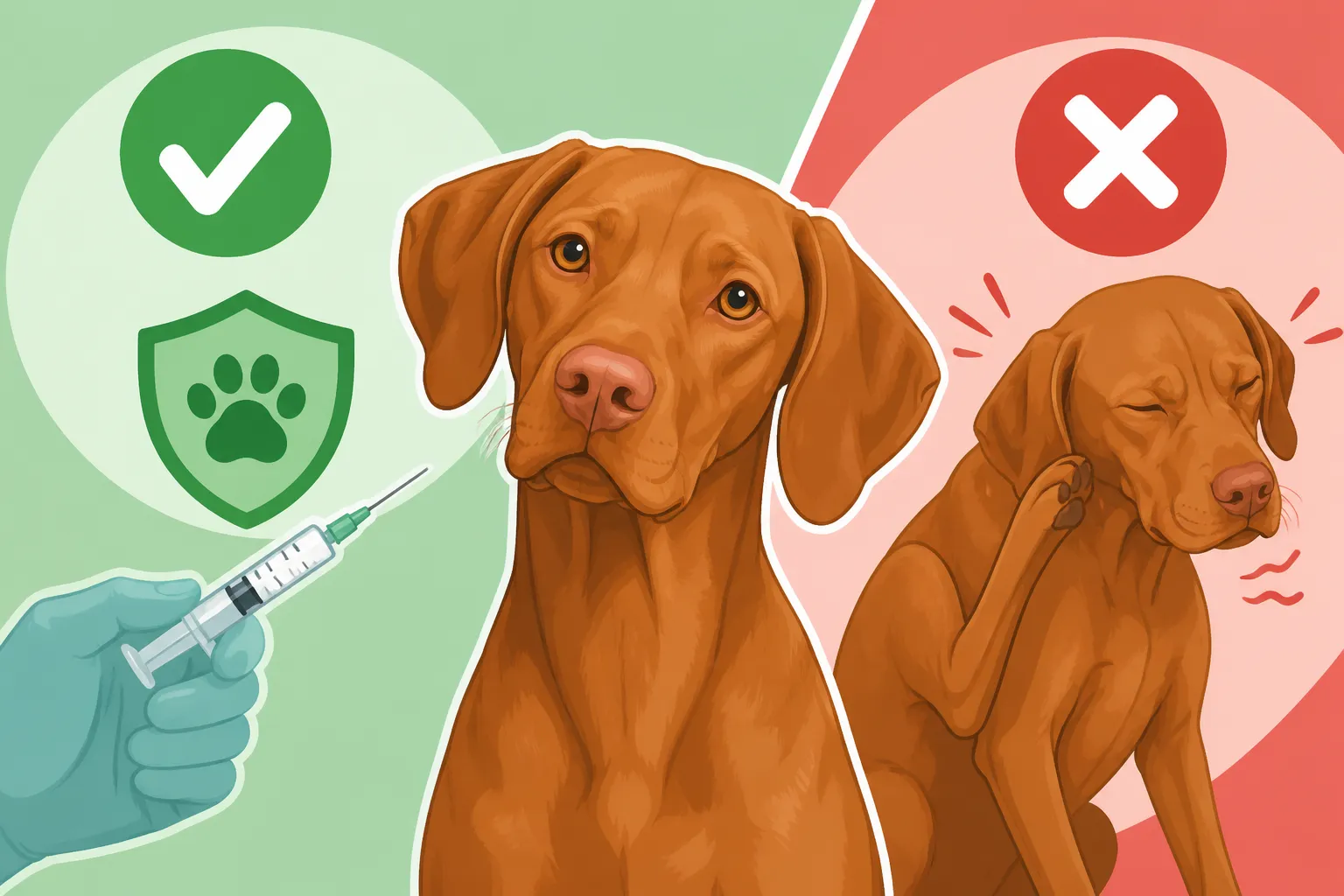
Whether a Vizsla Reacts to a Rabies Shot
It’s a concern many Vizsla owners whisper about in hushed tones at the dog park or bring up tentatively with their veterinarians: the fear of a vaccine reaction, especially to something as mandatory as the rabies shot. You know your Vizsla. You know they can be sensitive, not just emotionally, but physically too. This guide is dedicated to shedding light on why these worries are valid for our beloved copper dogs, what you need to look out for, and how you can best prepare and respond to ensure your Vizsla's well-being.
Understanding Rabies Vaccinations and Your Vizsla
For most dog owners, a vaccine appointment is a routine trip to the vet. You get the shot, maybe your dog is a little quiet for the evening, and then it's back to normal. But with a Vizsla, things often feel a little more… complicated. We understand that underlying anxiety, because our breed, with its unique genetic makeup, often demands a more thoughtful approach to healthcare, including vaccinations.
Why Rabies Vaccination is Critical
First and foremost, it's crucial to acknowledge that rabies vaccination isn't just a good idea; it's a legal requirement in nearly every state and country for a very good reason. Rabies is a viral disease that attacks the central nervous system, and once symptoms appear, it is almost always fatal for both animals and humans. It’s a terrifying disease, and vaccinating your Vizsla protects not only them but also your family and community. Skipping this vital protection, even with concerns about reactions, isn't really an option in most places. The potential consequences of an unvaccinated dog contracting or spreading rabies are simply too dire to consider. Your vet will always emphasize this, not to dismiss your concerns, but because the stakes are incredibly high.
Common Vaccine Reactions in Any Dog
Before we dive into Vizsla-specific sensitivities, let's talk about what's considered "normal" or mildly expected after any vaccination. Most dogs will experience some very minor, transient side effects. These are typically signs that their immune system is doing its job and building protection. You might notice:
- Local Soreness or Swelling: Just like us getting a flu shot, the injection site might be a little tender, or you might feel a small lump under the skin where the vaccine was administered. This usually resolves within a day or two.
- Lethargy: Your typically boisterous Vizsla might seem a bit quieter, perhaps preferring to nap more than usual. This mild sluggishness generally passes within 24-48 hours.
- Low-Grade Fever: A slight increase in body temperature is a common immune response. Your dog might feel a bit warm to the touch.
- Decreased Appetite: Some dogs might not be as enthusiastic about their food for a meal or two after a shot.
These reactions are usually mild, self-limiting, and don't require specific treatment beyond keeping an eye on your pup and offering comfort. They're a sign that the vaccine is stimulating the immune system, which is exactly what we want.
The Vizsla's Unique Immune System
Now, let's address the elephant in the room for Vizsla owners: our dogs' notorious sensitivity. It's not just a myth or an overprotective owner's imagination; Vizslas genuinely do seem to have a more reactive immune system compared to many other breeds. This sensitivity can manifest in various ways, from certain The Muscle Disease Named After the Vizsla to skin conditions like Sebaceous Adenitis and the Vizsla That Loses Its Coat. This genetic predisposition means that while any dog can have a vaccine reaction, Vizslas might be at a slightly elevated risk, or perhaps their reactions are simply more noticeable and concerning to their owners.
The scientific community is still working to fully understand Why Vizslas Carry So Much Immune Disease. Some theories point to the breed's relatively narrow gene pool, especially after it faced near extinction twice in its history. This means that certain genetic traits, including those linked to immune regulation, might be more concentrated within the breed. For us, as Vizsla parents, this translates into a need for extra vigilance and open communication with our veterinarians about vaccination protocols. We're not just being helicopter parents; we're responding to a genuine breed characteristic.
Specific Vizsla Reactions to Rabies Shots
Given their sensitive nature, Vizslas can sometimes present with reactions that go beyond the typical mild side effects. It’s important to know what to watch for, so you can act quickly if needed.
Mild Reactions and What to Watch For
While we discussed general mild reactions, for a Vizsla, even these can feel amplified. Picture your typically boisterous Vizsla, who usually greets you with an enthusiastic full-body wiggle and a toy in their mouth, now just lifting their head with sleepy eyes. This level of lethargy can be concerning when you're used to such high energy.
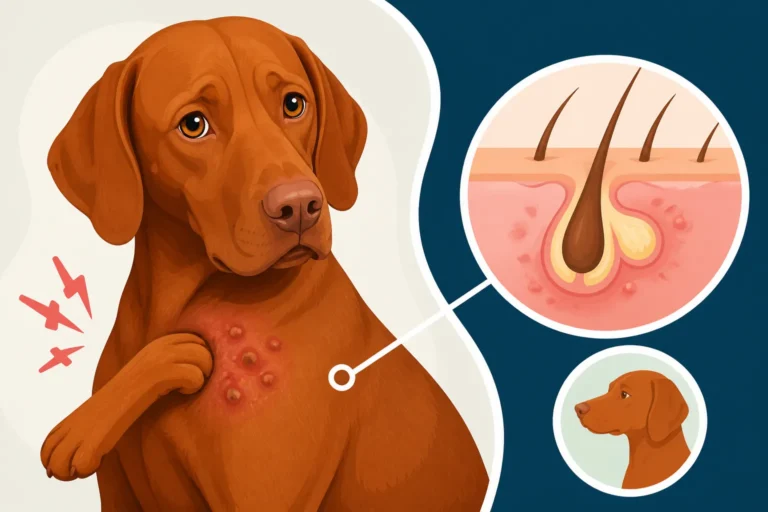
- Persistent Injection Site Issues: Instead of a small, transient lump, your Vizsla might develop a larger, firmer swelling at the injection site that lasts for several days or even a week. It might also be warm to the touch. While often benign, persistent swelling should be mentioned to your vet, especially if it seems painful or grows.
- More Pronounced Lethargy and Disinterest: Beyond just being a bit tired, your Vizsla might genuinely seem "off." They might refuse to play, not want to go for their usual walk, or lose interest in training treats. This can last longer than 24-48 hours, perhaps for two or three days.
- Gastrointestinal Upset: While not as common with rabies vaccines as with some multi-component vaccines, some Vizslas with their often Whether a Vizsla Has a Sensitive Stomach might experience a mild upset stomach, leading to soft stool or a brief bout of vomiting. If this occurs, monitor for dehydration and contact your vet if it persists.
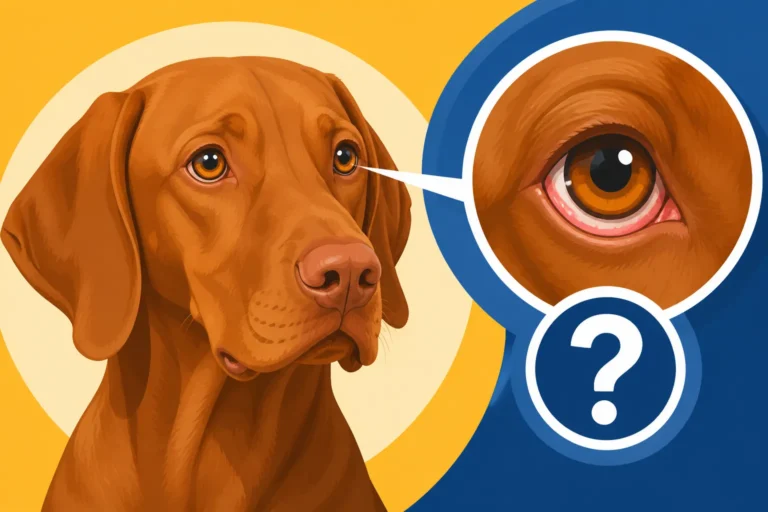
- Facial Swelling (Mild Angioedema): This is where things can start to get a bit more alarming. You might notice slight puffiness around your Vizsla's eyes, lips, or muzzle. While often mild and self-resolving or easily treated with an antihistamine, it's a clear sign of an allergic response and warrants a call to your vet. They can advise on whether an antihistamine is appropriate or if an office visit is needed.
These milder, yet still concerning, reactions are why many Vizsla owners feel on edge after a vaccine appointment. It’s not just "puppy blues"; it’s a real worry for a breed known for its delicate constitution.
More Serious, Though Rare, Reactions
It’s important to stress that severe reactions are quite rare, but when they do happen, they can be life-threatening and require immediate veterinary intervention. Knowing these signs can literally save your dog's life.
- Anaphylaxis: This is the most severe and immediate allergic reaction. It typically occurs within minutes to a few hours after vaccination. Signs include sudden and severe facial swelling, difficulty breathing (wheezing, gasping, blue gums), vomiting, diarrhea, collapse, pale gums, and profound weakness. If you see any of these signs, consider it an emergency and get to an emergency vet immediately. Time is absolutely critical in these situations.
- Immune-Mediated Responses: In some extremely rare cases, vaccines, particularly those that stimulate the immune system, can trigger an autoimmune response. While not directly linked specifically to rabies shots in Vizslas more than other breeds, any vaccine has the potential to theoretically exacerbate or trigger conditions like immune-mediated hemolytic anemia (IMHA) or immune-mediated thrombocytopenia (ITP). Vizslas are, unfortunately, known to be susceptible to various immune-mediated diseases, so this is a valid concern. If your Vizsla exhibits extreme lethargy, bruising, pale gums, or joint pain days or weeks after vaccination, especially if combined with other unusual symptoms, it's vital to have them thoroughly checked. Conditions like Whether a Vizsla Gets Immune Mediated Anemia are serious and require prompt diagnosis and treatment.
- Vaccine-Associated Sarcomas: This is a rare, but serious, concern that has historically been more associated with certain vaccines (like rabies and feline leukemia) in cats. In dogs, the incidence is extremely low, and while any injection could theoretically lead to a sarcoma, there isn't strong evidence to suggest Vizslas are disproportionately affected by vaccine-induced sarcomas compared to other breeds. However, if you notice a firm, non-mobile lump at the injection site that persists for more than three months, or rapidly grows, it should always be biopsied by your veterinarian to rule out a sarcoma. This is less an immediate "reaction" and more of a long-term, very rare complication.
The critical takeaway here is vigilance. While we hope for the best, being prepared for the worst is part of responsible Vizsla ownership, especially considering What Vizslas Are Most Often Treated For often revolves around various sensitivities and health conditions.
Differentiating Normal Post-Vaccine Effects from True Reactions
It’s easy to get anxious and overthink every little twitch or nap after your Vizsla has had a shot. The key is to understand the typical timeline and severity of benign versus concerning symptoms.
Think of it on a spectrum:
- Expected (within 12-24 hours, mild, resolves quickly): A little tired, a small, soft bump at the injection site that isn't painful, maybe skips a meal. This is your Vizsla's body building immunity.
- Mild Reaction (within hours to 1-2 days, more noticeable, might linger): More pronounced lethargy, minor facial swelling (puffiness), mild GI upset (soft stool once or twice), a larger but not painful injection site swelling. This means their immune system had a stronger response than desired, but often resolves on its own or with minor intervention (like an antihistamine if advised by your vet).
- Severe Reaction (within minutes to a few hours, rapidly worsening, life-threatening): Difficulty breathing, severe swelling of the face and throat, collapse, profuse vomiting/diarrhea, pale gums. This is a medical emergency requiring immediate vet attention.
The timeline is a major indicator. Immediate and dramatic changes are always more concerning than gradual, mild ones that appear 12-24 hours later. Also, consider the severity. A Vizsla being a bit sleepy is one thing; a Vizsla unable to stand or struggling to breathe is an entirely different matter. When in doubt, always call your veterinarian. They would much rather you call for a false alarm than delay treatment for a true emergency.
Minimizing Risk and Managing Reactions
The good news is that there are proactive steps you can take to minimize the risk of a reaction and manage it effectively if one occurs. This involves careful planning with your vet and diligent observation at home.
Discussing Vaccination Protocols with Your Vet
Your veterinarian is your best partner in navigating your Vizsla’s health. Don't be afraid to have an in-depth conversation with them about your concerns regarding rabies vaccinations. Here are some points to discuss:
- Single-Antigen Vaccines: Ask your vet if they offer single-antigen rabies vaccines. These contain only the rabies virus and not a cocktail of other vaccines (like distemper, parvovirus, adenovirus, parainfluenza). Administering vaccines one at a time, or at least separating the rabies shot from other routine boosters by a few weeks, can make it easier to pinpoint which vaccine might be causing a reaction. It also reduces the overall "load" on the immune system at one time.
- Splitting Shots: If your Vizsla is due for multiple vaccines, discuss splitting them up into separate appointments a few weeks apart. This again helps to isolate potential reactions and prevents overwhelming a sensitive immune system.
- Timing of Vaccination: Sometimes, giving the vaccine earlier in the day allows you more time to monitor your Vizsla for reactions while vet offices are still open. If a reaction occurs in the evening, you might be limited to emergency clinics.
- Pre-Medication: For Vizslas with a history of mild reactions, your vet might recommend pre-medicating with an antihistamine, like diphenhydramine (Benadryl), a short time before the vaccination appointment. This can sometimes blunt the allergic response. Always follow your vet's specific dosing instructions and never give human medication without their guidance.
- Titer Testing: While rabies titers don't eliminate the legal requirement for vaccination in most jurisdictions, they can be a useful tool for understanding your Vizsla's immunity. If your Vizsla has a strong, documented titer for rabies, and you live in a region that allows for exemptions based on titers (rare, but worth asking), it might be an option. However, most states mandate booster vaccination regardless of titer levels due to public health laws. Still, for owners concerned about cumulative vaccinations, discussing Whether a Vizsla Needs Titers Instead of Boosters for other vaccines like distemper/parvo is an excellent conversation to have with your vet. Many pet insurance providers, such as Healthy Paws, offer coverage for diagnostic tests that can help you make these informed decisions about your pet's health. While they may not cover routine vaccinations, knowing you have support for unexpected illnesses or reactions can be a huge relief.
What to Do If Your Vizsla Reacts
Despite your best efforts, a reaction might still occur. Knowing how to respond is paramount.
- For Mild Reactions (e.g., slight facial puffiness, more significant lethargy, swelling at injection site):
- Contact your vet immediately: Describe the symptoms clearly. They can advise whether to monitor at home, administer an antihistamine, or bring your Vizsla in.
- Monitor closely: Keep a detailed record of symptoms, including when they started, how severe they are, and any changes. Take pictures if there's visible swelling.
- Provide comfort: A quiet, warm place to rest, fresh water, and easy access outside for potty breaks. Don't force them to eat if they're not interested, but offer bland food if they show some appetite.
- For Severe Reactions (e.g., difficulty breathing, collapse, severe swelling, profuse vomiting/diarrhea):
- THIS IS AN EMERGENCY. Do not wait. Get your Vizsla to the nearest veterinary emergency clinic immediately. Call ahead if possible to let them know you're coming and describe the symptoms.
- Stay calm: While it's incredibly difficult, your Vizsla will pick up on your panic. Try to remain as calm as possible to help keep them calm.
- Do not attempt home remedies: Severe allergic reactions require professional medical intervention, including injectable antihistamines, steroids, and potentially epinephrine, oxygen, and IV fluids.
Remember, prompt action can make all the difference in the outcome of a severe reaction. Having a plan in place, including knowing the location and phone number of your nearest emergency vet, is critical for any Vizsla owner. Insurance policies from companies like Healthy Paws can be invaluable in these emergency situations, helping to cover the often significant costs associated with urgent veterinary care and specialized treatments for severe reactions.
Post-Vaccination Care at Home
After a rabies shot, especially for a sensitive Vizsla, the care doesn't stop when you leave the clinic.
- Observation is Key: For the first 24-48 hours, be extra vigilant. Stay home with your Vizsla if possible, or ensure someone trustworthy is monitoring them. Look for any changes in behavior, appetite, breathing, or physical appearance.
- Limit Strenuous Activity: No intense training, long runs, or strenuous play for a day or two after vaccination. Your Vizsla's body is working to process the vaccine, and excessive physical activity can mask symptoms or potentially exacerbate a reaction. A short, leashed potty walk is usually fine, but keep it low-key.
- Provide Comfort: Ensure your Vizsla has a comfortable, quiet, and warm place to rest. They might appreciate extra cuddles, but also give them space if they seem to want it.
- Hydration: Always ensure access to fresh water. If they're a bit off their food, hydration is even more important.
- Report Any Concerns: Even if it's a minor symptom that resolves, make a note of it and inform your regular vet at your next visit or via a quick call. This information is crucial for building a comprehensive health history for your Vizsla and informing future vaccination decisions.
Caring for your Vizsla means being aware of their unique needs. By partnering with your vet and being a diligent observer, you can navigate vaccinations as safely as possible.
Long-Term Considerations and Alternatives
For many Vizsla owners, the conversation around rabies vaccination doesn't end with a single shot. It's an ongoing dialogue that requires understanding legalities, medical possibilities, and the specifics of your dog’s health.
The Role of Titers in Rabies Management
Titer testing for rabies measures the level of antibodies in your Vizsla's blood, indicating their immune response to the vaccine. A sufficiently high titer theoretically means your dog has adequate protection against the virus. Many Vizsla owners, particularly those whose dogs have reacted to past vaccines, often ask about using titers instead of booster shots.
However, the reality is that rabies vaccination laws are primarily public health regulations, not purely medical ones. Most states and countries mandate periodic rabies vaccinations (typically every one or three years, depending on the vaccine used and local laws) regardless of a dog's titer levels. This is because a titer only shows the presence of antibodies; it doesn't always guarantee protection or satisfy the legal requirement for demonstrated vaccination status in the eyes of the law. While some states or counties might have provisions for medical exemptions based on titers for dogs with a documented history of severe adverse reactions, these are exceptions, not the rule. It's a complex issue where public health policy often takes precedence over individual pet owner preference. If your Vizsla has a serious, life-threatening reaction, your vet can issue a medical exemption letter, but this usually involves a clear medical history of adverse events.
Navigating Local Rabies Laws
Rabies laws vary significantly not just by country, but by state, county, and even city within the United States. It's your responsibility as a Vizsla owner to understand the specific requirements where you live.
- Vaccination Schedule: Is a one-year or three-year rabies vaccine required? Most veterinarians will recommend the three-year vaccine if available, as it reduces the frequency of injections.
- Documentation: Always keep your Vizsla’s rabies certificate and tag in a safe place. These are crucial proof of vaccination if your dog is involved in a bite incident, travels, or needs to be boarded.
- Exemptions: As mentioned, medical exemptions for rabies are rare but exist for severe cases. Discuss this with your vet if your Vizsla has a documented, life-threatening reaction. Be prepared for robust documentation and potential ongoing legal hurdles to maintain compliance without revaccination.
A good way to stay informed is to check your local animal control or public health department website. Your veterinarian will also be knowledgeable about local regulations and can guide you.
The Importance of a Health History
Every interaction, every sniffle, every medical procedure contributes to your Vizsla's overall health picture. A comprehensive, detailed health history is invaluable, especially for a breed like the Vizsla known for its various health challenges.
- Document Reactions: If your Vizsla reacts to a rabies shot (or any vaccine), ensure it is thoroughly documented in their veterinary record. Note the date, the vaccine administered, the specific symptoms, their severity, and how long they lasted.
- Breed-Specific Concerns: Knowing your Vizsla's genetic predispositions is key. For example, if your Vizsla has a history of immune-mediated conditions or if Whether a Vizsla's Thyroid Should Be Tested Yearly is a concern, this information helps your vet tailor preventive care and react appropriately to new symptoms.
- Informing Future Decisions: A detailed history allows your vet to make informed decisions about future vaccinations, medications, and overall health management. If your Vizsla had a mild reaction to a previous rabies shot, your vet might suggest pre-medication or splitting future vaccinations to minimize risk.
- Breeding Considerations: For responsible breeders, a thorough health history, including any vaccine reactions, is crucial information for assessing the health of their lines and making informed decisions about breeding. Whether an Affected Vizsla Should Be Bred for other conditions like sebaceous adenitis highlights the importance of full health transparency.
Think of your Vizsla's health history as their medical autobiography. The more complete and accurate it is, the better equipped your veterinary team will be to provide the best possible care throughout their The Twelve to Fourteen Years a Vizsla Lives. Being proactive, informed, and communicative with your vet is the best defense against potential issues, including those related to essential vaccinations like rabies.
| Reaction Type | Onset Time | Common Signs | Action Required |
|---|---|---|---|
| Mild/Expected | 12-24 hours | Mild lethargy, soreness at site, slight appetite decrease | Monitor at home, provide comfort. |
| Moderate Reaction | Hours to 1-2 days | More pronounced lethargy, facial puffiness, persistent swelling, mild GI upset | Contact vet for advice; may involve antihistamines or observation. |
| Severe/Anaphylaxis | Minutes to hours | Difficulty breathing, collapse, severe swelling, vomiting, diarrhea, pale gums | IMMEDIATE EMERGENCY VET CARE. Call ahead. |
| Long-Term Complication | Weeks to months | Persistent/growing lump at injection site (rare sarcoma) | Vet examination, potentially biopsy. |
Disclaimer
The information provided in this article is for general informational purposes only and is not a substitute for professional veterinary advice. Always consult with a qualified veterinarian for any health concerns or before making any decisions related to your Vizsla's care, including vaccination protocols and treatment of reactions.