Whether Vizslas Have More Autoimmune Disease Than Most
It’s a heart-wrenching worry for any Vizsla owner: that nagging feeling that our beloved ginger shadows might be more susceptible to certain health conditions, particularly autoimmune diseases, than other breeds. We pour our hearts into these dogs, and the thought of them battling an invisible enemy within their own bodies is truly daunting. This guide is here to shed some light on why Vizslas seem to carry a higher burden of autoimmune issues and, more importantly, what you, as a dedicated owner, can do to understand, manage, and hopefully prevent these challenging conditions.
The Genetic Blueprint: Why Vizslas Seem Prone to Autoimmune Issues
When you fall in love with a Vizsla, you’re not just bringing home a dog; you’re welcoming a piece of living history, a breed shaped by centuries of selective breeding for a very specific purpose. However, that very history, while contributing to their incredible drive and affectionate nature, also left them with a genetic blueprint that can unfortunately predispose them to certain health vulnerabilities, including autoimmune diseases.
A Narrowed Gene Pool: The Impact of Breeding History
To truly understand why Vizslas seem to have more than their fair share of autoimmune challenges, we need to look back at their past. The Vizsla breed faced extinction not once, but twice, most notably around the turn of the 20th century. During these perilous times, the breed was rebuilt from a very small number of surviving dogs. Think about it: an entire breed, brought back from the brink using only a handful of individuals. This dramatically reduced their genetic diversity, essentially creating a family tree where everyone is a little too closely related.
This narrowed gene pool means that any genes carrying a predisposition for certain conditions, like those related to immune system dysfunction, became more concentrated within the breed. When you’re dealing with a limited genetic library, there’s less variation to draw from, making it harder for the breed to 'shuffle the deck' and dilute undesirable traits. This is a topic often discussed when considering Whether the Small Founding Population Explains It. While the dedication of breeders brought the Vizsla back, it inadvertently baked in some health challenges. We talk more about this amazing comeback in articles like The Vizsla Came Back From Extinction Twice and The Twelve Dogs the Vizsla Was Rebuilt From in 1900.
Inherited Predisposition: Specific Conditions to Watch For
It’s not just about one rogue gene; often, autoimmune diseases are polygenic, meaning multiple genes work together to create the susceptibility. In Vizslas, this genetic predisposition often manifests as an immune system that, instead of only attacking foreign invaders, mistakenly targets the body's own healthy cells and tissues. It's like an internal alarm system that's constantly on high alert, even when there's no real threat.
This inherited tendency doesn't mean every Vizsla will develop an autoimmune disease, but it does mean the risk is statistically higher compared to breeds with a broader genetic base. Owners often feel frustrated because these conditions can be unpredictable, appearing without obvious cause. The specific genes involved are complex, and research is ongoing, but the pattern of certain autoimmune diseases appearing more frequently in Vizslas points strongly to this genetic vulnerability. This inherent sensitivity is often why we find ourselves asking Why Vizslas Carry So Much Immune Disease.
Understanding Common Autoimmune Diseases in Vizslas
The term "autoimmune disease" can feel vague and intimidating. For Vizsla owners, it often translates into specific, heartbreaking conditions that affect their dogs' quality of life. Knowing what to look for and what these conditions entail is the first step in managing them effectively.
Thyroid Dysfunction: More Than Just a Slow Metabolism
One of the most commonly recognized autoimmune conditions in Vizslas is autoimmune thyroiditis, which leads to Thyroid Failure in a Vizsla. This isn't just a simple case of a slow metabolism; it's a condition where the immune system attacks and destroys the thyroid gland itself. The thyroid is crucial for regulating metabolism, energy levels, coat health, and even mood.
Symptoms can be subtle at first, often dismissed as normal aging or a change in routine. You might notice your energetic Vizsla becoming unusually sluggish, gaining weight despite no change in diet, or developing a dull, thinning coat that doesn't quite seem right. Some owners report their dogs seem "off" or even anxious. Diagnosing autoimmune thyroiditis typically involves comprehensive blood tests that look not just at thyroid hormone levels, but also for antibodies that indicate an immune attack. Many vets recommend regular thyroid checks, especially for Vizslas, so asking Whether a Vizsla's Thyroid Should Be Tested Yearly is a very valid question. The good news is that once diagnosed, it's manageable with daily thyroid hormone replacement medication, often for the rest of their lives.
Skin Conditions: When the Immune System Attacks the Coat
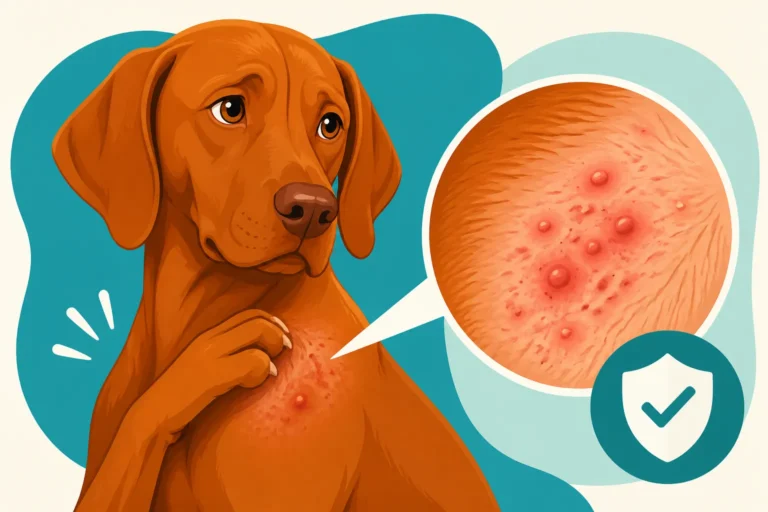
Perhaps one of the most visible and frustrating autoimmune diseases in Vizslas is Sebaceous Adenitis (SA). This rare, genetically influenced condition causes the immune system to mistakenly attack and destroy the sebaceous glands in the skin. These glands are responsible for producing sebum, the oily substance that keeps a dog's skin and coat healthy, moisturized, and protected.
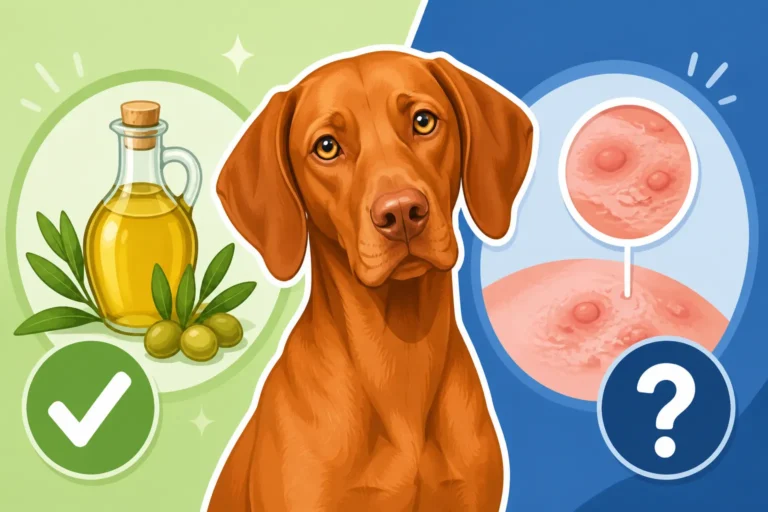
When these glands are destroyed, the skin becomes dry, flaky, and prone to secondary infections. Owners often first notice hair loss, particularly along the back, ears, and head – sometimes leading to Where a Vizsla Loses Hair First. The coat can look sparse, brittle, and the skin can become incredibly itchy and develop a distinctive, unpleasant odor due to bacterial or yeast overgrowth. It's a devastating condition to witness, and learning What Sebaceous Adenitis Does to a Vizsla can be quite sobering. Managing SA is a lifelong commitment, often involving specialized shampoos, hydrating oil soaks, and sometimes immunosuppressive medications like cyclosporine to try and calm the immune response. We delve more into the care required in Managing a Vizsla's Skin for Life.
Muscular Maladies: Rare but Significant Challenges
While less common than thyroid issues or SA, Vizslas can also be affected by a severe autoimmune condition known as Vizsla Inflammatory Polymyopathy (VIP), sometimes simply called The Muscle Disease Named After the Vizsla. This disease is particularly heartbreaking as it involves the immune system attacking the dog's own muscle tissue, especially in the head and neck.
The early signs of VIP can be incredibly subtle, making diagnosis challenging. Owners might first notice their dog having difficulty swallowing, excessive drooling, or a subtle change in their bark. As the disease progresses, the muscles around the head and face can begin to waste away, giving the dog a gaunt appearance. This muscle wastage significantly impacts their ability to eat, drink, and even breathe comfortably, as described in Why VIP Attacks a Vizsla's Head and Neck. The frustration of seeing your vibrant, active Vizsla struggle with such basic functions is immense. Diagnosis usually involves muscle biopsies and specialized blood tests. Treatment often relies on high doses of immunosuppressants, such as steroids, to try and halt the immune system's attack.
Navigating the Diagnosis and Management of Autoimmune Disease
Receiving an autoimmune diagnosis for your Vizsla can feel like a punch to the gut. The journey to diagnosis is often long, expensive, and emotionally draining, and management typically requires a dedicated, lifelong commitment. It's crucial to prepare yourself for this reality and to gather a strong support system around you.
The Diagnostic Journey: Frustrations and Persistence
One of the biggest frustrations for Vizsla owners facing a suspected autoimmune disease is the diagnostic process itself. These conditions often mimic other illnesses, and initial tests might come back inconclusive, leading to a long and costly process of elimination. It's not uncommon for owners to spend a fortune on vet visits, specialized blood panels, biopsies, and consultations with internal medicine specialists or dermatologists before finally getting a definitive answer.
For instance, differentiating between autoimmune skin issues and allergies, or pinpointing the exact cause of lethargy and weight gain, can take months. A skin biopsy might be needed to confirm Sebaceous Adenitis, or specific antibody tests for thyroiditis. For muscle diseases like VIP, a muscle biopsy is often the gold standard. This journey requires patience, persistence, and a strong advocate in your veterinarian. Don't be afraid to ask for referrals to specialists; their expertise can be invaluable in complex cases. Remember, an accurate diagnosis is the cornerstone of effective treatment, even if the path to get there feels like an uphill battle.
Living with Autoimmune Disease: Treatment and Lifestyle Adjustments
Once an autoimmune disease is diagnosed, the focus shifts to management. It's important to understand that for most autoimmune conditions, there isn't a "cure" in the traditional sense; rather, the goal is to control the immune response, alleviate symptoms, and maintain the best possible quality of life for your Vizsla.
Treatment protocols vary depending on the specific condition but often involve medications that suppress or modulate the immune system. For thyroid disease, it's a daily pill to replace the hormones the body isn't producing. For SA, it could be a combination of topical treatments, weekly oil soaks, and sometimes oral immunosuppressants like Whether Cyclosporine Helps a Vizsla. In more severe cases like VIP, corticosteroids are often used to reduce inflammation and halt muscle destruction, and owners often wonder Whether Steroids Control a Vizsla's Polymyopathy. These medications can have side effects, requiring careful monitoring by your vet.
Beyond medication, lifestyle adjustments play a huge role. This might include special diets, managing environmental triggers, ensuring comfortable living conditions, and providing consistent, loving care. The financial burden of lifelong medication, special foods, and regular vet check-ups can be substantial. This is where a good pet insurance policy, like those offered by Healthy Paws, can be an absolute lifesaver. Knowing that a significant portion of your vet bills for ongoing treatments might be covered can provide immense peace of mind and allow you to focus on your dog's care without constant financial stress. Many Vizsla owners wisely opt for insurance early to help manage potential future costs of these chronic conditions.
| Autoimmune Disease | Affected System | Common Symptoms | Typical Diagnosis |
|---|---|---|---|
| Autoimmune Thyroiditis | Endocrine (Thyroid) | Lethargy, weight gain, dull coat, hair loss, cold intolerance | Blood panel (T4, fT4, TSH, autoantibodies) |
| Sebaceous Adenitis (SA) | Integumentary (Skin) | Dry, scaly skin, patchy hair loss (especially back/head), odor, secondary infections | Skin biopsy |
| Vizsla Inflammatory Polymyopathy (VIP) | Muscular | Difficulty swallowing, excessive drooling, muscle wasting (head/neck), voice changes | Muscle biopsy, blood tests |
| Immune-Mediated Hemolytic Anemia (IMHA) | Hematologic (Blood) | Lethargy, pale gums, weakness, dark urine, jaundice | Blood tests (CBC, Coombs' test) |
| Lupus (Systemic Lupus Erythematosus) | Multiple body systems | Lameness, skin lesions, fever, kidney issues, blood abnormalities | Complex blood tests, ruling out others |
Proactive Steps for Vizsla Owners
While genetic predispositions are beyond our control, there are definitely proactive steps you can take to mitigate risks, ensure early detection, and provide the best possible support for your Vizsla's immune health. Being an informed and diligent owner is your best defense.
Choosing a Reputable Breeder: Screening for Health
The most impactful decision you can make when bringing a Vizsla into your life is choosing a reputable breeder. A responsible breeder is transparent about the health history of their lines and actively screens their breeding stock for known genetic predispositions. For Vizslas, this should include hip and elbow evaluations (OFA or PennHIP), eye clearances, and importantly, thyroid panels. Inquire specifically about autoimmune diseases in their dogs' pedigrees – ask about any history of thyroiditis, Sebaceous Adenitis, or VIP in the parents, grandparents, and siblings.
While no breeder can guarantee a puppy will never develop an autoimmune disease, ethical breeders strive to reduce the risk by selecting healthy parents and understanding the health challenges within the breed. They should be willing to discuss The Health Tests Both Vizsla Parents Should Have and even provide you with documentation. A breeder who dismisses health concerns or doesn't perform these critical screenings is one to avoid, as a cheaper puppy upfront can lead to devastating and costly health issues down the line. It's worth considering Whether an Untested Vizsla Litter Is Worth Buying very carefully. If a breeder is truly dedicated, they will also be screening for conditions like thyroid disease, making Whether a Vizsla Breeder Screens for Thyroid a crucial question to ask.
Supporting Immune Health: Diet and Environment
Beyond genetics, providing a strong foundation for your Vizsla's overall health can certainly help support their immune system. A high-quality diet is paramount. Look for dog foods with whole, identifiable ingredients, and avoid excessive fillers or artificial additives. Some owners find that certain protein sources or grain-free diets can be beneficial if their Vizsla has sensitivities, but always consult with your veterinarian or a veterinary nutritionist before making drastic dietary changes. Supplementation with omega-3 fatty acids, often found in fish oil, can also support skin health and reduce inflammation, leading many to ask Whether a Vizsla Needs Fish Oil.
Environmental factors and stress also play a role in immune function. A stable, low-stress home environment, consistent routine, and plenty of appropriate exercise and mental stimulation are vital for any Vizsla. Their naturally sensitive and attached nature means they thrive on companionship and can suffer from stress if left alone for extended periods. Regular veterinary check-ups are key for early detection, allowing your vet to catch any subtle changes that might indicate an underlying issue. Consider a comprehensive pet insurance plan, such as Healthy Paws, early in your Vizsla's life. It can provide a safety net for unexpected illnesses, including the diagnostics and ongoing treatments for autoimmune diseases, allowing you to make medical decisions based on what's best for your dog, not just your wallet.
Disclaimer
The information provided in this article is for general informational purposes only and is not a substitute for professional veterinary advice. Always consult with a qualified veterinarian for any health concerns or before making any decisions related to your Vizsla's health and treatment.