The Twelve Dogs the Vizsla Was Rebuilt From in 1900
It’s hard to imagine our beloved Vizslas, with their boundless energy and striking golden-rust coats, ever being on the brink of vanishing entirely. Yet, at the turn of the 20th century, this was precisely the terrifying reality for the Hungarian Pointer. This guide will delve into that critical period, exploring the desperate but ultimately successful efforts by dedicated breeders who, against incredible odds, painstakingly rebuilt the Vizsla from a handful of surviving dogs and a carefully selected group of twelve distinct breeds, ensuring their legacy for generations to come.
The Vizsla's Near Demise: A Vanishing Legacy
Before we can appreciate the monumental task of reconstruction, we need to understand the dire circumstances that led to the Vizsla almost disappearing. Imagine a breed with such a rich history, deeply woven into the fabric of Hungarian hunting culture, teetering on the edge of oblivion. It wasn't just one single event, but a perfect storm of social, political, and economic factors that conspired against these magnificent dogs. By the late 1800s, the purebred Vizsla population had dwindled to alarming lows, leaving only scattered remnants of what was once a proud and numerous line. It’s a somber thought, realizing how close we came to never knowing the "Velcro Vizsla" we adore today.
The Impact of Political Upheaval and War
Hungary in the late 19th and early 20th centuries was a land of constant change and turmoil. Wars, political shifts, and economic hardship had a devastating impact on many aspects of daily life, and the preservation of specific dog breeds was far down the list of priorities for most. During these tumultuous times, maintaining large kennels of purebred hunting dogs became a luxury few could afford. Many dog owners simply couldn't justify the expense of feeding and caring for specialized hunting breeds when survival itself was a daily struggle. Furthermore, the chaos of conflict often meant that kennels were disbanded, dogs were lost, or worse, intentionally culled to prevent them from falling into enemy hands or becoming a burden. The systematic destruction of valuable pedigrees and breeding lines during these periods was immense, creating a massive genetic void that would later be incredibly difficult to fill. What Two World Wars Did to the Vizsla highlights how these events continued to plague the breed.
Changing Hunting Practices and Breeding Priorities
Beyond political strife, the very nature of hunting itself began to evolve. As firearms became more advanced and accessible, the need for a versatile, all-around hunting dog like the traditional Vizsla started to shift. Landowners and hunters began to favor more specialized breeds: faster pointers for open fields, harder retrievers for waterfowling, or more tenacious trackers for larger game. This meant that the traditional Hungarian Pointer, which excelled at many tasks but perhaps wasn't the absolute best at any single one compared to specialized imports, saw its demand decline. Breeders, if they continued at all, often started crossing their Vizslas with these newer, more fashionable breeds in an attempt to "improve" them for specific tasks or simply to keep up with trends. While this might have seemed practical at the time, it further diluted the already fragile Vizsla gene pool, blurring its distinctive traits and making true purebreds even rarer. It's a classic case of short-term adaptation inadvertently threatening long-term survival.
The Loss of Pedigrees and Breeding Stock
One of the most insidious effects of these converging pressures was the irreversible loss of accurate breeding records and the physical animals themselves. Imagine trying to reconstruct a complex puzzle when most of the pieces are missing, and you don't even have a picture of the finished product. That's what faced Vizsla enthusiasts. Pedigrees were lost, scattered, or simply ceased to be kept as families fled or entire estates were abandoned. The remaining Vizslas, often isolated in remote regions, might have carried excellent genetics, but without proper documentation, their lineage was untraceable. This made organized breeding efforts incredibly challenging, if not impossible. How the Vizsla Nearly Died Out by 1900 paints a stark picture of this genetic bottleneck, where the few remaining individuals became incredibly precious, yet their exact ancestry was often a mystery. The challenge was not just finding any Vizsla, but finding healthy, typy Vizslas with sufficient genetic distance to start a viable breeding program.
The Dawn of a New Era: The Vizsla Renaissance of 1900
Despite the bleak outlook, a small but incredibly dedicated group of Hungarian dog fanciers and hunters refused to let their national treasure vanish. They recognized the inherent value, beauty, and hunting prowess of the Vizsla and understood that its loss would be a tragedy for Hungarian heritage. The year 1900 marked a turning point, a deliberate and organized effort to save the breed, often referred to as the Vizsla Renaissance or the first reconstruction. It was a true testament to passion and perseverance, an endeavor fueled by a deep love for these dogs and a desire to restore them to their former glory.
The Visionaries and Dedicated Breeders
This monumental task wasn't undertaken lightly; it required visionaries. These were men and women, often aristocratic landowners or passionate hunters, who had a profound appreciation for the Vizsla's unique qualities and understood the historical significance of the breed. They weren't just hobbyists; they were committed preservationists. Names like Dr. Antal Fényes and other key figures, though often unsung in broader history, played pivotal roles in organizing the search for surviving dogs and advocating for the breed's revival. Who Rebuilt the Vizsla From Those Dogs offers more insight into these crucial individuals. Their dedication went beyond mere ownership; it was a mission to save a living piece of Hungarian history, a breed that embodied the spirit of the Hungarian plains and forests. They formed early breed clubs, pooling resources and knowledge, laying the groundwork for a systematic reconstruction.
Scouring the Countryside for Remaining Stock
The first, and perhaps most challenging, step in the reconstruction was simply finding any remaining Vizslas that still embodied the traditional type. This wasn't a matter of placing an advertisement in a newspaper; it was an exhaustive, often years-long process of literally scouring the Hungarian countryside. Breeders visited remote farms, spoke with elderly hunters, and followed every lead, no matter how faint. They were looking for dogs that still possessed the distinctive golden-rust color, the elegant build, and, crucially, the inherent pointing and retrieving instincts that defined the breed. These rare finds, often isolated and sometimes crossbred to some degree, became the precious genetic fragments from which the new Vizsla would be forged. Each discovery was a triumph, a tiny flicker of hope in a vast and uncertain genetic landscape.
Establishing a New Breed Standard
Once a sufficient (though still very small) number of surviving Vizslas had been identified, the next critical step was to establish a clear and concise breed standard. This standard would serve as the blueprint for future breeding, guiding breeders in their efforts to unify the type and ensure that the reconstructed Vizsla consistently met specific physical and temperamental criteria. This was crucial because, due to the genetic bottleneck and earlier indiscriminate crossbreeding, there was likely considerable variation among the remnant dogs. The standard would define everything from the ideal golden-rust coat color and body proportions to temperament traits like trainability and hunting drive. It was a collective agreement on what a "true" Vizsla should look and act like, creating a shared vision that would direct the future of the breed and provide a framework for the careful selection of outside bloodlines.
The Foundation Stock: Piecing Together the Vizsla Puzzle
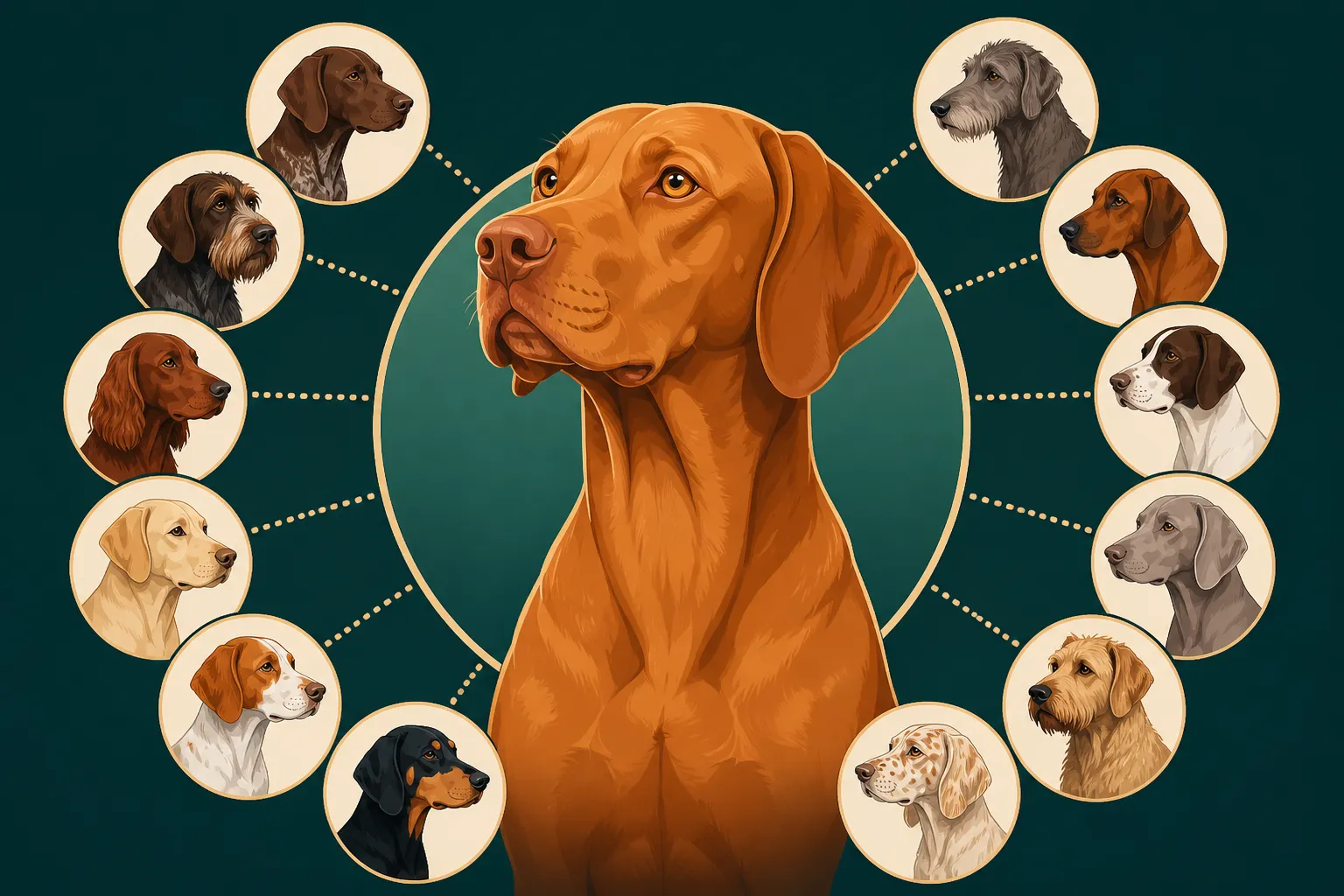
The term "reconstruction" isn't an exaggeration; it truly was like rebuilding a house from a few scattered bricks and then bringing in new materials to make it sound and functional again. Since the purebred Vizsla population was so critically low, breeders understood that they couldn't rely solely on the few remaining dogs. They needed to introduce new blood, but this had to be done with extreme care and intention. The goal was not to create an entirely new breed, but to restore the Vizsla, reinforcing its health, vigor, and traditional traits while avoiding diluting its unique character. This is where the "twelve dogs" come into play – not literally twelve individual dogs, but representative of the twelve types or breeds that were strategically incorporated into the Vizsla's evolving gene pool.
The Indigenous Hungarian Pointers: The Remnants of the Original Vizsla Type
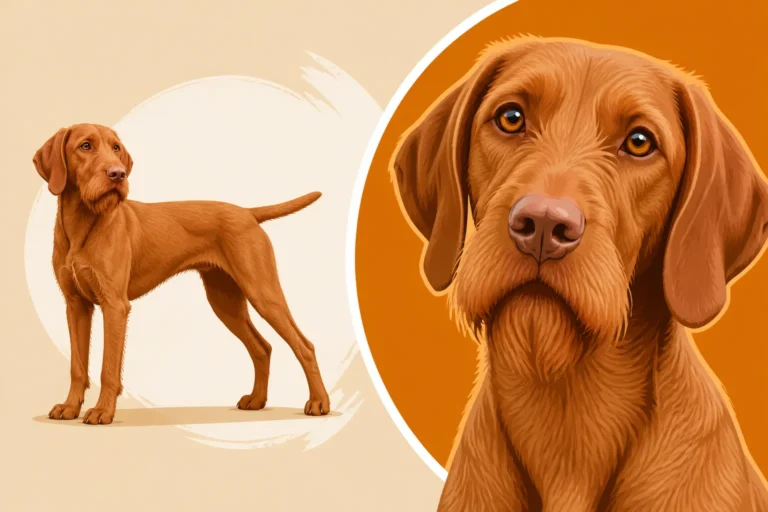
These were the true heroes, the last pure or near-pure Vizslas found scattered across Hungary. They were the genetic bedrock, carrying the essential, unmistakable Vizsla traits that the breeders desperately wanted to preserve.
Their Dwindling Numbers and Characteristics
By 1900, the number of these indigenous Hungarian Pointers was alarmingly small. Reports suggest that only a couple of dozen individuals could be definitively identified as holding true Vizsla characteristics. These dogs were often isolated, found in remote villages or on the estates of old noble families who had managed to guard their lines through the turmoil. They were prized for their intense pointing instinct, their biddable nature, and their distinctive golden-rust coloration. However, due to their limited numbers and potential inbreeding, they often lacked genetic vigor and suffered from the consequences of a highly constricted gene pool. It was a race against time to find these dogs before their unique genetic contributions were lost forever.
How They Formed the Genetic Bedrock
Despite their scarcity, these indigenous Hungarian Pointers were absolutely non-negotiable for the reconstruction. They provided the essential "Vizsla essence" – the foundational traits that made the breed distinct. Every effort was made to breed these remaining dogs to each other where possible, prioritizing health and avoiding further inbreeding to the best of their ability. These initial pairings aimed to consolidate the core Vizsla characteristics: the elegant build, the short, smooth coat, the characteristic ear set, and most importantly, the biddable temperament and versatile hunting abilities. Without these precious few, the reconstruction would have been merely creating a new breed, not reviving an old one. The Magyar Hunting Dogs Behind the Vizsla explains the ancient lineage these dogs carried.
The German Shorthaired Pointer: Injecting Stamina and Drive
The German Shorthaired Pointer (GSP) was a natural choice for introducing fresh, robust hunting genes. It was a well-established, highly versatile hunting dog known for its strength and endurance.
Why This Breed Was Chosen
The GSP shared many functional characteristics with the Vizsla, being a capable pointer, retriever, and tracker. It offered a healthy, strong constitution and a well-defined hunting drive that had been carefully cultivated. Breeders were looking for a dog that could bring stamina and a resilient physical frame to the Vizsla gene pool without radically altering its fundamental purpose. The GSP was a strong, athletic dog, widely appreciated for its ability to work long hours in varied terrain, a trait that the re-emerging Vizsla would certainly need.
Specific Traits Contributed
From the German Shorthaired Pointer, the Vizsla gained increased stamina and a more robust frame, helping to combat any fragility that might have crept in from the limited original stock. The GSP's solid hunting instinct, particularly its strong desire to retrieve and its endurance in the field, was a valuable addition. The introduction of GSP blood likely contributed to the Vizsla's unwavering focus and drive when on game, ensuring that the reconstructed breed would be just as capable, if not more so, than its ancestors in performing demanding hunting tasks. This crossbreeding also helped to broaden the genetic base, introducing new alleles that could contribute to overall health and vigor.
The English Pointer: Adding Speed and Refinement
The English Pointer, renowned for its classic, aristocratic pointing stance and incredible speed, also played a significant role.
Contribution to Agility and Scenting Ability
The English Pointer brought an undeniable elegance and explosive speed to the Vizsla's emerging form. Its legendary ability to cover vast amounts of ground swiftly, coupled with its highly developed scenting prowess, was invaluable. Breeders hoped to infuse the Vizsla with this enhanced agility and a finer nose, allowing it to work more effectively and efficiently in the field. The English Pointer's wide-ranging search pattern and high head carriage while scenting were desirable traits that would refine the Vizsla's hunting style.
Refining the Classic Pointing Stance
Perhaps one of the most iconic contributions of the English Pointer was the refinement of the Vizsla's pointing stance. The classic, statuesque point, with a rigid body and often one front leg raised, is a hallmark of the English Pointer, and this dramatic style was incorporated into the Vizsla's genetic makeup. This not only enhanced the aesthetic appeal of the hunting dog but also signified a clearer, more emphatic indication of game, which was highly valued by hunters. The goal was a dog that pointed with confidence and conviction, a clear signal to the hunter.
The Irish Setter: A Touch of Elegance and Rich Color
While perhaps a less obvious choice than the other pointers, the Irish Setter’s influence was keenly sought for specific aesthetic and temperamental qualities.
Influence on the Distinctive Golden-Rust Coat
The most apparent contribution from the Irish Setter was its magnificent coat. While the original Vizsla was already golden-rust, the Irish Setter's rich, deep mahogany-red coat helped to intensify and standardize the Vizsla's signature color. This was crucial, as maintaining a consistent and beautiful golden-rust hue was a key part of the breed standard. The Irish Setter's luxurious coat, while longer, provided the genetic depth to ensure the Vizsla's short, sleek coat would carry that vibrant, unmistakable hue. The Golden Rust Color Only a Vizsla Wears is a direct result of such careful genetic selection.
Possible Contributions to Temperament
Beyond color, Irish Setters are known for their lively yet generally amiable and affectionate dispositions. It's plausible that their temperament contributed to the Vizsla's "soft" nature, its desire to be close to its human companions, and its generally sweet disposition. While the Vizsla was already noted for its biddability, the Irish Setter might have reinforced the affectionate, people-oriented qualities that make the modern Vizsla such a beloved family pet, even while retaining its intense hunting drive.
The Bloodhound: Enhancing Scenting Prowess
This might seem like an unusual choice for a pointing breed, but the Bloodhound's legendary nose was a specific trait that breeders wanted to integrate.
Deepening the Nose and Tracking Capability
The Bloodhound is, without doubt, the world's premier scenting dog. Its unparalleled ability to follow a cold trail for miles was a genetic superpower that Vizsla breeders sought to harness. While Vizslas are primarily pointers of live game, enhancing their ability to track wounded game or lost birds was a highly desirable trait for a versatile hunting dog. The introduction of Bloodhound genetics aimed to deepen the Vizsla's scenting capabilities, giving it an even more reliable and persistent nose, particularly for ground-scent work. This was about adding a layer of functionality, ensuring no downed bird would be left behind.
Robustness and Endurance for Trailing
Beyond scenting, Bloodhounds are incredibly robust and possess immense endurance. They are built for sustained work, traversing challenging terrain for extended periods. This physical hardiness and unwavering determination for trailing were complementary to the Vizsla's own endurance and allowed breeders to potentially reinforce these qualities. A Vizsla with a slightly deeper chest and more powerful musculature for long-distance tracking could perform its retrieving duties even more effectively.
The Sloughi (or Arabian Greyhound): Infusing Speed and Grace
This particular influence is one of the more debated and historically intriguing. The Sloughi, an ancient sighthound from North Africa, was a breed of grace, speed, and elegance.
Contribution to the Vizsla's Athletic Build and Speed
The Sloughi's presence in the Vizsla's ancestral tapestry, though possibly indirect or through older sighthound types, is believed to have contributed to the Vizsla's athletic, lean, and streamlined physique. Sighthounds are built for bursts of incredible speed, and this influence could have refined the Vizsla's galloping gait and its ability to cover ground quickly in the field. It would have reinforced the light bone structure and muscular, agile body that allows the Vizsla to move with such effortless grace.
Refining the Elegant Lines
Beyond pure speed, the Sloughi embodies elegance. Its refined head, long neck, and tucked-up abdomen contribute to a silhouette of sophisticated beauty. These aesthetic qualities, often desired in hunting dogs that are also companions, likely played a role in shaping the Vizsla's characteristic noble appearance. The lean, hard-muscled physique that makes a Vizsla look almost underweight when healthy, is a testament to the pursuit of both function and form in its reconstruction.
Other European Hunting Dogs: A Diverse Genetic Pool
While the previously mentioned breeds were prominent, the reconstruction wasn't limited to just those six. The "twelve dogs" is often a symbolic number, encompassing a broader range of influences.
Mentioning General Categories or Potential Influences
It's important to remember that historical breeding records from such tumultuous times are rarely complete. It's highly likely that other local European hunting dogs, perhaps regional pointers, setters, or even specific types of hounds from neighboring areas (such as the Transylvanian Hound or various Austrian or Slovakian pointers), were also sparingly used. These dogs would have been selected for specific traits that were either lacking or needed strengthening in the nascent Vizsla population. Their contributions would have been incremental but cumulatively important for genetic diversity and the reintroduction of lost traits.
The Challenge of Identifying Precise Influences
Pinpointing every single breed or specific dog used in the reconstruction is almost impossible given the historical context. Many of these crosses were likely informal, made by individual breeders before a cohesive, national effort was fully underway. The records might have been sparse, or the crosses themselves not extensively documented. What we know comes from the collective memory of breeders, kennel records that survived, and careful analysis of the resulting Vizsla progeny. It speaks to the incredible dedication and skill of those early breeders that they were able to discern and select for the traits they needed from such a diverse and often undocumented genetic pool.
The Role of Select Unrecorded Local Dogs
Beyond recognized purebreds, another critical source of genetic material came from the general population of local, unrecorded, but functionally excellent hunting dogs.
The Genetic Diversity from Carefully Chosen Local Working Dogs
These weren't necessarily "breeds" in the formal sense, but rather good, robust, local working dogs that had demonstrated strong hunting instincts and health. Often found on farms or with independent hunters, these dogs possessed qualities of hardiness, adaptability, and intelligence. Introducing such dogs, chosen for their practical hunting ability rather than purebred lineage, was essential for injecting much-needed genetic diversity and vitality into the recovering Vizsla population. It helped to widen the genetic bottleneck that the purebred Vizslas had faced.
Emphasize Careful Selection Based on Desired Traits
The selection of these local dogs was not indiscriminate. Breeders meticulously evaluated each individual, looking for specific characteristics that aligned with the emerging Vizsla standard. They paid close attention to health, conformation, temperament, and, crucially, proven hunting ability. This careful, trait-based selection process ensured that while genetic diversity was increased, the fundamental Vizsla type and purpose were not compromised. It was a balancing act, bringing in new blood without losing the soul of the breed.
| Breed Influence | Primary Contribution to Vizsla | Key Traits Reinforced/Added |
|---|---|---|
| Indigenous Hungarian Pointers | Core Vizsla essence, original type, golden-rust color | Innate pointing, biddable temperament, elegance |
| German Shorthaired Pointer | Robustness, stamina, versatile hunting drive | Endurance, strong retrieve, resilience |
| English Pointer | Speed, refined pointing stance, keen scenting | Agility, wide range, dramatic point |
| Irish Setter | Rich golden-rust coat color, amiable temperament | Color intensity, gentleness, affection |
| Bloodhound | Enhanced scenting ability, tracking, perseverance | Deep nose, trailing endurance, determination |
| Sloughi (or Arabian Greyhound) | Athletic build, speed, elegant lines | Graceful movement, swiftness, refined appearance |
| Other European Hunting Dogs | Genetic diversity, specific local adaptations | Hardiness, regional hunting skills, broader gene pool |
| Unrecorded Local Working Dogs | Vitality, health, proven hunting instincts, genetic outcrosses | Robust health, natural ability, reduced inbreeding depression |
Note: The "twelve dogs" is often a symbolic reference to a broad spectrum of influences rather than literally twelve distinct breeds, some of which may have been regional types or unrecorded working dogs.
The Art and Science of Reconstruction Breeding
The process of rebuilding the Vizsla was a remarkable blend of art and science. It required an intuitive understanding of canine genetics, an unwavering vision of the ideal Vizsla, and the meticulous application of selective breeding principles. It wasn't just about mixing different breeds; it was about carefully combining specific traits, then painstakingly refining the results over generations. These early breeders were essentially genetic engineers, working without modern tools, relying instead on keen observation and deep knowledge of their animals.
Selective Breeding for Type and Temperament
Once the initial crosses were made, the real work of selective breeding began. This involved choosing which puppies from the diverse litters would be bred forward. Breeders were looking for individuals that consistently exhibited the desired Vizsla type: the distinctive golden-rust coat, the athletic yet elegant build, and the characteristic head. Crucially, temperament was just as important as appearance. They sought dogs that were biddable, intelligent, eager to please, and possessed that inherent "Velcro" quality – an intense desire to be close to their human companions, combined with a tenacious hunting drive. Dogs with undesirable traits, such as shyness, aggression, or a lack of hunting instinct, were carefully screened out of the breeding program, ensuring that only the most promising individuals contributed to the next generation. This iterative process was slow but essential for solidifying the breed's characteristics.
Consolidating the "Golden Rust" Color
The golden-rust coat color is perhaps the most iconic feature of the Vizsla. In the early stages of reconstruction, with varied bloodlines introduced, achieving a consistent, uniform shade was a significant challenge. Some offspring might have been too dark, too light, or even displayed markings not typical of the Vizsla. Breeders therefore focused intensely on selecting for the correct and consistent golden-rust hue, often referred to as "russet gold." This meant carefully choosing breeding pairs where both parents carried the desired color genes and consistently produced offspring with the correct pigmentation. Over several generations, through diligent selection, the unique and unmistakable golden-rust coat was consolidated, becoming a defining and unyielding characteristic of the breed. It’s a color truly unique to the Vizsla, a living testament to this careful selection.
Re-establishing the Versatile Hunting Instinct
The Vizsla was always prized as a versatile hunter, capable of pointing upland game, retrieving from land and water, and tracking wounded birds. This "versatility" was a key trait that breeders needed to re-establish and strengthen. The introduction of various pointer and retriever breeds certainly helped, but the subsequent selective breeding was vital. Puppies were often evaluated early for their natural instincts: their tendency to point, their willingness to retrieve, and their keenness to follow a scent. Only those dogs that displayed strong, balanced hunting abilities were chosen to contribute to the next generation. This ensured that the reconstructed Vizsla would not only look the part but would also perform its duties in the field with the same skill and dedication as its ancient ancestors. It truly became a breed built for a variety of tasks, a true all-rounder. Whether a Vizsla Is Really a Pointer or a Retriever delves deeper into this versatility.
Challenges and Triumphs of the Reconstruction Effort
The path to rebuilding the Vizsla was not without its formidable obstacles. These dedicated individuals faced numerous hurdles, from genetic complexities to societal resistance, yet their unwavering commitment ultimately led to triumph. Understanding these challenges helps us appreciate the resilience embedded within the Vizsla breed itself. It also provides a valuable lesson in breed preservation, demonstrating what can be achieved through collective passion and meticulous effort.
Overcoming Limited Genetic Diversity
One of the most pressing challenges was the extremely limited genetic diversity of the original remnant Vizsla population. Introducing new breeds helped, but even then, the initial pool of foundation dogs (both pure Vizsla and selected outcrosses) was still relatively small. This meant that careful management was required to avoid excessive inbreeding, which can lead to a host of health problems and a decrease in overall vigor. Breeders had to meticulously track pedigrees, often relying on careful observation and their collective memory of the dogs in the region, to ensure sufficient genetic distance between breeding pairs. Whether the 1900 Rebuild Narrowed the Vizsla Gene Pool delves into the long-term implications of this early genetic bottleneck, a legacy that modern breeders continue to manage.
Maintaining Health and Vigor
With limited genetic diversity comes the increased risk of inherited health issues. Early breeders had to be acutely aware of any emerging health problems within their developing lines. They aimed to select only the healthiest, most robust individuals for breeding, even if it meant sacrificing some desired aesthetic traits in the short term. The focus was on building a foundation of sound, healthy dogs that could withstand the rigors of hunting and live long, productive lives. This proactive approach to health selection was critical in ensuring that the reconstructed Vizsla was not just beautiful and capable, but also hardy and resilient. Owners today can thank those early efforts for the generally robust health of the breed. However, like any breed, Vizslas have their predispositions, and diligent owners know to consider this when looking at breeders or managing their dogs. If you're looking for supplements to support your Vizsla's overall vigor, you can often find a wide selection of quality options on Chewy.
Gaining Recognition for the "New" Vizsla
After years of painstaking breeding, the Vizsla began to emerge as a coherent, consistent breed once more. However, gaining formal recognition from national and international kennel clubs was another significant hurdle. It required presenting a stable, well-defined breed standard and demonstrating that the Vizsla could consistently produce offspring that adhered to that standard. This process involved extensive documentation, presenting dogs at exhibitions, and advocating for the breed's unique merits. The establishment of breed clubs played a vital role in this advocacy, tirelessly working to promote the Vizsla and secure its place among recognized breeds. This recognition was crucial for ensuring the breed's long-term survival and allowing for organized breeding efforts on a broader scale.
The Enduring Legacy of the 1900 Reconstruction
The reconstruction of the Vizsla in 1900 wasn't just a historical event; it was a foundational moment that profoundly shaped the breed we know and love today. Every Vizsla alive owes its existence to the tireless efforts and visionary decisions made by those dedicated breeders over a century ago. Their triumph over near extinction is a powerful narrative of passion, perseverance, and the deep cultural connection between Hungarians and their beloved hunting dog.
The Vizsla Today: A Testament to Resilience
Today's Vizsla stands as a living testament to that remarkable resilience. It's a breed celebrated for its distinctive appearance, its incredible athleticism, and its loving, devoted temperament. When you see a Vizsla gracefully moving through a field or cuddling up on the sofa, you're witnessing the successful culmination of a deliberate, generations-long effort to preserve a piece of history. The traits carefully selected and reinforced – the golden-rust coat, the biddable nature, the versatile hunting instinct – are all direct results of that 1900 reconstruction. The breed's ability to bounce back from the brink of extinction speaks volumes about its inherent hardiness and the enduring appeal of its unique qualities. The Twelve to Fourteen Years a Vizsla Lives attests to the general health and longevity achieved through these careful breeding programs.
Why Understanding This History Matters for Owners
For current and prospective Vizsla owners, understanding this history is more than just a fascinating anecdote; it offers profound insights into the breed's characteristics and needs. Knowing that your Vizsla was painstakingly rebuilt from a diverse genetic pool explains its unique blend of traits. For instance, the demand for versatility means your Vizsla isn't content with just one type of exercise; it needs varied mental and physical stimulation. The careful selection for a biddable, people-oriented temperament explains why they are often called "Velcro dogs" and thrive on close companionship. This historical context also underscores the importance of responsible breeding today, as the genetic lessons learned from the near extinction continue to guide thoughtful preservation. Whether you're considering a new puppy or buying supplies for your current canine companion, like a comfortable bed or durable toys from Chewy, recognizing this heritage deepens your appreciation for this extraordinary breed. The Household a Vizsla Was Built For explores how this history informs the ideal home environment for a Vizsla.
Disclaimer
This article is for general informational purposes only and does not constitute professional advice. Laws, prices and regulations vary by location and change over time. Consult a qualified professional for guidance on your specific situation.