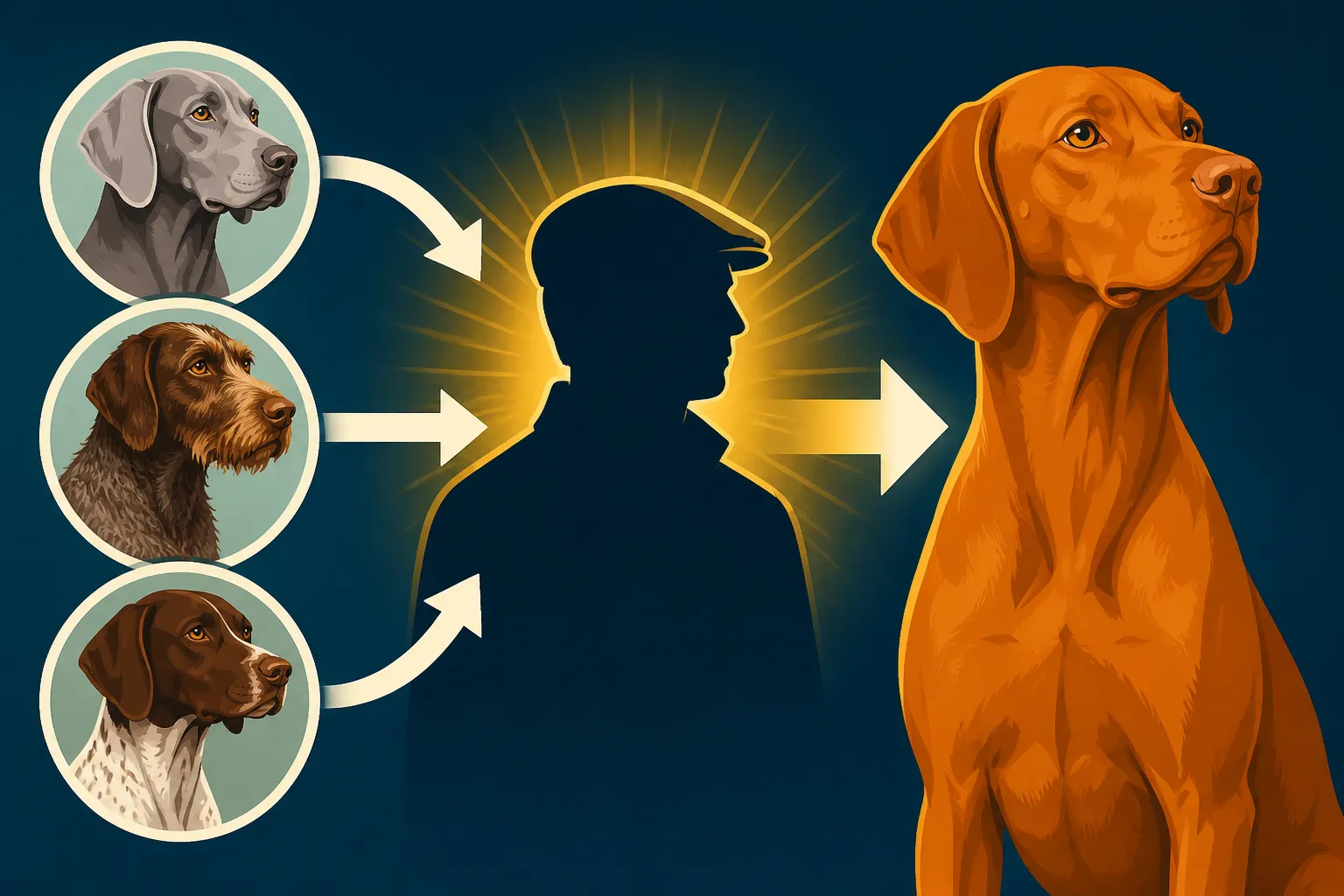
Who Rebuilt the Vizsla From Those Dogs
It’s truly disheartening to think about a beloved dog breed teetering on the edge of oblivion, a fate the magnificent Vizsla faced not once, but twice in its long history. When a breed numbers in the mere dozens, as the Vizsla did around the turn of the 20th century, it’s a terrifying prospect for anyone who cherishes these unique companions. This guide will delve into the dedication and unwavering spirit of the passionate individuals who refused to let the Hungarian Pointer vanish, showing us how they meticulously worked to bring the Vizsla back from the brink when its numbers were frighteningly low.
The Grim Reality of Near Extinction
Imagine looking out at the world and realizing that the dogs you love, the dogs so deeply woven into the fabric of your nation's history and hunting traditions, are almost gone. This was the stark reality for Vizsla enthusiasts in Hungary around the late 19th and early 20th centuries. Political upheavals, changing agricultural practices, and the devastating impact of global conflicts had all conspired against the breed, leaving only a handful of truly purebred Vizslas remaining. It wasn't just a decline; it was a precipice.
At this point, the Vizsla wasn't just rare; it was critically endangered. We're talking about numbers so small that finding unrelated dogs to breed was an enormous challenge. This genetic bottleneck posed a serious threat, not just to the breed's existence, but also to its health and vitality going forward. Many breeds that face such severe reductions in population often emerge with significant genetic predispositions to various health issues, something we still manage in Vizslas today, as explored in Why a Vizsla's Immune System Is the Breed's Weak Point. The sheer scale of the task ahead must have felt overwhelming to those who looked at the vanishing lines.
The few remaining Vizslas were scattered, sometimes held by isolated noble families or dedicated hunters who, perhaps unwittingly, were holding the last vestiges of a proud lineage. There was no grand, coordinated effort to preserve them before this point; it was largely through individual passion that any survived at all. Without a concerted and focused intervention, the golden-rust pointers would have become nothing more than a footnote in history books, a memory passed down through oral tradition rather than a living, breathing companion.
The Visionaries Who Answered the Call
Against this backdrop of impending loss, a group of dedicated Hungarian sportsmen, breeders, and fanciers rose to the challenge. These weren't just casual dog owners; they were individuals with a profound understanding of the Vizsla's unique abilities as a versatile hunting dog and a deep reverence for its historical significance to Hungary. They understood that merely having some dogs wasn't enough; they needed to reconstruct the breed with its characteristic working ability and distinctive appearance intact.
While many individuals contributed to this monumental effort, one name often surfaces as a pivotal figure: Dr. Lajos Fényes. He, along with other committed individuals, spearheaded the organized effort to save the Vizsla. These were people who saw beyond the immediate scarcity and envisioned a future where the breed once again thrived. Their passion wasn't just for dogs, but for a piece of Hungarian heritage. They didn't just want a dog; they wanted the Vizsla, with all its specific traits and temperament.
This core group began by meticulously tracking down every single dog believed to have pure Vizsla bloodlines. It was a painstaking process, requiring extensive travel, careful verification of pedigrees (often through anecdotal accounts and old hunting records, as formal registries were fledgling), and a keen eye for type and working potential. They didn't just collect dogs; they collected stories, characteristics, and the very essence of what made a Vizsla a Vizsla. Their commitment was truly extraordinary, a testament to the enduring bond between people and their canine companions.
The Strategic Rebuilding of a Breed
Rebuilding a breed from such a small foundation is not for the faint of heart. It requires a strategic approach, a willingness to make difficult decisions, and an unshakeable long-term vision. The individuals involved had to act as historians, geneticists, and judges all rolled into one, carefully balancing the need for genetic diversity with the imperative to maintain the breed's distinct characteristics. This was about more than just breeding dogs; it was about curating a living piece of history.
Meticulous Selection and Breeding Choices
With so few dogs available, every breeding choice was critical. The breeders couldn't afford mistakes; each litter was a precious step towards the breed's survival. They focused intensely on selecting dogs that not only exhibited the classic "golden rust" color and elegant build that defined the Vizsla but also possessed the innate hunting instincts—the keen nose, the natural point, and the soft retrieve—that made the breed so valuable in the field. This wasn't about creating new traits, but rather about preserving and reinforcing the best of what remained. Breeders would spend countless hours poring over pedigrees, sharing knowledge, and even sourcing essential supplies, whether it was specialized food or medical provisions, often through accessible retailers like Chewy, ensuring the health of every new litter.
To avoid the pitfalls of severe inbreeding, which can lead to weakened immune systems and a host of inherited conditions, the pioneers employed careful line-breeding strategies. This meant using distant relatives rather than immediate ones, and always prioritizing health and vigor alongside type and temperament. They recognized that while certain characteristics might be desirable, genetic health was paramount for the long-term viability of the breed. This foundational work laid the groundwork for modern ethical breeding practices. The Health Tests Both Vizsla Parents Should Have is a direct result of these early lessons in responsible breeding.
Establishing the Standard and Club
A crucial step in solidifying the breed's future was the formal establishment of a breed club and a written standard. In 1935, the Hungarian Vizsla Club was founded, which provided a much-needed organizational framework for the rebuilding effort. This club formalized the breed standard, defining the ideal physical characteristics, temperament, and working attributes of the Vizsla. This shared vision allowed breeders across the country to work towards a common goal, ensuring that as the population grew, the breed's essential qualities remained consistent. For anyone wanting to understand the definitive characteristics of the breed, knowing The Golden Rust Color Only a Vizsla Wears or What a Vizsla Actually Weighs directly reflects these carefully crafted standards.
| Characteristic | Focus of Rebuilding Effort | Rationale |
|---|---|---|
| Temperament | Affectionate, Eager-to-Please | Essential for "Velcro Vizsla" nature and trainability |
| Working Ability | Natural Point, Retrieve, Scenting | Core function as a versatile hunting dog |
| Physical Type | Golden-Rust Coat, Lean Build, Elegant | Maintain breed identity and historical appearance |
| Health & Vigor | Robustness, Stamina | Counteract genetic bottleneck effects |
| Soundness | Good Structure, Movement | Enable sustained work in the field without injury |
This table illustrates the comprehensive nature of their endeavor, where every aspect of the dog was considered for its practical and aesthetic value.
The Enduring Legacy of Perseverance
The success of these dedicated individuals is evident today in the thriving global population of Vizslas. Their efforts in the early 20th century, particularly through the establishment of breed clubs and careful breeding programs, secured the Vizsla’s future. These pioneers faced incredible odds, but their foresight and tireless work meant that when the breed again faced threats during and after World War II—where many Vizslas were lost or had to be smuggled out of Hungary, as chronicled in The Vizsla Named Panni XV Carried Out of Hungary—there was a stronger foundation to rebuild from.
Their legacy is not just in the sheer number of Vizslas in the world today, but in the enduring characteristics of the breed itself. The "Velcro" temperament, the incredible athleticism, and the striking golden-rust coat are all testaments to their careful selection and unwavering vision. Every Vizsla owner benefits from their efforts, whether their dog is a beloved house pet found through a reputable breeder on platforms like Chewy, or a competitive field dog. The Twelve to Fourteen Years a Vizsla Lives is also, in part, a reflection of the health consciousness instilled by these early breeders, who prioritized a robust constitution.
It's a powerful reminder that behind every cherished breed lies a story of human dedication and a refusal to let something truly special disappear. The Vizsla's journey from near extinction to a beloved companion is a testament to the fact that passion, combined with meticulous planning and perseverance, can truly shape the future of a breed. When you cuddle your Vizsla, or watch them confidently quarter a field, remember the commitment of those who, against all odds, ensured their existence.
Disclaimer
This article is for general informational purposes only and does not constitute professional advice. Laws, prices and regulations vary by location and change over time. Consult a qualified professional for guidance on your specific situation.