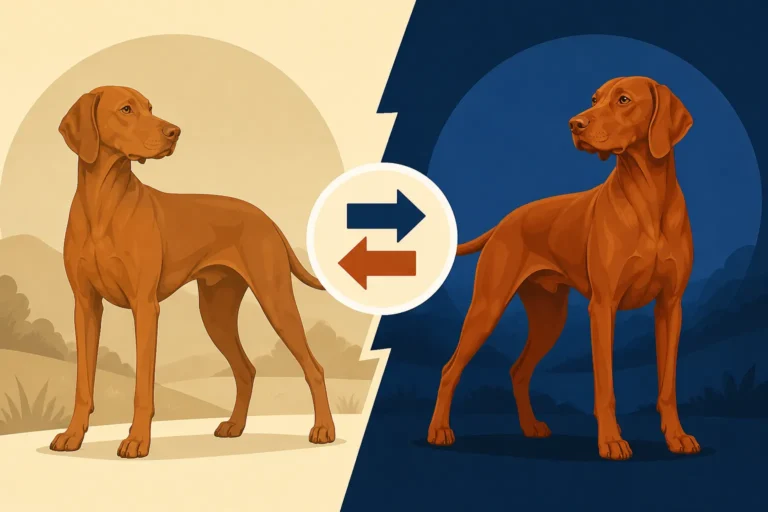
The Wirehaired Vizsla Is a Different Breed
It's a common misconception, one that I've heard countless times from excited prospective owners: "I just love Vizslas, but I'm thinking about getting one of those long-haired ones." Or, "My smooth Vizsla gets cold, maybe a wirehaired one would be better for winter hunting." The truth is, while they share a name and a magnificent golden-rust color, the Wirehaired Vizsla isn't just a different coat type of the same breed; it is, unequivocally, a distinct breed with its own unique history, characteristics, and needs. This guide is here to unravel the fascinating story of these two wonderful, yet separate, Hungarian hunting dogs, helping you understand what truly sets them apart.
Understanding the Distinction: More Than Just a Different Coat
When we talk about Vizslas, most people immediately picture the sleek, short-coated, energetic Hungarian pointer we all adore. It’s the classic image, and for good reason—that smooth-coated Vizsla has a long, storied history deeply intertwined with Hungarian nobility and hunting tradition. But then there’s its wire-coated cousin, often mistaken for a variation, when in reality, it's a completely separate lineage, purposefully developed for specific attributes that the smooth coat simply couldn’t offer.
The Smooth Vizsla's Ancient Lineage
The smooth-coated Vizsla, often referred to simply as "the Vizsla," is indeed an ancient breed. Their ancestors were the hunting companions of the Magyar tribes who settled in Hungary over a thousand years ago. Imagine those early hunters, relying on their keen-nosed, adaptable dogs to find and retrieve game across the diverse Hungarian landscape. These dogs were bred for speed, endurance, and that unmistakable "velcro" personality that makes them such devoted family members. They were, and still are, elegant athletes, built for agility and quick bursts of speed, with a thin coat that’s perfect for warmer climates but less suited to harsh winters or dense, thorny cover. This lineage is pure, developed over centuries through natural selection and intentional breeding within Hungary. The Vizsla Came Back From Extinction Twice highlights just how precious and carefully preserved this breed's history is.
The Genesis of the Wirehaired Vizsla
The Wirehaired Vizsla, on the other hand, is a much younger breed, a deliberate creation from the 1930s. Hungarian breeders, keen to develop a versatile gun dog with the smooth Vizsla's temperament and hunting ability but with a more robust, protective coat, set out on a specific breeding program. They weren't just looking for a longer coat; they wanted a dense, harsh wire coat that would offer superior protection against icy water, thorny bushes, and biting winds. To achieve this, they meticulously crossed the smooth Vizsla with the German Wirehaired Pointer and the Bloodhound, carefully selecting for the desired wire texture, a slightly heavier build, and retaining that classic golden-rust color and gentle Vizsla disposition. This wasn't a mutation or a natural variant; it was a carefully orchestrated effort to create a new breed that could excel in more challenging hunting conditions while still embodying the Vizsla's beloved traits.
Why "Different Breed" Matters
Understanding that the Wirehaired Vizsla is a distinct breed isn't just a matter of semantics; it has real implications for ownership, health, and conservation. Because they have different foundational bloodlines, they can have slightly different genetic predispositions, temperament nuances, and certainly distinct grooming requirements. Calling them simply a "long-haired Vizsla" can lead to misunderstandings about their needs. For instance, expecting a Wirehaired Vizsla to have the exact same sleek, minimal-shedding coat care as a smooth Vizsla would be a mistake. Furthermore, responsible breeding practices rely on these distinctions to maintain breed integrity and health. It’s crucial for potential owners to appreciate these differences to ensure they choose the right companion for their lifestyle and are prepared for the specific care each breed demands.
A Look at Their Unique Physical Characteristics
While both breeds share the striking golden-rust color and a generally athletic build, the Wirehaired Vizsla presents a distinct profile, primarily due to its coat and slightly more robust frame. These physical differences aren't just cosmetic; they were intentionally bred for functionality in the field.
The Signature Wire Coat: Texture and Function
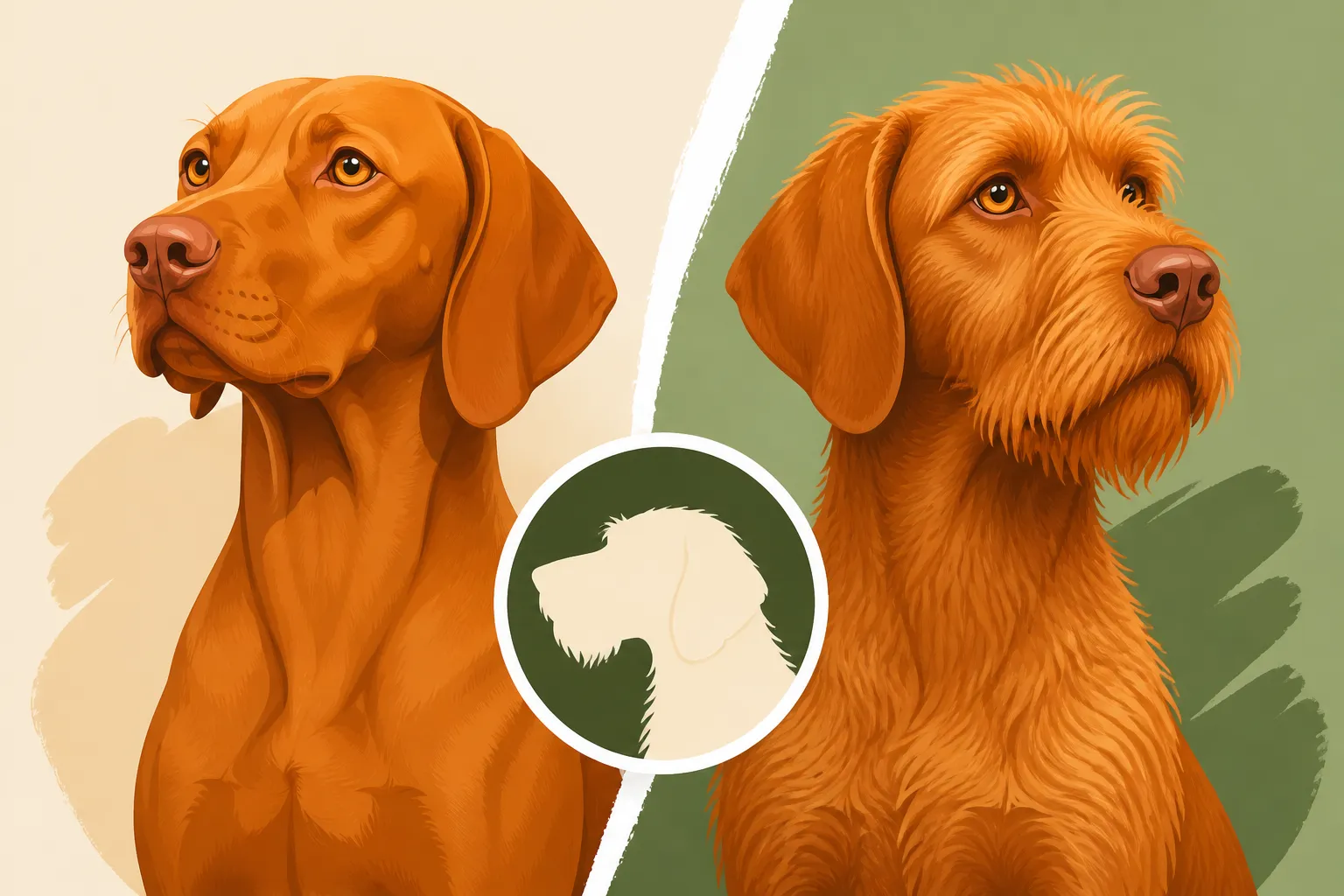
The most obvious difference, of course, is the coat itself. The smooth Vizsla has a short, dense, glossy coat that lies flat against the body, offering minimal protection against cold or harsh undergrowth. In contrast, the Wirehaired Vizsla boasts a harsh, dense, close-lying wiry coat that is typically 1 to 2.5 inches long. This coat is designed to be weather-resistant and protective. It's tough enough to withstand brambles, burrs, and icy water, preventing painful scratches and offering insulation against extreme temperatures.
Think about the texture: it's not soft and silky; it's coarse to the touch, often described as "steel wool" like. This isn't a coat that sheds profusely in visible clumps like some double-coated breeds, but it does require specific care to maintain its texture and protective qualities. Beneath that wiry outer layer, there's a softer, dense undercoat that adds to its insulation. The Single Coat a Vizsla Has and Why It Changes Everything really highlights the difference in protection between the two types. They also typically have distinctive facial furnishings – a beard, mustache, and eyebrows – which protect their face and eyes from thorns and briars when plunging into thick cover.
Build and Conformation: Subtle Differences
Beyond the coat, there are subtle but noticeable differences in their build. While both are medium-sized, muscular dogs, the Wirehaired Vizsla tends to be slightly more heavily boned and perhaps a bit stockier than its smooth counterpart. This isn't to say they are less athletic; rather, their conformation reflects their purpose as a more robust, all-weather hunting dog. They often have a slightly broader skull and a more pronounced stop.
These structural differences were bred in to enhance their ability to endure long days in challenging terrain and weather. While the smooth Vizsla might glide effortlessly over open fields, the Wirehaired Vizsla is built to power through dense forests and scramble over rocky hillsides, offering superior stamina and resilience in those environments. This robust build is part of why they are so valued by hunters who work in varied and often tough conditions.
Color and Markings: Sticking to the Golden Rust
Despite their distinct origins and physical differences, both the smooth and Wirehaired Vizsla proudly wear the same iconic "golden rust" color. This uniform coloring is a hallmark of the breed (or breeds, in this case!) and is strictly adhered to in their respective breed standards. You won't find black, chocolate, or even dark red Wirehaired Vizslas. The hue can range from a lighter golden sand to a deeper russet, but it's always within that golden-rust spectrum.
Small white markings on the chest and feet are sometimes present in both breeds, though usually kept to a minimum as per breed standards. The nose, eye rims, and lips are typically self-colored, blending seamlessly with the coat, creating that striking, elegant appearance that is so characteristic of Vizslas. This consistent coloring underscores their shared heritage and the breeders' dedication to maintaining a recognizable aesthetic across both distinct breeds.
Temperament: A Familiar Soul in a Wiry Package?
One of the most appealing aspects of the smooth Vizsla is its incredible temperament: intelligent, sensitive, and fiercely loyal. So, how does the Wirehaired Vizsla stack up in this regard? The good news is that breeders successfully retained much of that cherished Vizsla personality while adding the desired physical attributes.
The Velcro Trait: Is It as Strong?
Yes, absolutely! If you’re familiar with the term "Velcro Vizsla" for the smooth coat, prepare to apply it just as strongly to their wire-coated cousins. Wirehaired Vizslas are renowned for their intense desire to be with their people, often following from room to room, leaning against legs, and demanding cuddles. This deep bond is a defining characteristic they share with the smooth Vizsla. They thrive on companionship and can suffer from separation anxiety if left alone for too long or not properly conditioned to solitude. It’s that deep connection that makes them such incredible family dogs, but it’s also something potential owners must be prepared for. They are not dogs that are content to be left in the yard or a kennel for extended periods; they need to be an integral part of your daily life. My own smooth Vizsla is the same, always right there, whether I'm cooking or reading. The Vizsla That Sits On You Rather Than Beside You perfectly describes this endearing (and sometimes overwhelming!) trait.
Energy Levels and Drive: Equally Demanding
Just like the smooth Vizsla, the Wirehaired Vizsla is a high-energy breed, built for work and requiring substantial daily exercise. We're talking more than a casual stroll around the block; they need vigorous physical activity, ideally off-leash running, hunting, hiking, or structured dog sports. This is a breed that literally burns calories standing still, or so it feels sometimes! Their drive to hunt and explore is profound, making them exceptional partners for active individuals or families who enjoy outdoor adventures.
Without adequate exercise, a Wirehaired Vizsla can become restless, bored, and potentially destructive. They possess immense stamina, capable of working for hours in the field. This boundless energy is a huge asset for a hunting dog but can be a challenge for a purely pet home if not managed properly. They need mental stimulation just as much as physical, so puzzle toys, training sessions, and scent work are invaluable.
Trainability and Sensitivity: Understanding the Wirehaired Mind
Wirehaired Vizslas are highly intelligent and eager to please, making them generally very trainable. They respond best to positive reinforcement methods and gentle, consistent handling. Like their smooth counterparts, they can be quite sensitive dogs, and harsh corrections or shouting can cause them to shut down or become anxious. Their eagerness to learn means they pick up new commands quickly, but their strong will and independent streak, especially when following a scent, means that training, particularly recall, needs to be ongoing and reinforced throughout their lives. Building a Recall on a Vizsla That Ranges is a must-read for any Vizsla owner, wirehaired or smooth. Early socialization is also critical to ensure they grow into well-adjusted, confident companions, comfortable in various environments and around different people and animals.
Specialized Care for the Wirehaired Vizsla
While many aspects of caring for a Wirehaired Vizsla are similar to that of a smooth Vizsla, their distinct coat requires specific grooming techniques and considerations. Understanding these differences is key to keeping your Wirehaired healthy, comfortable, and looking their best.
Grooming the Wire Coat: Stripping vs. Clipping
The Wirehaired Vizsla's coat is designed to be tough and functional, not soft and fluffy. To maintain its proper texture, weather resistance, and protective qualities, regular grooming is essential. The ideal method for grooming a wire coat is hand-stripping, which involves plucking out the dead, loose hairs by hand or with a stripping knife. This process encourages the growth of a new, harsh wire coat. It also helps reduce shedding and keeps the coat tidy. Hand-stripping can be done professionally or learned by the owner, and while it sounds intimidating, it doesn't hurt the dog if done correctly on dead hair.
Clipping a Wirehaired Vizsla's coat, while faster and seemingly easier, will soften the coat texture over time. This can compromise its protective qualities, making it less water-resistant and more prone to matting and holding burrs. It also tends to make the color appear duller. For a pet-only Wirehaired, occasional clipping might be acceptable if the owner isn't concerned with maintaining the traditional wire texture, but it's important to be aware of the trade-offs. Regular brushing with a slicker brush or a curry comb, perhaps found at a pet supply retailer like Chewy, will also help remove loose hair and keep the skin healthy between stripping sessions.
Keeping Them Warm and Dry: Coat Protection
Despite their wiry, protective coat, Wirehaired Vizslas are not impervious to extreme cold, especially if they are working hard in wet, freezing conditions, or if they are not actively moving. While their coat provides significantly more insulation than a smooth Vizsla's, they can still get cold, particularly if they are thin-skinned or have less dense undercoats. For late-season hunting, or if your Wirehaired Vizsla spends time outdoors in very low temperatures, a protective dog coat or vest might still be a good idea, especially during periods of inactivity. Whether a Vizsla Feels the Cold details how even robust breeds can struggle in certain conditions.
After a day out in the rain or through wet brush, it's important to thoroughly dry your Wirehaired Vizsla to prevent skin issues and keep them comfortable. Their dense coat can hold moisture, which can lead to hot spots or other dermatological problems if left damp. A good quality towel and a dog-specific blower can be excellent tools for this.
Nutrition for the Active Wirehaired
Wirehaired Vizslas, with their high energy levels and working drive, require a high-quality diet that supports their active lifestyle. They burn a significant number of calories, especially if regularly engaged in hunting or demanding sports. This means their food needs to be nutrient-dense, with appropriate levels of protein and fat to fuel their muscles and maintain a healthy weight.
Many owners choose a premium kibble specifically formulated for active or performance dogs. Some may supplement with raw or fresh food components. Monitoring their weight and body condition regularly is crucial, as an underweight working dog will struggle to perform and can be more susceptible to illness. How Much a Working Vizsla Eats can give you a general idea, but individual needs vary greatly based on activity level and metabolism. Don't be surprised if your Wirehaired Vizsla seems to eat a lot for their size – they need it! When looking for high-quality food or supplements to support their active lifestyle, a trusted online source like Chewy offers a wide variety of options tailored to sporting breeds.
Health Profile of the Wirehaired Vizsla
Just like all purebred dogs, Wirehaired Vizslas are susceptible to certain health conditions, some of which they share with their smooth-coated cousins, and some that may be more (or less) prevalent due to their distinct genetic makeup. Responsible breeders screen for known issues to minimize their occurrence, but it's important for owners to be aware.
Shared Genetic Predispositions with Smooth Vizslas
Given that the smooth Vizsla was one of the foundational breeds for the Wirehaired Vizsla, it's not surprising that they share some common health concerns. These include conditions like hip and elbow dysplasia, which can affect any active, medium-to-large breed. Hips and Elbows on a Vizsla That Runs All Day is a crucial read for understanding these joint issues. Eye conditions, such as progressive retinal atrophy, can also be a concern. Additionally, some autoimmune diseases, which are known to affect smooth Vizslas, might also appear in Wirehaired lines, though typically with different prevalence rates. Responsible breeders will perform health clearances for these conditions on their breeding stock, making it vital to ask for proof of such testing.
Breed-Specific Health Concerns for Wirehairs
While the Wirehaired Vizsla often boasts a reputation for being a generally robust and healthy breed, they are not entirely free of their own specific concerns, or at least differences in prevalence. Some anecdotal evidence suggests a potentially lower incidence of certain immune-mediated diseases compared to the smooth Vizsla, likely due to the introduction of different bloodlines during their development. However, they may be prone to specific dermatological issues related to their dense coat, such as folliculitis or skin infections if their coat is not properly maintained and dried.
Ear infections can also be a concern, particularly in hunting dogs that spend a lot of time in water, as moisture trapped in the ear canal can create a breeding ground for bacteria or yeast. Regular ear cleaning and drying, especially after swimming, is crucial. While not strictly a health concern, their thick beard can accumulate food and debris, requiring regular cleaning to prevent skin irritation.
The Importance of Responsible Breeding and Health Testing
For any prospective Wirehaired Vizsla owner, choosing a reputable breeder is paramount. A good breeder will be transparent about the health history of their breeding stock, performing all recommended health clearances. This typically includes evaluations for hip and elbow dysplasia through organizations like the Orthopedic Foundation for Animals (OFA) and eye examinations certified by the Canine Eye Registry Foundation (CERF). The Health Tests Both Vizsla Parents Should Have provides a detailed overview of what to look for.
A responsible breeder will also be able to discuss the health lineage of their particular lines, including any known issues that may have appeared generations back. They prioritize the health and temperament of their dogs above all else, ensuring that the puppies they produce have the best possible start in life. Avoid breeders who do not conduct health testing or cannot provide verifiable results, as this is often a red flag for future health problems. This diligence upfront can save significant heartache and expense down the line.
| Feature | Smooth Vizsla | Wirehaired Vizsla |
|---|---|---|
| Origin Date | Ancient (Magyar tribes, ~9th century) | Newer (1930s, purposeful crossbreeding) |
| Parent Breeds | Ancient Hungarian hunting dogs | Smooth Vizsla + German Wirehaired Pointer + Bloodhound |
| Coat Type | Short, dense, sleek, lies flat | Harsh, dense, wiry, 1-2.5 inches long, often with undercoat |
| Facial Hair | None | Distinctive beard, mustache, eyebrows |
| Protection | Less tolerant of cold/wet, susceptible to thorns | Excellent protection against cold, wet, dense cover |
| Build | Elegant, fine-boned, agile | Slightly more robust, heavier boned |
| Grooming Needs | Minimal brushing, occasional bath | Hand-stripping recommended, regular brushing |
| Cold Tolerance | Low to moderate | Moderate to high |
| Temperament | "Velcro" dog, sensitive, high-energy, trainable | "Velcro" dog, sensitive, high-energy, trainable |
| Common Uses | Upland bird hunting, companion, dog sports | Upland bird hunting, waterfowl, companion, dog sports |
Excelling in the Field: What the Wirehaired Vizsla Brings
The primary motivation behind creating the Wirehaired Vizsla was to develop an even more robust and versatile hunting dog than the smooth Vizsla, capable of enduring harsher conditions and denser cover. In this mission, breeders were remarkably successful, and the Wirehaired Vizsla has truly made its mark as an exceptional field companion.
Versatility and Hunting Aptitude
The Wirehaired Vizsla is a true versatile gun dog, excelling in pointing, retrieving, and tracking, both on land and in water. Their intense prey drive, combined with their intelligence and biddability, makes them natural hunters. They possess the classic "Vizsla nose," capable of pinpointing game birds with precision. Whether it's upland birds like pheasant and grouse or waterfowl in chilly marshes, the Wirehaired Vizsla is built for the task. They typically possess a strong, natural point and a soft mouth for retrieving delicate game.
Their versatility means they can adapt to various hunting styles and terrains, making them a favorite among hunters who pursue different types of game throughout the season. They are often described as having a methodical yet energetic hunting style, covering ground effectively but always checking back with their handler. Whether a Vizsla Can Be Hunted and Kept as a Pet discusses the balance of these two roles, a balance the Wirehaired excels at.
Stamina and Endurance in Challenging Conditions
One of the Wirehaired Vizsla's most celebrated traits is its remarkable stamina and endurance. They can work tirelessly for hours, covering vast amounts of ground without faltering. This, combined with their protective coat, makes them perfectly suited for hunting in conditions that would challenge a smooth-coated dog. Imagine pushing through thick brambles, diving into icy water to retrieve a downed duck, or navigating a snowy field – the Wirehaired Vizsla's robust build and dense coat allow them to do all of this with greater comfort and protection.
Their resilience in the face of tough weather and terrain means less downtime due to injury or exhaustion, which is a significant advantage for serious hunters. They are hardy dogs, bred to withstand the elements, embodying the spirit of a true all-weather gundog. This makes them a reliable partner when the weather turns, or the cover gets exceptionally challenging.
The Wire Coat's Advantage in Tough Cover
The distinctive wire coat isn't just for cold weather; it's a formidable armor against the physical challenges of hunting. Dense underbrush, thorny bushes, and sharp stubble are no match for the Wirehaired Vizsla's protective outer layer. This significantly reduces the risk of cuts, scrapes, and embedded burrs that can plague a smooth-coated dog in similar environments. While no dog is entirely impervious, the wire coat offers a considerable advantage in maintaining the dog's comfort and preventing field injuries.
This allows the Wirehaired Vizsla to push through cover with confidence and focus, rather than hesitating due to discomfort. It's an invaluable feature for a dog expected to track and retrieve game in varied and often unforgiving landscapes. This practical aspect of their coat truly sets them apart as a purpose-bred working dog.
Is a Wirehaired Vizsla the Right Fit for Your Home?
Bringing any dog into your home is a significant commitment, and for a Wirehaired Vizsla, that commitment is substantial. Their unique needs, while wonderful for the right family, can be overwhelming for others. It’s essential to consider their temperament and requirements honestly.
Living with a High-Energy, Affectionate Companion
If you’re considering a Wirehaired Vizsla, be prepared for an incredibly affectionate, high-energy companion who wants to be involved in everything you do. They are not content to be left alone for long periods; they thrive on interaction and being part of the family "pack." As mentioned, the "Velcro" trait is very strong, so if you prefer a dog that is more independent or doesn't constantly seek physical contact, a Wirehaired Vizsla might not be the best match. They will follow you from room to room, settle at your feet, or try to squeeze onto the sofa right next to you, no matter how much space they have.
Their energy levels mean they need a dedicated owner who can provide at least two hours of vigorous exercise daily. This isn't just a recommendation; it's a necessity for their physical and mental well-being. A bored or under-exercised Wirehaired Vizsla can become destructive, anxious, or develop undesirable behaviors. They are wonderful for active families who love hiking, running, biking, or hunting, but they are not a good fit for a sedentary lifestyle or apartment living without significant effort to meet their exercise needs.
Adapting to Family Life and Other Pets
Wirehaired Vizslas generally do very well in families with children, often showing remarkable patience and gentleness. However, their size and exuberance mean they can accidentally knock over small children during enthusiastic play, so supervision is always advised. Early socialization with children, teaching both the dog and the children how to interact respectfully, is key.
When it comes to other pets, Wirehaired Vizslas can usually coexist peacefully with other dogs, especially if introduced properly and raised together. Their strong prey drive, however, can be a challenge with smaller pets like cats, rabbits, or birds. While some Wirehaired Vizslas can be successfully integrated into homes with cats, it often requires careful management, early introduction, and a cat that is confident and dog-savvy. It's a risk that potential owners should carefully consider if they already have small, vulnerable pets. They are, after all, bred to hunt.
The Commitment Required for a Wirehaired Vizsla
Owning a Wirehaired Vizsla is a long-term commitment, typically spanning 10 to 14 years. Beyond the daily exercise and constant companionship, there's the grooming, training, and potential health care costs. Their specialized grooming needs, whether hand-stripping or professional grooming, will add to the time and financial investment. Factor in premium food for an active dog, regular vet check-ups, and potential unforeseen medical expenses. What a Vizsla Costs a Year to Keep gives a broad overview, and it's important to understand that these are not "cheap" dogs to own.
This breed thrives on routine, consistency, and positive reinforcement. If you're looking for a dog that will be your shadow, your running partner, your hunting buddy, and an integral part of your family, and you're prepared to dedicate the time and energy to meet their substantial needs, then the Wirehaired Vizsla could be the perfect match. If your lifestyle is hectic, your home is often empty, or you prefer a more independent canine, it's wise to consider a different breed.
Navigating the World of Wirehaired Vizsla Ownership
Because the Wirehaired Vizsla is less common than its smooth-coated relative, finding a puppy or even an adult rescue can require more patience and diligence. Understanding the process and what to expect will help you make a responsible choice.
Finding Reputable Breeders and Understanding Scarcity
Due to their more recent development and specific purpose, Wirehaired Vizslas are a rarer breed than smooth Vizslas. This means you might need to search further afield and potentially wait longer for a puppy from a reputable breeder. It's crucial to seek out breeders who are actively involved in the breed, participate in conformation or performance events (like hunt tests or field trials), and are dedicated to preserving the health and temperament of the Wirehaired Vizsla. Don't be surprised if breeders have a waiting list, sometimes extending for a year or more.
A reputable breeder will thoroughly screen potential buyers to ensure their puppies go to appropriate homes that understand the breed's needs. They will provide health clearances for the parents and be a lifelong resource for you. Avoid any breeder who pressures you into a sale, offers multiple breeds, or doesn't conduct extensive health testing. Expect to pay a fair price for a well-bred puppy; What a Field Bred Vizsla Puppy Costs gives you an idea of the investment. Remember, a higher price often reflects the extensive health testing, quality care, and dedication invested by a responsible breeder. You can often find breeder directories through the national Wirehaired Vizsla club or breed-specific groups.
What to Expect from a Wirehaired Vizsla Puppy
Bringing home a Wirehaired Vizsla puppy is an exciting adventure, but it comes with the typical challenges of puppyhood, amplified by their breed traits. Expect boundless energy, sharp puppy teeth, and a strong desire for interaction. Puppyhood is a critical time for socialization and positive reinforcement training. Early exposure to different people, sights, sounds, and textures will help your puppy develop into a well-adjusted adult. Enroll in puppy classes, where they can learn basic obedience and interact safely with other puppies.
House-training a Wirehaired Vizsla puppy is usually straightforward as they are intelligent and clean animals, but consistency is key. Crate training is highly recommended, not only for house-training but also to provide them with a safe, den-like space. Be prepared for their "Velcro" nature to start early; they will want to be near you constantly. This isn't a breed that tolerates isolation well, even as a puppy.
Supporting the Future of the Breed
By choosing a Wirehaired Vizsla and committing to its needs, you become a steward of this unique breed. Supporting reputable breeders, participating in breed-specific activities, and advocating for responsible dog ownership all contribute to the continued health and vitality of the Wirehaired Vizsla. Whether you engage in hunting, dog sports, or simply enjoy their companionship as a beloved family member, your dedication helps showcase the incredible qualities of these remarkable dogs.
If, down the line, you find yourself needing to source high-quality training treats or specific grooming tools for your Wirehaired Vizsla, remember that comprehensive pet retailers like Chewy are excellent resources. They often carry specialized items that cater to the unique requirements of active and working breeds, making it easier to provide the best care for your distinctive companion.
Disclaimer
This article is for general informational purposes only and does not constitute professional advice. Laws, prices and regulations vary by location and change over time. Consult a qualified professional for guidance on your specific situation.